Tag Archives: in the garden this week

In the garden this week: April 8, 2011

Time to gather swan plant seed

Time to gather swan plant seed

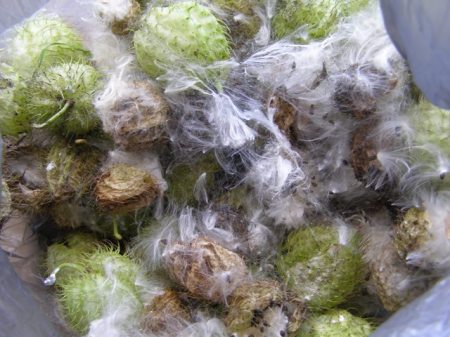
• If you had swan plants which were large enough to set seed, gather the seed and hold it over for planting in early spring. A row of plants in the vegetable garden is a satisfying summer entertainment.

• The walnuts are starting to fall. If you have trees, you need to gather the nuts frequently or you will find the wildlife beats you there at night – particularly rats. Nuts need to be dried before they can be eaten and stored. We spread them in a single layer on trays for a couple of weeks and try and fight off the vermin which will conduct raiding parties until we can get them stored away. Mark sometimes resorts to putting the dried nuts in tightly tied onion bags hanging from the shed roof.

• Pumpkins store better if they are dried out first. Eat any thin skinned varieties of pumpkin first (the green buttercup type along with squash) and keep the tough iron grey ones for last. However, if you plan on storing pumpkins, make sure that their outer casing is undamaged or they will just rot.

• Onions also store better if they are first dried in warm, light conditions.

• You are running out of time for planting vegetables to harvest during winter. Soon it will be time to plant for spring. Get in peas, brassicas and winter leafy greens (silver beet, spinach and winter lettuce) without delay.

• Sow down bare areas of the vegetable patch with green crops such as oats, lupin, vetch, phaecelia, mustard or rye grass. They will germinate and grow, reduce weed infestations and when you dig them into the ground in early spring, they will add goodness and structure to the soil. Leguminous green crops like lupin and vetch also fix nitrogen in the soil.

• You are not likely to ripen tomatoes on old vines now. Gather any perfect fruit, green or not, because they can be ripened off the vine and are less likely rot.

• If you have areas in the ornamental garden which are looking scruffy, past it and generally unappealing, lifting perennials and dividing them can make a big difference. These plants appreciate frequent handling and will respond with renewed vigour, especially if you dig over the area before replanting, water them back in and add a scattering of fertiliser. Perennial plants include all the clumping types of plants, as well as flaxes and grasses.
In the Garden: Friday 1 April, 2011

A game of chance with the pepper crop this year

A game of chance with the pepper crop this year

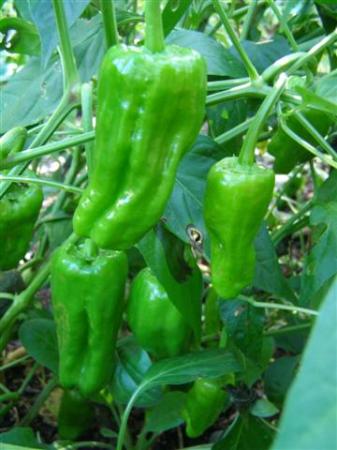
• The capsicum crop this year has been causing me problems. Peperone Padron is apparently a Spanish heirloom variety, renowned for the fact that it bears both mild and hot peppers but you can not tell the difference until you eat them. The seed packet proudly proclaims that eating a portion is popularly linked to Russian roulette. I prefer a little more predictability in the harvest so we may be more conservative with next year’s varieties.

• The spring bulbs are bolting into growth so if you have patches you have been meaning to dig and divide, do them this weekend and handle them gently. You have longer if you are buying dry bulbs which are still available at all garden outlets.

• We should still have at least five weeks of very mild weather, albeit with cooler nights, before the threat of frosts in inland areas and the first blasts of winter chill. So it is perfect planting time for trees and shrubs.

• The mild conditions are also the reason why right now is a good time to do an autumn fertilising round. The plants have time to benefit from the feed before they either go dormant or slow dramatically in growth over winter.

• Sow new lawns and over sow bare patches now. The grass has time to germinate and get some roots out before winter.

• Don’t walk away from the vegetable garden after you harvest the autumn crops, even if you are not intending to replant until springtime. It is time to do a big tidy and clean up. Remove blighted and mildewed plants entirely from the site to try and break the cycle. You don’t want the fungi and diseases wintering over in your patch. If you are going to dispose of them by burying them, don’t do it in your vegetable garden and only compost them if you make a hot mix. It is also good practice to rake up the leaves from fruit trees as they fall. You can help break the cycle of pests and diseases by good hygiene.

• With cooler nights, mice will be moving indoors. If you are storing seed, move the packets to rodent proof containers.

In the garden this week: March 25, 2011

The first of the autumn camellias - sasanqua Crimson King

The first of the autumn camellias - sasanqua Crimson King

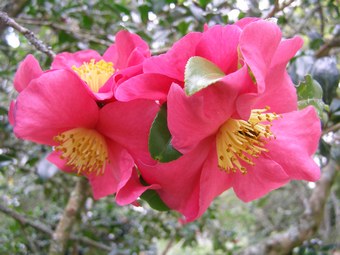
* Autumn is here. The first of the sasanqua camellias and the early flowering species have opened blooms. These early flowering camellias escape the ravages of camellia petal blight which will strike in June.

* You can sow annuals now to get good displays in early spring. Cineraria, snapdragons, pansies, poppies along with many other options are all much cheaper if you just buy a packet of seed and take the trouble to raise your own. It is best to sow into seed trays to get them started rather than the lazy option of broadcasting seed on the garden. With most of these, if you take the trouble to get them started once and then let them seed down, they will keep returning in future seasons as long as you are not too ruthless with the weed spray or push hoe.

* Most main crop potatoes are ready to be dug now. Get on to it straight away if your plants are looking blighted – the blight travels down the stem into the tubers and you can easily lose some of your crop. We hose our potatoes clean, sort out any damaged ones to eat first, dry them off and pack in opaque sacks for longer term storage in a dark and dry area.

* If you are planting leafy greens (and with the current price of lettuces at the supermarket, you should be), remember that plants with lots of top leafy growth are the hungriest feeders so benefit from added fertiliser, compost or rotted animal manures.

* With cooler weather, you can be dividing clumping perennials. Astelias, flaxes and grasses are better with autumn divisions because they can re-establish themselves before the chill of winter stops growth. You need to chop back the foliage by half to two thirds to reduce stress on the freshly divided pieces. A level cut with a sharp spade is the most usual approach or you can carefully cut out at least every second leaf at the base if you don’t want the shorn, Mohican look all winter. Clivias are tough, resilient plants which can be divided pretty well any time but now is good.

In the Garden this week: March 18, 2011

Freezing surplus tomatoes

Freezing surplus tomatoes

• Now that the heat of summer has passed and we are getting into autumn, you can be thinking about planting woody trees and shrubs. Novice gardeners get inspired in spring but more experienced gardeners know that mid autumn is an optimum planting time. It gives plants a chance to get their roots established before the spring flush and the threat of a dry summer. Hedges, specimen trees, avenues and orchards – start frequenting your favourite garden centres to see what they have available. There is no rush. You are better to plant when we have had a few days of good rain and there is a six to eight week spell of good autumn planting weather.

• Garden centres are advertising spring bulbs. Remember when planting bulbs that most do not need super rich soils. Good drainage is the critical aspect so they don’t rot out when dormant. Light, friable soils are more hospitable than great clods of dirt but lay off the fertilisers. Digging in some leaf mulch or a little compost is all that most bulbs require. In the wild, many bulbs have evolved to survive in quite difficult conditions and mollycoddling can result in too much leafy growth to the detriment of flowers.

• You can do autumn cuttings of plants like fuchsias, pelargoniums, vireya rhododendrons and perennials which don’t clump so need to be increased by cuttings – dianthus (pinks), oenothera (evening primrose), erysimum (wallflowers) and the like. These types of plants root easily and don’t generally need rooting hormone. Use firm wood from this season’s growth and reduce the leaves by about half to stop the cutting drying out too quickly.

• You have pretty much missed the boat now on sowing root crops for winter because they need a longer growing season. If you have space, you could try carrots but they will only make baby grade. However, you are fine to continue planting brassicas, Florence fennel (finocchio), peas, winter spinach, winter lettuce and quick maturing Asian greens.

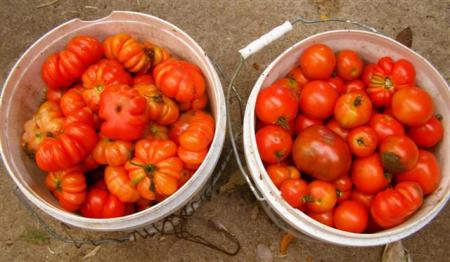
• If you have an abundance of tomatoes, we have found the easiest way yet to prepare them for freezing. Wash them, cut out any damaged bits and the central stem area. Pile them into big roasting dishes and bake in the oven until cooked. Cool. Drain off the clear liquid (tasty as juice or frozen for soups). Pull off the skins which are now very loose. Freeze in small containers. They become concentrated and ideal for using later in the year.

• As long as you can get a hosepipe within reach, it should safe to sow new lawns after the next good rain.

In the Garden: March 11, 2011

Time to think about lawn renovation

Time to think about lawn renovation

• Early autumn is a good time to do a fertilising round. Give priority to deciduous plants. Fed at this time, the plant will gain the benefit and strengthen itself before it goes dormant for winter. Certainly feed all fruit trees – when you are cropping and pruning plants, you are interfering with their usual routine of maintaining themselves so they need a bit of help. You can use cheap and cheerful, general purpose fertilisers for this task – blood and bone, Bioboost, Nitrophoska Blue and similar. Compost is a good, natural food.

• As you harvest summer vegetables, if you have areas you don’t want to use for winter cropping, sow a green crop. Lupin, oats and ryegrass are good options for this time of the year. Green crops will be dug into the ground in early spring. Their purpose is to replenish the soil. They also help to keep the place looking more cared for – without green crops, the weed invasion to bare soil will be considerably worse.

• It is really important to keep up the succession of planting winter crops – another few plants of all the brassicas, some more leafy greens of the winter lettuce, winter spinach types, even peas and more Florence fennel. It is a bit early for broad beans yet – wait until May.

• The basic rules of crop rotation are the green crop followed by the greedy feeders like potatoes, corn and cucurbits. Next come the leafy greens and brassicas and last are the root crops (carrots, parsnips etc) because they don’t like to grow in recently fertilised soils. Crop rotation is all round good practice in terms of reducing disease problems and keeping the soils in better condition – giving better harvests.

• Inland areas with chillier winters might like to do a light hedge pruning round now to keep the garden looking sharp. The trick of timing is to get it so the hedge just has a light flush of fresh growth before it stops growing for winter. In milder, coastal areas, leave the trim until later in April or you will end up needing to trim twice.

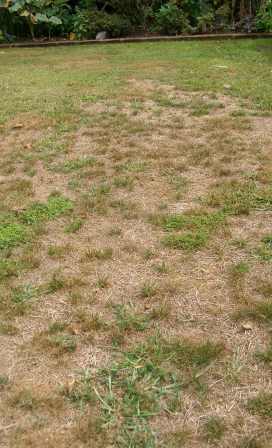
• Lawns, think lawns. Early autumn is a really good time to be over sowing existing lawns and laying new areas. The heat has gone out of the sun but there is still sufficient warmth and day length to get the seed germinating and started. Just make sure that the areas do not dry out if we get a longer spell without rain.