Tag Archives: Magnolia campbellii

Tikorangi Notes: August 4, 2015. Spring flowers, Franchi seeds, a new spade and the Magnolia and the Cross

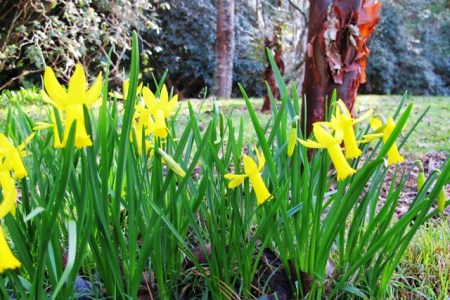
Narcissus Peeping Tom in golden light

Narcissus Peeping Tom in golden light

With heavy rain forecast over the next few days, I picked some of the spring bulbs. The light was fading as I brought them indoors,  but I like the stainless steel backdrop of the splashback to our stove and I had fun photographing the flowers both in the general background light of the kitchen and in the shafts of golden light, which, believe or not, emanate from the spotlights on the range hood above. If you are on Facebook, there is a fuller album of them on our Facebook garden page. 
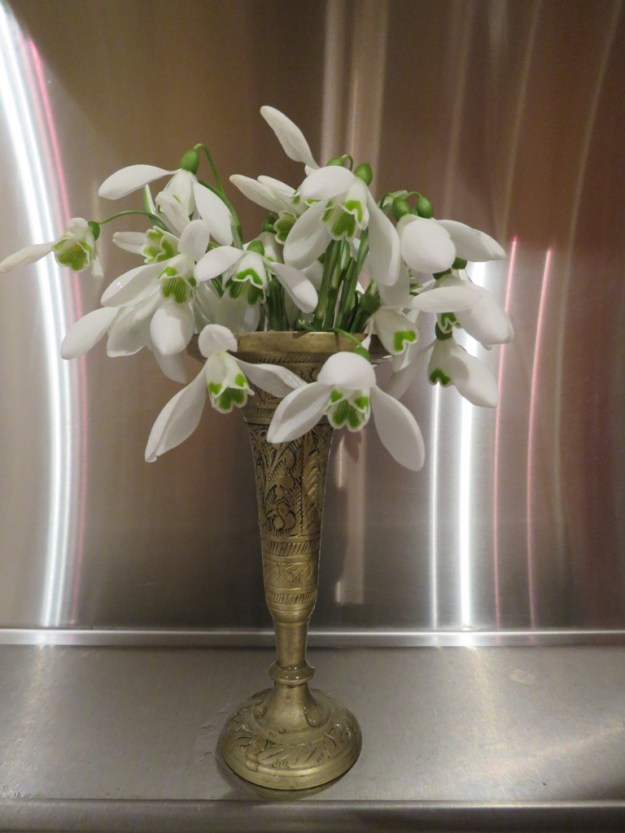
Galanthus S Arnott in silver light
Galanthus S Arnott in silver light

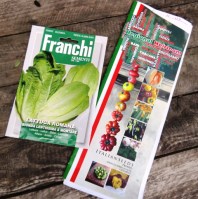
033The new Franchi seeds catalogue arrived in the mail last week. If you haven’t met this brand before, you can find them on line at http://www.italianseedspronto.co.nz/ (that is the address for New Zealand mail order only). There is an interesting range of heirloom and traditional Italian varieties. They are expensive when compared to some other brands on the market, but you get a hugely generous amount of seed per packet. Given the sparse number of seeds in the packets of some other brands, this is something of a surprise. Mark is a particular fan of the packets of mixed lettuce varieties which he sows in succession to keep supply going, so he is more than happy to get a generous quantity of seed. There is a good variety of different lettuces in these mixed packets too, which mature at different rates and add interest to salads now that we have moved on from just Iceberg or Buttercrunch.

001 (2)I was positively excited to buy my very own spade recently, and what a lovely spade. It is a Joseph Bentley border spade with a handsome oak handle so it must be imported from the UK. A border spade is both smaller and narrower than a conventional spade and I find the lighter weight makes it easier to use – a pleasure, even. There are cheaper spades around – I think I paid somewhere between $70 and $80 for this one at Palmers Garden Centre – but I have not found a spade I like more. I expect it to last as long as I do. Mark kindly oiled the handle again before use, using linseed oil. And he sharpened it for me. I sometimes wonder whether the current fashion for no-dig gardening and the desire by some to avoid the effort of digging is related to blunt spades. A sharp spade makes digging so much easier but I can’t recall seeing the advice offered widely that you need to sharpen your new spade before use and then to keep an edge on it from time to time. If you are wondering how to do this, I see I published a little article on this very topic some time ago.

The Magnolia and the Cross

The Magnolia and the Cross

Having referenced the Magnolia and the Maunga and the Magnolia and the Wellsite  recently, I now offer you the Magnolia and the Cross. This is M. campbellii again, but in the grounds of St John’s Church in Waitara where I spotted it when we attended a funeral recently. Even if one is not of a religious persuasion, the cross is a very strong symbol.

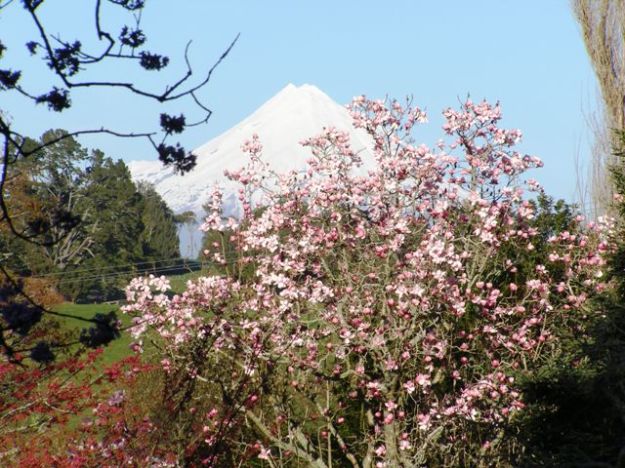
The magnolia and the mountain

Magnolia campbellii in our park and Mount Taranaki

Magnolia campbellii in our park and Mount Taranaki

I prefer not to leave a negative post heading my home page for long (for an update on That Matter, refer to the last paragraph here), so here instead is the magnolia and our maunga*. I am waiting for more flowers to open so I can catch the hero shot of Magnolia campbellii in full bloom against the snow. This photo was taken in the early morning light at about 8am, as the sun was rising.

campbellii again

campbellii again

Mark is anxious that I point out I am using a zoom lens and the mountain is not 300 metres away from us. It is more like 35 kilometres distant. In this case, I feel it is appropriate to use the word iconic about our maunga. It is a beautiful volcanic cone which stands in splendid isolation on the coastal plain beside the sea and it is such a strong presence in Taranaki that it is etched into the very being of everybody who lives here. It is still active, although it is a long time since it has done much more than gently rumble to remind us not to take him for granted.

Magnolia campbellii

Magnolia campbellii

M. campbellii is always the first of the named magnolias we have here to open for the season. The tree is a fraction of its former size, having been clipped by a falling poplar tree a few years ago but it continues to grow and will regain its former glory over time.

Just an unnamed seedling

Just an unnamed seedling

For early glory, this unnamed seedling in one of our shelter belts takes the first medal. It is looking great, but it won’t be named or released. It flowers far too early for most climates and is not sufficiently distinctive. It is a good reminder that on their day, many plants look magnificent but they need to continue looking glorious in competition with many other candidates, not just on their day.

First bloom of the season on Felix Jury

First bloom of the season on Felix Jury

The first few flowers have opened on Felix Jury, which is still a source of real pride and joy to us. Felix beat Vulcan to the draw on first bloom this year, although the latter is now showing glorious colour. Felix will also outlast Vulcan when it comes to the length of the flowering season. In colder climates, these earliest bloomers open later. We are lucky where we live that we have clear, intense light – even in mid winter when these magnificent flowers start opening for us.

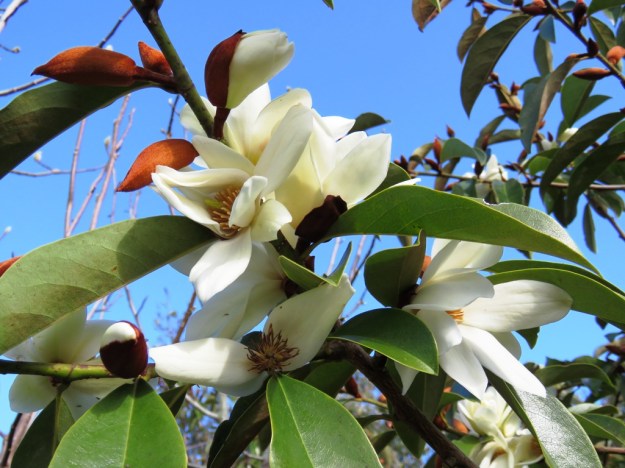
Mark's Fairy Magnolia White

Mark’s Fairy Magnolia White

Michelias have now been reclassified as magnolias and the earliest varieties are opening. This is Mark’s Fairy Magnolia White which has the bonus of a lovely perfume. Magnolia season feels like the start of a new gardening year for us and each day is filled with anticipation to see what else is opening. Many of our trees are now large, so I find I am often photographing up against the sky. Hence I often refer to this time of the year as the season of skypaper.

As far as my previous post on the magnolia and the well site goes, for those of you curious about the reaction of the company I can report that so far, the reaction has been… nothing. Nothing at all, although I know they spent a lot of time checking it on my site on Tuesday. I fully expect that situation to remain, although I will certainly be pleasantly surprised if the company responds to the challenge.

*Maunga is the Maori word for mountain and is widely used in New Zealand, especially when referring to mountains which have long held particular spiritual significance for tangata whenua – the first people of the land in this country.

Pink & white parade

April is the cruellest month, wrote T.S. Eliot in his famous poem, The Waste Land. Not, I have to say, out of fear of late frosts in a northern hemisphere spring, as one gardening wit thought. Here, it is July that brings us the bleakest days of winter.

But as July progresses, it also heralds the start of a new gardening year. Magnolias and snowdrops mark the passing of winter into spring.

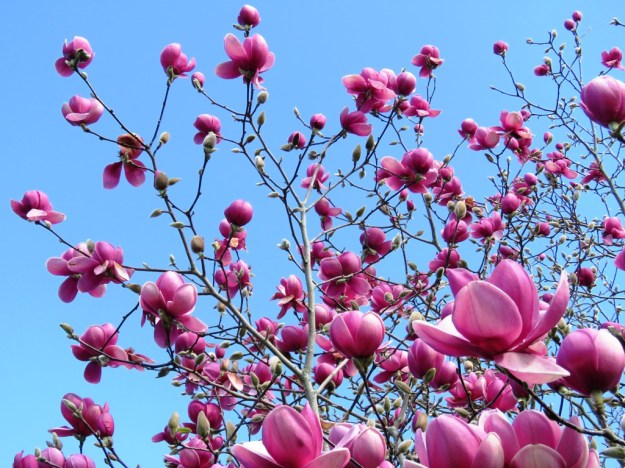
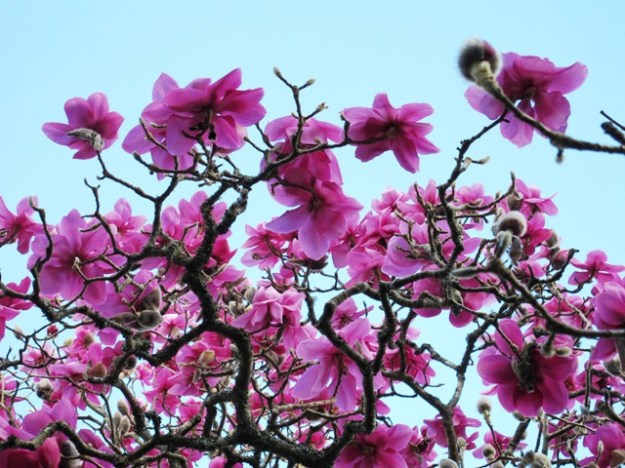
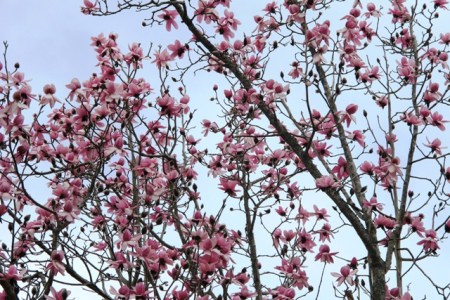
Magnolia campbellii

Magnolia campbellii

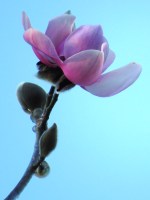
The first deciduous magnolia of the season to open is always M. campbellii. There is an attractive group of them in New Plymouth on Powderham Street and the first flowers on those appear in late June, sometimes before all the leaves have fallen. Asphalt and concrete in cities raise temperatures enough to trigger flowering earlier than in country areas. M. campbellii is not a great option in colder parts of the country because frosts can take the early blooms out but where space and climate allow, it is beautiful. Our tree was considerably larger until a falling Lombardy poplar took out half of it, but it is staging a comeback. There is a white form too, but the pink is generally regarded as superior.

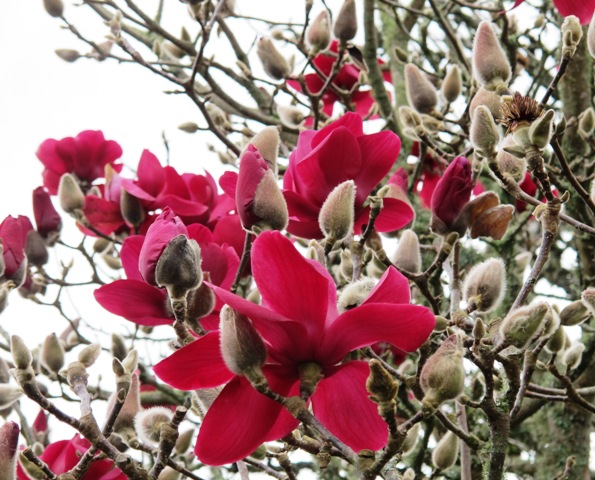
Magnolia Vulcan

Magnolia Vulcan

July also sees the first blooms opening on Magnolias ‘Lanarth’ and ‘Vulcan’. The latter was bred here by my late father in law, Felix Jury, and marked the first of the new generation red-toned magnolias. For several years after we first released it, we used to be able to track it flowering down the country by the phone enquiries. It opens in Northland much earlier than it shows colour in Otago and Southland.

Magnolia Lanarth

Magnolia Lanarth

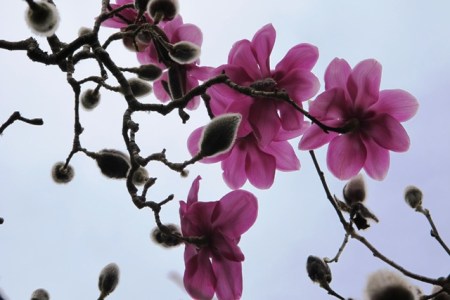
Lanarth (technically M. campbellii var. mollicomata ‘Lanarth’) remains the best purple available, in our opinion, even though its flowering season is brief because it only sets flower buds on the tips and they all bloom at once, rather than in sequence down the stems. It is worth having in a large garden because it will take your breath away for two or three weeks in late July and early August but smaller gardens probably need trees with a longer season.

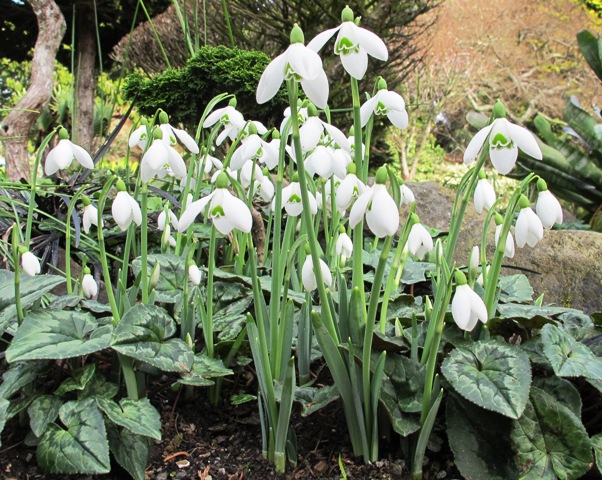
Galanthus  S. Arnott

Galanthus S. Arnott

At the other end of the scale, we find snowdrops enchanting. We have tried growing a wide range of different species but in the end it is Galanthus nivalus ‘S. Arnott’ that is happiest here in the mid north, although we also get a good run from the larger leafed G. elwesii. Gardeners in cooler, southern areas will have a bigger selection to choose from but we have to go with what performs here.

Snowdrops are one of the few bulbs where the standard advice is to lift and divide in full growth – usually straight after flowering although there is no reason why you can’t do it when they are dormant. They multiply satisfyingly well and we are on a mission to spread these charmers in huge swathes throughout the garden.
???????????????????????????????
What northerners often call snowdrops are not. They are leucojums, commonly called snowflakes. Proper snowdrops are much smaller and prettier. They have a central cup surrounded by three longer petals that look like dainty wings. Leucojums, on the other hand, just have the cup as a bloom and are much stronger growing with plenty of foliage that looks like daffodil leaves. You often see them growing in paddocks around old farmhouses. Some of the bigger flowered selections make good garden plants (Leucojum vernum ‘Gravetye Giant’ is the one we use), because they have a much longer flowering season than galanthus. But they lack the dainty refinement of the proper snowdrop. There can be little doubt about that.

First publshed in the New Zealand Gardener July issue and reprinted here with their permission.

Tikorangi Notes: Friday 3 August, 2012

Magnolia Lanarth is coming into flower

Magnolia Lanarth is coming into flower

With the advent of August, our garden is now open again for the season and more is coming into flower every day. Magnolia campbellii is in full bloom, Lanarth is opening as is Vulcan, assorted unnamed seedlings are opening and the early michelias (now reclassified as magnolias) are in full bloom. Between the michelias and the many daphne plants, the garden is full of scent. The earliest of the big leafed rhododendrons (R. macabeanum and R. sino grande types) are coming into flower. And at the lowest level, there are many early spring bulbs blooming. As the snowdrops start to pass over, the early narcissi (many of the cyclamineus type) are blooming and Cyclamen coum flowers on. Mark’s efforts on his bulb hillside are bearing fruit (or maybe bearing flowers in ever increasing quantities is a better description). While we may get a cold snap or two, spring has very much arrived.

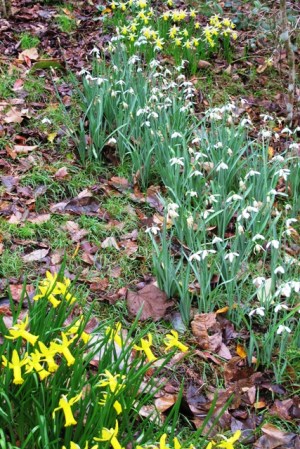
Mark's bulb hillside - Narcissus cyclamineus at the front, galanthus in the centre and Narcissus Twilight to the rear

Mark’s bulb hillside – Narcissus cyclamineus at the front, galanthus in the centre and Narcissus Twilight to the rear

We have no new posts this week to list – the gardening page of the Waikato Times has been put to one side to make additional space for Olympic sports news.

Magnolia campbellii in full flight this week

Magnolia campbellii in full flight this week

Tikorangi notes: Friday July 20, 2012

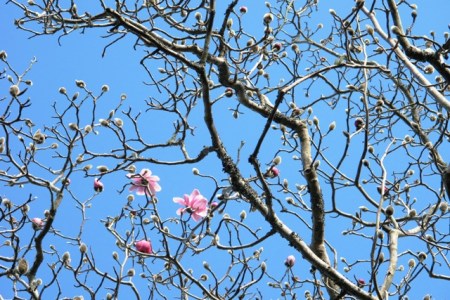
The very first flowers of the season on Magnolia campbellii

The very first flowers of the season on Magnolia campbellii

Latest posts:

1) Modern perennial plantings, more in the style of Braque than Mondrian.

2) When only one plant is ever found, it could be said that this is as close to extinct as anything could be – Pennantia baylisiana.

3) Grow it yourself: cauliflower (not that we will be. Growing them, that is)

4) Floods earlier this week – on Monday in fact. These events happen here. It certainly was not the worst flood we have had but these things are still quite exciting when they occur.

Narcissus cyclamineus at the base of Acer griseum

Narcissus cyclamineus at the base of Acer griseum

July is usually the bleakest winter month here, but aside from a few cold days and torrential rain on Sunday and Monday, it has not been too bad at all. Last summer was one of the least memorable ever, but autumn and winter (so far) have been significantly better than usual.

The first magnolia flowers have opened on M. campbellii and on Mark’s earliest flowering hybrids and more will open every day. The snowdrops are flowering and more and more of the narcissi are opening. Last week it was just the hoop petticoats (N. bulbocodium citrinus), this week there are various cyclamineus types opening. More camellias open every day. The cymbidium orchids are in flower (and need staking) and Cyclamen coum blooms on It is a magical time of the year and will just keep getting better as we progress into spring. We could never complain that winter is bleak here.

Lloyd is doing a major reconstruction of our steep path down to the park which has eroded badly with heavy rain. I am nearing the end of the major makeover on the rose garden – after the earlier satisfaction it has morphed into hard graft now. Three more fine days and it should be done.

Officially, we reopen the garden at the beginning of August but wait a few more weeks if you want to see the magnolias in full flight.