
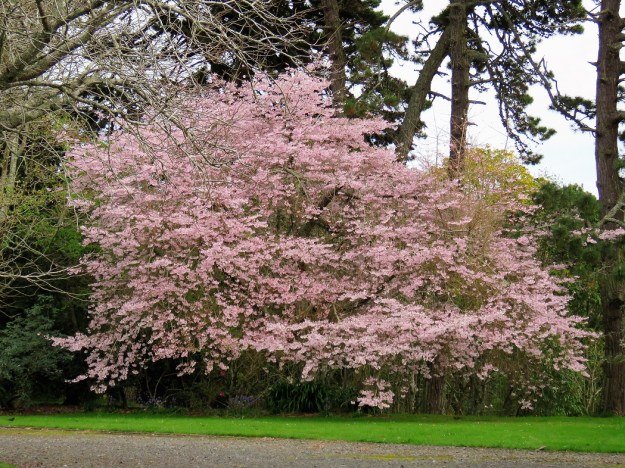
Prunus Awanui in flower this week as we pass peak magnolia and go into the next phase of spring
As a nation, we are collectively holding our breath to see if we are indeed safely back to the status of zero Covid cases, except those caught and isolated in border quarantine. Just one community case in five days and counting now, this second time round. Our team of five million that saw us achieve this status the first time round has had some defections. Hopefully, the mob of doubters, conspiracists and anti-vaxxers is small, though very noisy. Obsessed only with their own *rights*, they have no concern for the safety and well-being of others and are swallowed up by their own crusade that Covid doesn’t exist, that it is no worse than the common flu, that it is a man-made virus being used by Bill Gates and his cohorts to take over the world (never mind that these positions are contradictory), that our government is lying to us, that it is somehow tied up with the 5G network and probably chem trails, that the Covid vaccine will be mandatory (it won’t) – all because they don’t want to wear masks on public transport and maintain physical distancing while we stamp out the latest flare-up. Sigh.
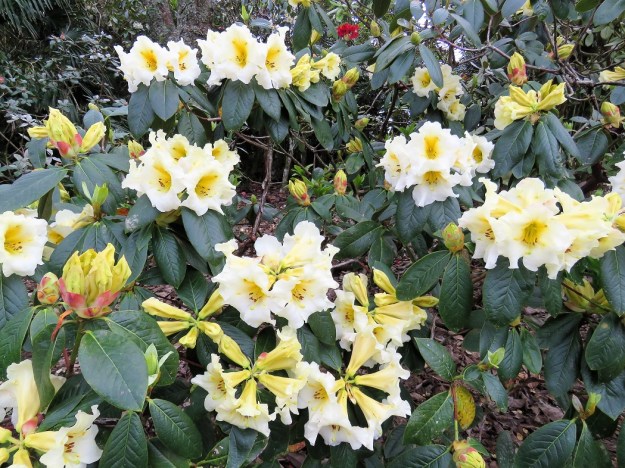
Mark’s Rhododendron Floral Sun never fails to lift my spirits, even more so this week in such uncertain times
It is not helped by a prolonged election campaign where some of the opposition parties are hellbent on undermining confidence in the government and community response to Covid. Let not the fact that NZ is a shining star internationally with its Covid response and that we have fewer restrictions and a safer environment than almost every other country in the world at this time get in the way of their narrative that it is a ‘shambles’, ‘incompetent’, a ‘failure’, an example of ‘gross mismanagement’ and all the rest. Some even advocate opening the borders and ‘learning to live with Covid’, though they seem to be unable to come up with international examples of countries managing to live comfortably with Covid on the loose in the community.
New Zealand – we done good. We are on track to eliminate this latest outbreak. The election will be over in a month. Our lives will return to the comfort of level one freedoms in this new reality that Covid has brought to our world.
‘Back in the day’, as is said, I used to write a regular piece for the local paper called ‘Countdown to Festival’ and I still look back at that series with some fond memories. It was just an assemblage of snippets from local gardeners describing their preparations for the annual garden festival and, from memory, the paper paid me the grand sum of $35 a week for it. It comprised garden hints from gardeners all around the district, some quirky anecdotes and painting small word pictures of the characters who were beavering away to get their gardens to opening standard. I think it had a quirky charm as well as some handy advice but it all stopped when I left the Taranaki Daily News and went to write for the Waikato Times instead.
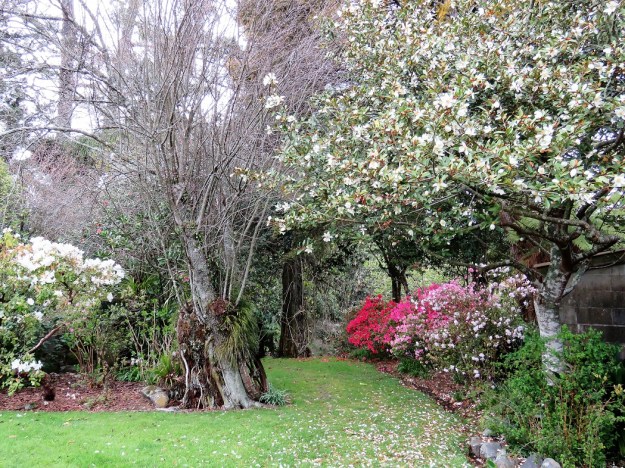
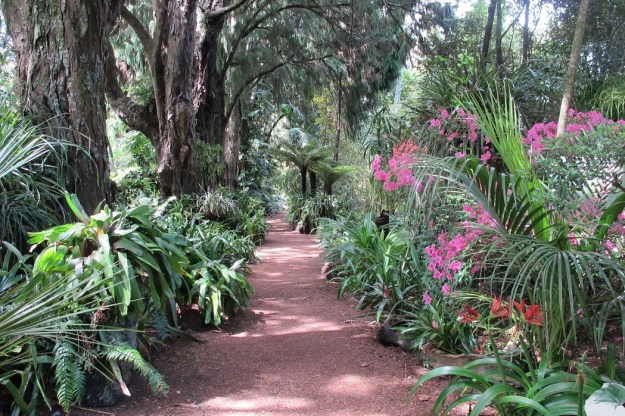
The pretty path down to the park by my washing line, The white on the left is fragrant Rhododendron veitchianum, colourful azaleas in the centre and pretty Magnolia laevifolia ‘Velvet and Cream’ on the right
My mind went back to that series because we are now totally focused on getting the garden ready for opening on October30. Hopefully, we will be in level one which, in NZ, means no restrictions at all (life as usual but with no overseas tourists) but I am assuming we can still go ahead at level two, if need be. Mostly that means physical distancing and some controls on numbers, but presumably without coach tours owing to distancing not being possible on most coaches. Note to self: buy hand sanitiser – that public health symbol of Covid – and investigate registering for QR code. Even I, an occasional mobile phone-user at best, use the Covid app to scan into all shops and businesses. It is much easier than manually signing in. Frankly, it feels weird to be contemplating getting all visitors to the property to scan or sign in but this is our world now.
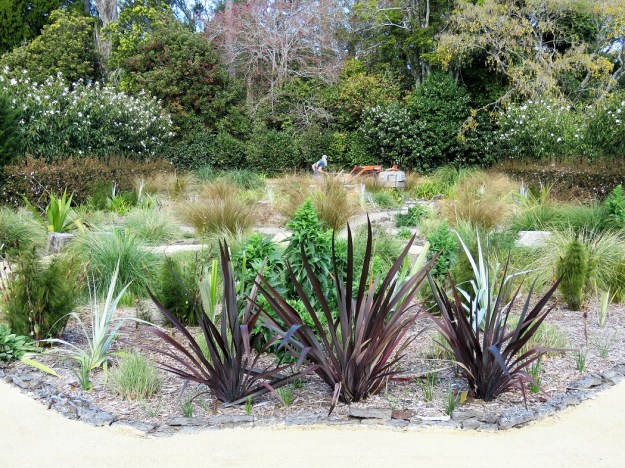
Lloyd can be spotted at the back of the photo with the tractor, our fancy lawnmower towing a large trolley, screeding tool, shovel, rake, barrow and plate compactor. This is not a job for the fainthearted.
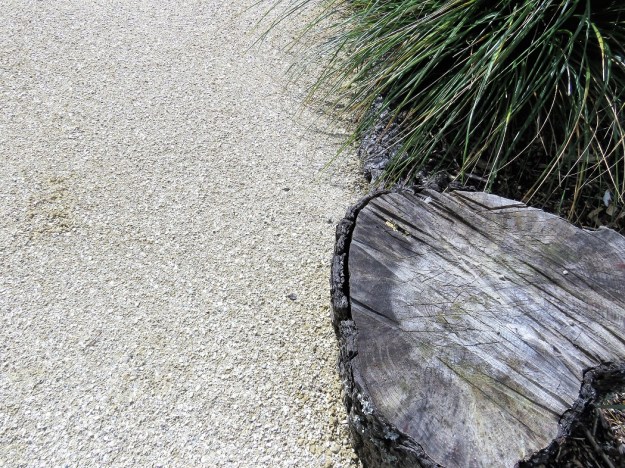
The compacted ‘terrazzo’ look
With our lives becoming so much more home-based, local and smaller – holding the chaos of the world at bay – the garden has become even more important. This week, I ordered the first truckload of the top layer for the paths in our new summer gardens. Ten cubic metres or fourteen ton to start with and we will need at least as much again. It is not cheap so there was some nervousness but we are pretty excited at the effect of this crushed limestone and shell mix (I did say our world had grown smaller!). Lloyd is spreading it by barrow, shovel and rake, screeding it and then using the plate compressor to compact it as he goes. A torrential downpour was a good test. It compacts suffciently firmly that the torrent of ground water did not wash it away and the surface is so smooth that it can be swept or cleaned with the leaf blower. The rain brought the whiter fines to the surface so the finished effect looks more like the terrazzo kitchen benches of long ago. After building up to this for so long, it is positively thrilling, I tell you.
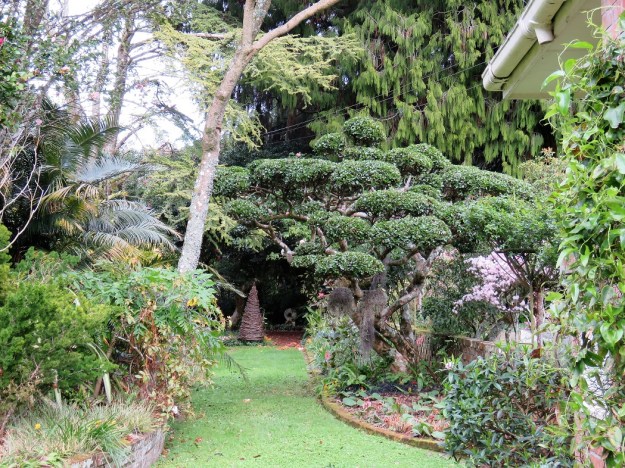
I think the uppermost two topknots on Mine No Yuki need to removed entirely but that can wait if we run out of time
Lloyd has also been clipping our shaped and cloud pruned camellias this week and will start on the hedges soon. In the meantime, Mark rather defies my work schedule but has been painstakingly giving the geriatric apple trees a major and considered prune. Next up, the two avenues of Fairy Magnolia White and the punctuation points of Podocarpus parlatorei in the new gardens are awaiting their annual trim. Mark is by far the most skilled pruner here.
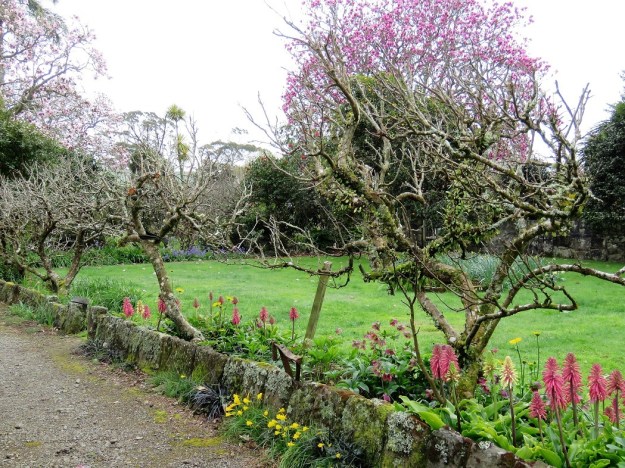
Mark has done the first four geriatric apple trees but there is a whole lot more pruning waiting to be done and I am not yet seeing him show the signs of urgency I am hoping for
I am here, there and everywhere. Garden grooming is my strength. Attention to detail. At least it gets me all round the place. We have passed peak magnolia, the snowdrops have long finished and the dwarf narcissi are all but over. Now it is bluebell time, Japanese cherries, rhododendrons, evergreen azaleas and mid spring bulbs. The plants and the seasons are not disturbed by Covid.

The mid spring bulbs are starting – Moraea villosa and sparaxis
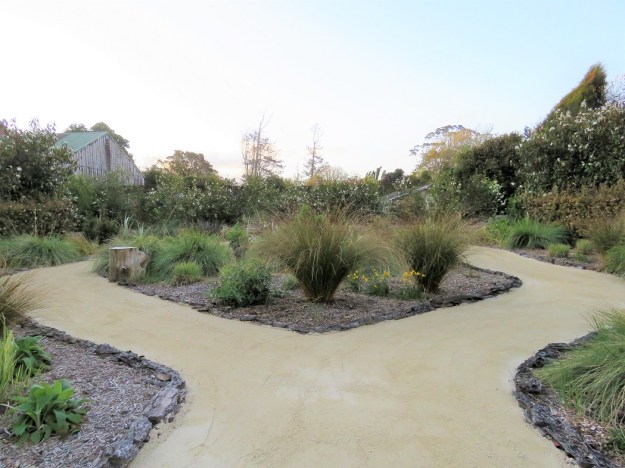
The freshly laid paths in the Court Garden look a little stark but we are confident they will mellow and soften quickly. The initial stage is preternaturally tidy.
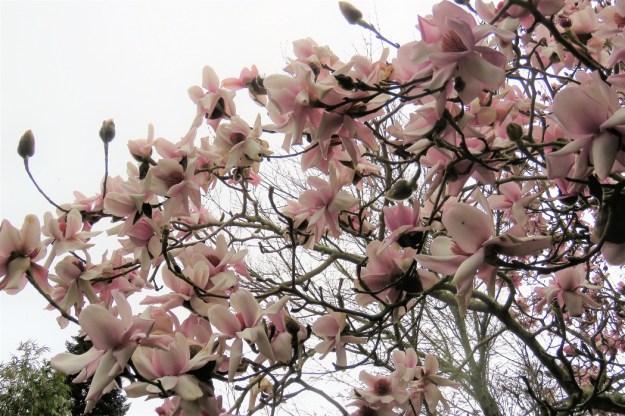
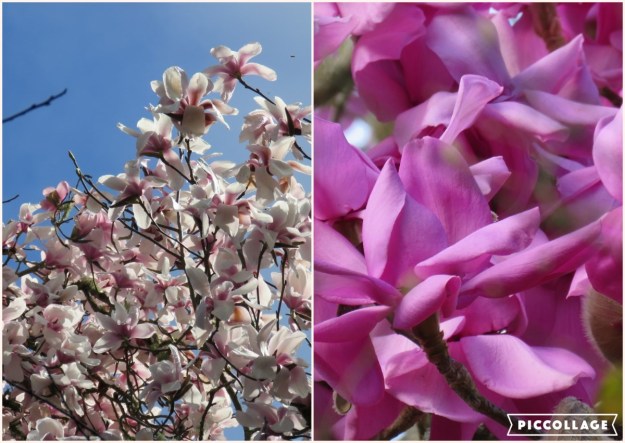
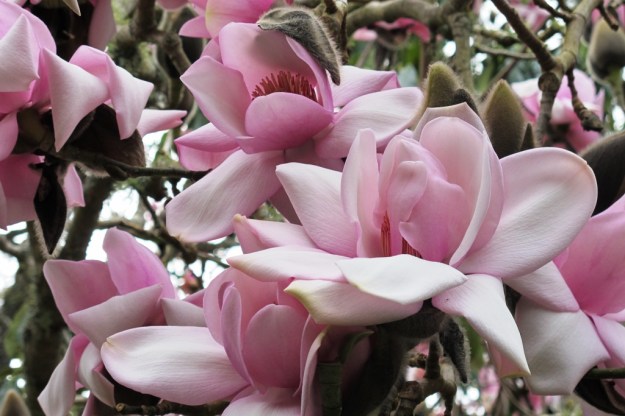
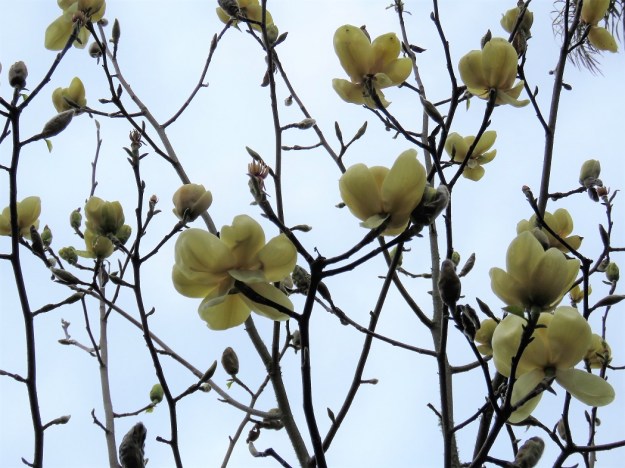
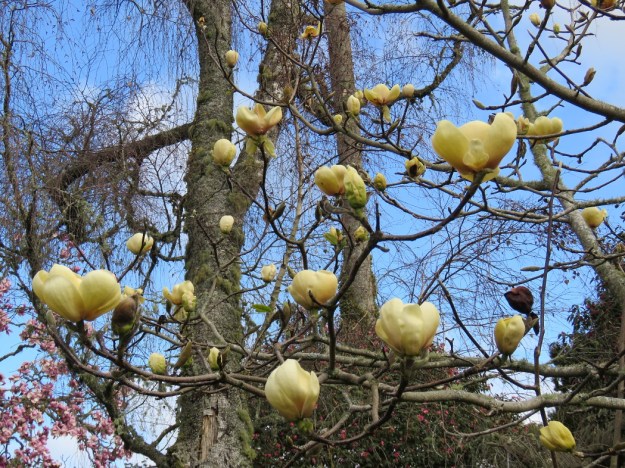
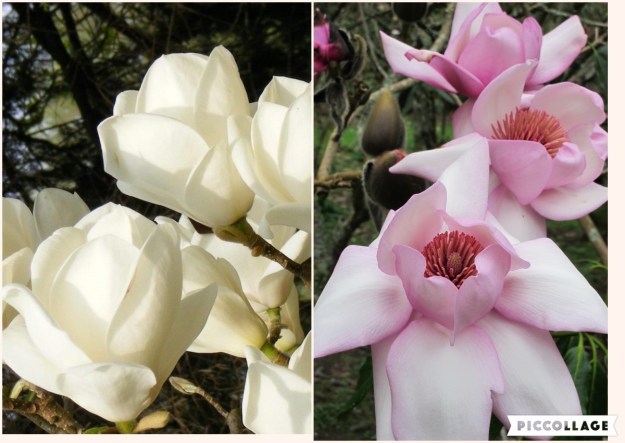 Magnolia ‘Lennei’ alba crossed onto ‘Mark Jury’ was one of his first efforts. (For the technically minded, ‘Lennei’ is more correctly M. X soulangeana ‘Lennei’, itself a cross of M.denudata and M.liliiflora).
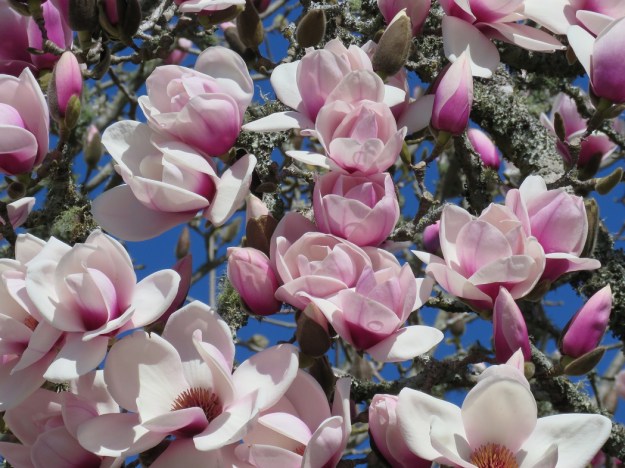 It resulted in the beautiful ‘Athene’
 ‘Lotus’
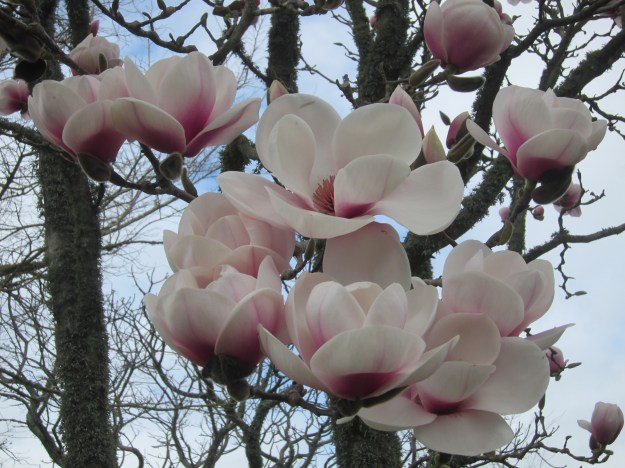 and ‘Milky Way’.
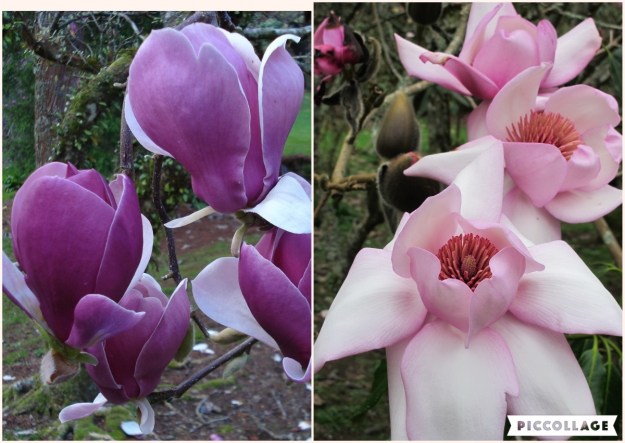 Swapping to the pink form of ‘Lennei’ crossed on to ‘Mark Jury’, he raised and named
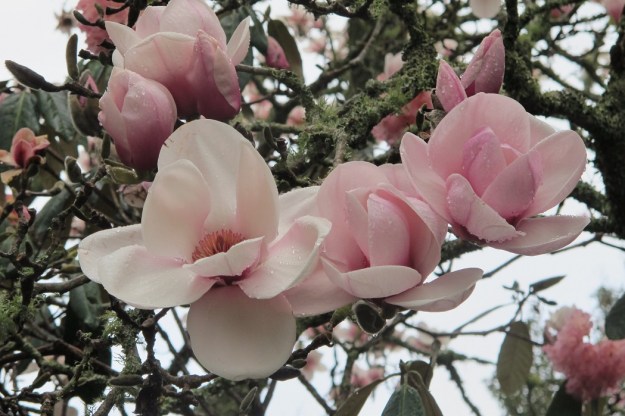 Atlas
Atlas and Iolanthe. This particular cultivar is one of the enduring stars in Felix’s collection.
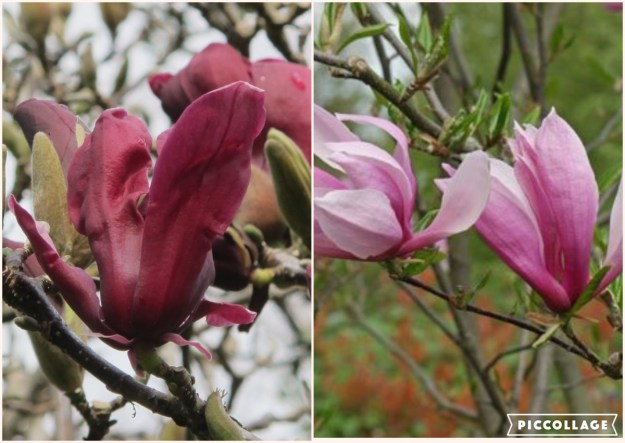 The picture on his use of M.liliiflora is not as clear. He had the dark form of M. liliiflora ‘Nigra’, a paler pink form of the same species and, it seems, a liliiflora hybrid in the garden and over time, he grew somewhat hazy in his recollections of which plant in the garden he used for which cross.
  One or other form of M liliiflora crossed with ‘Lanarth’ gave two notable results.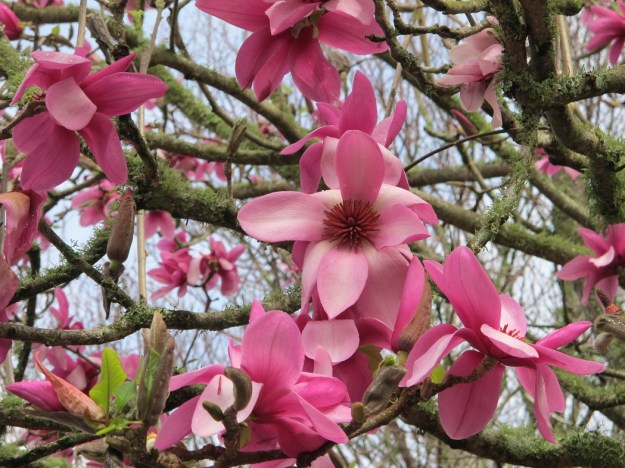
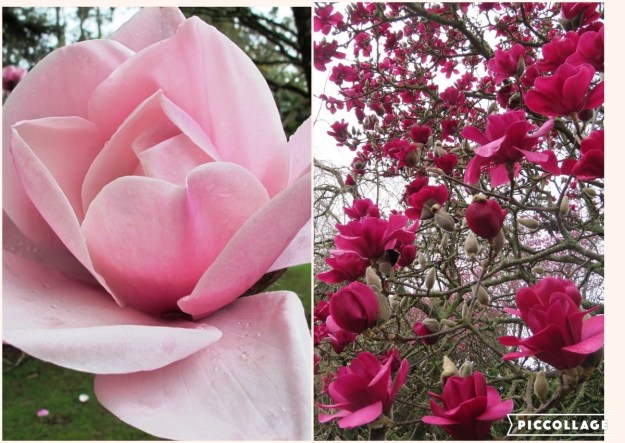
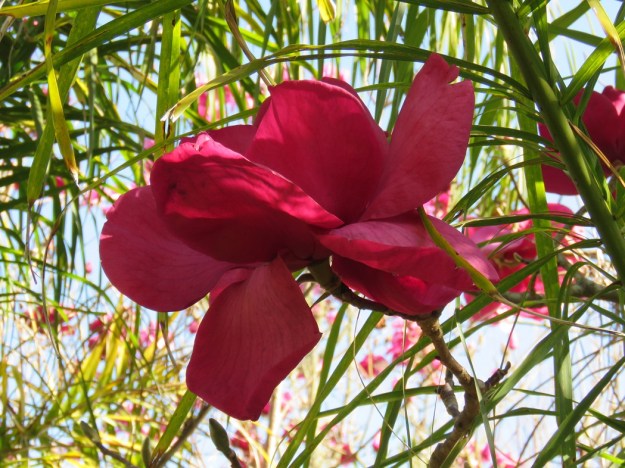
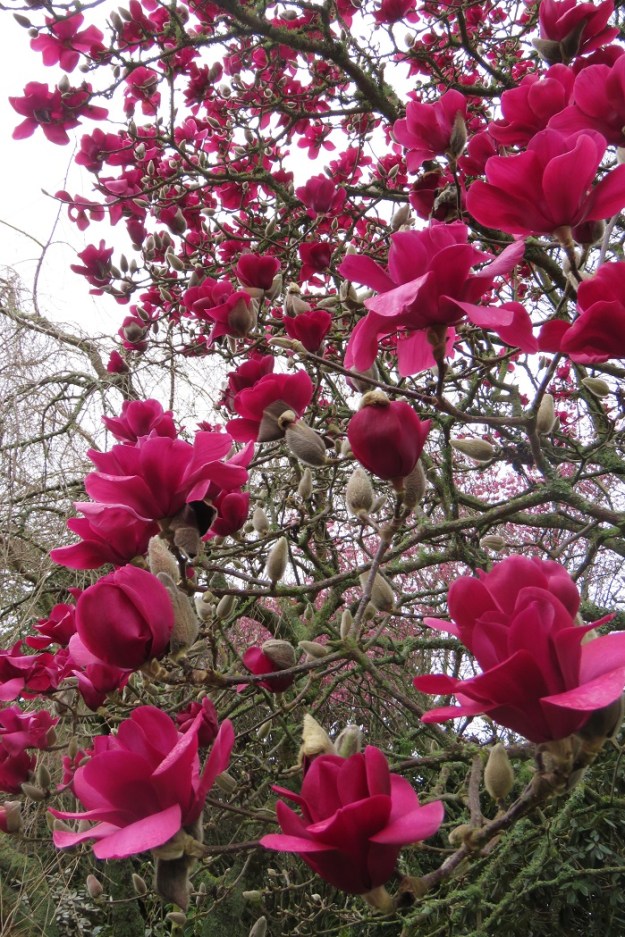 The second was the colour breakthrough in ‘Vulcan’ that paved the way for a multitude of magnolias into the future, getting to the red tones.
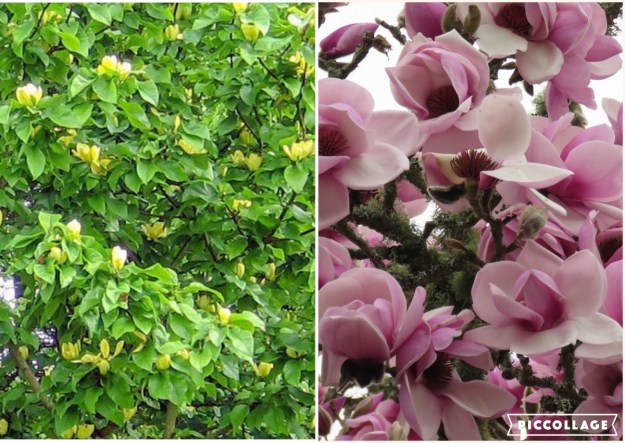
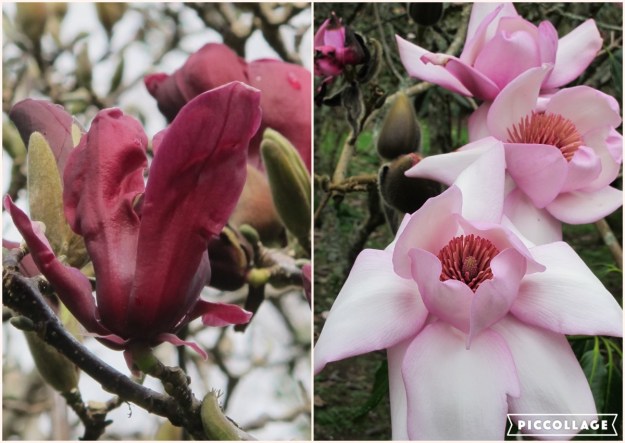 Again, an unspecified form of M.liliifora but crossed this time on his old favourite ‘Mark Jury’ resulted in one named cultivar of note.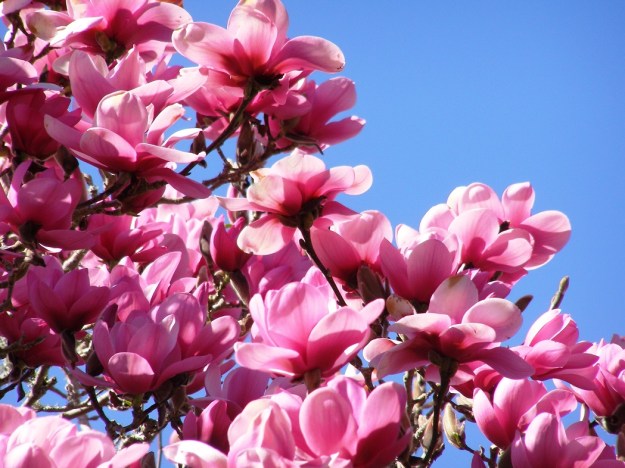
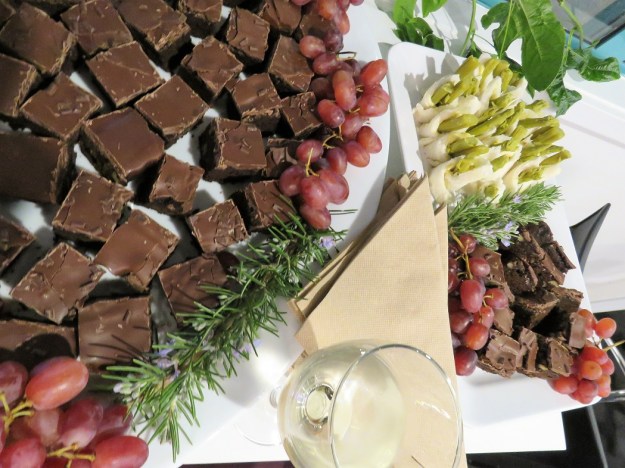
 It is official. We are reopening our garden for the ten days of Taranaki Garden Festival – and only for those ten days from October 30 to November 8. In fact, we are garden number one in the programme. We attended the launch on Thursday evening and there were asparagus rolls. I only mention this because the asparagus roll shares a special position of nostalgia in NZ catering history on a par with Maggi onion dip and slightly less controversial than the Otago and Southland cheese roll. But I digress.
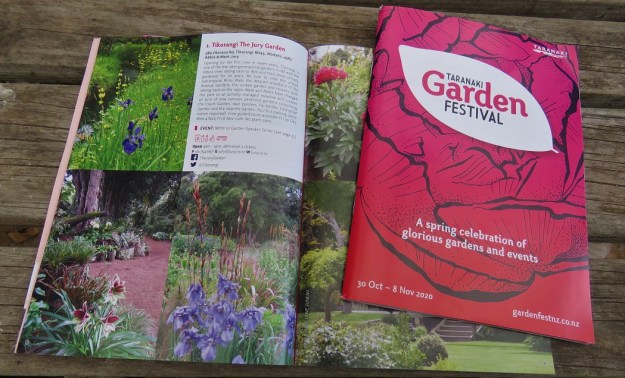 The printed programme is now out and the information is all
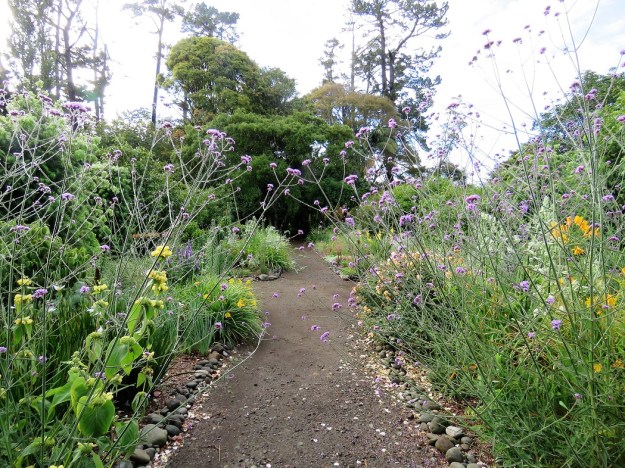
  New Directions with Sunny Perennials
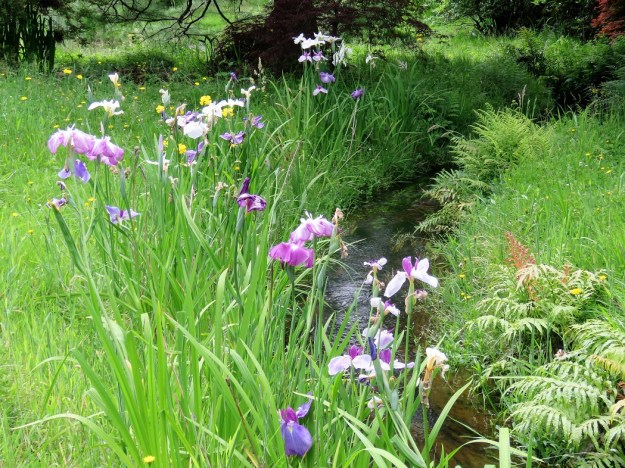 Meadow Theory 101
 Postscript for overseas readers: sorry, this is all of no relevance to you. Even if you wanted to, you can not come. Flights to NZ remain few and far between and you have to be a NZ citizen or permanent resident to get in (bar a few essential workers). Even then, all incoming passengers have to go into government quarantine for 14 days and it seems to be the luck of the draw as to whether you get confined in a five star hotel or one that is more modest. But we are now free of Covid, bar the quarantine cases at the border, and have been for over ten weeks. Life here is back to normal – no masks, no PPE, no physical distancing required, no restrictions bar those at the border. This situation has been hard-won and there aren’t many New Zealanders willing to risk the alternatives as we look at the grim situations around the world. It seems there is a long way to go in this pandemic yet. May those of you overseas stay safe and well.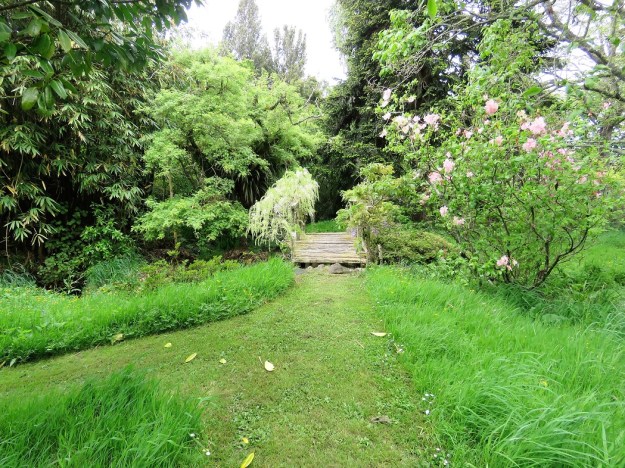
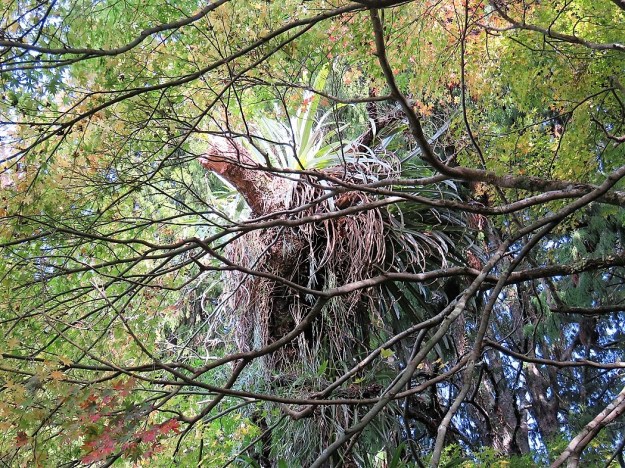
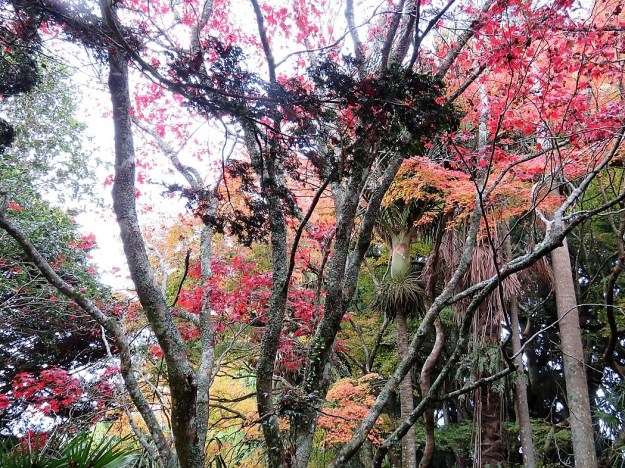
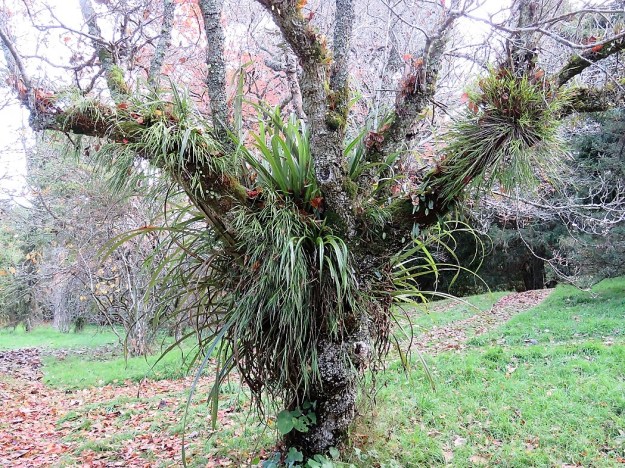 I was quite taken by this sight of epiphytes on a cornus tree down in the park. It is a natural occurrence here that
 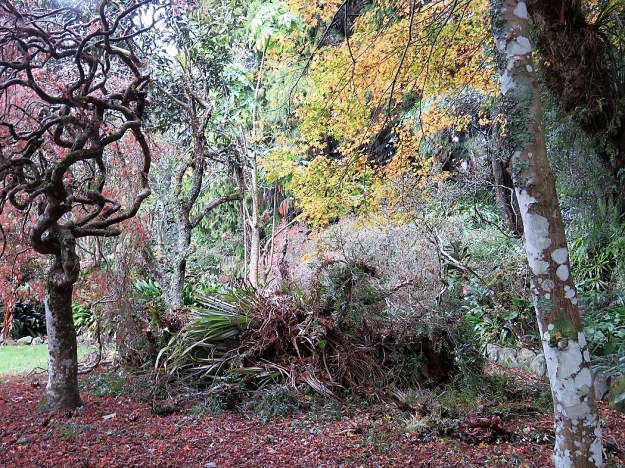 Mark then asked me if I had seen the maple lawn. I hadn’t but there was the result of a branch on high collapsing under the weight of epiphytes, clipping the maple tree for which that small enclosure is named.
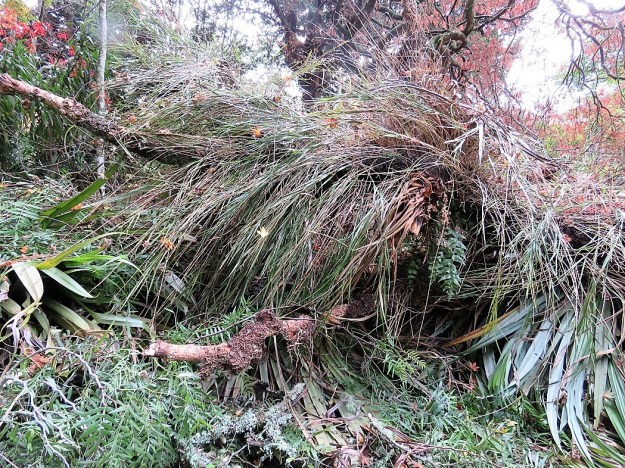 What you are looking at is somewhere close to three cubic metres of collapsed branch and epiphytic growth so there is a lot of it to clear. We had been watching that branch but as it was a good eight metres up and almost certainly rotten, the dangers of trying to remove it were potentially greater than leaving it to nature to take its course.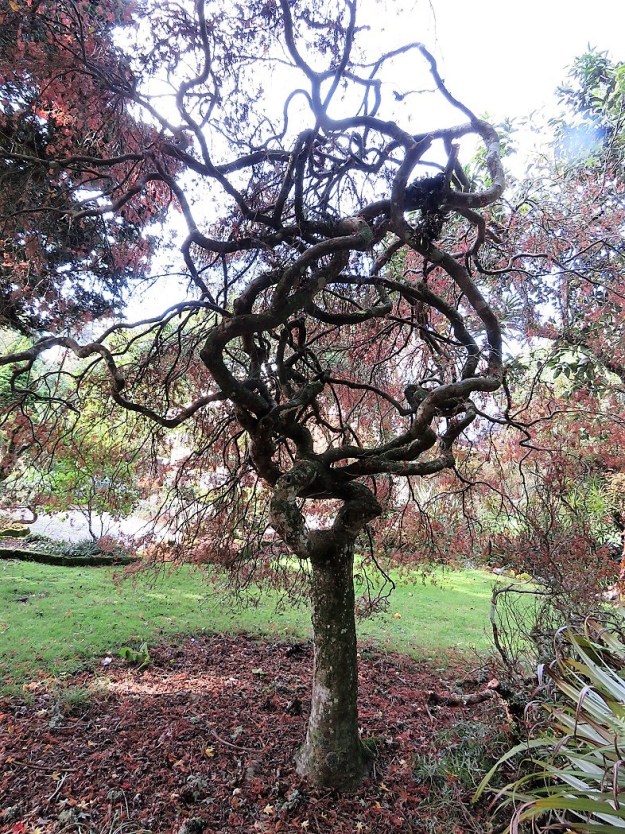

 Tikorangi The Jury Garden