
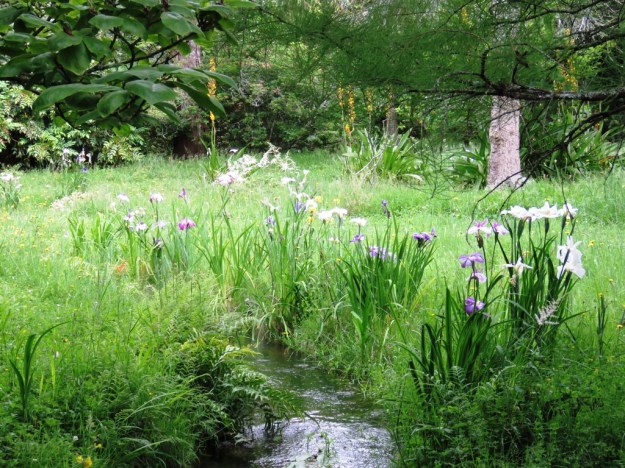
 A water meadow! I was delighted at the sight in our park this afternoon. We stopped regular mowing of our park two years ago when we first closed our garden to the public. We were keen to see how far we could push the meadow effect in our climate and also concerned at our heavy dependence on internal combustion engines to maintain the garden. Long grass and flowers are far more ecologically friendly than mown grass.
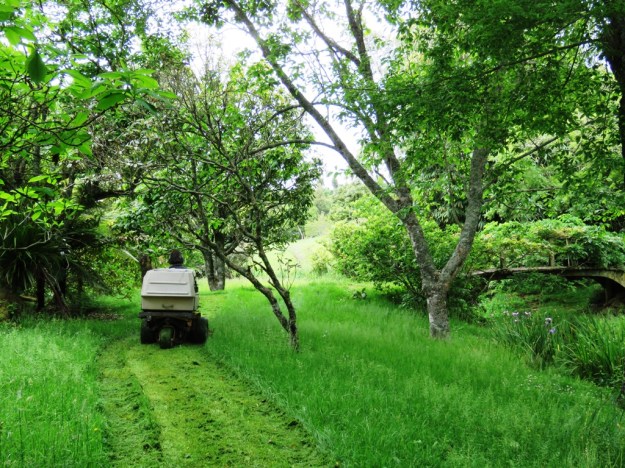 Mark took note of my request that we mow double width paths through the grass this year. A single mower width looked a bit mean to my eyes. I commented to him earlier this week that my only worry was the abundance of buttercup that we now have. He wryly pointed out that it has always been that way. His childhood memories are of the yellow buttercups and dandelions and white daisies throughout the park. We have just returned to that, though not to grazing with sheep.
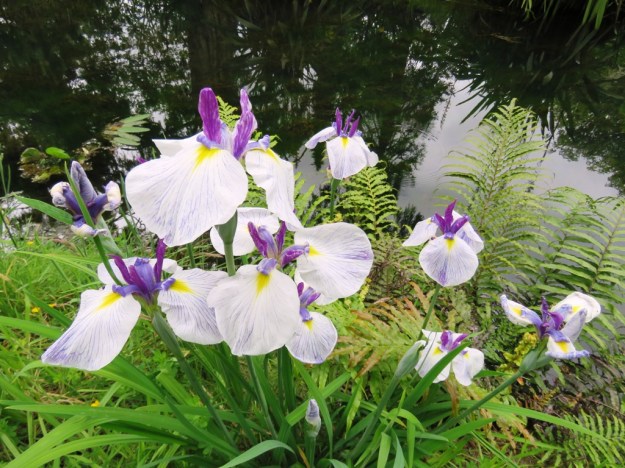
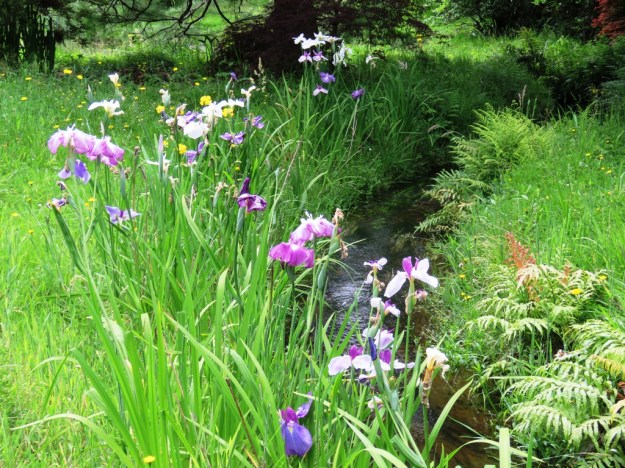
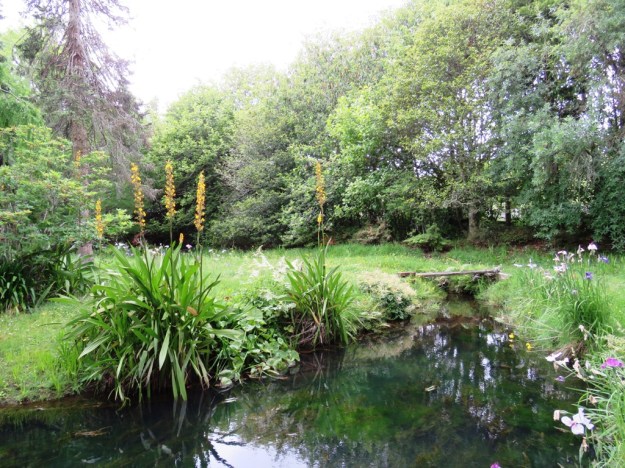 The higo irises are delightful. They started flowering in the second half of November and are still putting up plenty of blooms a good month later. Generally they flower in succession down the stem. The tall yellow spires are Wachendorfia thyrsifolia – a perennial plant for boggy conditions that needs quite a bit of space. And a willingness to accept that some plants are just not designed to be tidy, neat little things.
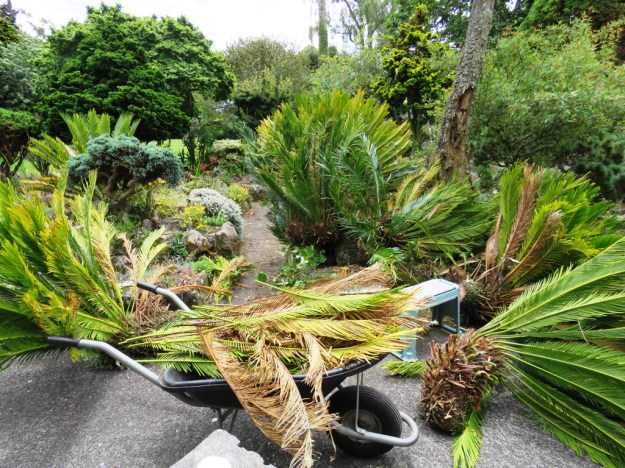 Before the thunder storm hit this afternoon, the sheer size of the Cycas revoluta finally got to me. It had become far too large for the rockery and was encroaching ever more onto both the narrow paths of the rockery and our adjacent outdoor dining area. I have removed A Lot but there is still a substantial plant remaining. The pups (some are more like overgrown wolfhounds than pups in size!) should grow but I will leave that up to Mark. As far as I understand, his technique is largely comprised of cutting off all the leaves and leaving the pups in some hospitable, shady area to push out fresh growth including roots – a very slow process.
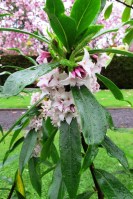 News from Australia that Mark’s new Daphne Perfume Princess has been shortlisted as one of only two contenders for the Plant of the Year. That is a meteoric rise and vote of confidence for a new release. We have to wait until February before the winner gets announced, but it is pretty encouraging. We are quite proud of this particular plant and have high hopes for it. It was delightful to see a native tui coming in every day to feed from it in winter. Daphnes are not renowned as sources of nectar for birds.
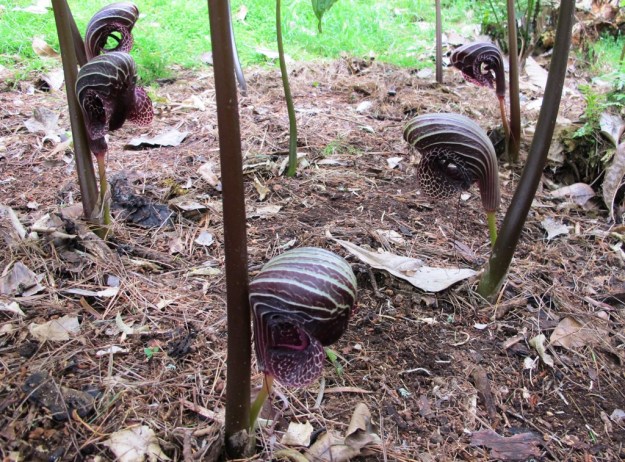
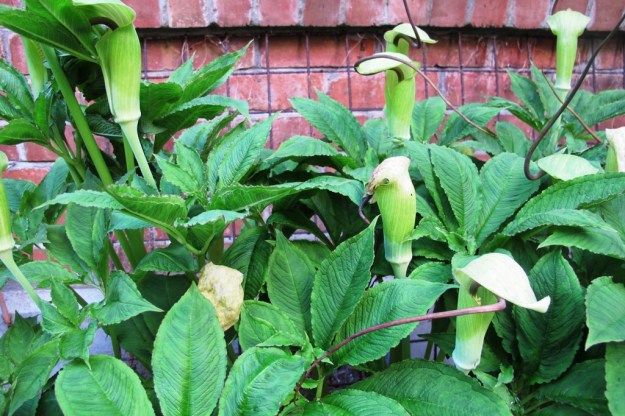
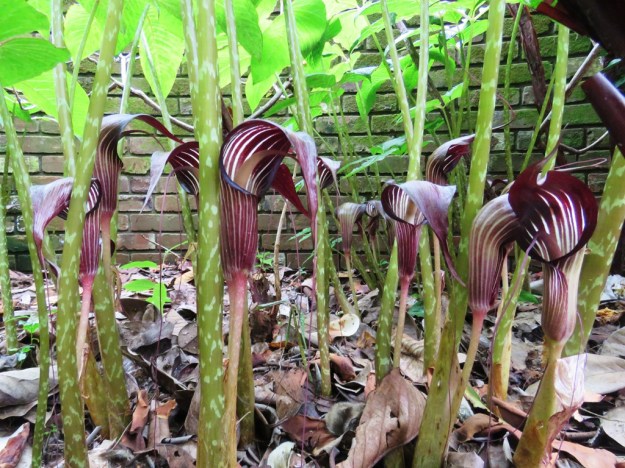
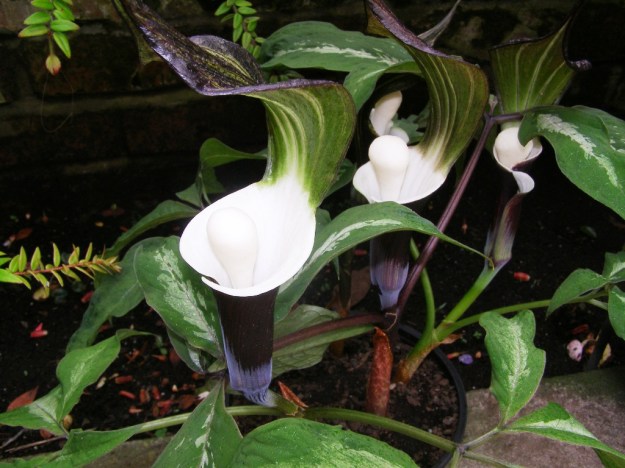
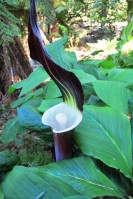 And then there are the tricksy ones, few more so than the Japanese A. sikokianum with its phallic spadix and hooded spathe rising prominently above the foliage. It is a show stopper in spring, though definitely curious rather than beautiful. After many years of growing it, I can tell you that it is difficult. We have never seen it increase from the corm. Growing well, it will set seed but these need to be raised in controlled conditions because it will not seed down naturally here. Even then, the patches tend to get smaller with time, rather than larger. It was for this reason that Mark experimented with hybridising it, to try and get increased vigour. This is known as hybrid vigour, in a similar way that the controlled breeding of designer dogs can make the offspring a stronger genetic strain than the highly refined parentage of pure breds. It has worked for us. The offspring carry all the best characteristics of A. sikokianum but they grow more strongly and are reliable as garden plants. Few would pick the difference to the lead species, but we know they are actually hybrids.

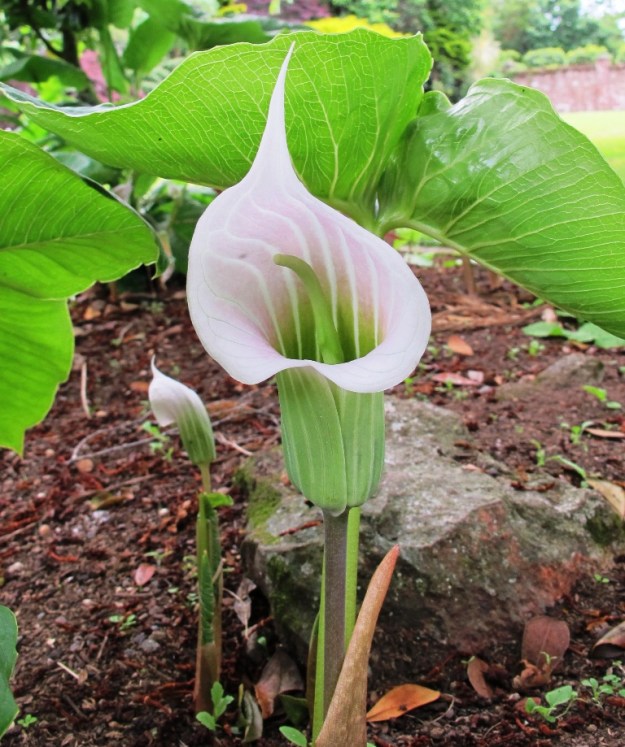
 First published in the December issue of NZ Gardener and reprinted here with their permission.
 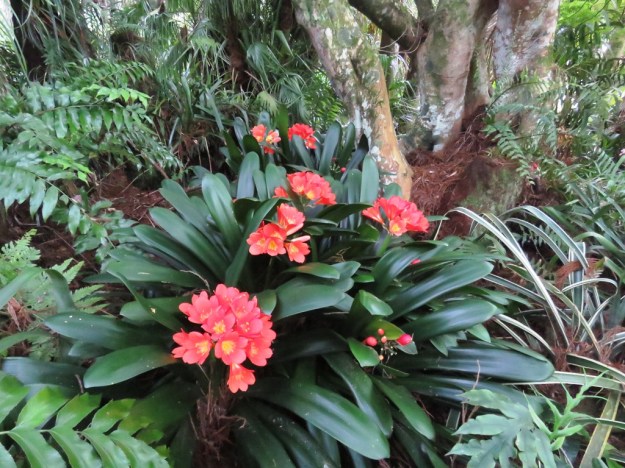 Clivias sure do light up a dark spot at this time of the year, for those of us who live in climates where they grow. This is not a family that will take much at all in the way of frost, though their preference for shaded, woodland conditions gives some protection against cold.
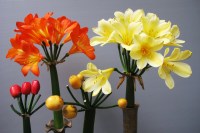
 I headed out with my flower basket to gather a single flower from a range of plants around the garden, feeling a little as if I was doing a geriatric Milly-Molly-Mandy impersonation. Given that ours are almost all seedlings, I was a little surprised at how consistent the flowers are when I started sorting them by colour. The variations are… subtle, shall we say?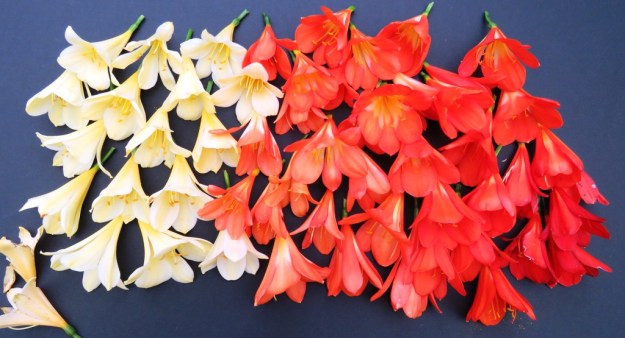
 To the right, we have the ones that age to red. Do not be like the novice gardener I heard of who ordered a swag of expensive red clivia for a mass planting in her ‘designed’ garden. They opened orange, so she dug them all back up again, complained and wanted them replaced. We have not seen clivia that actually open to pure red – some age to red.
 On the left, very battered by bad weather, are a couple of examples of blooms heading to what are called the peach tones. Like many other clivia enthusiasts, Mark has been playing around crossing different plants to try and extend the colour range and the peachy ones are certainly different to the yellows which are the comparator. We have yet to acquire any of the green throated clivia which would add a worthwhile variant.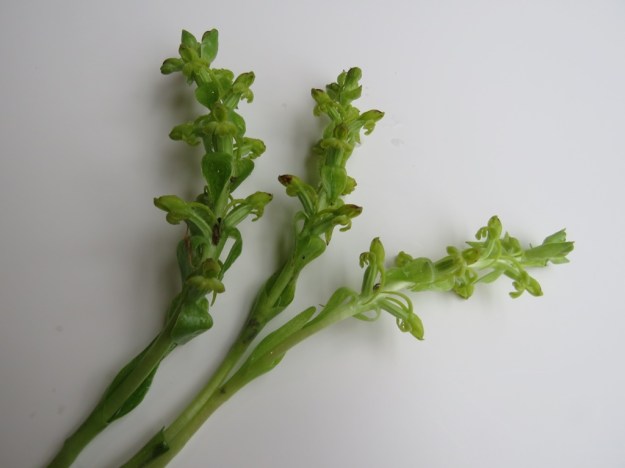
 Earlier articles include a step by step guide to
  Starting with a small brag photo: michelias used to be white, in the main. At least the hardier varieties are generally white. Sure the tropical M. champaca is orange and
 Glaucina is our stand-out blue, and we once gathered as many different blues as we could. It is variable in colour and somewhat frost tender, but it does at least stay within the blue spectrum (some of the other alleged blues faded out to cream or very pastelle mauve) and it increases well for us.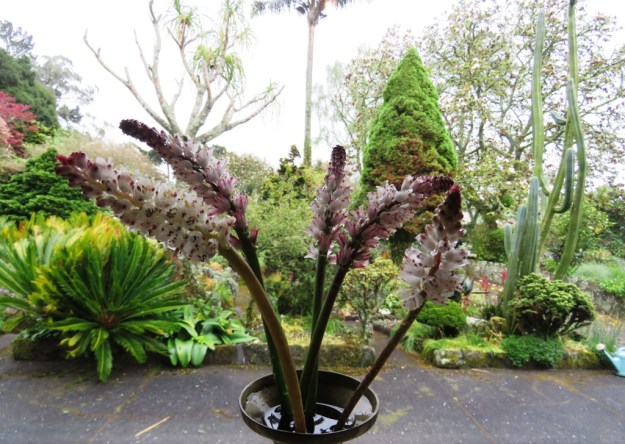



 I mentioned the
 Tikorangi The Jury Garden