
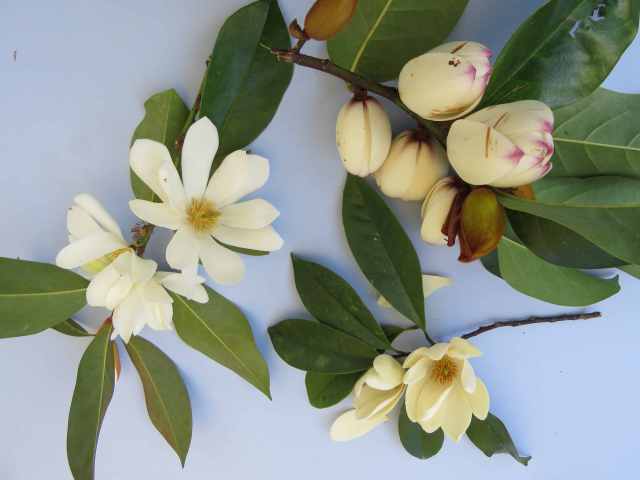
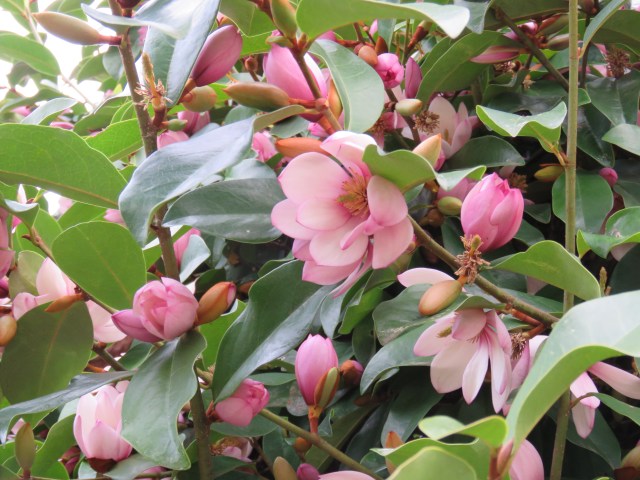
In the early stages of the magnolia season, our display is dominated by red deciduous magnolias and white michelias. The other colours come later in the season and that is particularly true of the michelias, where we now have significant variations.
Michelias are now classified as a subsection of magnolias and technically are named Magnolia xxxx but we still find it helpful to refer to them as michelias for clarity. They are, of course, evergreen but not with the big leathery leaves of the American Magnolia grandiflora types.

It was finding M. ‘Bubbles’ in bloom with flowers at a height I could pick that started me lining them up. Back in their day, ‘Bubbles’ and its sister seedling ‘Mixed Up Miss’ were breakthroughs in the world of michelias. There is a third named one in that set but I have only ever seen ‘Hint of Pink’ in Auckland Regional Botanic Gardens. They were the work of the very late Os Blumhardt – a notable plant breeder who lived in Whangarei and is probably best known internationally for his successful deciduous Magnolia ‘Starwars’.
He didn’t raise many michelia seedlings, as far as we know just the one batch. I see we first started selling ‘Bubbles’ and ‘Mixed Up Miss’ around 1992 and we would have been onto them pretty early because Os was a personal friend and very generous with his plant material. He probably did the cross in the late 1970s, maybe early 1980s and he provided the inspiration to Mark to see what he could do with this plant family.

In their day, they were terrific. ‘Bubbles’ was harder to propagate from cutting and had larger flowers and foliage. ‘Mixed Up Miss’ was the perfect nursery plant – easy to propagate, set flower buds on a young plant and looked extremely attractive and neat standing about a metre high in its pot. It has smaller flowers with slightly more colour but there isn’t a lot in it.
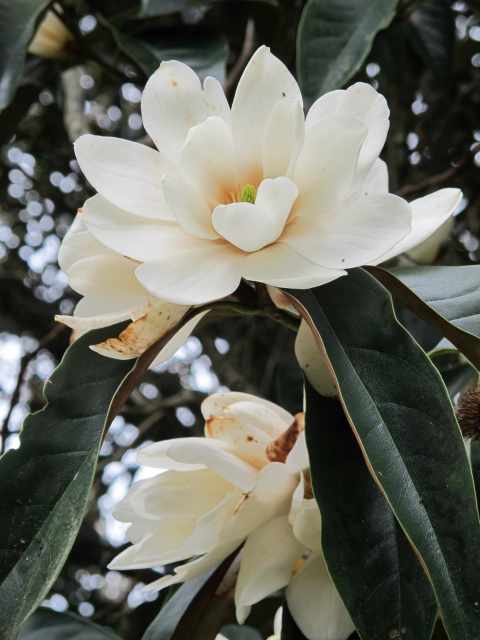
Os was doing this work before M. laevifolia (formerly known as M. yunnanensis but more widely marketed under a plethora of names including ‘Honey and Cream’) was even in the country. He used two of the common species that were here – M. doltsopa and M. figo. In the world of magnolias, this particular cross is referred to as x foggii (after American breeder John Fogg who is credited with the first hybrids from this cross in 1972).

M. doltsopa is a variable species. I only have photographs of our specimen which is spectacular and takes up an area of space roughly equivalent to a small, urban apartment block. They are not all as huge as that but they do have large flowers.

M. figo will be better known to many readers. It is smaller growing and sold widely, particularly favoured in warmer areas. Its flowers are verging on insignificant to the point where I have never bothered photographing them so I had to grab an image from Wiki Commons. It is a handy, evergreen plant that you can keep compact by pruning often, although its foliage turns rather yellow in full sun. It is mostly grown for its strong fragrance which has always reminded me of Bubblegum chewing gum so loathed by my mother. It only gets fragrant in the late afternoons and evenings, though.


These new hybrids of Os’s were a breakthrough in terms of more user-friendly garden plants. Alas, some plants get significantly more spectacular with age but others don’t. And on a property with literally hundreds of white michelias from Mark’s breeding programme, you would not look twice at our specimens of ‘Mixed Up Miss’ and ‘Bubbles’. Picking flowers of ‘Mixed Up Miss’ defeated me because I would have to carry a ladder to the farthest reaches of our park where it is now very tall and leggy. You could keep them more compact and bushy by frequent pruning if you are in a smaller garden but the following generations of hybrids are a significant improvement.
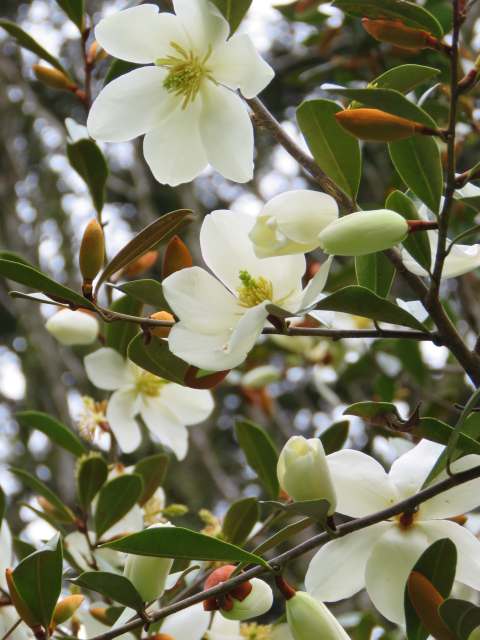
Mark has used both ‘Bubbles’ and, more often, ‘Mixed Up Miss’ extensively in his breeding but he also had the huge advantage of being able to add in M. laevifolia. While he has tried a few of the other species michelias we have in this country, it is line breeding with those early x foggii hybrids (so doltsopa and figo) with laevifolia that has given the huge range in flower colour and growth habit that he has reached in his later generations of michelia hybrids. The first three releases are all under the brand of Fairy Magnolia (White, Cream and Blush) and are now widely available here and overseas.

None of the later selections are on the market yet although there are three coloured ones being built up for release and there will likely be another three to follow at some stage when we have made the final selections. It is not a quick process so don’t hold your breath.





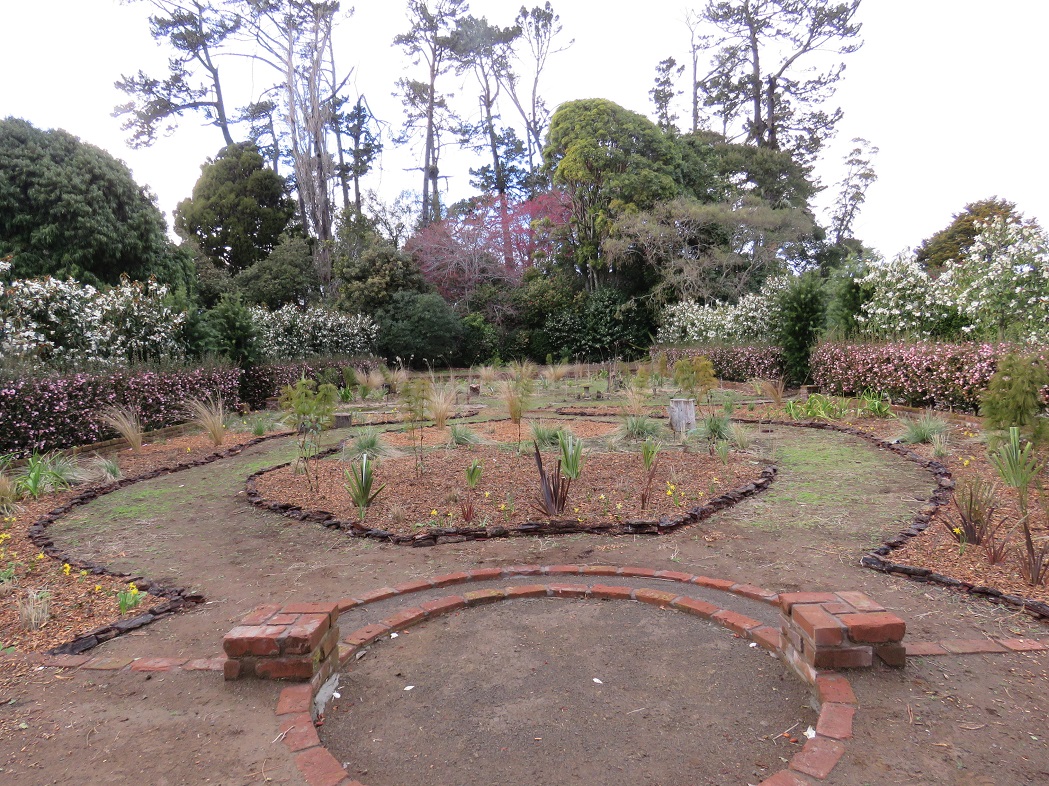
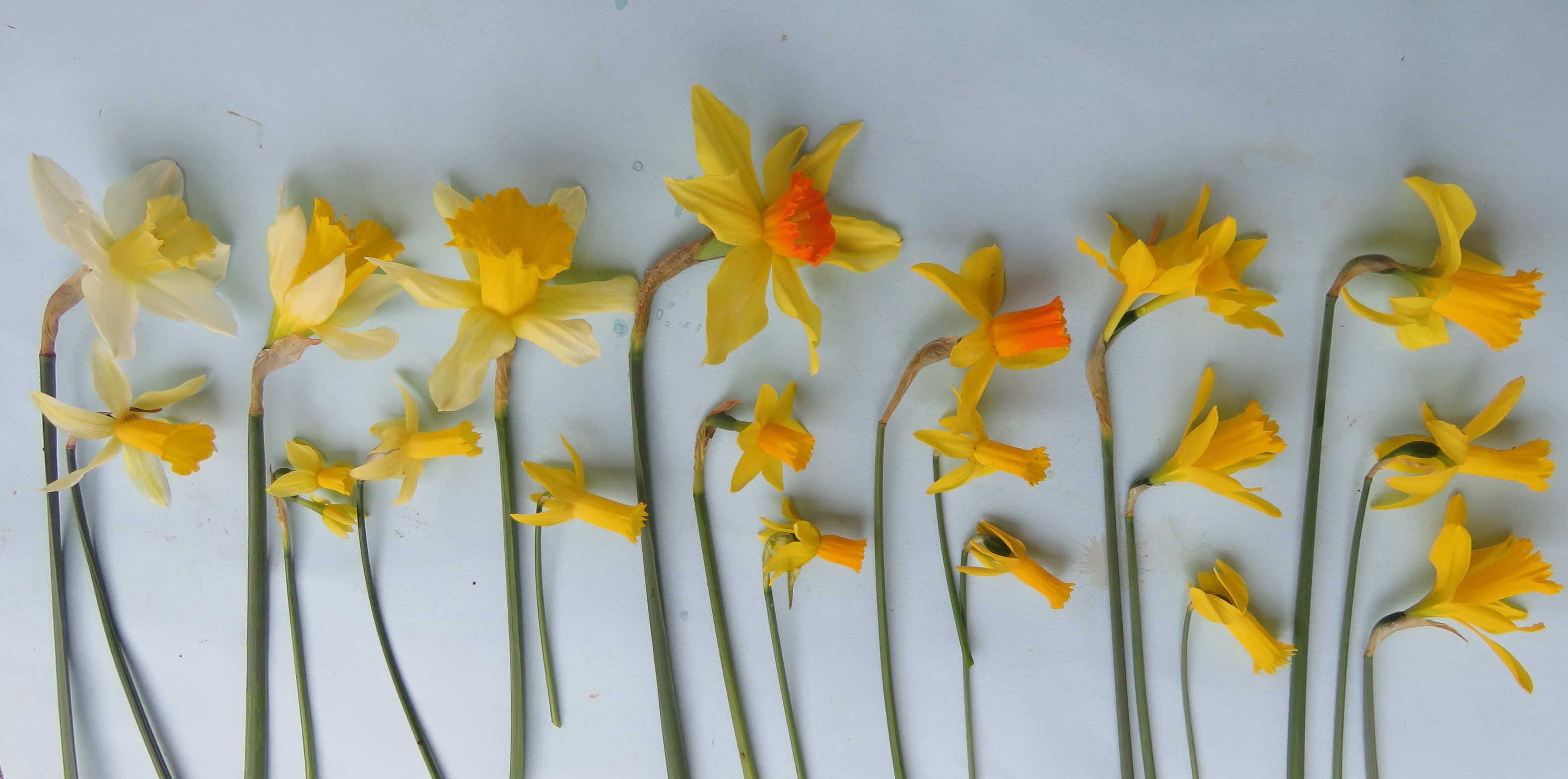 The snowdrop season is all but over already. It is charming but brief. The narcissi, however, have a longer season, at least in part because we can grow a much wider range of species and hybrids. Yesterday felt like a winter’s day – the last gasp of winter, I hope – so I headed out to pick one each of the many different varieties in flower. We don’t grow many of the larger ones at all, preferring the charm of the littlies, the dwarf ones. Bigger may be better when it comes to magnolias – at least in our eyes – but daintiness wins with the narcissi. Most of these are named varieties though Mark is also raising cyclamineus seedlings to build up numbers for planting out and to get some seedling variation within them. The cyclamineus are the ones where the petal skirt sweeps back, sometimes completely reflexed, giving them a slightly startled appearance. He was intending to plant many of these down in the park but hadn’t got around to it so offered them to me for the new grass garden.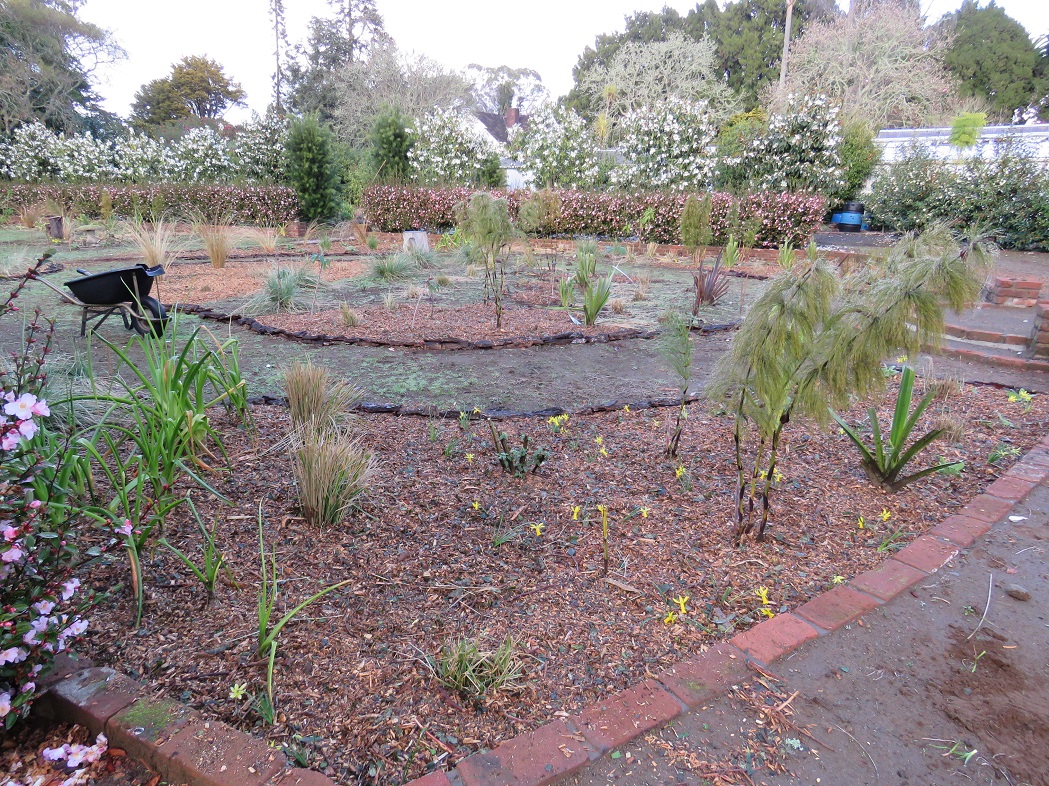



 Tikorangi The Jury Garden