Tag Archives: Taranaki gardens

Tikorangi Notes: Friday, April 1, 2011

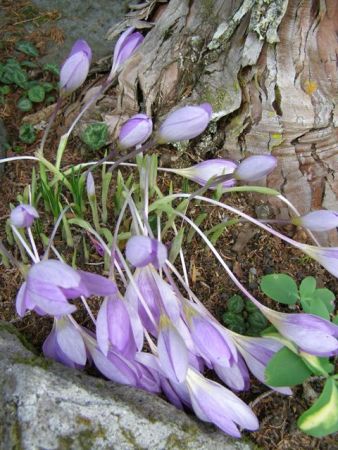
The blue autumn crocus - a fleeting seasonal delight

The blue autumn crocus - a fleeting seasonal delight

Nerines flowering in the rockery

Nerines flowering in the rockery

Latest posts:
1) Camellia sinensis is grown for harvesting, not for its floral display though its little pink flowers are charming if you look closely. The tea camellia in Plant Collector this week.

2) Garden tasks this week as we enter the second month of autumn.

3) Fifty Plants that Changed the Course of History – book review.

4) Outdoor Classroom this week looks at options for garden mulches in the first of a two part series. I was a little surprised to find that the dreaded scoria is still available.

Latest posts: While early spring is widely seen as the prime season for bulbs, autumn can be pretty rewarding too. The nerines are currently at their peak, the Moraea polystachya, zephyranthes and Spiloxene alba have particularly long flowering seasons, the Cyclamen hederafolium create carpets of pink and white, while the autumn crocus, colchicums and sternbergia are more fleeting delights. April heralds the start of our off season when we say the garden is closed, except by appointment. Mark stood in the rockery today, wondering why we advertise such an early closing date when there is still so much colour and interest.

In the Garden: Friday 1 April, 2011

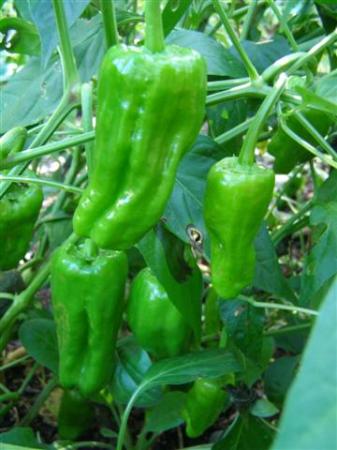
A game of chance with the pepper crop this year

A game of chance with the pepper crop this year

• The capsicum crop this year has been causing me problems. Peperone Padron is apparently a Spanish heirloom variety, renowned for the fact that it bears both mild and hot peppers but you can not tell the difference until you eat them. The seed packet proudly proclaims that eating a portion is popularly linked to Russian roulette. I prefer a little more predictability in the harvest so we may be more conservative with next year’s varieties.

• The spring bulbs are bolting into growth so if you have patches you have been meaning to dig and divide, do them this weekend and handle them gently. You have longer if you are buying dry bulbs which are still available at all garden outlets.

• We should still have at least five weeks of very mild weather, albeit with cooler nights, before the threat of frosts in inland areas and the first blasts of winter chill. So it is perfect planting time for trees and shrubs.

• The mild conditions are also the reason why right now is a good time to do an autumn fertilising round. The plants have time to benefit from the feed before they either go dormant or slow dramatically in growth over winter.

• Sow new lawns and over sow bare patches now. The grass has time to germinate and get some roots out before winter.

• Don’t walk away from the vegetable garden after you harvest the autumn crops, even if you are not intending to replant until springtime. It is time to do a big tidy and clean up. Remove blighted and mildewed plants entirely from the site to try and break the cycle. You don’t want the fungi and diseases wintering over in your patch. If you are going to dispose of them by burying them, don’t do it in your vegetable garden and only compost them if you make a hot mix. It is also good practice to rake up the leaves from fruit trees as they fall. You can help break the cycle of pests and diseases by good hygiene.

• With cooler nights, mice will be moving indoors. If you are storing seed, move the packets to rodent proof containers.

Tikorangi notes: Friday 25 March, 2010

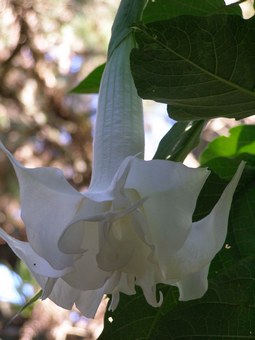
Double white brugmansia in flower this week

Double white brugmansia in flower this week

Latest posts: Friday 25 March, 2011

1) The frilly, double white brugmansia in Plant Collector this week.
2) Family bonding and the world of Canberra gardening and landscape – Abbie’s column predominantly on the topic of the new National Arboretum of Australia.
3) It is autumn and the earliest camellias are opening their flowers. Garden tasks for this week.
4) Bromeliads for the Contemporary Garden – a review of the new edition of Andrew Steens’ book.

Tikorangi Notes: Friday, March 18, 2011

The watermelon catfish

The watermelon catfish

Why I am still married to the same man after nearly four decades – who else would leave vegetable and fruit creations on the kitchen bench to amuse me?


Not a common sight in the rural area of Tikorangi - Rango in performance in our garden

Not a common sight in the rural area of Tikorangi - Rango in performance in our garden

Latest posts:
1) Frangipani in Plant Collector this week – but not, alas, in our garden here yet.
2) Garden tasks this week, including our method of preparing tomatoes for the freezer.
3) Outdoor Classroom – replanting the strawberry patch using runners.
4) Castanospermum australe – a mission which required the extension ladder – in Plant Collector last week.
5) Woodland gardening in Abbie’s column last week.
6) Garden tasks for early autumn last week including crop rotation, lawns, hedges and fertilising.
7) Does credibility and reputation count for nothing these days, or does Penguin NZ think we have short memories?

Members of Rango in our carpark area

Members of Rango in our carpark area

Tikorangi Notes
A taste of WOMAD came to Tikorangi. Generally we do not embrace the functions market (I met Bridezilla and it made me decide that we are not so desperate that we need to offer a venue for garden weddings) but the opportunity to host Sudanese Egyptian group, Rango, in performance with school children from our local country school was a different proposition altogether.

Alas it rained, especially as people arrived for the luncheon

Alas it rained, especially as people arrived for the luncheon

After a week of fantastic weather, we felt the event manager may have been overly cautious in deciding to erect a marquee just in case, but as we woke to rain which became torrential during the luncheon for invited guests, we were greatly relieved to have additional covered areas. Nobody even looked around the garden which we had prepared in readiness, but the vibrancy and fun of the percussive rhythms of Rango made that irrelevant.

In the Garden this week: March 18, 2011

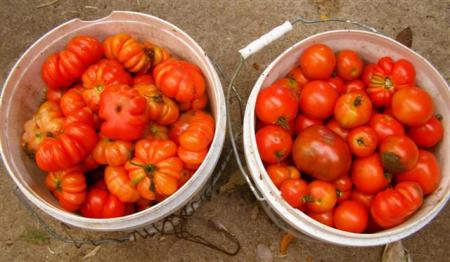
Freezing surplus tomatoes

Freezing surplus tomatoes

• Now that the heat of summer has passed and we are getting into autumn, you can be thinking about planting woody trees and shrubs. Novice gardeners get inspired in spring but more experienced gardeners know that mid autumn is an optimum planting time. It gives plants a chance to get their roots established before the spring flush and the threat of a dry summer. Hedges, specimen trees, avenues and orchards – start frequenting your favourite garden centres to see what they have available. There is no rush. You are better to plant when we have had a few days of good rain and there is a six to eight week spell of good autumn planting weather.

• Garden centres are advertising spring bulbs. Remember when planting bulbs that most do not need super rich soils. Good drainage is the critical aspect so they don’t rot out when dormant. Light, friable soils are more hospitable than great clods of dirt but lay off the fertilisers. Digging in some leaf mulch or a little compost is all that most bulbs require. In the wild, many bulbs have evolved to survive in quite difficult conditions and mollycoddling can result in too much leafy growth to the detriment of flowers.

• You can do autumn cuttings of plants like fuchsias, pelargoniums, vireya rhododendrons and perennials which don’t clump so need to be increased by cuttings – dianthus (pinks), oenothera (evening primrose), erysimum (wallflowers) and the like. These types of plants root easily and don’t generally need rooting hormone. Use firm wood from this season’s growth and reduce the leaves by about half to stop the cutting drying out too quickly.

• You have pretty much missed the boat now on sowing root crops for winter because they need a longer growing season. If you have space, you could try carrots but they will only make baby grade. However, you are fine to continue planting brassicas, Florence fennel (finocchio), peas, winter spinach, winter lettuce and quick maturing Asian greens.

• If you have an abundance of tomatoes, we have found the easiest way yet to prepare them for freezing. Wash them, cut out any damaged bits and the central stem area. Pile them into big roasting dishes and bake in the oven until cooked. Cool. Drain off the clear liquid (tasty as juice or frozen for soups). Pull off the skins which are now very loose. Freeze in small containers. They become concentrated and ideal for using later in the year.

• As long as you can get a hosepipe within reach, it should safe to sow new lawns after the next good rain.