

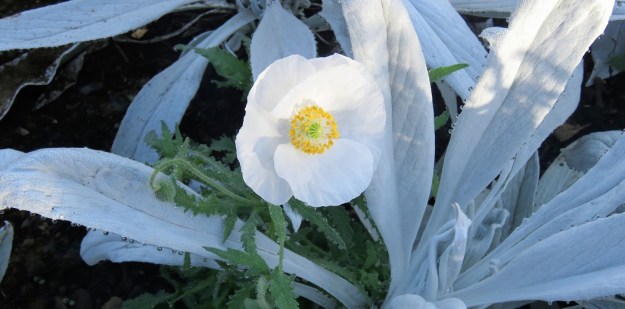
Here in Aotearoa New Zealand, we don’t ever do traditional white Christmases. This is on account of us being in summer and currently two days past the summer solstice. It is a very different experience here in the south of the southern hemisphere. I was surprised when I looked around over the last week by quite how many white flowers we have in bloom at this time.

I felt my all white flower lay was not really festive enough for the day before Christmas so I added just a touch of red. Meri Kirihimete, as many (but not all) of us now say in Aotearoa. May your festive season be full of love and laughs, or at least tranquillity.
I have never wanted a white garden myself, but I have looked at them and thought about them in the past. It was UK designer and gardener, Dan Pearson who made me think about the different shades of white which is a very important consideration if any readers are contemplating planting one. Not all whites are the same, not at all. And I wrote about more contemporary approaches to white gardens after our 2017 visit to Italy, France and the UK. Garden styles have evolved since Vita Sackville-West put in her famous white garden at Sissinghurst.
Meantime, please join me on a foray around parts of our summer gardens this week.
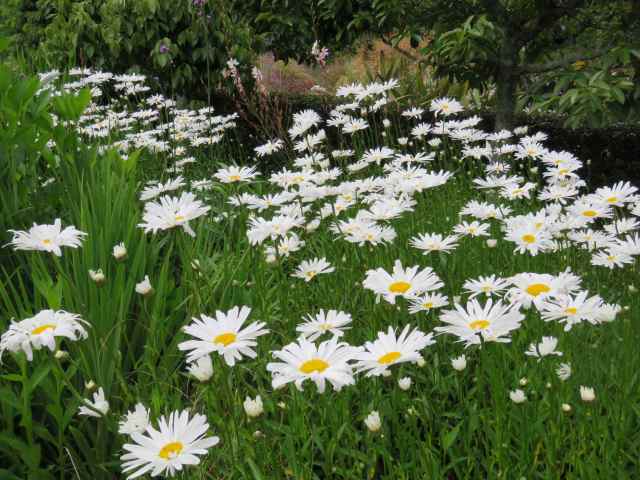
There is something very charming in the simplicity of a carpet of white daisies seemingly suspended in the air in the twin borders. Alas these ones only bloom the once and then need to be cut back to the ground level rosettes but they are showy enough for me to forgive them.

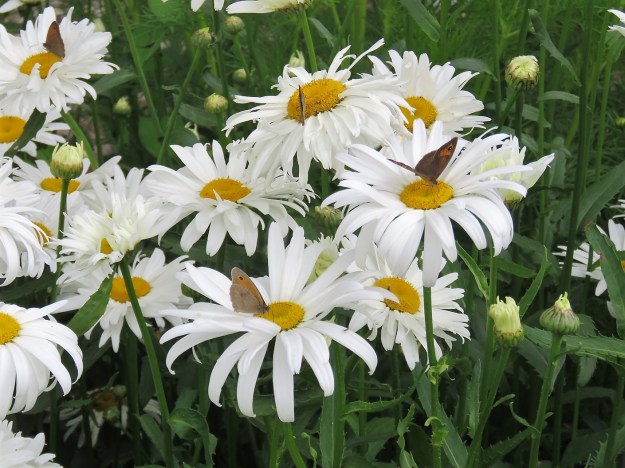
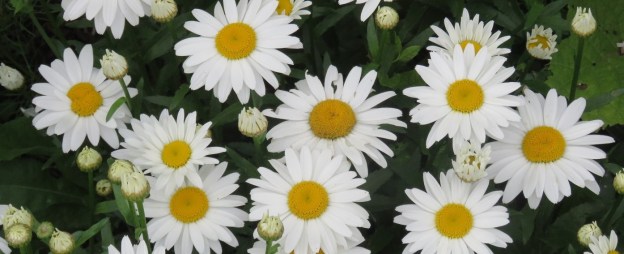
The common ox-eye daisies, however, are lighting up the Court Garden. Soon we will cut them back hard and they will be in full bloom again in six weeks.
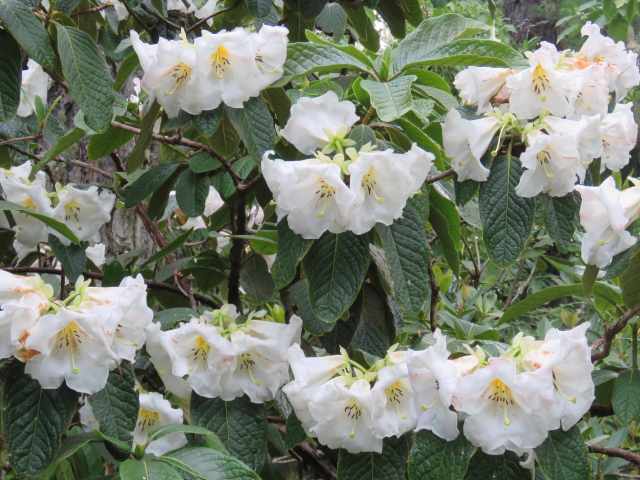
Rhododendron sino nuttallii was still in full bloom at the start of last week. My favourite rhododendron of all, it flowers late in the season and the only drawback is that warm weather can cut its flowering season short.
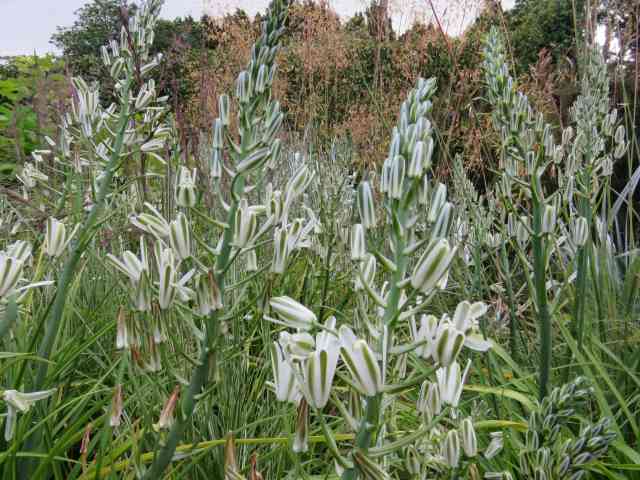
Albuca nelsonii is inclined to be large, sometimes unwieldly and in need of some targeted staking, but it is very showy and handsome and the flowers are perfect for adding to Christmas bouquets.
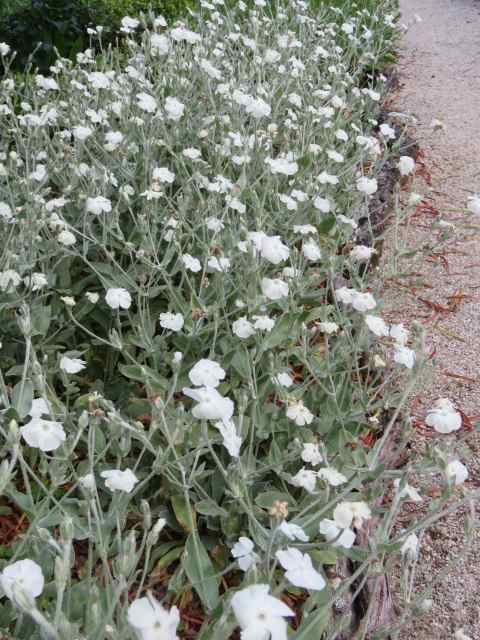
Lychnis coronaria would be a perfect choice for a white and grey garden. We just let it seed down gently in the Wave Garden. I can’t believe I have lost the shocking pink form – I thought it was indestructible.
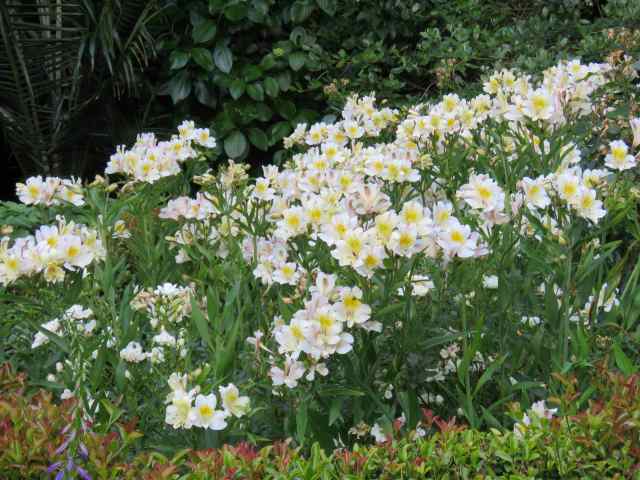
Alstromerias in white with a sunny yellow throat – but they are probably not white enough for white garden enthusiasts?

Spring was surprisingly late this year, considering our winter was mild, and the lateness of the season has also affected the lilies. Usually, I can pick Lilium regale for Christmas but they have yet to open. The only lily currently in bloom is this compact one in the rockery and I don’t even know what it is. Beautiful flowers, but alas it has no scent.
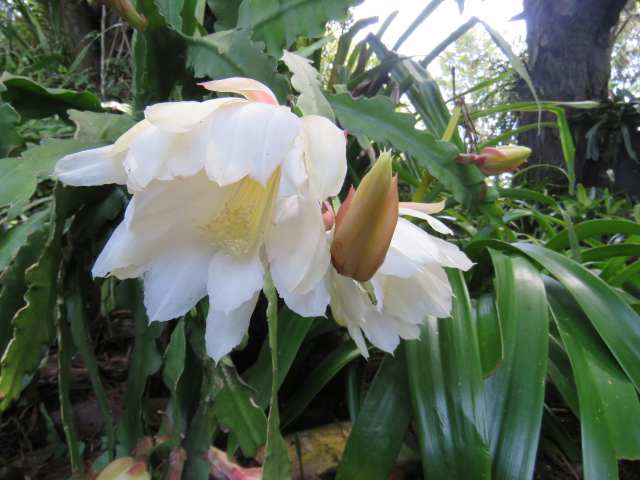
Finally, I know next to nothing about cacti and succulents and I have no plans to remedy that gap in my knowledge. As a group of plants, they do not inspire me enough to put the effort in but this one in the Rimu Walk delighted me this week. I don’t think I have ever seen it flower before but maybe I just haven’t looked at the right time. Flowering in subtropical woodland, it lit up the area.
Meri Kirihimete one and all.
Kindest regards,
Abbie

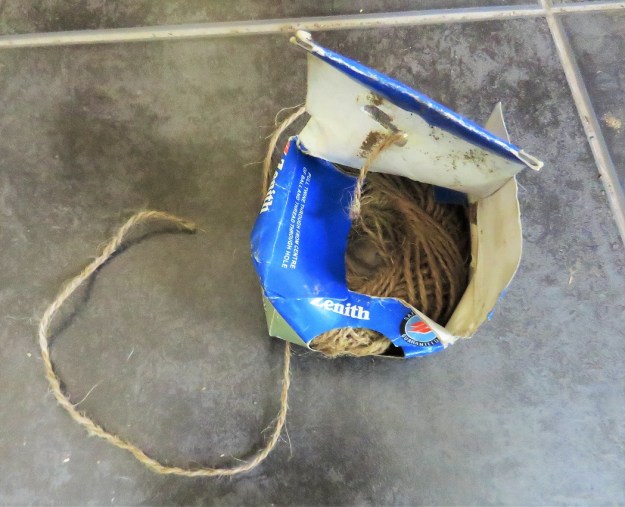 In terms of unobtrusive tying, I have now gone to old fashioned jute string which is apparently still on the market though I have yet to find who is selling it. I shall go looking and stock up because it is one of those traditional products that can suddenly disappear. I have tried many tying options, including black twine (but it was synthetic), nursery tying tape (black plastic) and stockinette ties in muted hues. The jute twine is easy to use as long as you are tying loosely, so unobtrusive it is near invisible and it is a natural product. This means that when it comes to de-staking plants later in the season (I am currently staking some of the lilies), it doesn’t matter if the ties fall to the ground to gently decompose. That is my practical hint of the week. Find some jute twine. We have been horrified at the amount of plastic that has turned up in birds’ nests. Maybe they will find the jute twine instead.
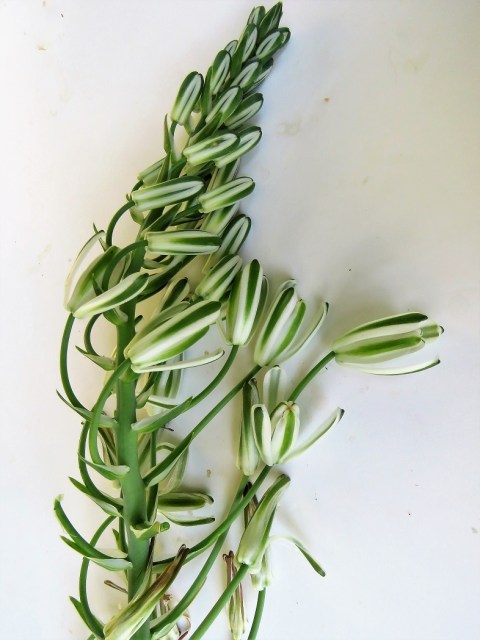 Finally, on the topic of green and white, can any knowledgeable gardener confirm with authority that this is an albuca and put a species name on it? Huge bulbs, as large as any I have seen, which like to sit half out of the ground and flower spikes up to a metre and half tall. The albuca family is a large one that I am having trouble disentangling, especially as we have thought for many years that this plant was in fact an ornithogalum. I am not sure where we got that idea from.
 I have only seen the white garden at Sissinghurst once and, to be honest, it did not inspire me at the time. I need to go and have a second look but certainly leading English landscape designer, Dan Pearson’s comments on white gardens in general and Sissinghurst in particular, rang true for me. “Too many whites together in one space”, he wrote. Vita Sackville West called it her ‘grey, green and white garden’. Maybe over the years, more attention had been given to the white flowers at the expense of grey and green tones? Or maybe it was just the sheer size of it and the tight constraint of all those neatly clipped hedges and edgers that did not inspire me. And the memories of all the customers I met in the trendy nineties, mostly of the Ladies Who Lunch brigade, buying plants for their white gardens. There must have been an awful lot of such gardens going into aspirational New Zealand real estate back then.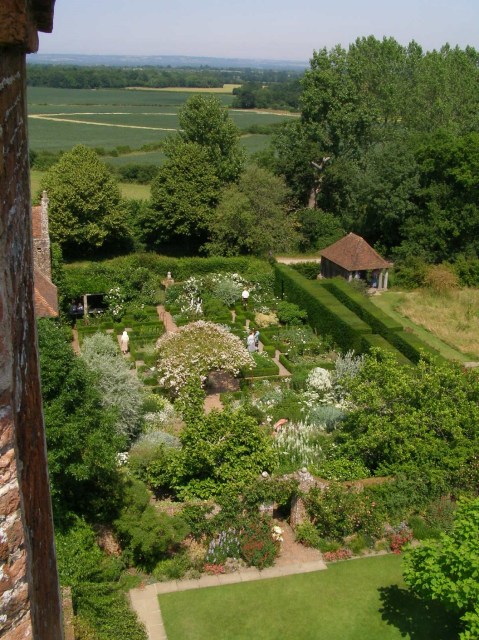
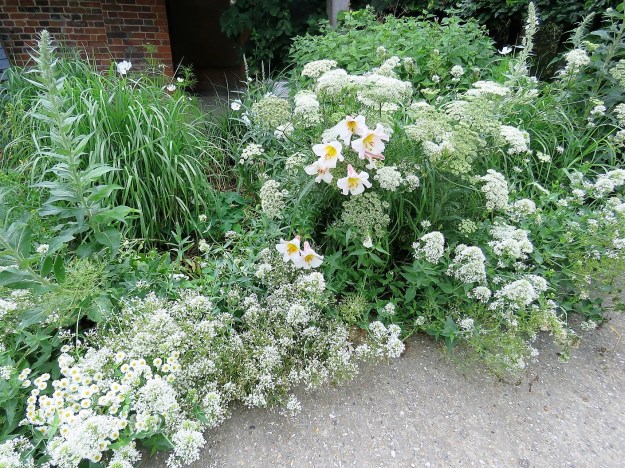
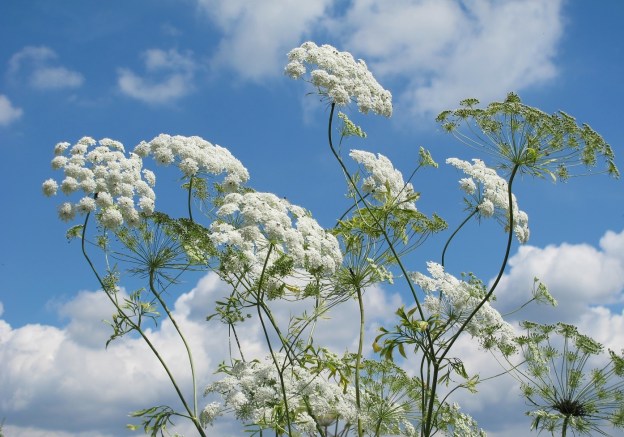
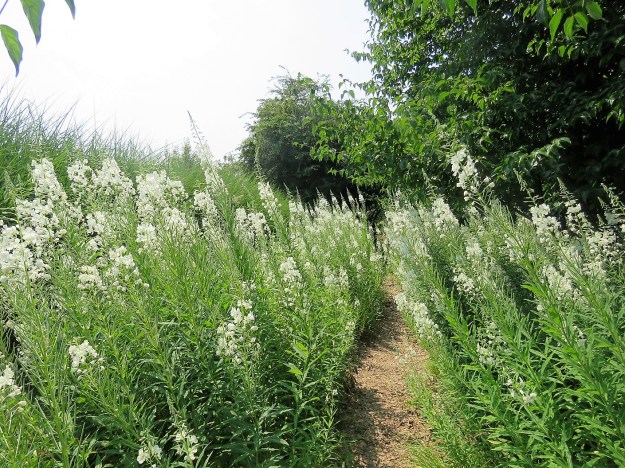 The white avenue of Epilobium angustifolium ‘Album’ at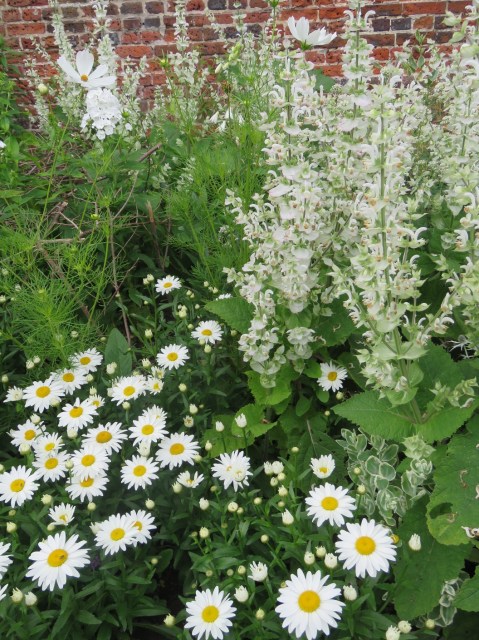
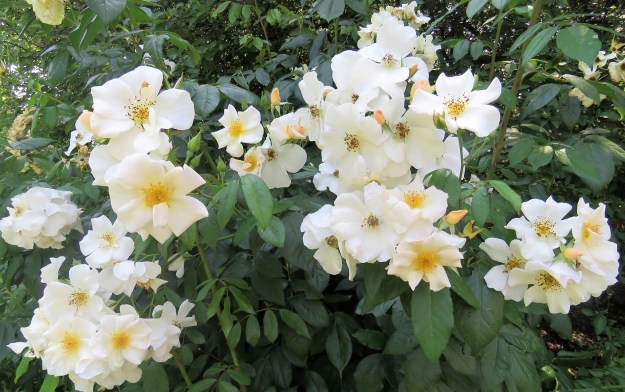
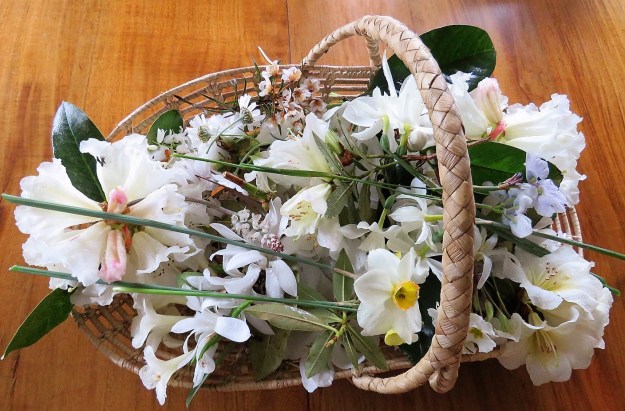 I have been drafting a piece about contemporary white gardens for a publication, so my mind has been on white blooms. Yesterday, in the post-election hiatus and the gloom of a wet, grey day, I headed round the garden with my vintage flower basket to pick a selection of white and largely white flowers.
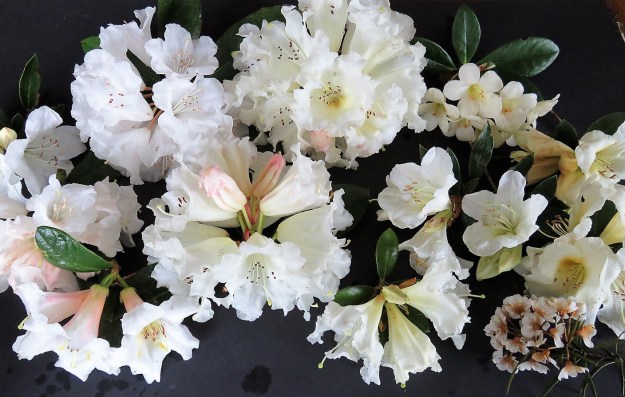 Ringing in my ears were Dan Pearson’s words above, even though I had read them so really they should have been flashing in front of my eyes – visible rather than audible, so to speak. I had not really got my head around the different shades of white before. Neither, I am sure, had the many women whom we used to describe as being of the Remuera genre back in the 1990s, but who would be known as “ladies who lunch” these days. These were the ones who were hellbent on putting in a white garden, à la Sissinghurst. They were numerous and, in our peak retail days, we met a fair number of them. I recall some for whom white flushed pink was out of the question. Candidates for their white garden had to be pure in hue. White and nothing else. I wish I had the Pearson quote back then. There are many, many plants that open from a pink bud to a white bloom.
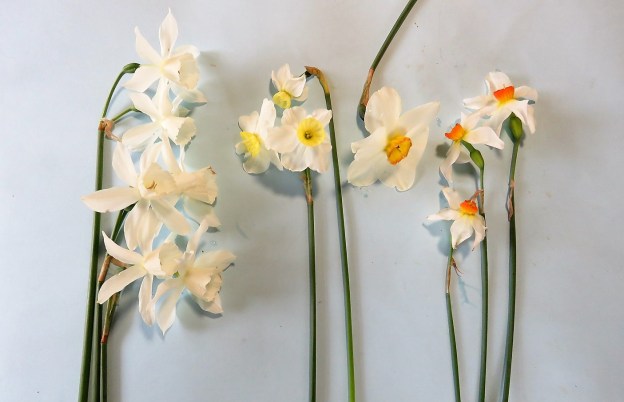 Is Narcissus ‘Thalia’ (on the left) acceptable in a white garden, though it is cream, not white? If ‘Thalia’ is acceptable, how about the narcissus with the pale lemon corona and white petals? And if that lemon corona is still okay, does this go across to ‘Beryl’ and other poeticus hybrids with white petals and small coronas which are somewhat stronger coloured and into the yellows and oranges? Where is the cut-off point? I tell you, this white garden business is fraught with problems and judgement calls.
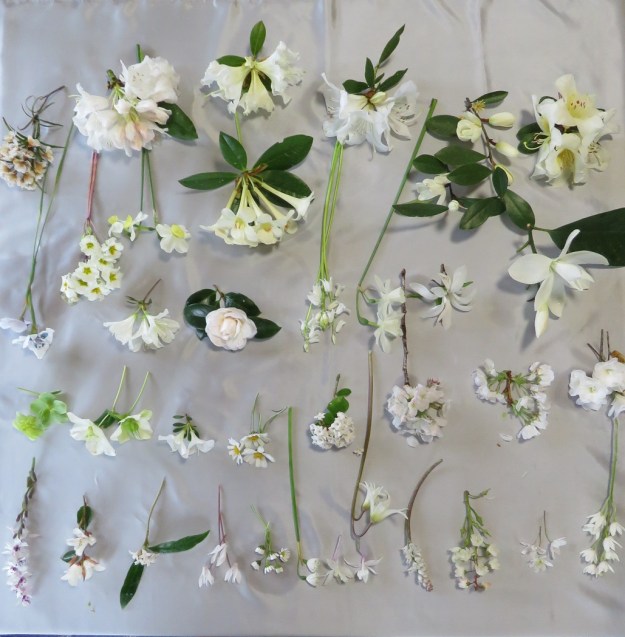 Are green flowers permissible? If so, why not the white Moraea villosa with blue peacock eye markings or Lachenalia contaminata or Onixotis triquetra which are white with maroon markings? If the latter two are not acceptable, does that rule out the white rhododendron with maroon spotting. Is it not sufficiently pure? Is it okay for a white rhododendron to open from a soft pink bud? No? How about a soft lemon bud or one with a green cast?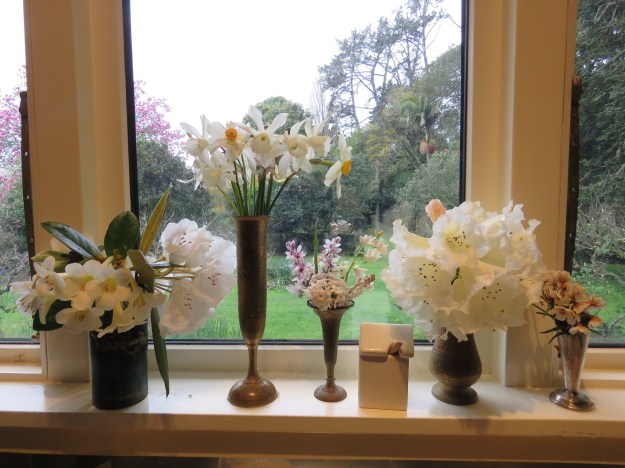
 Tikorangi The Jury Garden