Author Archives: Abbie Jury

Unknown's avatar

About Abbie Jury

jury.co.nz Tikorangi The Jury Garden Taranaki NZ

In the Garden this Week: May 20, 2011

Arguably the most critical copper spray of the year on citrus now

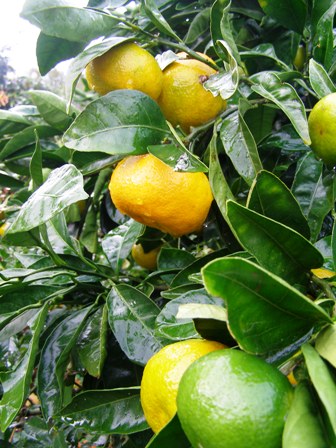
Arguably the most critical copper spray of the year on citrus now

• Get a copper spray on to citrus trees as soon as dry weather returns. This is a particularly important spray to stop fruit rotting on the trees before it even ripens and to stop leaf drop. Mandarins are particularly susceptible.

• Sow broad beans and you can continue planting the reliable brassicas (except Brussels sprouts – it is far too late for them. Your Brussels should already be half a metre high by now if you are to get a crop in late winter).

• We are dubious of the practice of fertilising and routinely spraying your lawns because it is just all round bad environmental practice but if you insist on continuing to use hormone sprays, getting them on now rather than waiting for spring may contain some of the damage to neighbouring plants. Plants coming into fresh leaf in spring are extremely susceptible to the faintest hint of spray drift. Hormone sprays are used to take out undesirable lawn weeds. Hand weeding is kinder to the environment if you don’t want a bio-diverse lawn.

• Get the last of your autumn harvest in before you lose the lot. Any potatoes still in the ground will be getting eaten. We have finished the tomatoes here but the capsicums and peppers will hold longer in the shed whereas they rot in the garden. Gather nuts and dry them rather than leaving them to feed the local rodents.

• Polyanthus can be lifted and thinned. Replant the strong crowns to get a better display shortly.

• Keep an eye on leaf litter landing in fish ponds and water features. If you let it rot down in the water, it increases the nutrient levels leading to later problems with algae growth and it can even kill the fish by reducing oxygen levels. A kitchen sieve or butterfly net is a useful scoop for this task.

• Lily bulbs are now in stock at garden centres. These are best bought fresh so if you want to grow these wonderful summer bulbs, get in early. Pot them if you are not ready to put them straight into the garden because they don’t store well.

Coming Friday: the verdict on the Sequel

Two versions - they look the same, but are they?

Two versions - they look the same, but are they?

Coming Friday: the verdict on The Sequel. Sally Cameron’s efforts on the Tui NZ Fruit Garden version 2. My site stats tell me there is plenty of interest in the topic.

For earlier stories:

1) The Tui NZ Fruit Garden – dear oh dear.

2) Does credibility and reputation count for nothing these days, or does Penguin just think we have short memories?

3) Front page of the morning paper, no less.

Tikorangi Notes: Sunday 15 May, 2011

LATEST POSTS: Friday 13 May, 2011

1) As autumn closes in, the rewarding sasanqua camellias come into their own and none I know are lovelier than Early Pearly.

2) Battening down the hatches in preparation for winter which will arrive soon – tasks for the garden this week including a message from the Chief Weed Controller here. In the garden this week.

3) Outdoor Classroom this week is in a new format on our website (which is just as well given the hash made of the photographs in the newspaper on Friday where readers would not, alas, have been able to see what to do) – looking at rejuvenating tired perennial patches. Outdoor Classroom.

If only they were coffee beans - excessive seed set on Michelia maudiae hybrids in particular
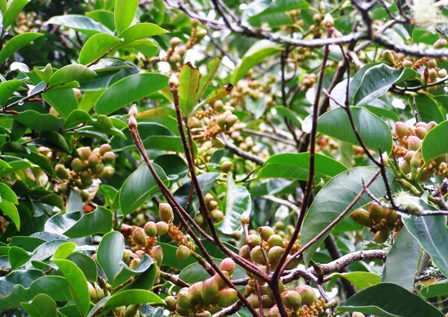
If only they were coffee beans – excessive seed set on Michelia maudiae hybrids in particular

TIKORANGI NOTES: Sunday 15 May, 2011

We have an extensive breeding programme running here on michelias (now reclassified as magnolias but most people still know them by their former name). The first of Mark’s cultivars is already on the market under the name of Fairy Magnolia Blush and attracting a gratifying amount of positive attention in Australia. The next two selections are being built up for release and subsequent ones are still at the trialling stage. This whole process requires the growing on of pretty large numbers of different crosses and Mark is frankly alarmed at the seed set on some plants – particularly those with M. maudiae in their parentage. If only they were coffee plants, we could be self sufficient in beans but alas the tendency to set prolific bunches of seed is not a desirable feature at all in michelias. The weed potential of some of these crosses is huge. Added to that, too much seed set means the plant is not putting its energies into producing further flowers and foliage. It is not enough to select a plant on a pretty flower alone – michelia selections need to be sterile or close to it to make them worthwhile taking to the next stage of trialling. These seed setters are destined for firewood here.

Plant Collector: Camellia sasanqua Early Pearly

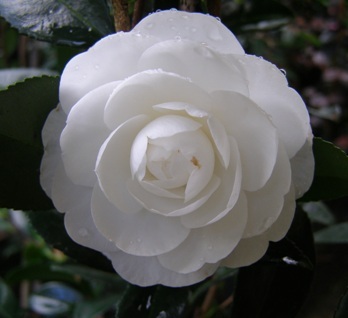
The lovely white sasanqua camellia Early Pearly

The lovely white sasanqua camellia Early Pearly

Sasanqua camellias are the autumn flowering ones in bloom now. They are cheerful and obliging plants, generally tolerant of full sun and wind and they don’t suffer from the dreaded petal blight. But in the main, they don’t have the good flower form of the main season types. Early Pearly is a stand out exception with quite the prettiest flower of any sasanqua that I know. It is a beautiful creamy white with the petals arranged formally in the layout we associate with water lilies. However, sasanquas have looser flowers and softer petals, so bloom lacks the rigidity or waxed nature of other camellia types. The foliage is a particularly good, dark forest green which gives good contrast.

The white sasanqua hedge has been used so widely that it has become a modern gardening cliché, which is a shame because it can be really lovely. But it does seem to begin and end with either Setsugekka or Mine No Yuki, particularly the former because it is so widely available, gives a quick result and is a favourite stand-by of landscapers. Personally, I would much rather be looking at the lovely Early Pearly. The one downside to EP (it is so hard to find the perfect plant) is that as a juvenile plant, it lacks the flower power of some of the other members of its family. I don’t mind that when each bloom is so pretty. As it matures, it sets many more flowers, especially when it has been trimmed, I am told. Sasanquas are native to Japan. The origin and breeding of Early Pearly has been harder to uncover although it was imported to New Zealand from Australia.

In the Garden this week: Friday 13 May, 2011

* The Chief Weed Controller here (aka Mark) advises that the weeds are germinating in abundance and to make a weeding round a priority. If you get on top of this wave of weeds, you should have a largely weed-free winter and delayed start to spring infestations, especially if you lay a mulch after dealing to the blighters. We are a bit too wet now and there is not enough heat in the sun to make push hoeing effective unless you rake it all up immediately and remove it. Hand weeding or glyphosate (weed spraying, on a dry day) are the usual techniques for this time of year.

* If you are a less than enthusiastic gardener, get out to do the big autumn clean up before the weather turns cold and miserable. Otherwise you will spend the winter looking out the windows at a messy garden. If you do a trim, tidy and weed now, you can get through the next few months with the occasional mow and raking up the debris.

* Rake up autumn leaves in discreet piles so they can break down to give you rich leaf mould to rake back out onto the garden later. They will rot down more quickly in a heap.

* Cover your compost heap or bin, if you have not yet done so. It keeps the compost warmer and stops the goodness being leached out by the winter rains.

* Gardeners in inland areas should be battening down the hatches in preparation for early frosts. Take cuttings of frost prone plants like fuchsias, begonias and vireya rhododendrons as an insurance. Coastal gardeners probably don’t need to worry about this in our milder conditions.

* Remove saucers from beneath container plants, both indoors and out. It is not good for plants to sit around in cold water during winter. Cut back your watering of indoor plants – they are better kept on the dry side now.

* Part of your tidy up round of the vegetable garden is to sow all vacant areas in a green crop – urgently. Lupins, oats, even plain ryegrass will help. Green crops condition and nourish the soil in preparation for spring planting but even more helpfully, their roots stop the ground from compacting and make it much easier to dig over later, particularly in heavy soils.