
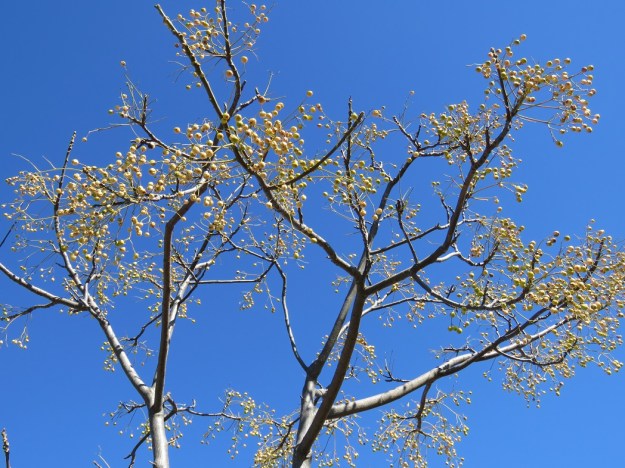
I can tell you that the Melia azedarach at the National Arboretum in Canberra was planted by Doctor Jose Ramos-Horta, President of Timor-Leste, in 2010.
I doubt that many people take the time to pause and send a vote of thanks to our forbears who had the vision to create city parks and botanic gardens. Our closest city of New Plymouth has its Pukekura Park, 52 hectares of park and gardens about 5 minutes’ walk from the main street. It dates back to the visionaries of 1880 and provides a green heart to the city. It is loved with a passion by locals and attracts large visitor numbers. Other New Zealand cities have their equivalents but most date back to a similar era. Aside from Auckland Regional Botanic Gardens being established in Manurewa, I can’t think of major new ventures from modern times.
 It was a second visit to the National Arboretum in Canberra that had me thinking along these lines. This enormous project, encompassing 250 hectares, is a response to the devastating bush fires of 2003 which burned out the area. It is a grand vision, still in its infancy, that will create a legacy for generations to come.
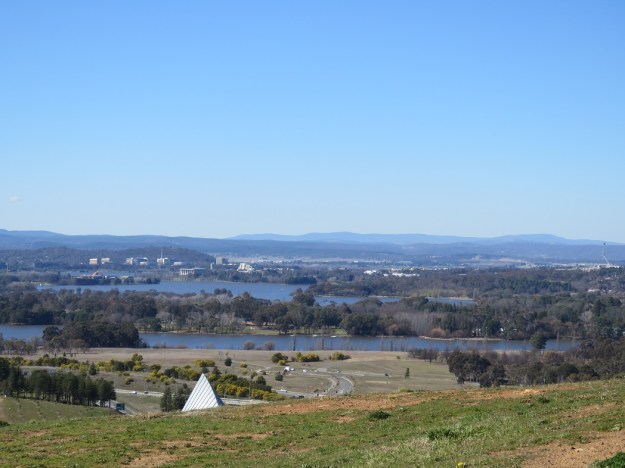
Looking over the city from the arboretum
While some areas can look a little … utility, shall I say, at this early stage and the selection of some tree cultivars to be represented en masse may raise a dendrologist’s eyebrows, the large vision will triumph over such doubts with time. The infrastructure is going in with attention to architecture that will blend with the landscape, an attractive educational area and one of the most delightful children’s play areas I have seen in a long time. Everything appears to be done with a view to sustainable growth in the long term and it is an impressive venture. It has an international flavour with involvement from foreign embassies and heads of state. This is Canberra, after all.
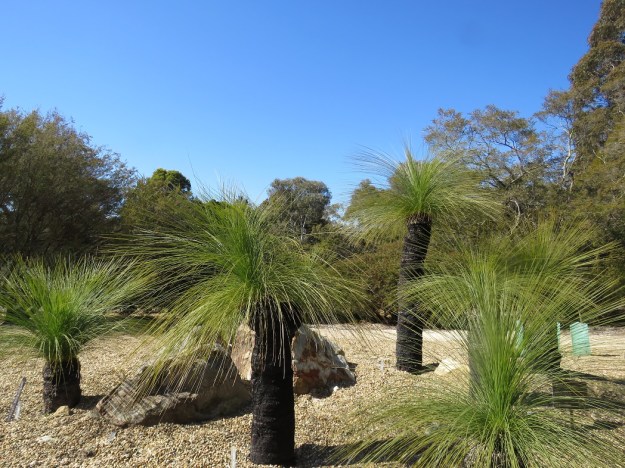
Indubitably Australian at the National Botanic Gardens
Canberra also has the National Botanic Gardens which were not officially opened until as late as 1970 although the first small steps to establishing them were taken in the late 1940s. In that harsh climate of hot, dry summers and cold winters which are often dry, they don’t get the same growth rates that we get here and to my eyes, the gardens still look young. I have been to them several times now. Because the focus is entirely on Australian native plants, they have a very different flavour to anything I see elsewhere and I really enjoy that difference, along with seeing new areas being developed within the site. It is indubitably …Australian. As it should be.
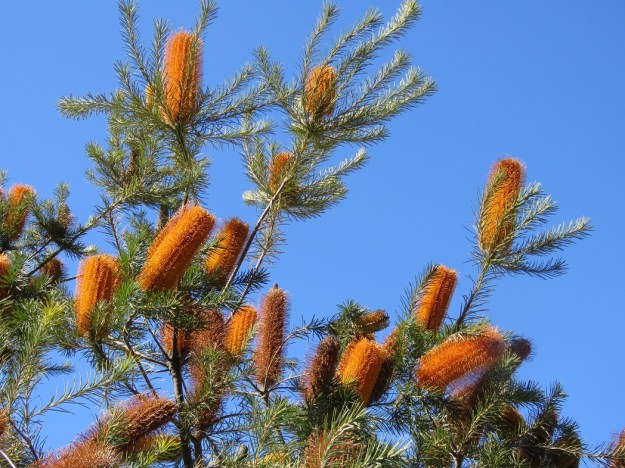
Banksia species in abundance at the Botanical Gardens in August
It made me wonder where our courageous new ventures are here. We generally steer clear of publicly criticising the local money being spent by the Taranaki Regional Council on what are described as the ‘regional gardens’. This amounts to many millions of dollars more than I think most ratepayers realise but it also sniffs of the cargo-cult mentality – build it and the crowds will come. It remains to be seen if that will happen but it seems unlikely in the long term. The problem is that the Council took on three existing gardens, all of which suffer from issues including obscure location, difficult access, off-putting terrain, pretty awful micro climates and somewhat anachronistic gardening visions from times past.
With so much spare money sloshing in the budget, we can’t help but think it was a missed opportunity to create a new vision for future generations, getting the location, micro climate and terrain right from the start. The role of public green spaces is so very important and likely to get more so into the future. It would be good to look to the future and to invest in that, rather than resting on the laurels of the visionaries of the distant past.
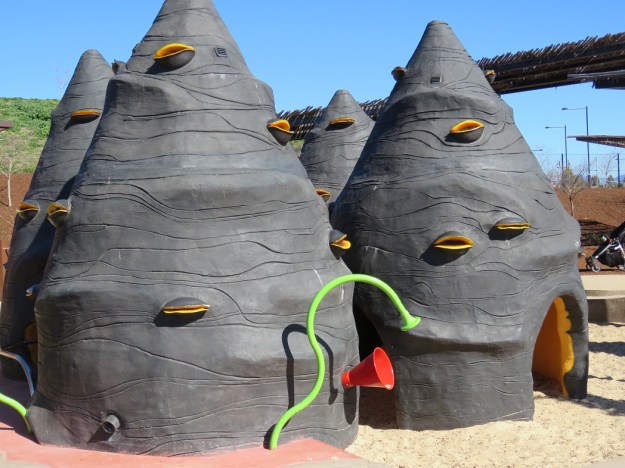
Banksia pods in the children’s playground at the arboretum

and acorn pods
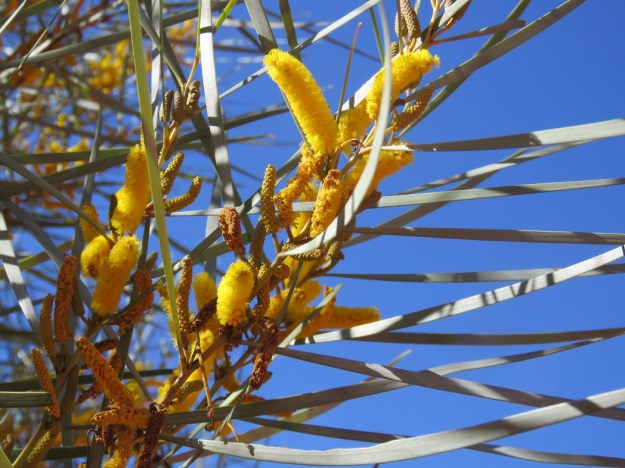

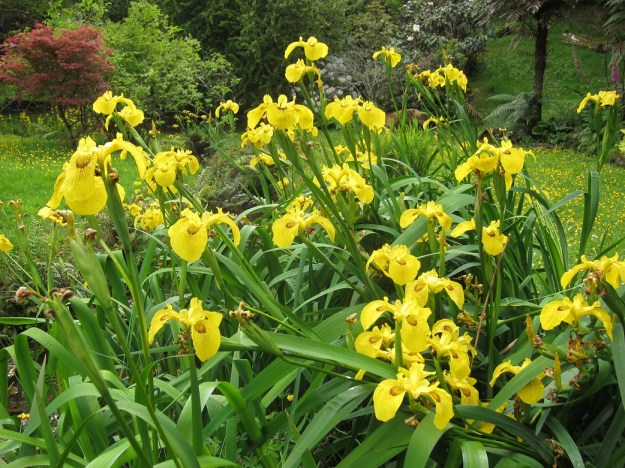


 We are enjoying the water meadow effect we are achieving in that area of the garden.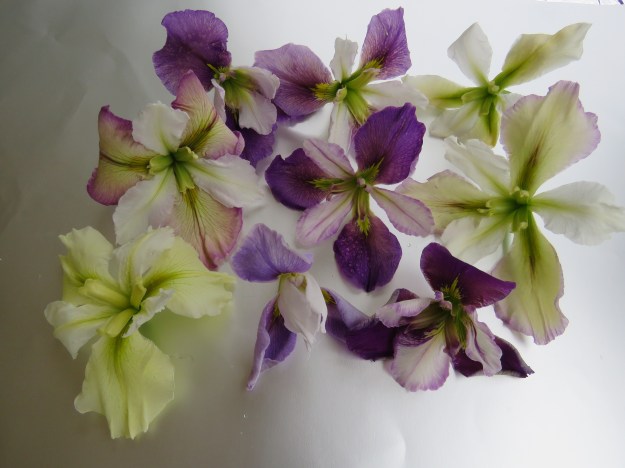
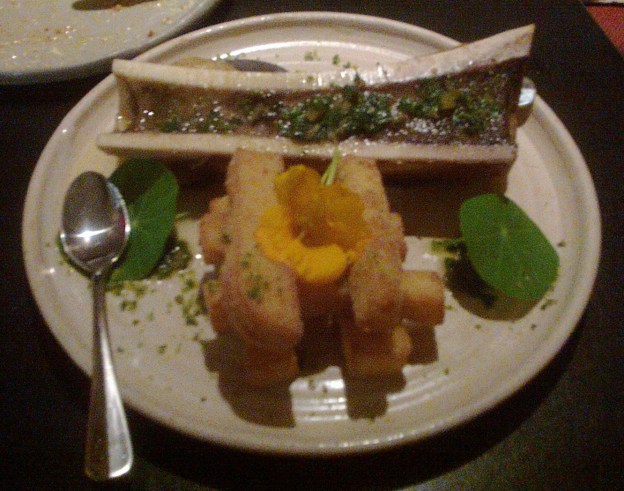 Their menu describes the dish as “Brussel sprouts** with almond tarator and zhoug”. I had to google both tarator (usually a yoghurt, cucumber and walnut based sauce) and zhoug (hot green spice paste of Yemeni origin). From memory the sprouts were not boiled or even steamed. They may have been lightly roasted.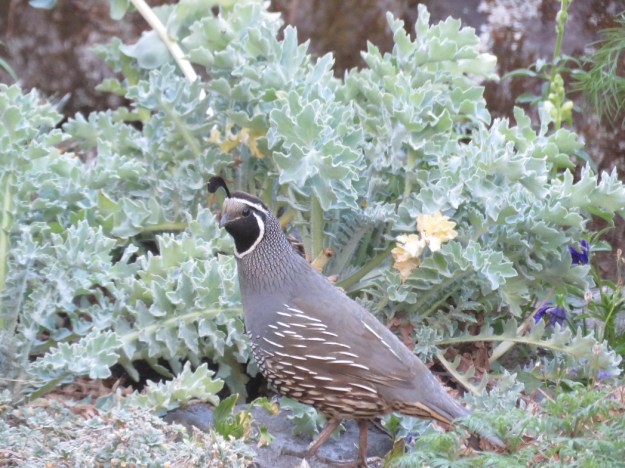
 Alas, my plans to attempt some re-creation of this taste treat at home this season have been thwarted by our resident Californian quail. We are very fond of these charming birds which are slowly increasing in number but have no intention of consuming either the birds themselves or their lovely speckled eggs. When you have watched Mama and Papa Quail herding their young, which resemble fluffy little bumblebees, around the garden, the thought of putting them on the dinner plate is unimaginable. But it was a close-run thing when a mob of them found a way into the protective cloche Mark has placed over this season’s crop of Brussels sprouts. The crop was decimated and the few we have salvaged are poor, shredded examples of this vegetable.
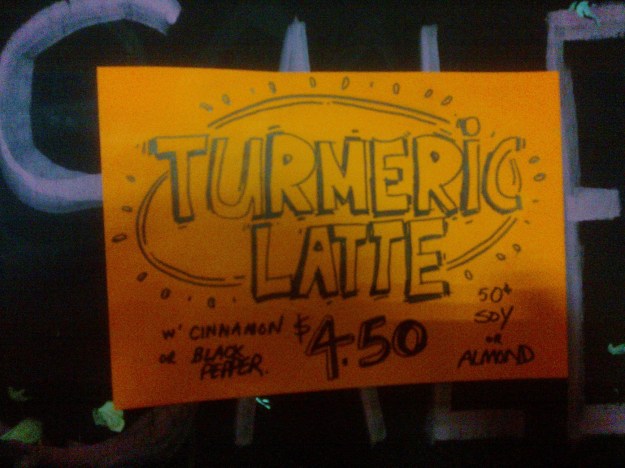 I give you the ultimate example of Bondi hipsterdom in Sydney.
 And the somewhat quaint example of hipsterdom in Canberra. No, I do not think pulling out the stained, blue woolly hat that my late mother in law used to adorn her teapot will achieve the desired level of hipsterdom when I lack the gluten-free friands as accompaniments.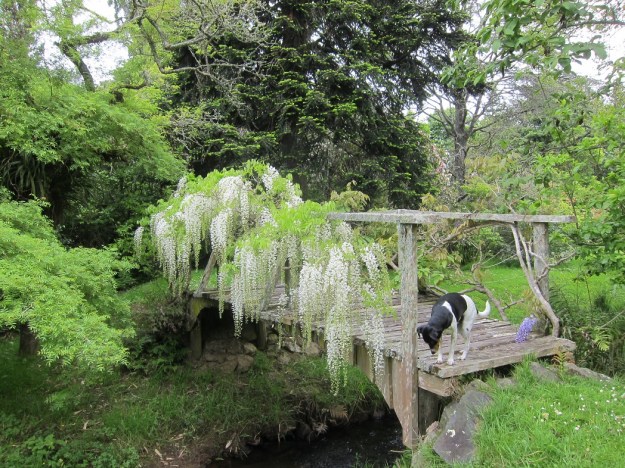
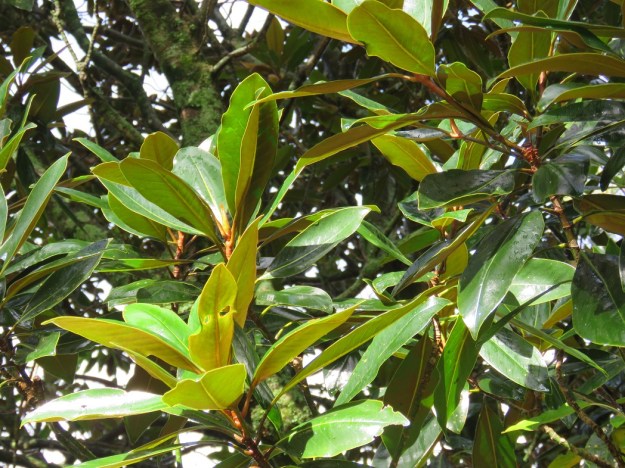 Any potentially large tree planted in the wrong place is going to be high maintenance. Vegetable time bombs, we call them. I see it with Magnolia grandiflora “Little Gem” in urban gardens more than any other plant I can think of. Aforementioned “Little Gem” is only little by comparison with something that might equally be called “Extremely Giant Gem”. It is not a dwarf tree. Plant it in a confined space – I know of a twin row of five or six aside lining a very narrow driveway in town – and it will either be high maintenance on an ongoing basis to keep it confined or an expensive removal job when it becomes a major problem.


 Not an earthquake. A falling dead tree. Pinus radiata often drops all its side branches when it dies, before keeling over or, in this case, snapping a third of the way up. This is good because the side branches can cause even more damage when a tree falls although it can and does clip other trees as it falls. As falling trees of at least 135 years of age go, this was on the minor end. The trunk broke in three as it fell, with the longest length (about nine metres) rolling over to a final location which is not bad at all, though it did initially land on a garden bed.
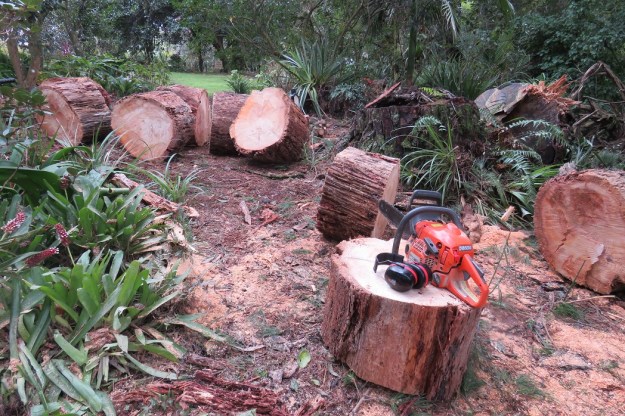 On Monday, we started clearing the paths. Surprisingly, there is quite a bit of good firewood in the centre of the trunk and by the end of the day, the pile of split wood in the shed was growing satisfactorily. There is nothing quite like the Squirrel Nutkin feel of seeing the firewood for 2017 already stacked and drying.
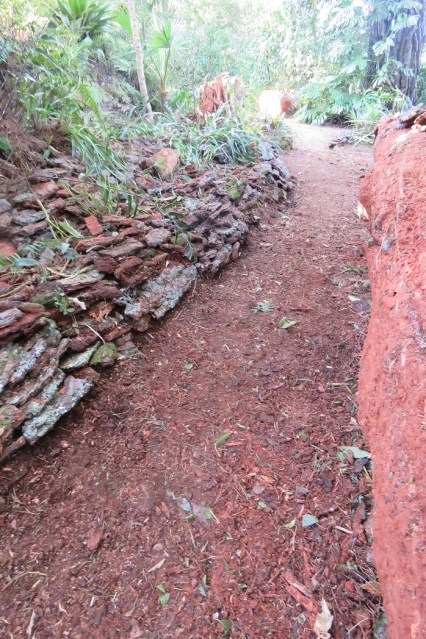 The longer lengths will remain in situ and we will garden around them. It is just a
 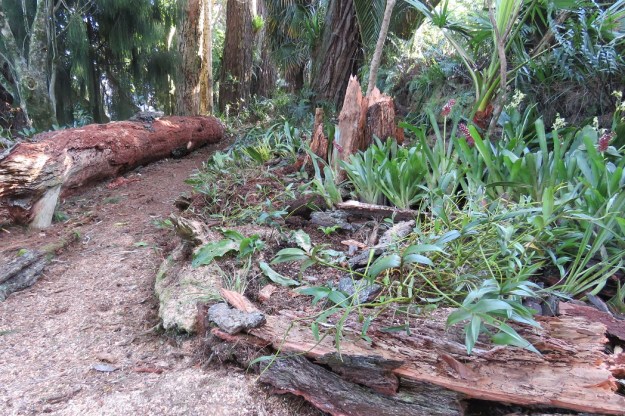 It is a lot easier to garden with nature, rather than in constant battle to keep it under control. By Tuesday, it looked like this. We are fine with that. It will settle down again over the next month or two and look as if it has always been like that.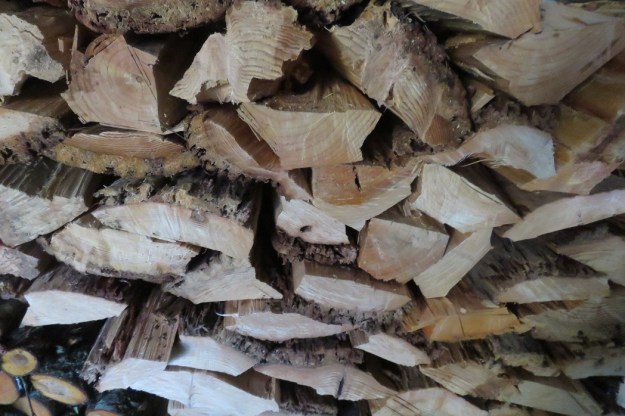
 Tikorangi The Jury Garden