
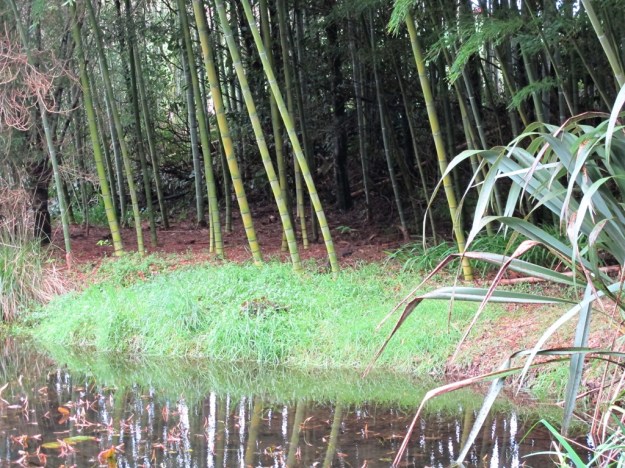
Phyllostachys edulis but, alas, no panda bears
We have the odd stand of bamboo around the place. This giant form is Phyllostachys edulis.
There are no fewer than 42 different species that giant pandas eat. Mark told me that P. edulis is one of them so I briefly entertained the cargo cult dream – grow the food and wait for them to arrive – but sadly that seems unlikely. A net search does not highlight P. edulis as one of the pandas’ preferred species so maybe that is the problem? We have
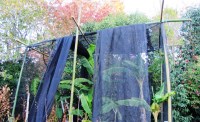
tried harvesting the young shoots to eat and they were fine, if n ot sufficiently inspiring to ensure that they became a dietary staple. It is, however, a useful source of very long and remarkably stable poles. One is a prop for the washing line. Mark uses it to build shelter frames for his bananas and even to make super long handles for the rake he uses to clean out our ponds. Inspired by our awe of bamboo scaffolding in Hong Kong, seen on high-rise buildings, he threatens to construct our own scaffolding but I think it is all talk.
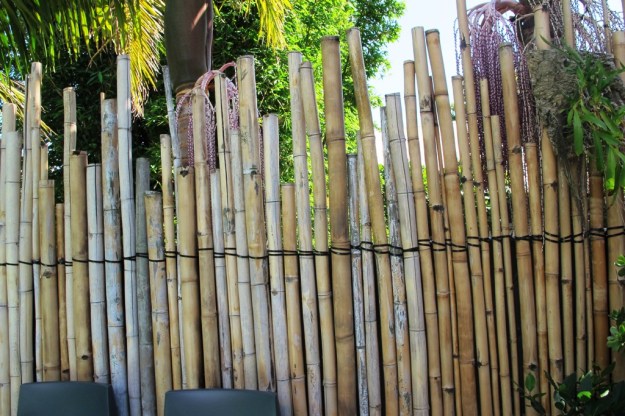
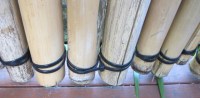
I photographed this bamboo screen in a Herne Bay garden during the recent Heroic Gardens Festival. It was a lovely small town garden which successfully utilised pretty much every bit of available space to integrate the indoors and outdoors as living space. I really liked the informality of the screen, with the varied lengths of bamboo rather than forcing them into uniformity and the natural weathering process. Mark was particularly taken by the close-up photo showing how the lengths were held in place. Cable ties – a wonderfully simple idea.

 Also seen at Heroic was this crafted bamboo gate in a Mount Eden garden, which was beautifully executed and appropriate to the restrained, immaculately maintained sub-tropical back garden. This is located in the heart of a densely populated urban area but the garden gives no hint of that. The gate has clearly been coated, presumably both to prolong its life but also to stop the weathering process and preserve the smart, new appearance. Sealing the bamboo will also stop the growth of lichens.

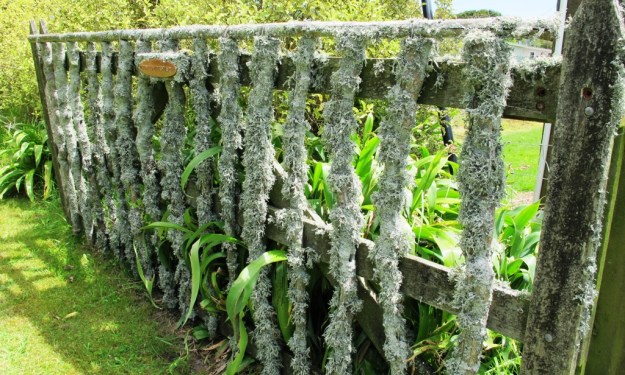 At the other end of the sophistication scale, I photographed these two bamboo gates in an Okato garden last spring. These have been added on to existing gate frames in a garden where many different bamboos are grown, and then left to weather over many years. You can see the high humidity environment and clean atmosphere in our coastal Taranaki that encourages such abundant lichen growth. As long as the bamboo is kept off the ground, it can last a surprisingly long time.
The best bamboo collection we know is at Paloma, Clive and Nicki Higgie’s garden at Fordell, near Whanganui. Bamboo enthusiasts will find much of interest there. But no panda bears, alas.
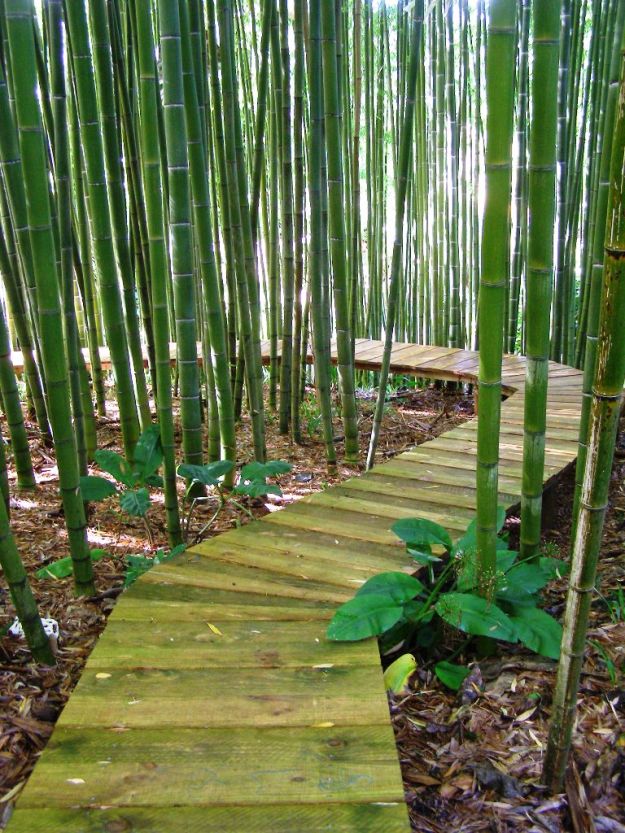
Paloma Garden
 Overseas gardeners find our attitude to agapanthus perplexing. These plants are much more prized elsewhere, whereas we largely consign them to roadsides. It is much rarer to see them used as garden plants in New Zealand, even though there are some very good named cultivars which are sterile, so don’t set seed. Their future is sometimes under threat as they are seen by some to be noxious weeds. And they are very difficult to get rid of if you no longer want them.
 This leaves the problem of what do with the seed heads. While we make a hot compost mix, it is not always hot enough to destroy viable seed. In the past, I have been guilty of putting seed and noxious weeds out for rubbish collection but we now think that sending even very limited amounts of green waste to landfill is not justifiable.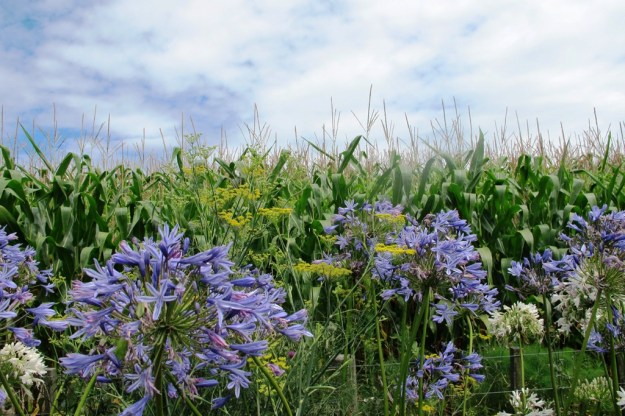
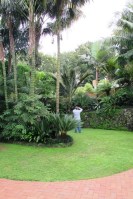
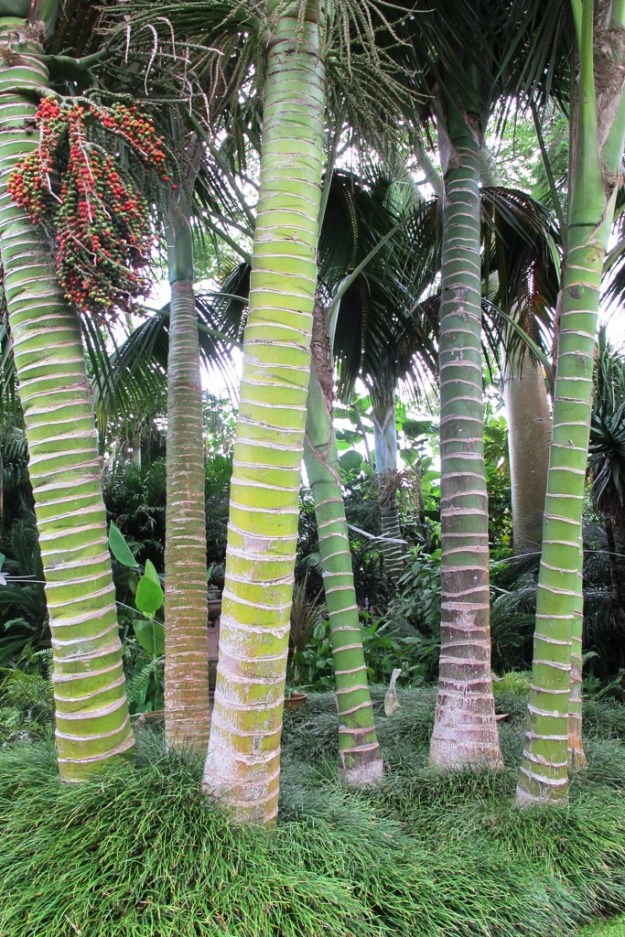 One of the delights I appreciated at the Heroic Gardens Festival was this quiet, simple green space in the back garden owned by photographer, Gil Hanly.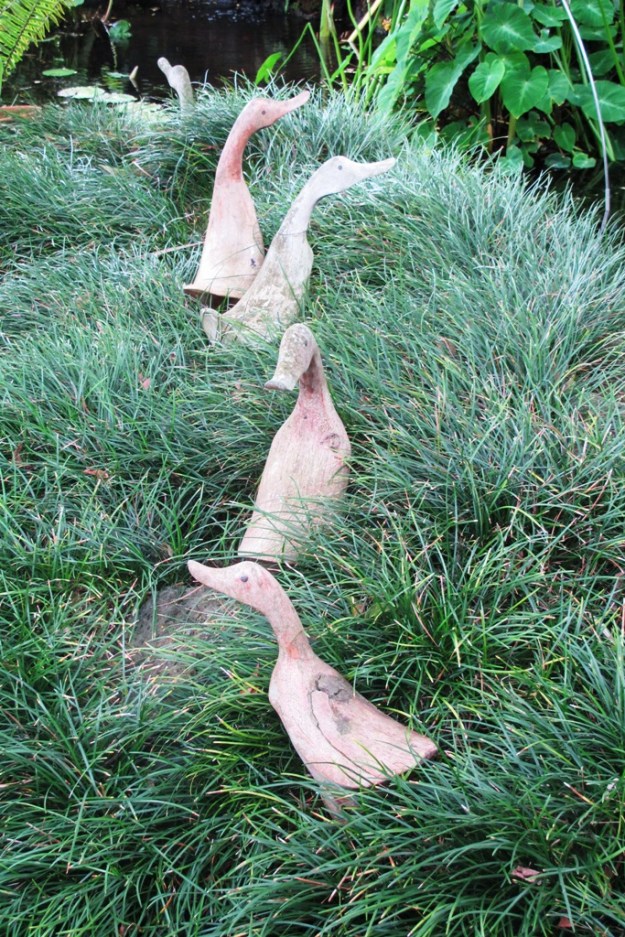
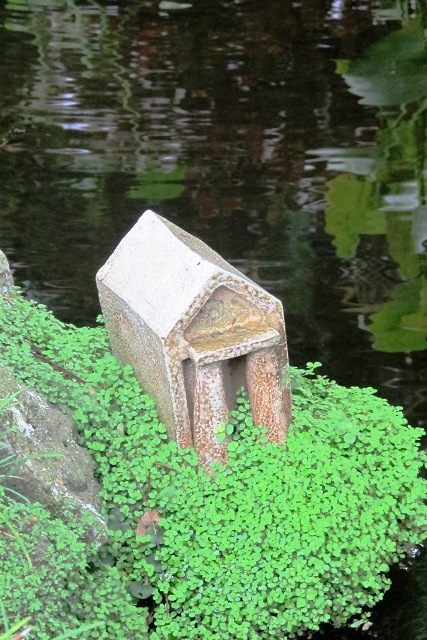
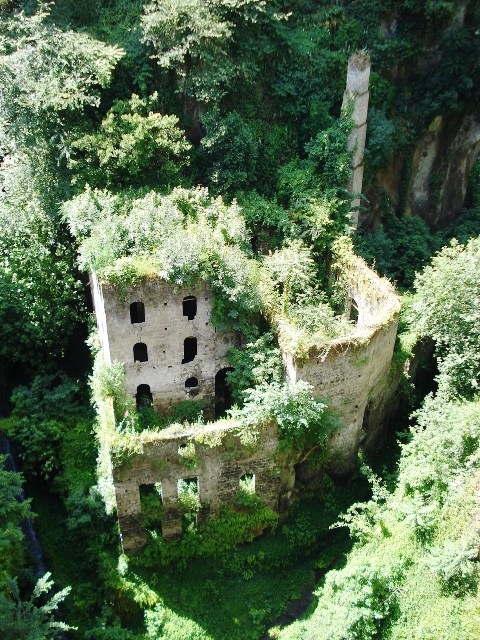 The little temple by the water (top) is, I am told, by artist, Bronwyn Cornish. For me it evoked the very old villa visible in a ravine in Sorrento in Italy (immediately above) which I photographed back in 2008. Anyone who has been to Sorrento (the jumping off point for Capri) will have seen this sight. In the Hanly back garden, the whole effect was understated but hugely effective.
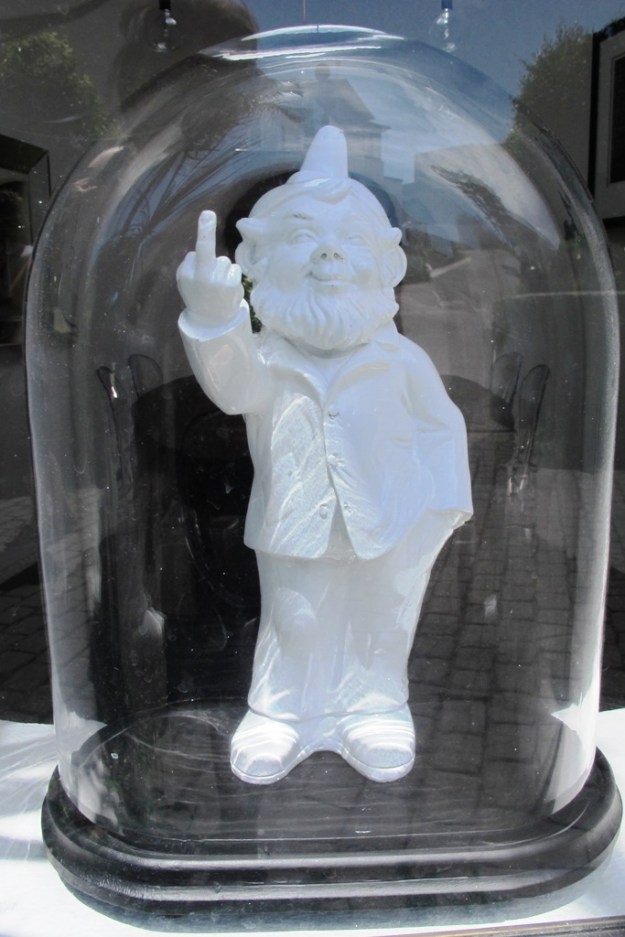
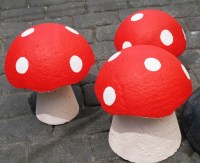 I find garden ornamentation a source of slightly masochistic fascination. We prefer very little ornamentation in our own garden and even then lean to the natural look. Back when we were university students – way back when – we used to entertain friends and visitors with gnome garden tours as viewable from the streets of both Palmerston North and Dunedin. Caversham was a particularly happy hunting ground. But brightly painted little concrete things in my own garden? I think not.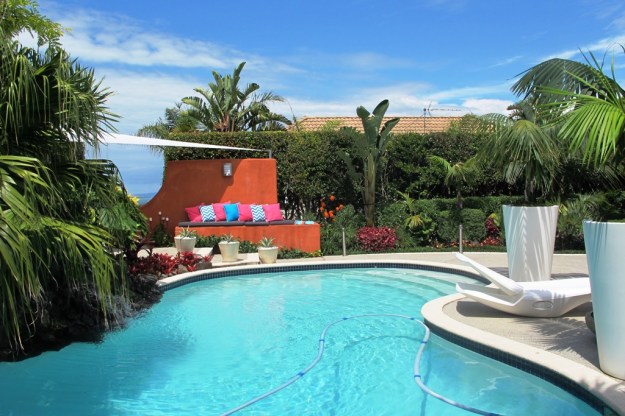

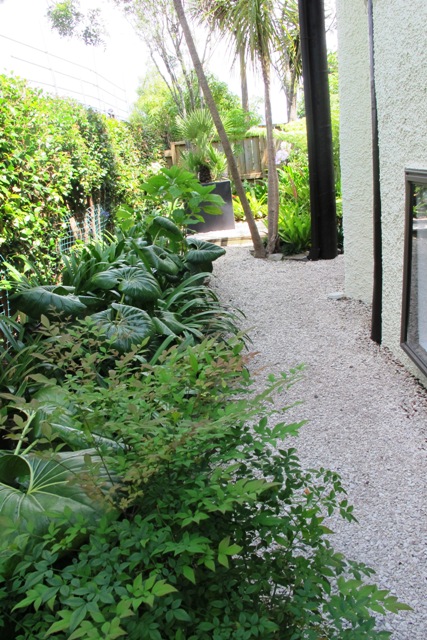 The plantings were fine, but nothing particularly out of the ordinary. The Heroic Garden Festival, for those who don’t know, has its roots in the Auckland gay scene. Gay men, as far as I can see. I have yet to fathom why gay men are such a powerful force in gardening whereas gay women have not made their mark in the same way. There appears to be a secret rule book that says that gay men in Auckland should create tropical gardens (the Ubud hotel-style, I have described it in the past) dominated by bromeliads, palms, cycads, the tractor seat ligularia (L. reniformis), bromeliads, maybe a banana palm. Oh, and have I mentioned bromeliads? After you have been to several gardens, the plantings start to meld in the mind and achieve a certain state of uniformity.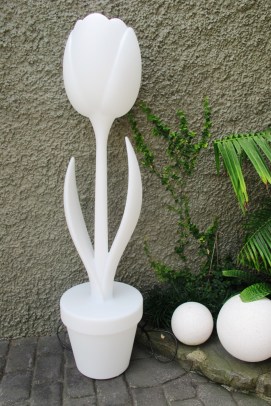

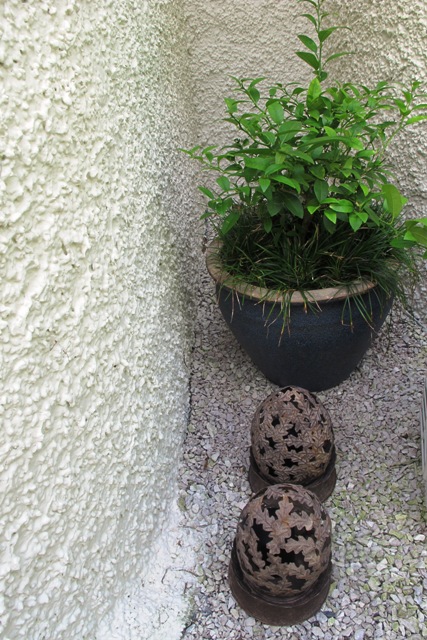 I don’t know much at all about Gaudi and Catalan modernism is beyond my ken. Certainly there was a northern Spanish arts and crafts ambience to the house which was charming. The borrowed view to the sea was also a clever device which did not appear as if it could be built out.
 First published in the February issue of New Zealand Gardener and reprinted here with their permission.
  Tikorangi The Jury Garden