Grow It Yourself: Potatoes

The history of the potato is a remarkable one and surely warrants further exploration at a later date. But is it worth growing at home? If one potato is much the same as the next to you, then probably not, because they are so cheap to buy. But if you love your taties and can tell the difference between varieties, then of course you will be growing them. And the message from the Head Vegetable Grower here is that if you want new potatoes for Christmas dinner, you will have to get them in this very weekend because most early varieties take from 75 to 90 days to mature, though Swift and Rocket can do it in 60 days. Potatoes are vulnerable to disease so it pays to start with fresh certified seed potato from garden centres each year rather than using your own old potatoes which are shooting.

Potatoes are heavy on space. Because this is not a problem for us, we do them in rows digging narrow trenches about 20m deep and wide (full sun, well cultivated friable soil, fresh ground if possible), piling the soil to the side of the trench. The potatoes are then laid on the bottom of the trench and covered with 10cm of compost. As the shoots reach about 20cm, more soil is layered on top – a process called mounding. The potatoes form on the stems so you need to encourage stem growth and keep a thick enough layer of dirt to keep the potatoes well covered and stop them going green. The mounding process continues until the plants have flowered and it may be necessary to water in dry spells because the mounds lose moisture.

In smaller spaces, the stack of tyres is a popular technique, though hardly aesthetic. Potatoes need good drainage so it is better to build your stack on dirt rather than concrete. Start with one tyre and fill with good soil or compost, making sure you fill the rims as well. Plant about three potatoes and, as mounding is needed, add another tyre and fill with soil. You will probably end up with a stack of 3 or 4. If you plan to use potting mix instead of soil, they will become expensive potatoes.

One of the reasons for getting potatoes in now is to try and get crops through before the dreaded blights hit. In our experience, if you are not willing to spray your potatoes regularly with copper (about every fortnight), unless you know what you are doing, get your crop in early and manage them very well, you will get disease. Don’t use nitrogen based fertilisers as they are a root crop. Favourite early varieties here are Liseta and Jersey Benne, for main crop Red Rascal and Agria.
Tikorangi Notes, Friday 30 September, 2010

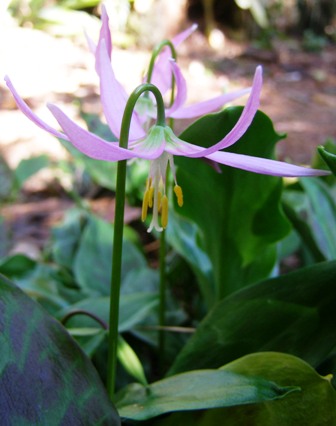
The ephemeral delight of the erythroniums in flower this week

The ephemeral delight of the erythroniums in flower this week

Latest Posts:
1) Magnolia Athene in all her glory in Plant Collector this week and gratitude for the mid season varieties.

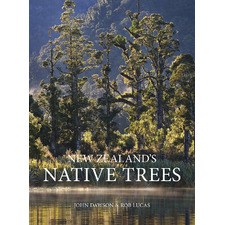
2) New Zealand’s Native Trees by John Dawson and Rob Lucas. Thank you Craig Potton Publishing for not cutting corners, simplifying and dumbing down on the assumption that most of us have the mental capacity and experience of a child.

3) The differing agendas of gardeners, novices and designers (or why I am happy to accommodate plants with a scruffy period which includes deciduous plants and bulbs)

4) Grow it Yourself topic this week is Mark’s absolutely most favourite vegetable – sweetcorn.

5) Clearance special this week is Magnolia grandiflora Little Gem – a snip at $12 but very limited numbers.

6) In Praise of Plunging – a traditional technique from the UK which has its relevance here, in our conditions too.

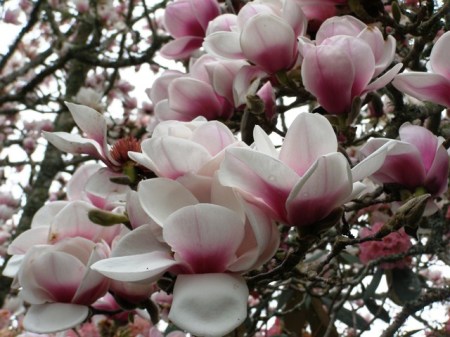
The pink puffery of Magnolia Serene

The pink puffery of Magnolia Serene

I suggested to Mark that the start of a new year here was marked by the magnolias and early spring but he was pretty adamant that it is the snowdrops that herald the new beginning. The snowdrops have long finished, most of the narcissi are passing over and while the magnolia season continues, it is on the wane – the opening of Serene heralds the end of the season because it is the last of the major ones to flower for us. But temperatures are rising, the rhododendrons are opening and other new plants open every day. The trilliums are a triumph for us here. We are not natural trillium territory (bar two days this winter, we lack the winter chill they prefer) and have to choose planting situations carefully.

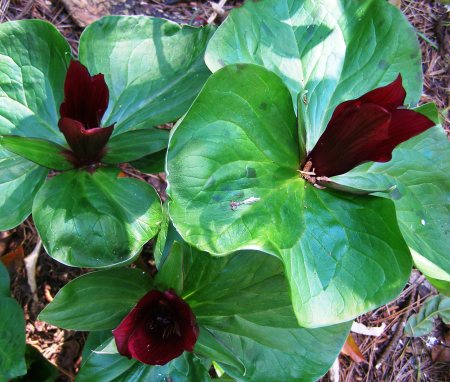
Showing off: the trilliums

Showing off: the trilliums

Each flower may be only three petals but when you get the deep red ones blooming with the light passing through, the effort is well worth it. The erythroniums are in full flower. If we don’t get torrential rain, we may get two or even three weeks of pleasure from these short-lived, dainty delights. The countdown to our annual garden festival at the end of October is on so the pressure is mounting.

In a rash moment, I agreed to present at the Waikato Home and Garden Show next Friday and Saturday. My main presentation is entitled “What Makes a Good Garden” (Friday at 12.30 and Saturday at 2.30) and I am also doing a presentation on our annual festival (styled the Powerco Taranaki Garden Spectacular this year but we will say no more about that, formerly known as the Taranaki Rhododendron and Garden Festival) at 6.30 on Friday and 4.30 on Saturday.

Plant Collector: Magnolia Athene

Magnolia Athene in her glory

Magnolia Athene in her glory


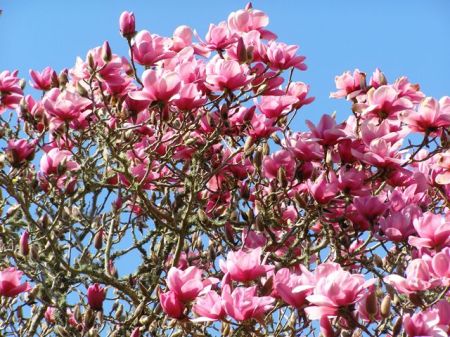
Thank goodness for the mid season magnolias this year. There we were, as usual, admiring the early season ones in flower when a once in a hundred year event hit here – snow followed by a killer frost in late August. The early bloomers did not like it one bit. But the next flush rose to the challenge and their flowering was unaffected. This one is Magnolia Athene, a particularly lovely variety with big ivory white flowers sporting a violet pink base. It is what is called a cup and saucer form. When open, the outer layer of petals drops a little to form the saucer, while the inner petals keep a tight cup form. Botanically, magnolias don’t actually have much in the way of petals, they have tepals which look like petals but that tends to confuse all but the most enthusiastic gardener.

Bred in the early 1960s, Athene is one of a small series from the late Felix Jury in his quest for new plants which would carry the good aspects of the classic campbellii magnolias but flower on young plants and not grow as large. It should flower within a year of planting out. The parents are magnolias lennei alba (which is a very tidy, smaller tree with pure cream flowers) and Mark Jury (which is a large growing tree with very large, heavy textured flowers in lilac tones). Athene was a significant advance on the parents and puts on a magnificent display with its bi-coloured blooms. It will eventually reach about 5 metres with an upright habit and the flowers are pleasantly scented.

New Zealand’s Native Trees by John Dawson and Rob Lucas

New Zealand's Native TreesWhen one reviews books, there is a fair amount of dross to wade through to find the gems but only occasionally does a definitive benchmark study turn up. New Zealand’s Native Trees is a huge book (570 pages and 2300 photographs) and comprehensive, covering 320 different species of trees, including sub species and varieties – which is all of our trees, I understand. We don’t always realise in this country just how special and unique is our native flora and this book covers pretty much everything you will ever need or want to know. It is not an off-putting academic treatise, though it is a reference book (it is too large to be anything else – you need to rest it on a desk) but with accessible information. Trees are photographed in situ as well as with comprehensive close-ups to aid identification. The text is clear and able to be understood easily by anyone ranging from those with a desultory interest through to the enthusiast and the expert. Additional information of interest is contained in boxes – the cabbage tree moth which chews holes in cordyline foliage, how to tell kanuka from manuka and much more.
The lead author is Dr John Dawson, now retired Associate Professor from the Botany Department of Victoria University while the photographer is Rob Lucas, a retired horticultural lecturer from the Open Polytechnic. The book represents seven years of dedicated work. Publisher, Craig Potton, is renowned for producing handsome, high quality publications and the production values of this book are top quality which is entirely appropriate, given that it is a timeless book which will justify its place on every bookshelf for many years to come. How refreshing it is to see an NZ publisher who is not scared to bring out a tome of enduring quality about plants. All credit to the editor, Jane Connor.

New Zealand’s Native Trees by John Dawson and Rob Lucas (Craig Potton Publishing; ISBN: 978 1 877517 01 3)

The differing agendas of gardeners, novices and designers

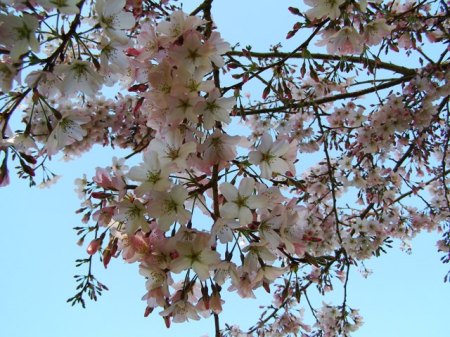
If you will only grow evergreen plants, you miss out on seasonal delights like Prunus Awanui in flower

If you will only grow evergreen plants, you miss out on seasonal delights like Prunus Awanui in flower

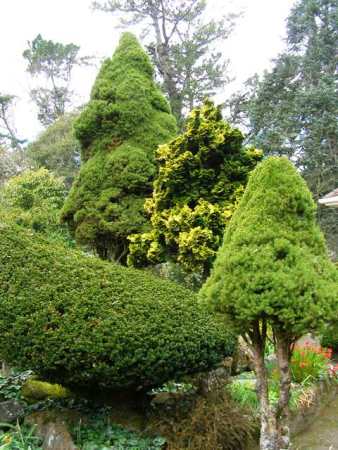
I am trying to think if there are any plants which do not have an off period and which look good all year round. I have failed to come up with anything other than conifers and they are hardly the country’s most popular plant family these days. Every other plant I have thought of has times of the year when they look better than other times and generally they go through a scruffy period.

Most conifers don't seem to have an off-period but too few people want them in their garden these days

Most conifers don't seem to have an off-period but too few people want them in their garden these days

It is a bit like the perceived wisdom that evergreen trees and shrubs don’t drop their leaves. Sorry, but they do. They just don’t drop them all at once in autumn. It is in the nature of woody plants to drop a full year’s foliage every year. They may hold onto leaves for several years, but sooner or later they drop them. Some drop them gradually and quietly all the time. Some have a bit of an off period when they will shed more (usually just before the fresh growth comes). Some, like our enormous Schima noronhae, are semi evergreen and will drop the lot as the new leaves come so it is never without foliage but each set only stays one year.

Gardening and nature is an inherently untidy business. If you can’t live with that, you may be better off in an apartment with no outside space calling out for plants. What started this train of thought was reading a landscaper’s account of a client’s garden where plants were chosen for their year round foliage, their lack of an off season, preferably shiny green and fragrant (presumably they were allowed to flower because foliage tends to be aromatic, rather than fragrant). It is a list of attributes I have often seen before, almost invariably from novices, non gardeners and designers who by very definition tend to have clients falling into the first two categories. It all seems so controlling and static to me – wanting to create a pleasing picture that will stay the same all year. I just think that is what you do inside the house with inert objects away from the ravages of the elements. It is more about design than landscaping.

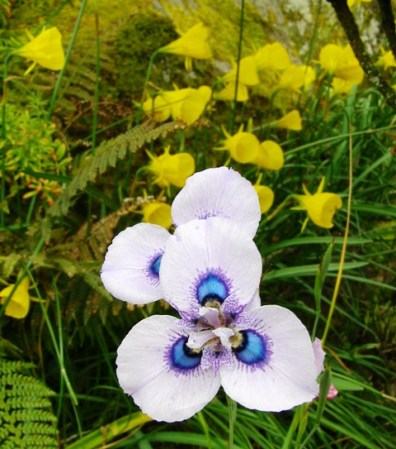
I can’t imagine having a garden which does not celebrate the seasons. Why would you want to eliminate the variables of nature when that is what makes it interesting? If you refuse to have deciduous plants, you miss the fresh and fulsome spring burst when they look so lush. You also miss the autumn colour on some (though this will be better if you live inland and in areas where you get sharp frosts to signal the change of season). There is a beauty in bare branches throughout winter, especially if the plant has interesting bark or form. These are not as obvious on plants which remain fully clothed all year round. So many deciduous plants burst into bloom, to be followed soon after by the foliage and those plants which flower on bare wood are hugely more spectacular than plants which flower amongst the foliage. Think of magnolias, flowering cherries or chimonanthus. But not just woody trees and shrubs: bulbs mark the passage of the seasons better than any other plant group I can think of. In the static picture garden, there is no place for bulbs, the vast majority of which have an undeniably scruffy season after flowering before they go to bed below ground for their dormant period. But before that scruffy time, they wow us with their flowering brilliance.

The delight of seasonal bulbs - Moraea villosa (the peacock iris) with Narcissus bulbocodium behind

The delight of seasonal bulbs - Moraea villosa (the peacock iris) with Narcissus bulbocodium behind

That said, I wouldn’t want a garden which only has deciduous plants. Evergreens give year round structure and colour, even if they are mostly shades of green in foliage. It is the mix of plant groups and differing characteristics of plants that makes the garden a more interesting place.

Neither would I reject a plant because it lacks scent just as I would be unlikely to buy a plant on scent alone. We have many scented plants but it is more obvious with most if you pick them and bring them indoors. It takes a very strong scent to stop you dead in your tracks outdoors – some daphnes, perhaps, jonquils, auratum lilies and orange blossom come to mind. These are heady scents but you usually have to be within a metre or so of the plant to smell them. All that fresh air outside dilutes and dissipates scent more quickly than most people realise. It is far more common that you need to stick your nose right into the flower to smell it. Certainly, fragrance is a bonus but a basic criterion for selection? Not in my books.

I guess it all comes down to the difference between a designer and gardener. The former wants something that looks good and can be maintained easily while the latter wants something which is interesting, changing, even challenging and looks good.