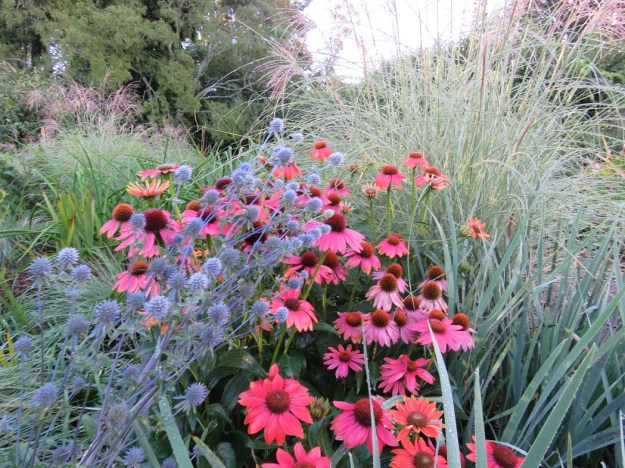
Late March, so autumn of the first year.
We know quite a bit about many aspects of gardening, particularly shade gardening, but gardening in full sun with big, bold perennials is a whole new ball game here and a steep learning curve. I mentioned a couple of weeks ago that I planned to lift and divide the larger growing grasses that I have used in the new borders. Of course I am only half way through it. These jobs always take longer than I plan, even factoring in other distractions. But it is interesting to stocktake the performance of these bigger grasses one year on from planting.
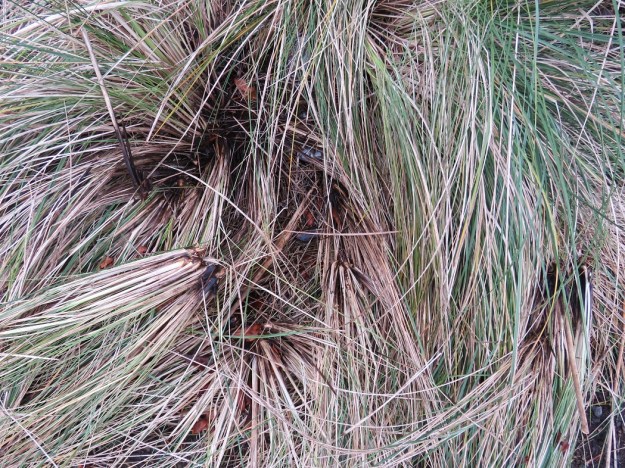
Stipa gigantea falls apart into divisions when lifted
Stipa gigantea – the giant feather grass or golden oats. Yes it grows quickly and enthusiastically but is very easy to dig out (not strong-rooted) and pretty much falls apart into divisions when lifted. So it is easy to manage. The flower heads are the feature but while ours bloomed, the sparrows laid waste to them so we did not get the full glory last summer. As far as we can make out, it is sterile so seeding and invasion are not an issue.
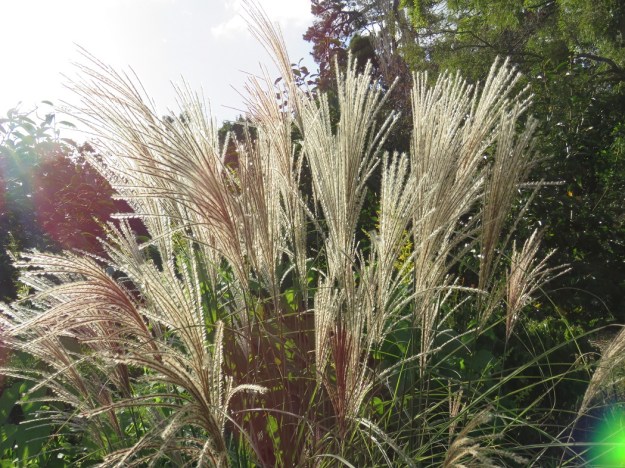
It is hard to beat the miscanthus at any time of the year
Miscanthus – I think it is ‘Morning Light’ we have. It required a little more effort to dig it out and an old handsaw and small axe to separate it into pieces but was not particularly difficult. I would not want to leave it too long though, before digging or it would get beyond my physical limits to dig and divide without assistance. It has been a standout. The clumps stand tidily like sentinels and it is brilliant at all stages – the foliage and the plumes. It is the only fully deciduous large grass I am growing and even the pillars of dried foliage have been attractive all winter. It is also close to sterile, setting almost no seed.
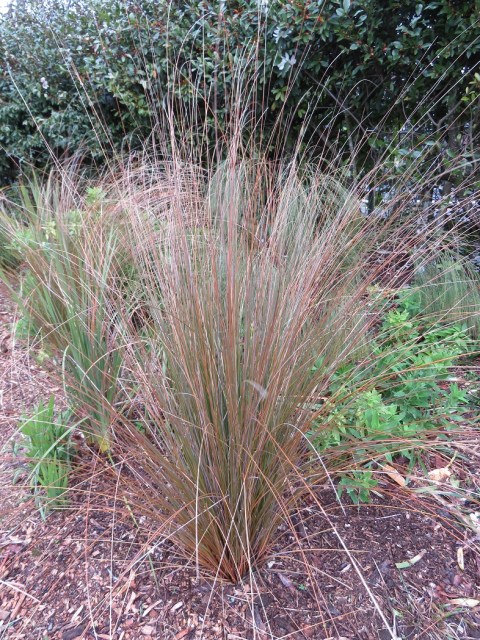
Is it Chionocloa rubra? Someone will know but it is a native tussock at least.
Chionocloa rubra – there is a bit of a question mark over the name of this one but a couple of visitors have suggested this identification. A native tussock grass that is performing brilliantly so far in attractive vase-shaped clumps. It is easy enough to dig and divide (more hacking apart with saw and small axe than dividing, to be honest) though I only divided this year to get more plants. It won’t need as much active management as most of the other grasses.
Anemanthele lessoniana is another native grass. It was a little underwhelming in its first year but I am told flowers attractively once established. I started with just three plants so I have divided them after their first year to get more.
The native toetoe (now an austroderia though formerly a cortaderia – our environmentally friendly version of the invasive Argentinian pampas grass) was one I planted a little anxiously, worried about its potential size. I need not have worried. The resident rabbits love it so much that the poor little things have failed to make any headway. I shall have to construct little cages over them if I want them to get any larger. I see we have five different austroderia species native to NZ though which one this is, I am not sure yet.
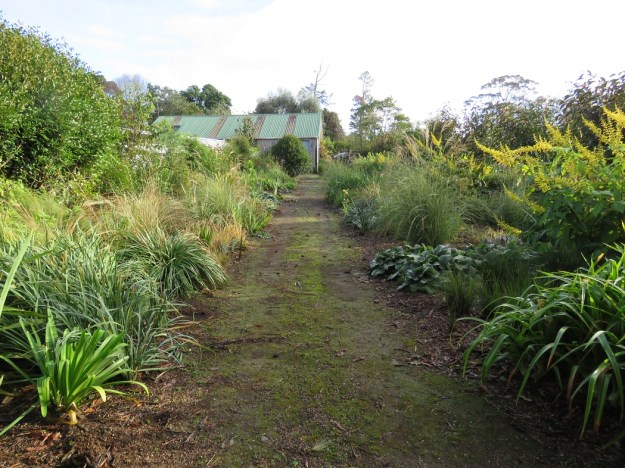
It appears I failed to photograph the calamgrostris at is peak but it is the third one up on the left in this May scene of late autumn.
Calamagrostis ‘Karl Foerster’. Yes well, this one may be on borrowed time. It is scary. I bought several – I can’t remember if it was 5 or 10 because I divided a couple of clumps mid-season when it was clearly growing strongly (about now, alarm bells should be ringing for experienced gardeners). It is a stock grass for the contemporary perennial gardens we have been looking at, mostly in the UK. Our Canberra daughter also said it was the stand-out grass in her little prairie-style patch. And it was most attractive all summer and autumn. Not so in winter where it has been a messy mix of green and brown. It is deciduous in colder climates but not so here. But that is not the main issue.

Added bucket for scale but I also measured and the root systems reached 45cm across in one year. As a quick aside, my kneeling pad of the day is a piece of rubber carpet underlay cut to size. It doesn’t last that long but it comes from waste destined for landfill anyway and while it lasts, it is good.
The plants I bought came in 2.5 litre pots so larger than a liner but not big. Under one year is all it took for each plant to e x p a n d from about 12 or 14m across to somewhere closer to 45cm across. It took every ounce of my determination and strength to dig out the clumps for they were going deep as well as wide. The root ball is solid and dense and that is when I went to find the axe to chop it apart. I raised my eyebrows and started replanting just a few smaller – much smaller – clumps and these reduced in number the further I went. Most are piled to compost. The clumps I replanted are on trial for one more year but in my bones, I know they are on borrowed time. In our conditions, it is just way too vigorous though I am guessing that in harder conditions with dry summers and cold winters, it may just be deemed a ‘strong’ grower. I don’t know if it seeds but I am not seeing seedlings pop up so far. I would say that it may be quite useful if you want to retain an eroding precipice quickly but as a garden plant, try it before getting too carried away. I think I will decide that its powerful growth outweighs the charm of its flowering plumes.
I haven’t tackled the Elegia capensis yet but it can stay untouched for another year. It is a restio so not one of the grasses, though its growth habit and bamboo-like appearance mean it fits a similar niche in the garden. I know from experience that this is one we can contain if required by cutting around with a sharp spade to reduce its spread.
The smaller grasses can wait but the standout smaller variety so far has been a very dark green form of the Australian lomandra. We have several named forms and I am hoping I will unearth the labels when I lift the clumps again (I hate looking at visible plant labels so I tend to push my labels in so deep that I can’t find them again) and the dark forest green one is by far the pick of the bunch. The rest are a bit… utility, shall I say?
The takeaway lesson from all this is we need to trial plants here. That key plants used widely overseas perform differently in our conditions. It is why we buy garden books that cover design, history, philosophy and contemporary trends but never books written by overseas authors which focus on recommended plants and planting schemes. There is no substitute for local experience.
 Postscript: I have finally found a home for the Dutch irises. They always looked a bit crass and coarse in the rockery and other areas where we concentrate on species and dwarf bulbs. But they are perfect with the big grasses, Just the right scale. And they bring in colour now in early September when there is not much else happening in that area.

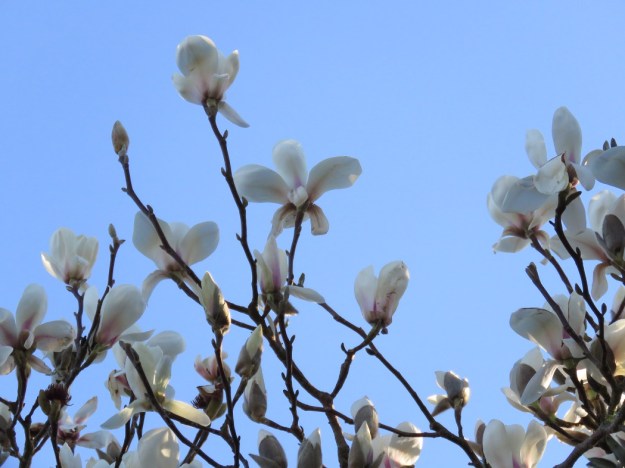 After posting my piece on petal carpets this morning, it was such a gorgeous spring day I headed down to the park with camera in hand. And today, it was Felix’s magnolias that were at peak glory. It’s often an odd feeling living on a family property steeped with the history of earlier generations. Not ghosts, more like an enduring presence. And I wanted to pay tribute to Felix’s little collection.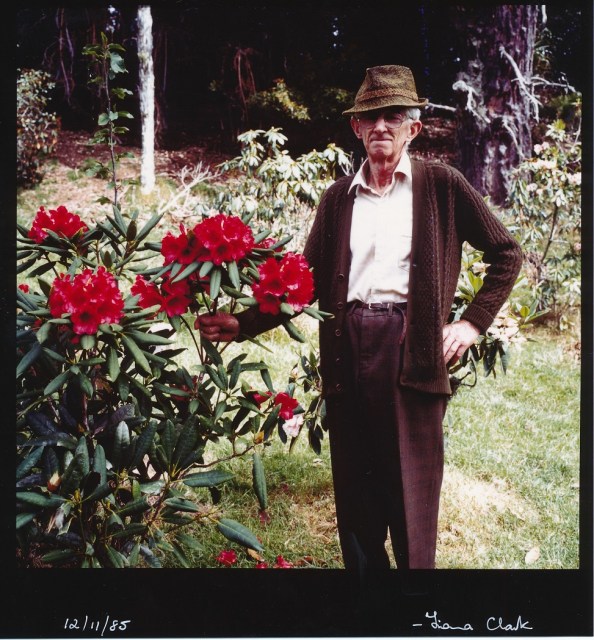
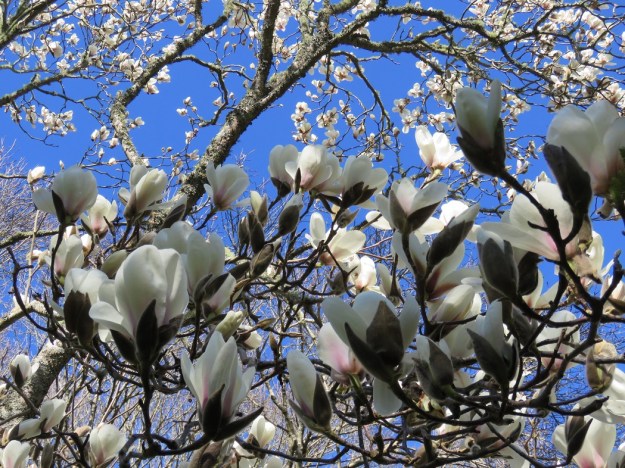


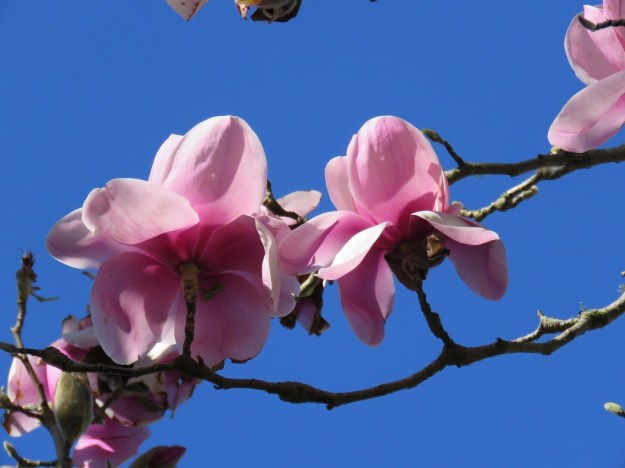
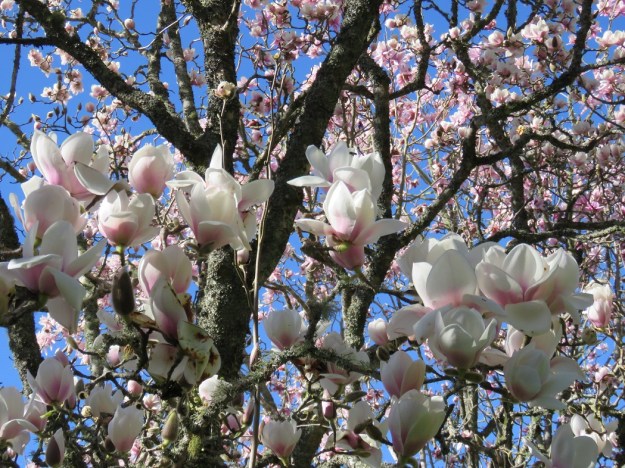
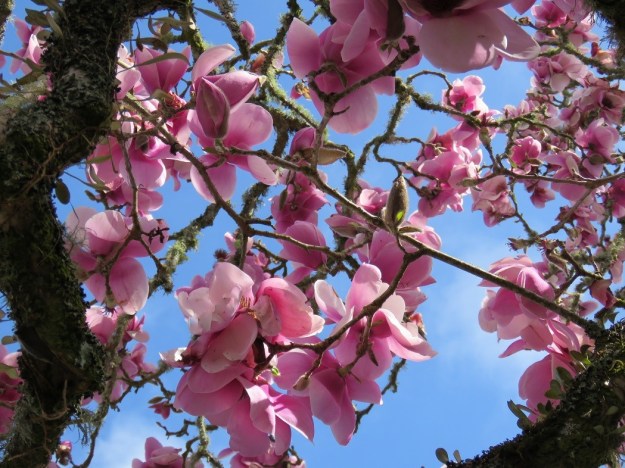
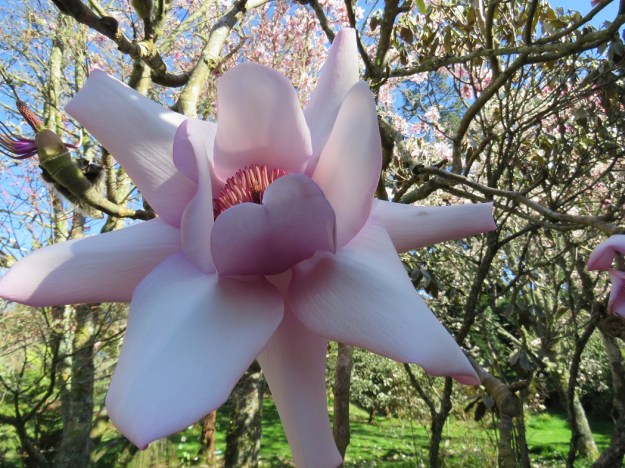
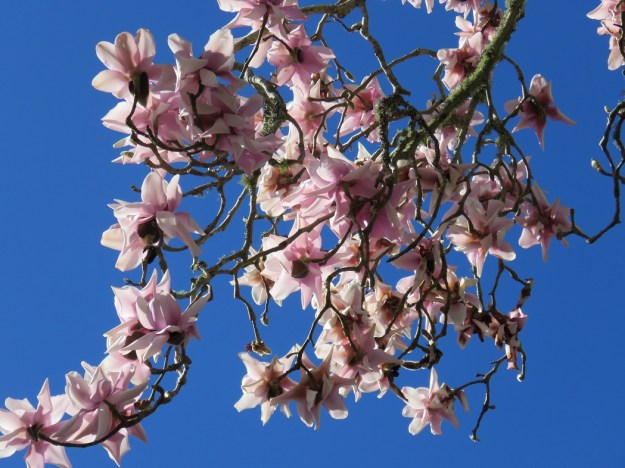
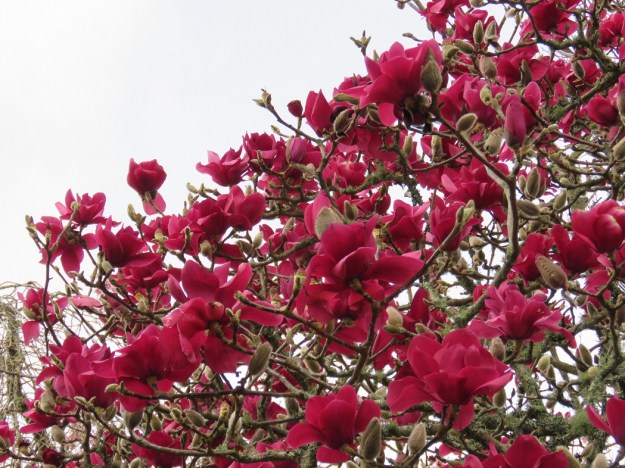
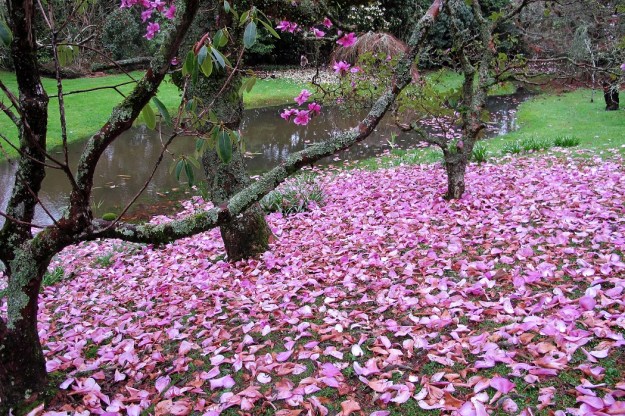
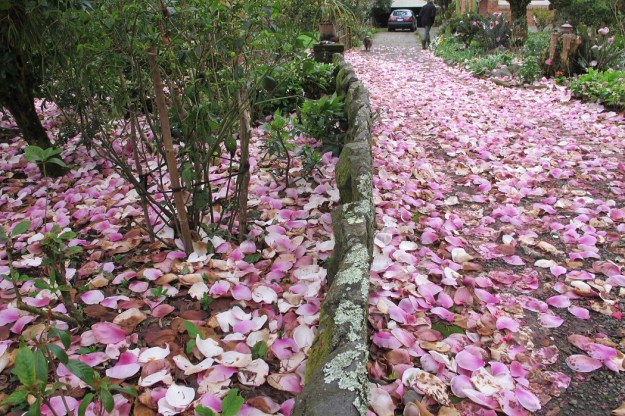
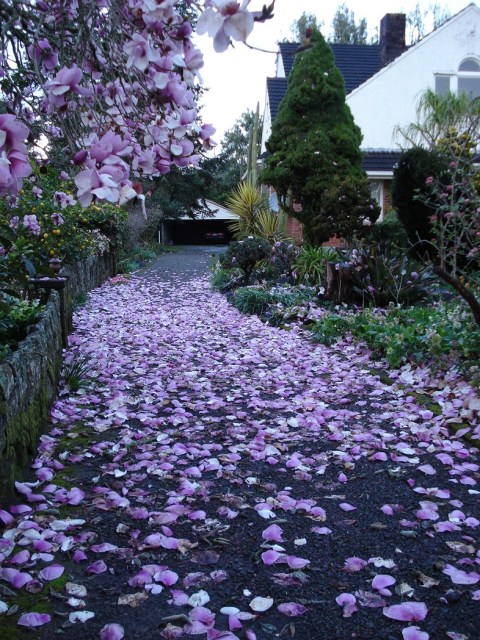 The petal drop from the original Magnolia Iolanthe beside the drive is prodigious. We will rake or blow them off the drive when they turn to unattractive sludge but leave the ones on the garden to break down at their own rate. It is just part of the cycle of growth and decay.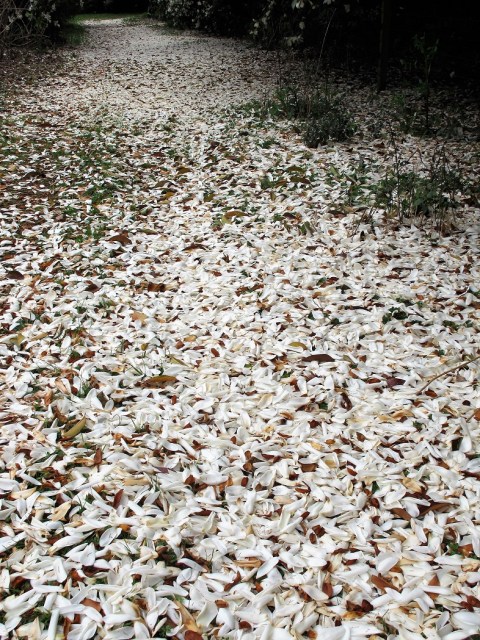
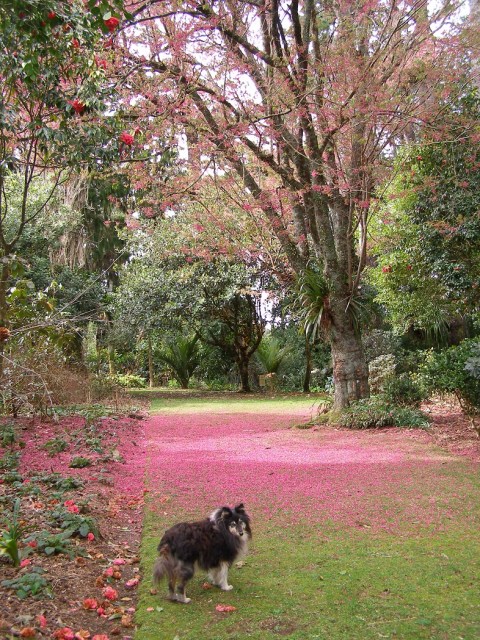
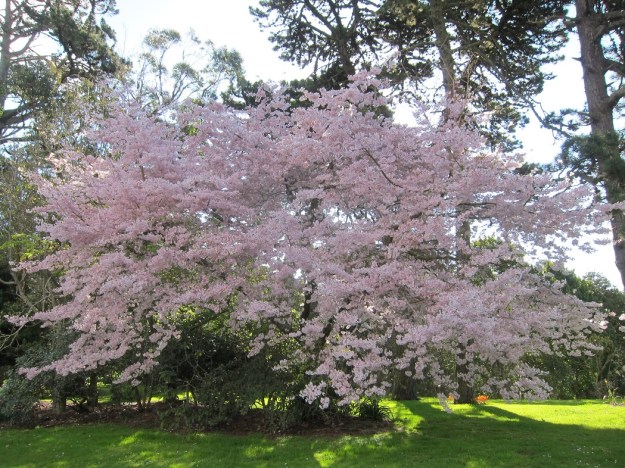
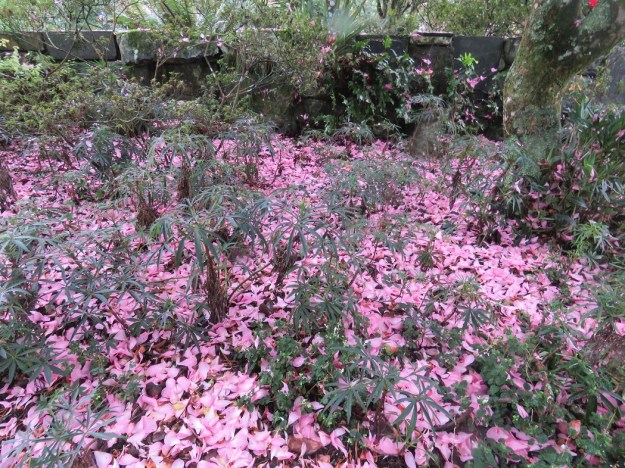
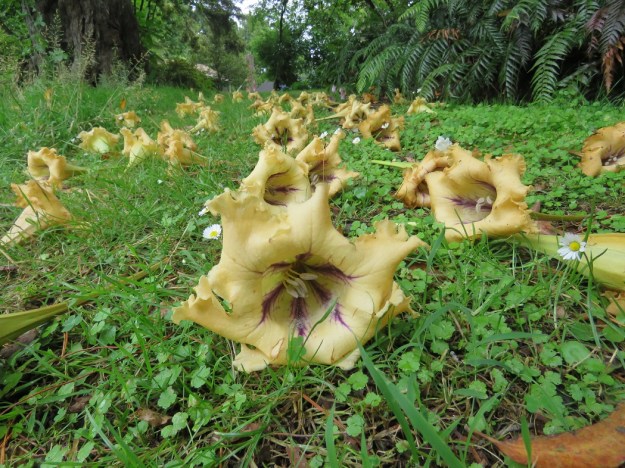
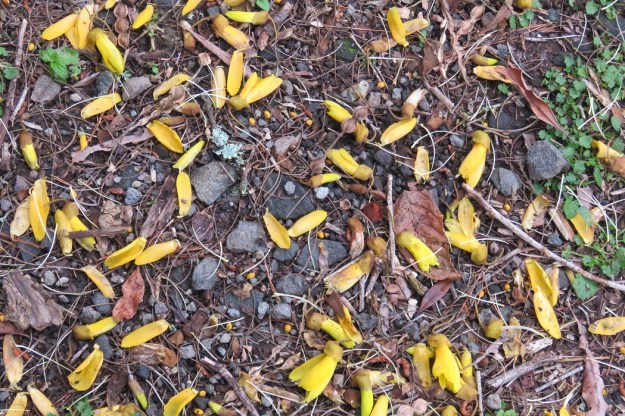
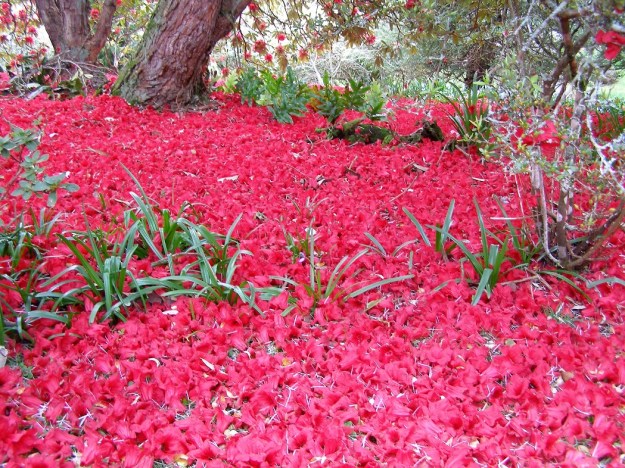
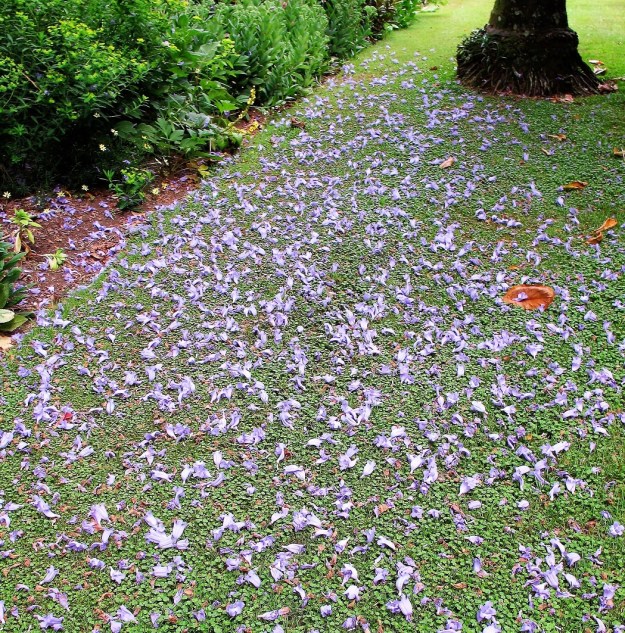 I felt sure I should have at least a few blue petal carpets but all I found was this slightly sparse carpet of jacaranda petals down our avenue garden. There aren’t many blue flowered trees when you think about it – the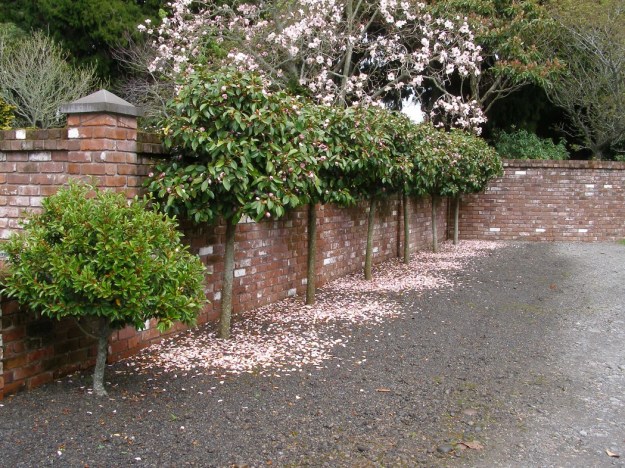
 At the end of March this year, I wrote about
 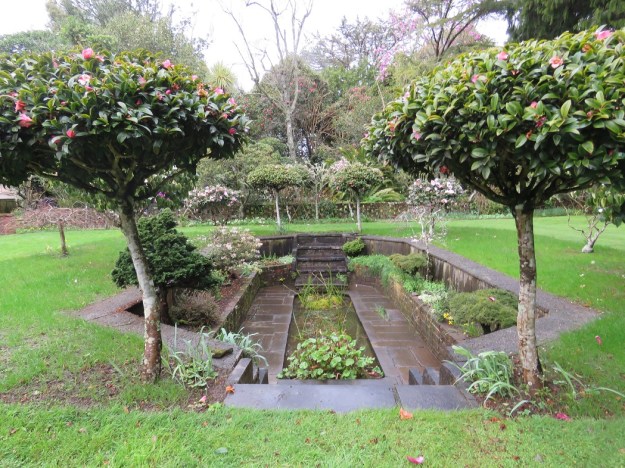 Sometimes there are unforeseen consequences. And we did not forsee this one. Clearly, the cultivated garden borders that were there before soaked up a lot of water. As soon as we cleared them and levelled the ground, the sunken garden started flooding. It is the lack of vegetation, we thought. When we get heavy rain, it is turning the soil to a smooth surfaced, muddy area that sheds the water immediately rather than absorbing it. When the grass grows, it will be better. But no.
 We get heavy rains here, torrential at times. I usually observe that in a climate with relatively high sunshine hours and a relatively high rainfall of 150cm, it means that the rain tends to be heavy and then the skies clear and the sun comes out. We also have excellent drainage; surface water is absorbed within twenty minutes of the rain stopping. But this does not solve the sunken garden problem. The pond is filling with mud, the goldfish are unhappy and the little raised gardens which are in the sunken area are full of treasures that are threatened by the sodden soil.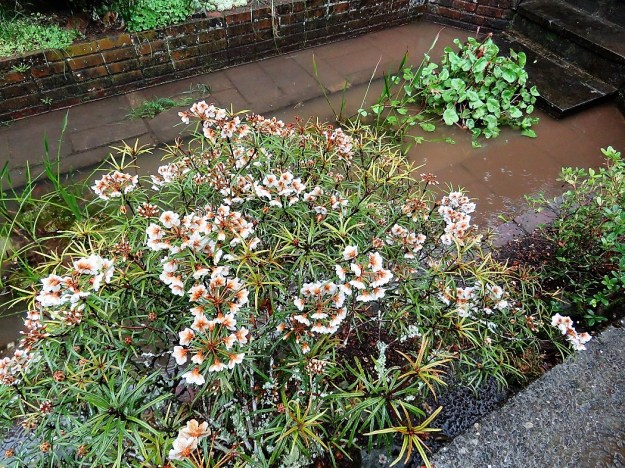
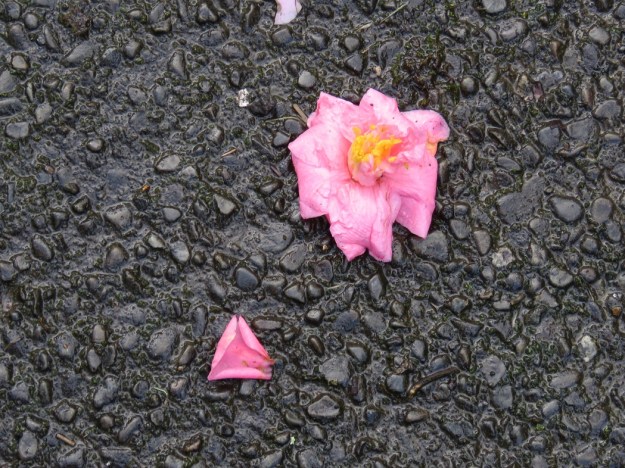
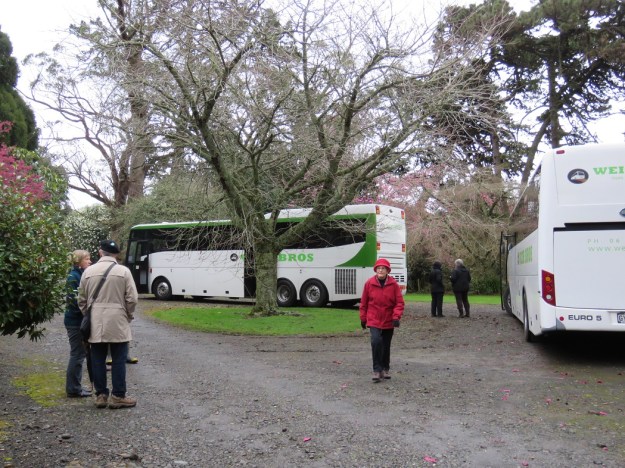 We hosted the Camellia Society conference tour last Monday, the first big group we have allowed in to the garden since we closed five years ago. There is a long-standing connection between the Jurys and the Camellia Society, even though neither Mark nor I are active members, so we wanted to honour that history. It takes quite a lot of work to host a large group and we were somewhat out of practice but it all comes back again.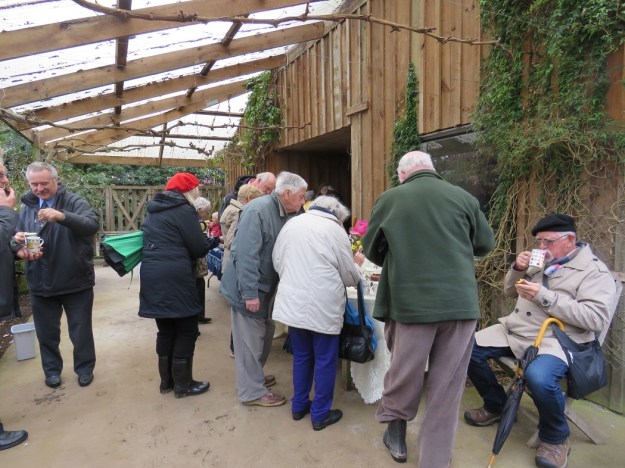

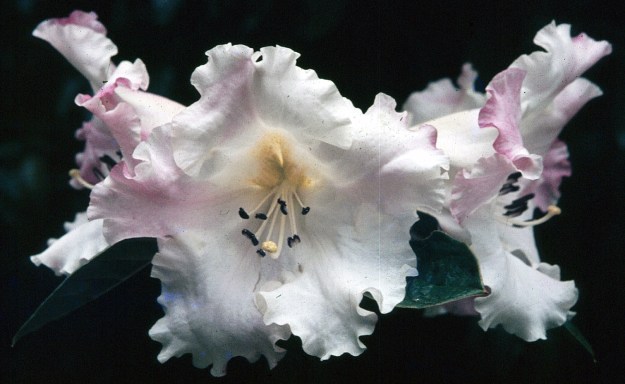
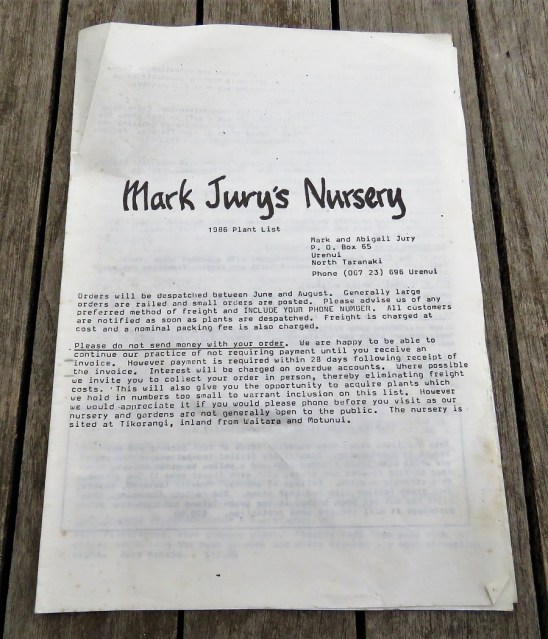
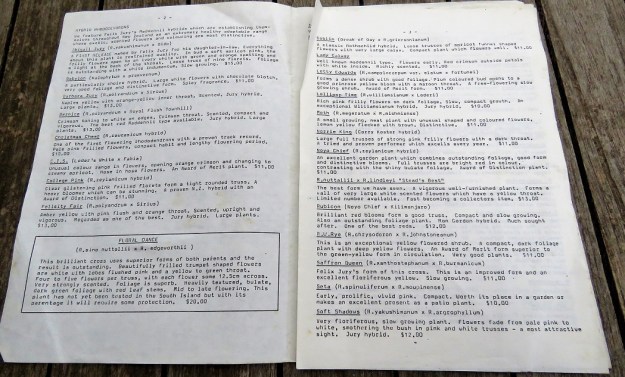 Mark’s father was stationed in the garden, Mark in the nursery and I stood at the ready to welcome people and head them round the garden first. Picture me, flapping my hands ineffectually, trying to split the group as they poured off the coaches and out of the cars, determined to get to the nursery first. We were inundated. For the next hour or so, Mark ran from side of the nursery to the other, frantically hand writing labels. Older NZ readers will know Bill Robinson from Tikitere Nursery who graciously circulated, recommending plants left, right and centre. At the same time a new gardener who shall remain nameless (he went on to establish a large garden that made up in scope what it lacked in detail), whose bank balance was considerably larger than his knowledge, strutted around in very large chequered trousers cut from the same cloth as the finish flag at a race track, big-noting in his determination to buy what everybody else was buying but in multiples. Mark’s sister-in-law and I took the money in a single plastic icecream container. It was the days before eftpos so it was all cash and cheques.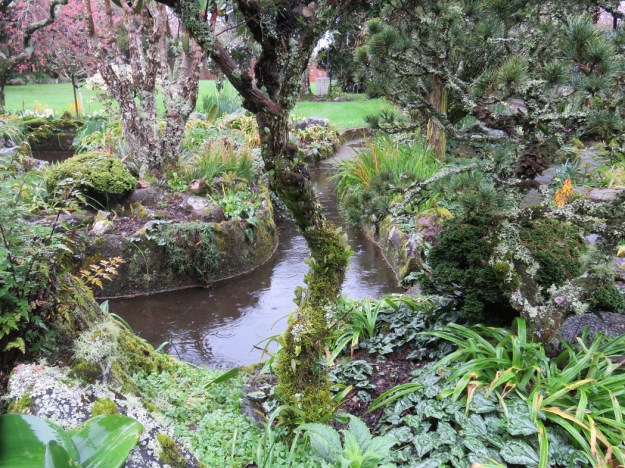
 Tikorangi The Jury Garden