
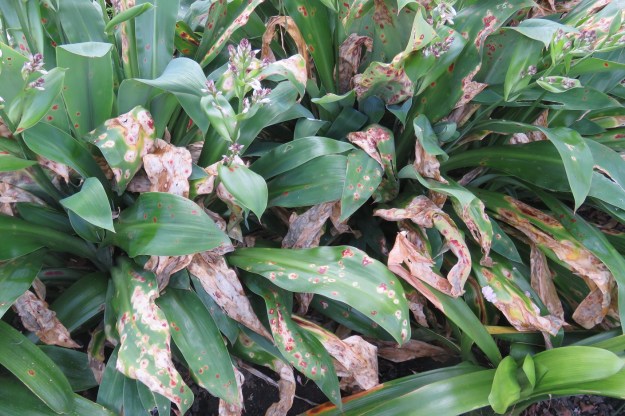
 Our native renga renga lilies are an immensely handy, low maintenance plant for semi shade. However Arthropodium, most commonly A. cirratum, can run into problems. This is particularly evident this spring which may have something to do with the dreary, cool and wet conditions. I saw it out and about while garden visiting around the region last week, most commonly in well established clumps. The unsightly spotting and markings on the foliage looks as if it is a rust but apparently it is not.
I repeat the advice given back in 2010 from a most reliable source, though regrettably these days, it should refer to “the late George Fuller”.
“Esteemed colleague, George Fuller, tells us that it is not a rust that causes orange blotching on renga renga lilies (arthropodium) but in fact a nematode (or wire worm). These critters can build up in a patch over time so if it worries you, it may be necessary to resort to using a systemic insecticide. A systemic insecticide is one that the plant absorbs as opposed to contact insecticides which only kill with a direct hit. The nematode is actually in the plant and it is the same one that attacks chrysanthemums and black currants, answering to the name of afelenchoides ritzemabosi.”
I did a quick net search to see if this is still current advice but after looking a plethora of sites that declare renga rengas to be largely free of pests and diseases, I figured that they hadn’t seen the afflicted plants in Taranaki this year.
Updating for 2016, we are hesitant these days to recommend the routine application of heavy duty systemic insecticide. We don’t know whether a one-off spray will clean up the plants in a single hit or whether repeat applications, maybe even on an ongoing basis, are required. The alternative courses of action are never quite as straightforward of course.
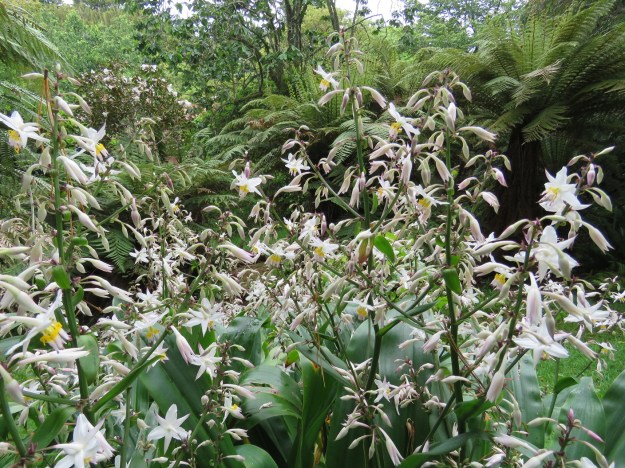 Because the nematode apparently lives in the leaf, not the soil, it seems unlikely that badly infested plants will grow out of it on their own accord. Firstly, look at the infected plants and note whether they are the oldest, best established clumps in your garden. Also take stock of any plants showing clean foliage or very little damage. Our course would be dig out and dump the worst affected plants. Clean up and dig over the ground and either replant with clean renga renga lilies or an alternative. If you have clean plants in your garden, these can be lifted and divided. It may be that they are not showing damage because they have developed some resistance. Given optimum growing conditions and increased air movement, the plants are likely to respond with vigorous new growth. If you only have a few affected leaves, then cut them off but you can only compost them if you make compost that is hot enough to kill bugs and diseases. Otherwise, you are going to have to remove the foliage well away from the site to prevent re-infecting your new plants.
Whether you take the quick and dirty course of using a spray or the longer and more environmentally friendly course is entirely your choice. If you have a bad infestation, it is likely you will want to do one or the other because the plants can look pretty awful as they are.
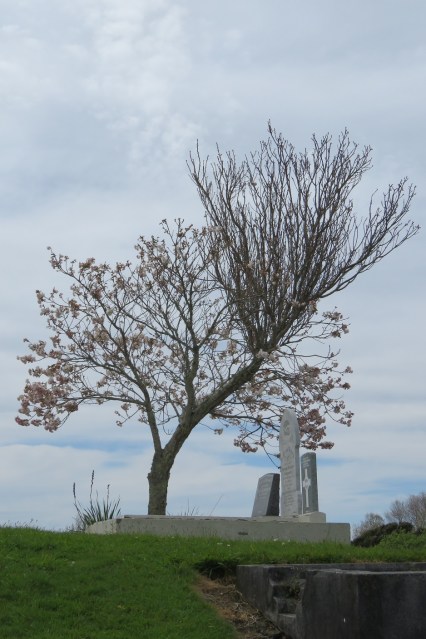
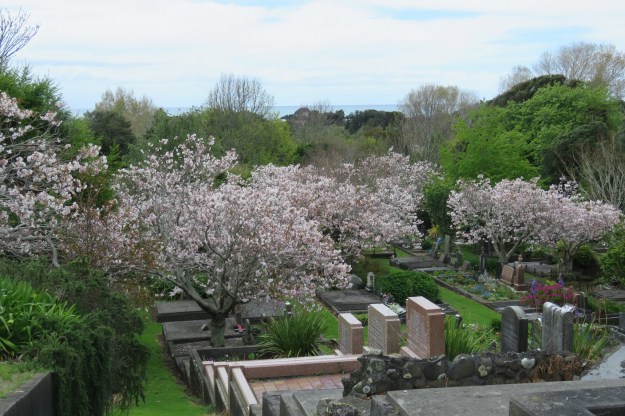



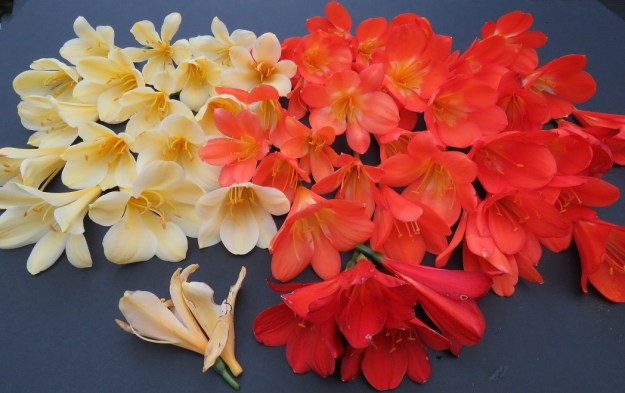 Mid spring brings us vibrant clivias in bloom. The ”contemporary” or “landscaped” look is to block plant in a single colour so you may have a swathe of orange clivias with the yellow ones segregated in a different area. This is not our style, in a garden where we strive for far more of a naturalistic, woodland look – “enhanced nature” seems to be the latest descriptor for this style though it is not a term you are likely to see me using often. We like to blend our plantings and combine the clivias with ferns, astelias, bromeliads and any and all of the other plants we use as the understorey in our shady areas.
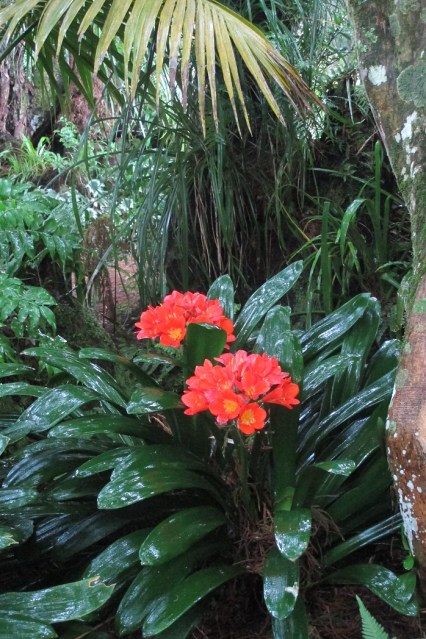 This completely confused a self-described Auckland landscaper I once took around the garden. This must have been back in the 1990s when ambitious but unqualified young people who, in a previous generation would likely have done an apprenticeship, discovered they could earn more money by dispensing advice and services to the growing wealthy of our largest city. He patronised me all the way around the garden – landscapers, you understand, rated themselves further up the social scale than mere gardeners – and at the end pronounced his surprise that we didn’t grow any clivias. I may have a been a little tart when I pointed out he just hadn’t noticed them, for they are there in abundance.
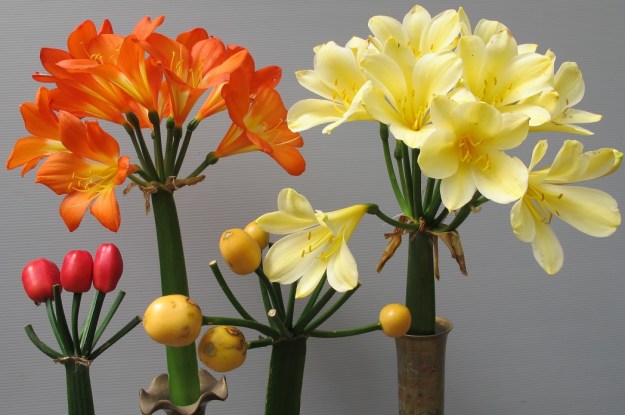
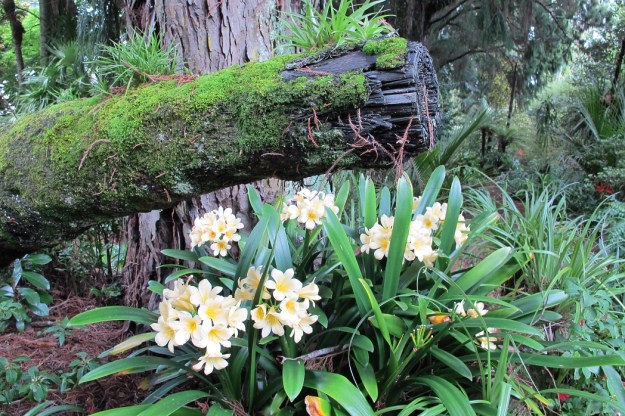 The soft yellows are still a recent introduction but already widely grown, readily available and making a huge contribution in gardens. Extending the colours into peach tones is well underway and of late the combination of white and green in clivias represents another development. One can, when all is said and done, have too much orange in the garden (NABOC syndrome – Not Another Bloody Orange Clivia) whereas the option of other, softer shades can bring welcome variety and interest. If you covet red clivias, you need to be aware that they open orange and age to red. Do not be like the gardener I heard of who bought a swag of large red clivia plants at considerable expense. When the first ones opened orange, she dug them all out.
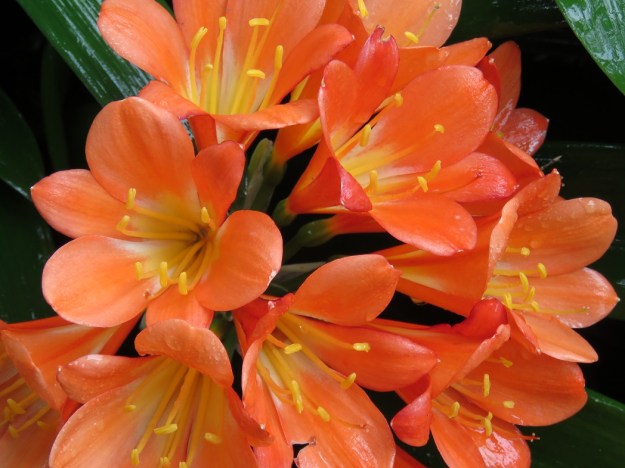 Considering the easy care nature of clivias, you may wonder why they are often relatively expensive to buy. It is all to do with time because they are slow to get established and to reach flowering size. In these days of instant gratification, most gardeners want plants that will perform and be showy in the garden from day one. In the case of clivias, be prepared to pay because it costs nurseries money to hold slow growing plants much longer to reach saleable size.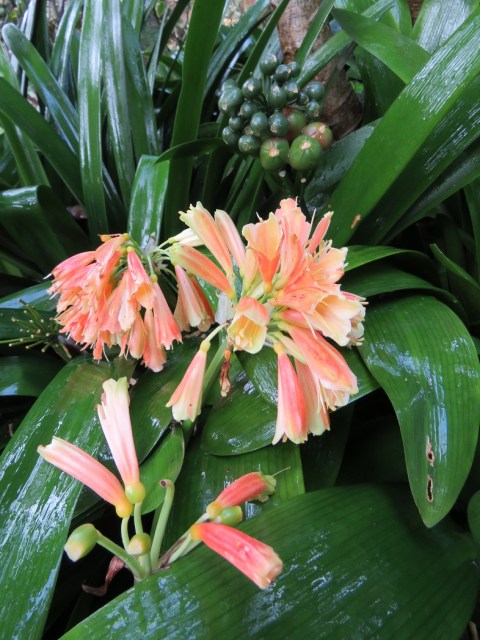
 Tikorangi The Jury Garden