Tag Archives: camellia hedging

Bits and bobs on a winter’s day

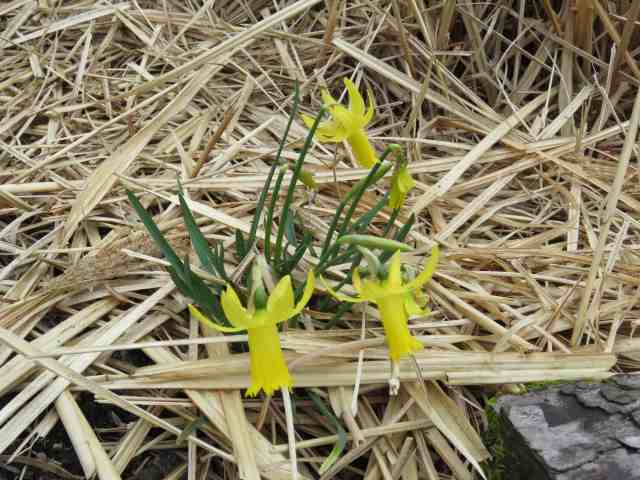
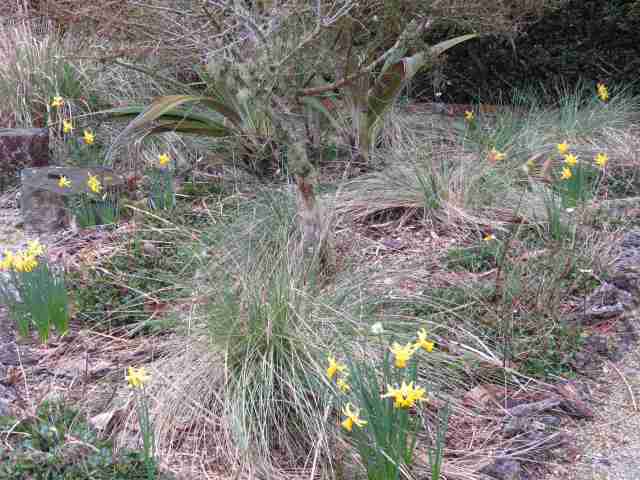
It has been a bitter cold week over the entire country, it seems. These matters are all relative; our daytime temperatures have barely made double digits so sitting in the 10°C to 12°C range with night temperatures about 10° lower. We have certainly complained at length about it. I have been most appreciative of the cheerful narcissi in flower. Yellow must be the most universally cheerful colour of all.

Narcissus cyclamineus hybrids raised from seed

We like the early flowering ones. They cheer up a winter’s day and they are done, dusted and starting to die back when the nasty narcissi flies start hatching out as spring warms up. If you think your narcissi are reducing in number or if they are all foliage and no flower, dig up a few and examine the bulbs. If they feel soft when you press them and if they have few or even no roots, then you have an infestation of narcissi fly.

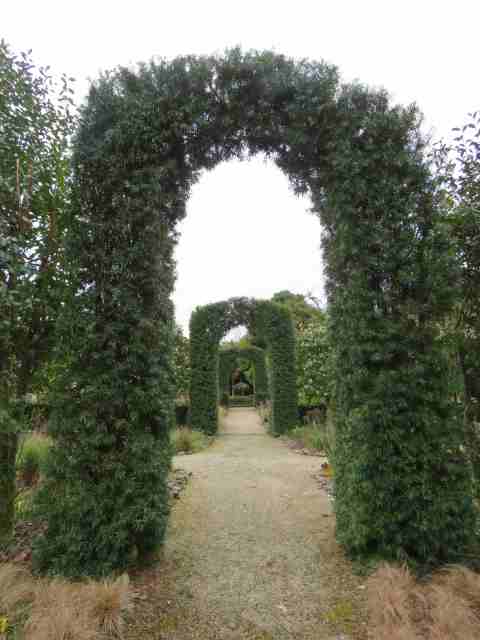
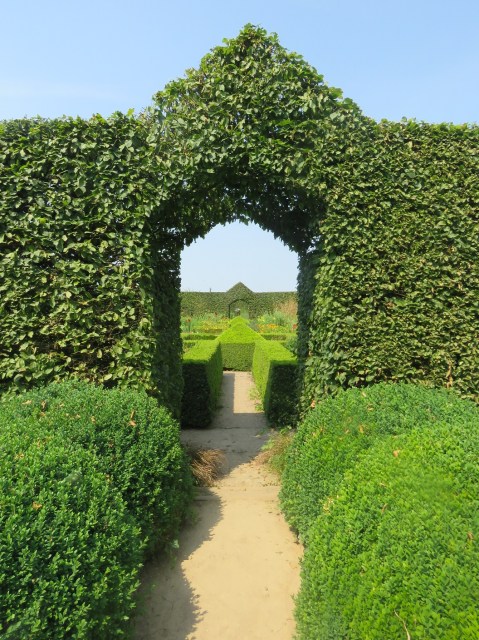
Three archways of Podocarpus parlatorei

Zach has started the spring trimming round. First up were the Podocarpus parlatorei arches. It is a podocarp, as is our native totara, but this one is from Argentina. Mark had them as pillars but when Zach joined us in 2021, he started training them as arches. We own good, tall ladders in case you are wondering. Unfortunately it all has to be clipped by hand because the stems just bend with the electric hedgetrimmer but the end effect is to add some formality to the summer gardens, a defined axis.

Wavy hedges but in camellia plants, not the more common buxus. We had three visible frosts in a row on this week of cold temperatures.
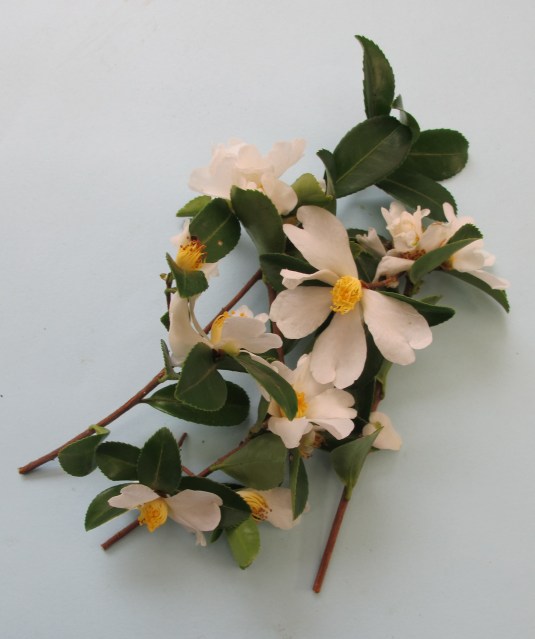
Camellia microphylla is pretty enough in flower in autumn but it only has a short season

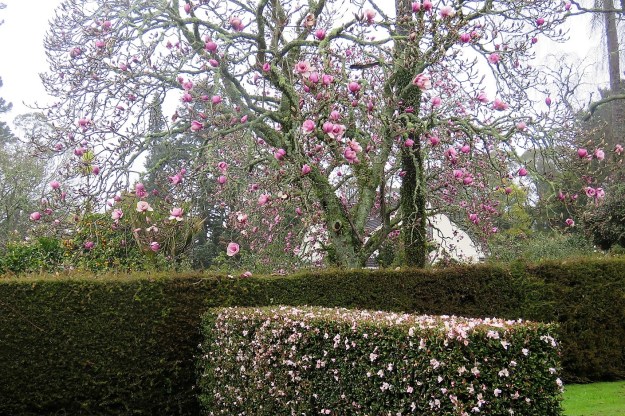
The arches terminate at what we refer to as the wave garden on account of the wavy hedges. Those undulating hedges are not an original idea; we have seen them used overseas and they are a hallmark of English designer, Tom Stuart Smith. However, they are usually done in buxus hedging. Our ones are in Camellia microphylla. This species camellia has a short but pretty enough flowering season in autumn so it has finished for the year. The advantage of using a camellia is that it doesn’t get buxus blight and can be left entirely to its own devices bar one trim after flowering and second tidy-up after its spring flush of fresh foliage.

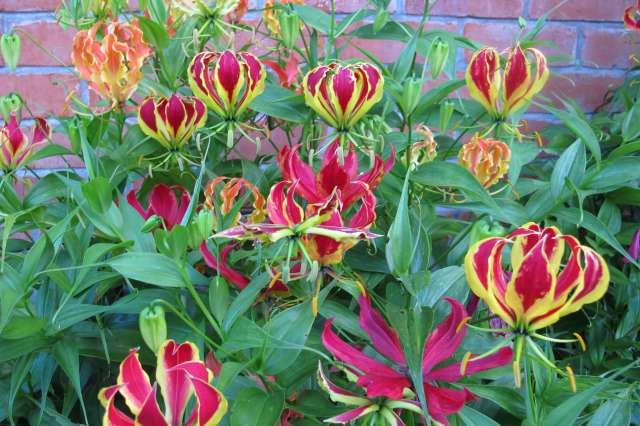
Gloriosa in bloom during summer
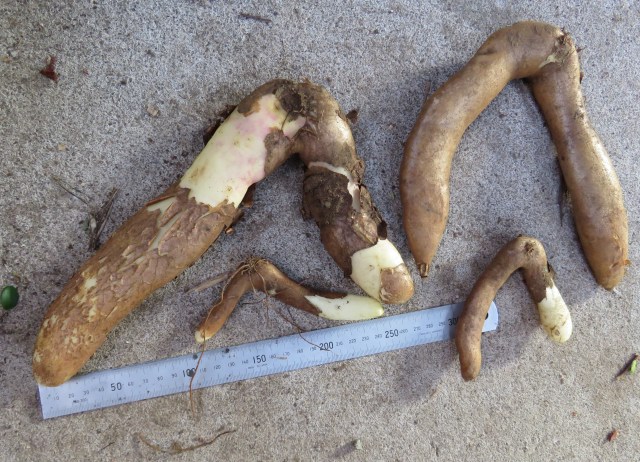
Gloriosa tubers are more commonly the size of the two which are on the bottom

Look at these gloriosa tubers! The so-called climbing lily is not a lily but it is a good cut flower in summer. It is also making itself a great deal too comfortable so we are often thinning them. Zach dug out a bucket full and verily, we were astonished at their size. The smaller two at the front of this photo were what we would usually refer to as a good size, certainly not small. But they are utterly dwarfed by the big thumpers. Gloriosas are actually part of the colchicum family. The gloriosas grow from the tips, not from the centre V (which was last year’s growth point) so you need to make sure your tubers have at one intact tip, preferably two if you are buying it.

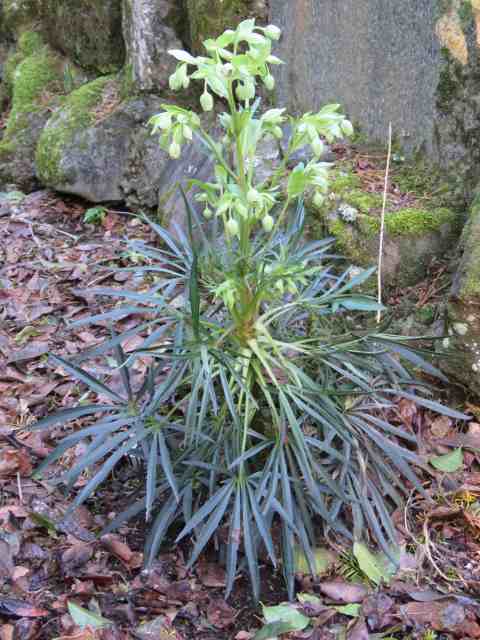
Helleborus foetidus deserves a more flattering name

Finally, I say I am not the world’s greatest fan of hellebores but really, I think I should limit that to the common Helleborus orientalis. I think they often perform better in colder climates whereas we can grow some lovelier plants in our generally temperate conditions (cymbidium orchids, amyone?). But look at this fine, self-sown specimen of Helleborus foetidus. And spare it a thought. I went to check the spelling and came across its Wikipedia entry:

Helleborus foetidus, known variously as stinking hellebore, dungwort, setterwort and bear’s foot, is a species of flowering plant in the buttercup family Ranunculaceae, native to the mountainous regions of Central and Southern Europe and Asia Minor.

What did it ever do to deserve descriptors of stinking and dungwort. Dungwort? I have never actually noticed its aroma but I have often thought ‘now there is an under-sung, remarkably elegant plant’.

Stay warm if you are in Aotearoa this week. Stay cool if you are in the northern hemisphere, suffering from extreme heat, drought and rampant fires.

New Wave Hedging

Le Jardin Plume – a modern garden near Rouen in Normandy

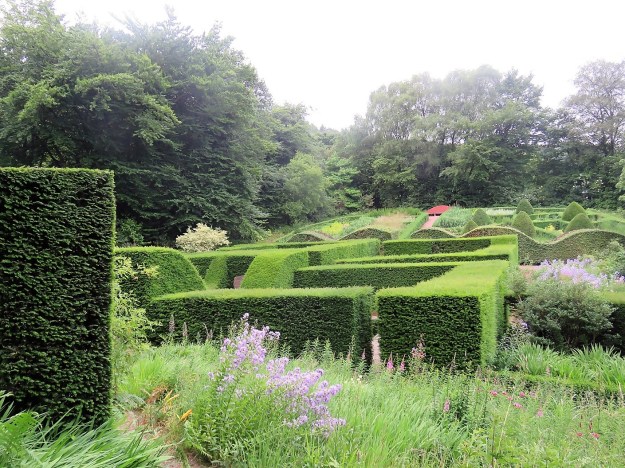
Green walls. Or hedges as they are usually called. We were amazed at the tightly clipped, breaking wave hedges at Le Jardin Plume in France, having never seen anything quite like it. They contain the feather garden for which the entire property is named and as such, perform both a practical and aesthetic function. On that practical level, they shelter the very large perennials which could otherwise be beaten down by summer thunderstorms and, presumably, winds sweeping across the flat landscape. And the tight clipping and distinctive form are a complete contrast to the dynamic waves of grasses and tall, slender perennials.

In the same garden the green walls in le jardin d’ été (the summer garden) are less unusual but still performing the dual function of both restraining and protecting extravagantly loose plantings while providing a sharp contrast in style. The hedges are the structure and form within the garden.

Veddw – a garden in Monmouthshire in the Welsh borderlands

We visited another heavily hedged garden in this northern summer just passed. Veddw is in the Welsh borderlands and the owners have used hedging throughout to create the form and structure they were after. In one of the hedged enclosures, they have done a gentler take on rounded shapes,  evocative of their wider landscape of rolling hills. It is a sculptural approach where the interest lies in the shapes and reflections in the black pool, not in the plants themselves.

Veddw again. A garden defined by hedges

Most of these northern hedges are buxus, yew or beech. In New Zealand, we are generally less favourable towards beech because it is deciduous. Yew is deadly poisonous to stock and also does far better in drier climate than our high rainfall and humidity of Taranaki which tends to kill it off with root disease. Which leaves buxus, now much afflicted by the dreaded blight in many gardens.

Tikorangi – the view in September of a Fairy Blush hedge and the historic totara hedge

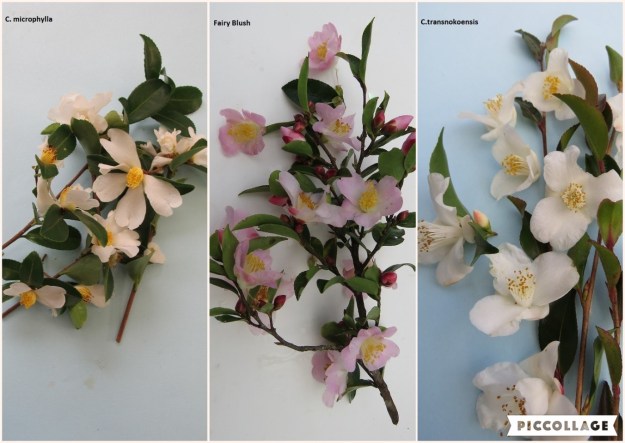
Our personal preference is for flowering hedges. Indeed, we pulled out a well-established and perfectly healthy buxus hedge to replace it with Camellia transnokoensis. It is all to do with winter blooming – the single camellia flowers provide pollen and nectar at a time when there are few other sources of this food. Our favourite camellia for clipped hedging is ‘Fairy Blush’, partly because it is our cultivar and the first camellia Mark ever named. It is also scented with the longest flowering time of any camellia we grow, coming out with the sasanquas in autumn and flowering right through to spring.

The aforementioned C. transnokoensis has a shorter flowering season but attractive dark foliage and small, pure white blooms. The third camellia we have made extensive use of for hedging is C. microphylla, even though it flowers earlier in autumn – pure white flowers again and small leaves that clip well. Both these two species set seed. If you can find them growing, you may well find seedlings germinated around their base. Or check for seed in autumn if you are a patient gardener who is willing to put a bit of effort into a free hedge.

All our hedges are flat topped affairs, lacking the panache of both Le Jardin Plume and Veddw but I am eyeing up a somewhat redundant length of buxus hedging and wondering about reshaping it to an undulating caterpillar.


I have been told that New Zealand features more hedges per average garden than most other countries. This may be to do with our being a windy country. Equally, it may be that plants are relatively cheap here and require less capital outlay than building a wall in more permanent materials. However, what may have started from pragmatic origins is a far more environmentally friendly option these days. My advice is to pick a hedging option that will only require clipping once or twice a year and if you are going to be adventurous with the plant selection, do some research first. Hedges need to be from plants that will grow back from bare wood and some less common selections like miro (instead of yew) and Magnolia laevifolia (formerly Michelia yunnanensis) can take a fair number of years before they achieve the dense appearance of a hedge.

We are pretty proud of our remaining length of totara hedge, planted around the turn of last century by Mark’s grandfather or great grandfather and kept clipped for nigh on 120 years.

First published in the September issue of NZ Gardener – my penultimate or maybe final column for this magazine. 

Early flowering camellias

First published in the Weekend Gardener and reproduced here with their permission.
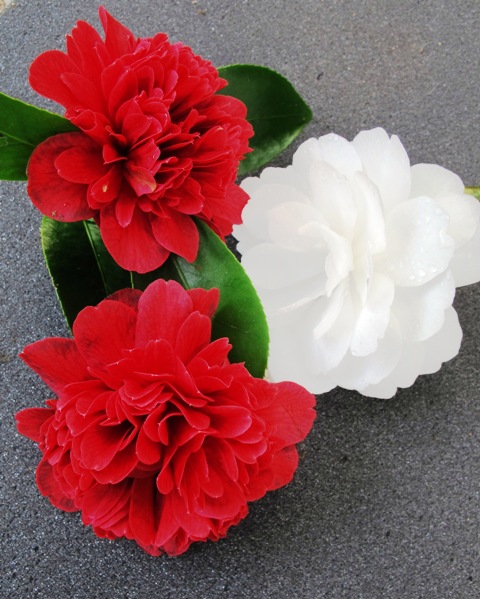
White ‘Early Pearly’ is one of the most beautiful of the sasanquas, while red ‘Takanini’ is a japonica which flowers from early to late in the season.

White ‘Early Pearly’ is one of the most beautiful of the sasanquas, while red ‘Takanini’ is a japonica which flowers from early to late in the season.

There is always something magical about the first flowers and camellias are no exception. They seem fresh and new, heralding the progression of seasons. While the main camellia season is from late winter to mid spring, the earlier varieties bring colour to the late autumn and early winter garden. Early flowers also escape the curse of camellia petal blight which affects mid and later season varieties.

Early camellias fall into three groups: the sasanquas, early flowering species and a few japonica types and hybrid camellias which have an exceptionally long flowering season, continuing from early to late.

We particularly enjoy the charming sasanqua ‘Crimson King’, seen here as a mature shrub with a graceful, arching form.

We particularly enjoy the charming sasanqua ‘Crimson King’, seen here as a mature shrub with a graceful, arching form.


Camellia sasanqua ‘Bonanza’ is a bright spot of colour on a grey day

Camellia sasanqua ‘Bonanza’ is a bright spot of colour on a grey day

The sasanqua camellias originate in Japan and are renowned for being sun tolerant, having smaller leaves and being suitable for clipping to hedges. While some are slow to get going as garden plants, over time they can make graceful, airy, large shrubs. They mass flower and most are scented, in a mossy, slightly sweet sort of way. Their blooms are softer and lack the defined form and substance of most later flowering camellia types. This is an advantage when the flowers fall and break up quickly, rather than leaving a sludge of brown at the base of the plant. While white sasanquas have been particularly popular for some years, they also come in a whole range of pinks to red tones and bi-colours. We prefer the coloured ones for a splash of winter cheer in the garden when there is not a lot else in flower.

‘Fairy Blush’ is a scented hybrid with a very long flowering season.

‘Fairy Blush’ is a scented hybrid with a very long flowering season.

There are a range of early flowering species but these are unlikely to be found for sale these days. The most useful of them for us, are dainty little C. brevistyla and C. microphylla which offer potential as replacements for buxus hedging and are a great deal prettier than box when in flower.

There are some japonica and hybrid camellias which have remarkably long flowering seasons. In the reds, ‘Takanini’ flowers early, middle and late and should be readily available. Later season blooms develop an unusual purple hue. ‘Roma Red’ is a new release and not as widely available, with its formal flowers in mid red. ‘Mimosa Jury’ is a perfect formal in pretty pink and shows good weather hardiness. ‘Fairy Blush’ is a scented, small flowered pale pink and white miniature bloom with an exceptionally long season. These varieties open their first flowers with the sasanquas but continue long after they have finished and will still have flowers when the late season varieties are on show.
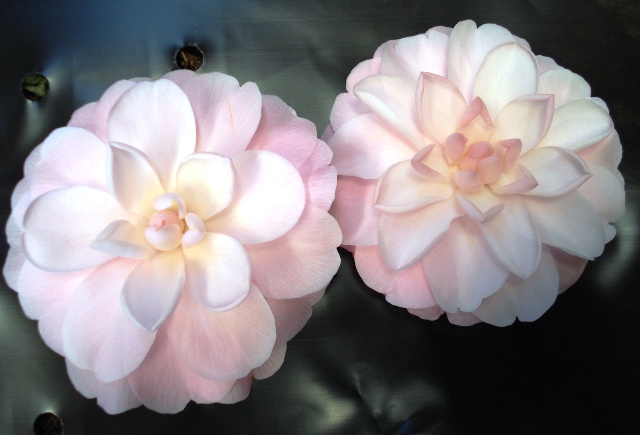
For perfection in a bloom, it is hard to go past the formal shape of Camellia ‘Mimosa Jury’ which has the added benefit of showing good weather tolerance without marking badly.

For perfection in a bloom, it is hard to go past the formal shape of Camellia ‘Mimosa Jury’ which has the added benefit of showing good weather tolerance without marking badly.

GROWING CAMELLIAS IN CONTAINERS

Camellia ‘Itty Bit’ is a dwarf variety that has been kept in a pot here for 20 years

Camellia ‘Itty Bit’ is a dwarf variety that has been kept in a pot here for 20 years

All camellias can be grown for a year or two in a pot but you are fighting nature if you want to keep a larger growing variety long term. Plants need repotting every two years to keep them healthy and lush. Unless you are root pruning and shaping the plant regularly, larger growing varieties will soon get too big to handle.

Do not make the mistake of thinking that small flowers mean the plant is small growing and vice versa. You are better to start with varieties with words like “compact”, “dense growth”, “dwarf”, or “slow growing” in their description. Where heights are given, pick those of 100cm or under (and remember that heights are almost always understated on plant labels).

We have had Camellia minutiflora in a succession of containers for about twelve years. We have a miniature “Itty Bit” which has been featured in a container for at least twenty years. On the other hand, it is clear that “Spring Festival” is going to be too large after only three years.

Rules of thumb are not to drown a small plant in an over large pot, to ensure that the pot has plenty of drainage holes at the base and to use a good quality potting mix with slow release fertiliser. Feed by top dressing after the first year and repot with fresh mix after two years.

WHITE SASANQUA CAMELLIAS
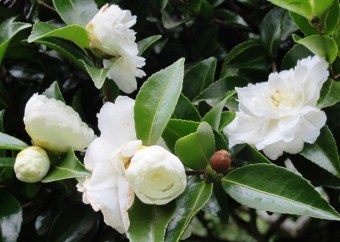
There is a range of sasanqua camellias in white. ‘Silver Dollar’ has a long flowering season and is an excellent option for a more compact hedge.

There is a range of sasanqua camellias in white. ‘Silver Dollar’ has a long flowering season and is an excellent option for a more compact hedge.

While ‘Setsugekka’ is the best known white sasanqua in this country, it is not the only one. For perfection in a sasanqua bloom, it is hard to go past ‘Early Pearly’ with its formality in that shape that resembles a water lily. It is unusual to see a formal flower in sasanquas. ‘Silver Dollar’ is a smaller, bushier growing white with a mass of pompom flowers over a long season. It makes an ideal lower hedge option, able to be clipped to about a metre high. ‘Mine No Yuki’ is a slow growing variety, though will ultimately get large if it is not clipped (ours is at least 3 metres high and spans 4 metres wide, though that is after about 50 years). ‘Weeping Maiden’ grows rapidly to give a quick result with its arching growth and masses of large, single white blooms with golden stamens.

CAMELLIA PETAL BLIGHT
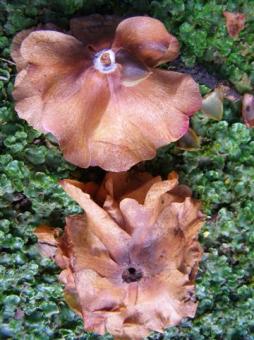
Camellia petal blight shows in the top flower as a distinctive white ring whereas the lower flower has been spoiled by botrytis.

Camellia petal blight shows in the top flower as a distinctive white ring whereas the lower flower has been spoiled by botrytis.

If you have been thinking that your mid season camellia display is not what it used to be, you will be right. Camellia petal blight has taken firm hold and cut the display to a fraction of what it used to be.

We have always had botrytis in New Zealand. It is the fungus that turns camellia flowers dark brown and mushy, especially in long periods of damp weather. Petal blight is different. It turns the flowers to a paler coloured mush, spreading through each bloom rapidly. A brown mark one day can cover most of the flower the following day. If you turn the affected bloom over and remove the calyx (the small cap holding the petals together at the end of the stem), you will see a white fluffy ring, indicating camellia petal blight. If it is dark and greyish, it is botrytis. Unfortunately, blighted flowers often hang on the bush rather than falling cleanly. Petal blight is a great deal more rampant than botrytis.

There is no cure and it will take many years before we see resistant varieties on the market. It does not usually take hold before late June or July, so the early flowering camellias can get through with their mass display unaffected.
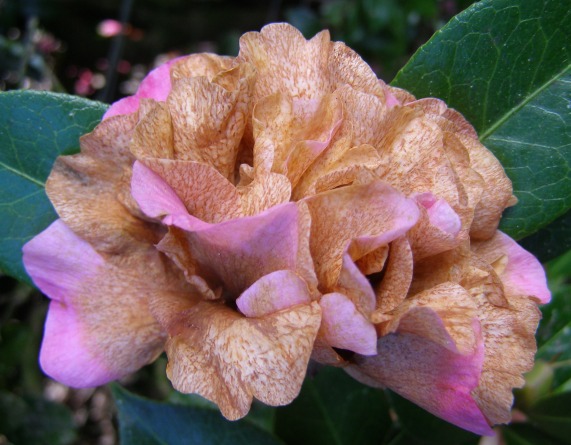
The ugly face of camellia petal blight which affects mid and later season blooms.

The ugly face of camellia petal blight which affects mid and later season blooms.

Camellia species can be grown from seed. There will be some seedling variation in the plants but they are usually close enough on appearance for hedging purposes. These are last year’s red seed pods on C. microphylla.

Camellia species can be grown from seed. There will be some seedling variation in the plants but they are usually close enough on appearance for hedging purposes. These are last year’s red seed pods on C. microphylla.

COMPACT CAMELLIA HEDGING
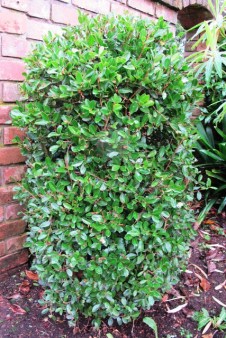
Camellia species brevistyla and microphylla offer an option as buxus hedging replacement and can be grown from seed. This plant is C. brevistyla.

Camellia species brevistyla and microphylla offer an option as buxus hedging replacement and can be grown from seed. This plant is C. brevistyla.

Simply the best camellias we have found as a potential replacement for buxus hedging are C. brevistyla and C. microphylla. These two species are very hard to tell apart and must be closely related. Their leaves are a little larger than buxus but they clip very tidily and are a good dark green. Both species have pure white single flowers very early in the season. C. brevistyla is a little slower growing and smaller but its flowering is over quickly. We have built up C. microphylla as replacement hedging for our own garden.

These species may be hard to source but if you can find a parent plant, they can be raised easily from seed. Both set seed freely. Ask at your botanic gardens. Both species were sold in the past by Camellia Haven in Papakura.

There is nothing special about the individual blooms on Camellia sasanqua ‘Showgirl’, but at the time when it flowers, there is nothing to rival its showiness.

There is nothing special about the individual blooms on Camellia sasanqua ‘Showgirl’, but at the time when it flowers, there is nothing to rival its showiness.

The dainty flowers on both C. microphylla and C. brevistyla are almost identical but last longer on the former, seen here.
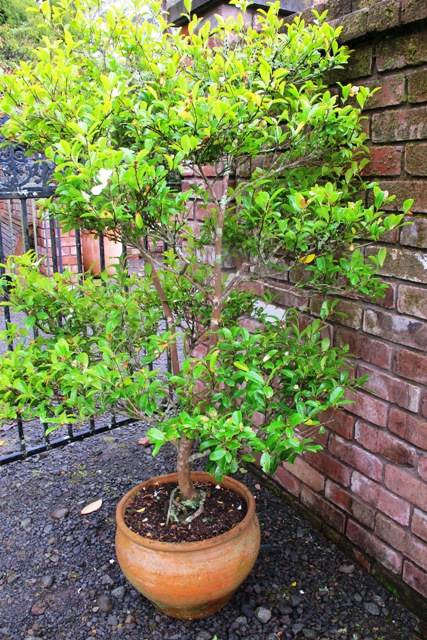
The dainty flowers on both C. microphylla and C. brevistyla are almost identical but last longer on the former, seen here.

C. microphylla has been kept clipped and shaped in containers for at least 12 years.

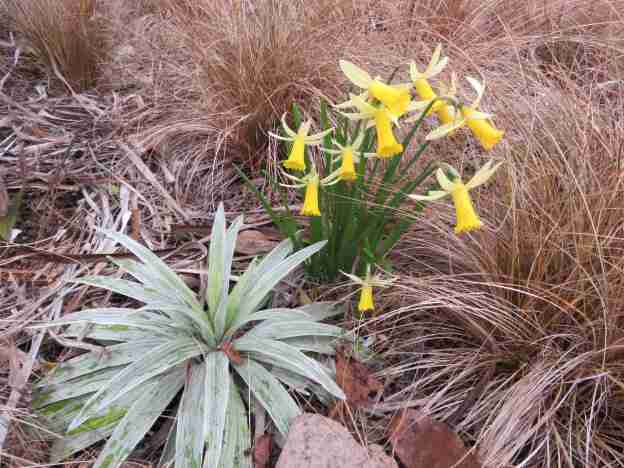
C. microphylla has been kept clipped and shaped in containers for at least 12 years.

Late winter equals magnolias here

Magnolia Black Tulip is opening its flowers here now

Magnolia Black Tulip is opening its flowers here now

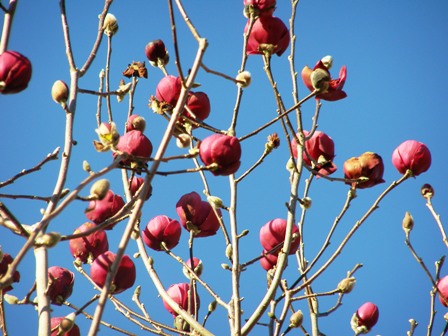
We were greatly amused to discover that Mark’s Magnolia Black Tulip was presented to the Queen last year. Yes, as in Queen Elizabeth of England. Apparently she likes magnolias. Sadly, we were not invited to the ceremony. It is coming into flower here now and you too can buy a magnolia fit for a queen. What is more, you get to meet Mark or me in person at the same time. Our trees on a sunny slope are coming into flower now, though it is still early in the magnolia season for us and peak display won’t be for another fortnight or so. Many of magnolia plants have flower buds so you can get the benefit of flowers immediately – the days when you had to wait a decade are long gone. Black Tulip is a splendid option for a feature tree to be viewed close up, so is ideal for smaller gardens. Because the flowers are so dark, it can meld in the bigger landscape where some of the larger, bolder flowered types will have more impact, but its perfect form certainly seems to appeal to people when they view it close up.

Camellia Apple Blossom Sun - one of the field grown hedging options we have available here at the moment

Camellia Apple Blossom Sun - one of the field grown hedging options we have available here at the moment

If you are after hedging, we have various options in camellias from small plants for small, low hedges to small plants for people with small budgets and patience, to instant hedges for those with larger budgets (they will still be cheaper than building a fence!). We have crops in the field (in other words we will dig to order) which are around five to six years old and ready for instant impact. Options include Mimosa Jury, Dreamboat, Apple Blossom Sun, Moon Moth, Roma Red and transnokoensis. These field grown plants are not listed under plant sales on the website – you will need to talk to us about them.

We are open for plant sales every Friday and Saturday (other days by appointment) and we have Eftpos here but we only sell to personal customers. Sorry, no mailorder. If you want to check what else we have available, check our Plant Sales