Tag Archives: gardening

The saga of Yucca whipplei

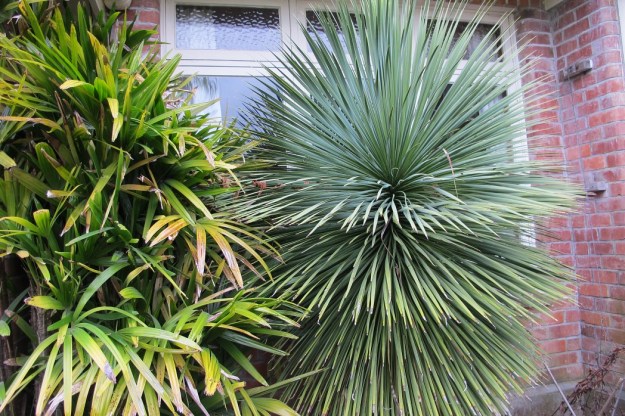
Yucca whipplei did at least give total privacy from garden visitors when sitting indoors

Yucca whipplei did at least give total privacy from garden visitors when sitting indoors

It was a bit of a milestone here last week as we completed the task of Moving Yucca Whipplei. This has been such a long story that I even have a folder of photos on my computer devoted to the move. When we planted the yucca in the narrow border by the house getting on for 30 years ago (I am pretty sure Felix was still alive at the time), I guess we figured it would be a tidy mound of grey foliage in that difficult dry border. Obviously neither Mark nor I looked it up and this would have been prior to the age when it was easy to do a quick net search.

But Yucca whipplei grew. And grew until it blocked almost the entire window of our TV room. While not as fiercely prickly as some members of the yucca family, it was not a plant with which you would want to tangle. I stopped cleaning the outside of that set of windows. A few years ago I declared I wanted it gone, which to Mark meant it had to be moved, not destroyed.
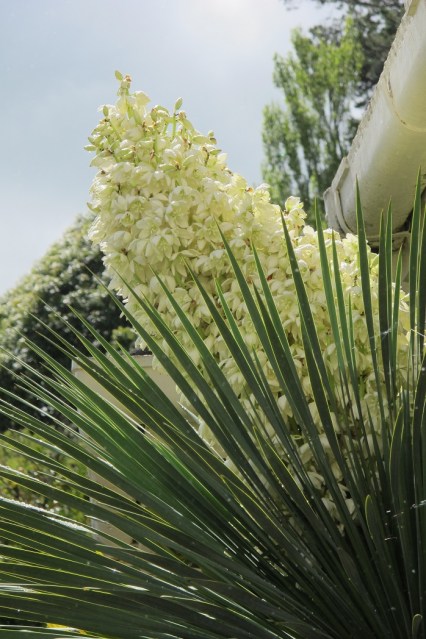
After more than 25 years, it flowered
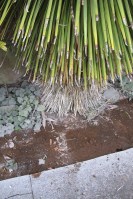
After more than 25 years, it flowered

005Our ever handy man on the spot, Lloyd, cut back the concrete in anticipation of the move. That was on June 14, 2012. But time passed and other jobs always seemed more urgent. Towards the end of 2014, we spotted a flower spike forming. That was pretty exciting, given that the plant was over 25 years old and had never bloomed before. Moving it was out of the question.

The flower was a delight. Spectacular, even, as it grew ever bigger – reaching past the roof on the lower storey of the house. The flower passed and still the yucca remained.

Peaking above the roof on the first storey

Peaking above the roof on the first storey

Come September last year, the men were coming to install double glazing on that window so the main spike was cut down and removed. This was no mean feat. Mark had hoped he could chainsaw it off but the leaves just chewed up and choked the chainsaw. There was no alternative to clippers and a hand saw.

Removing the main stem last year

Removing the main stem last year

The remaining stump sprouted most enthusiastically and this year, I created the ideal spot out of the way on a sunny hillside where it could be relocated to its forever home. Fortunately, a yucca is not like a tree where the root system is critical but even so, it was a fairly major exercise to dig it out and then lift it away. It is now safely planted well away from any windows and we hope to see it flourish. The hot, sunny, protected position left vacant outside our TV room windows is destined to be the new home for a frangipani that has been waiting in the wings (which is to say, in Mark’s covered house). We are extremely marginal for a frangipani, but I have my fingers crossed.

The final removal was no small task and involved two men, a tractor and a heavy chain

The final removal was no small task and involved two men, a tractor and a heavy chain

I see I wrote in October last year: “As far as we know, this is Yucca whipplei, also known as Hesperoyucca whipplei, chaparral yucca, Our Lord’s candle, Spanish bayonet, Quixote yucca or foothill yucca. So Wikipedia tells me. Apparently the most common name is Our Lord’s candle. It being native to southern America from California through to Mexico, it clearly felt right at home in the bone dry conditions of the house border beneath the eaves.”
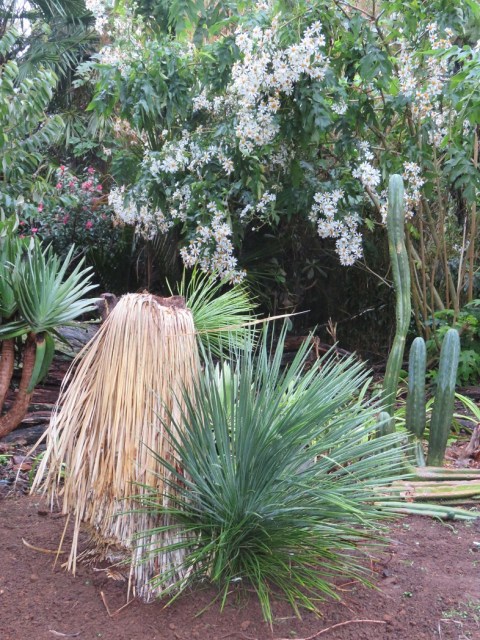
Yuccan whipplei in its 'forever home"

Yuccan whipplei in its ‘forever home”

That chapter has closed. Our Lord’s candle is set to burn with renewed vigour over on the sunny hillside.
009

Conversation on Radio Live

IMG_8498

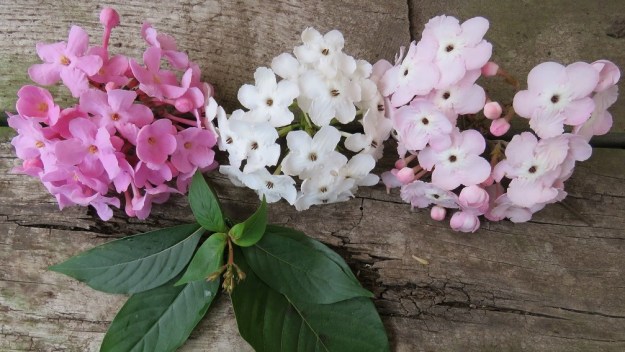
Luculias left to right: gratissima ‘Early Dawn’, pinceana ‘Fragrant Pearl’ and pinceana ‘Fragrant Cloud’

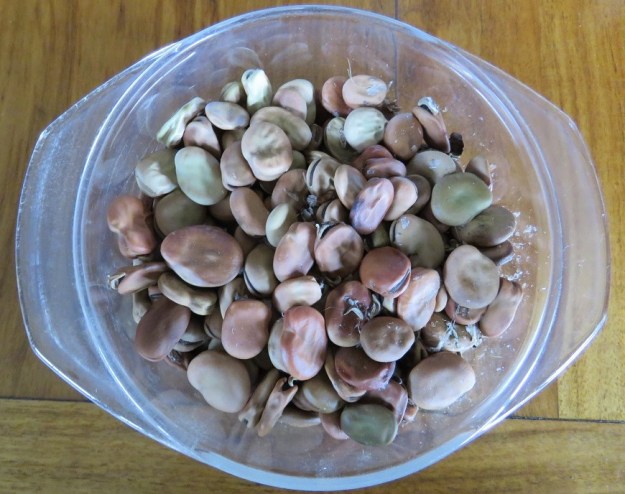
Fava beans (dried broad beans)

It appears common to call dried broad beans fava beans

I will be back on the radio at 6.30am this Sunday morning, talking gardening with Tony Murrell on Radio Live. It goes to air live (yes I do drag myself out of bed at 6.15am to make a cup of tea in anticipation) so the topics covered may range widely but it is likely that we will be talking about broad beans, luculias, pruning wisterias and high maintenance plants. And garlic, again. If you are worrying about how to prune your wisterias, I put up a step by step sequence here. 

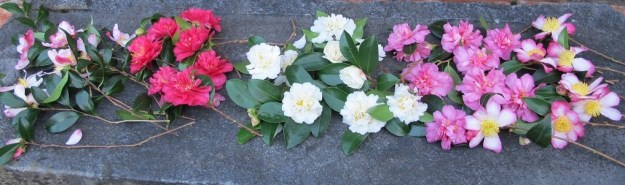
Sasanqua camellias

Sasanqua camellias

I can understand that many may not be awake at 6.30am on a Sunday morning, but the segment is subsequently put on line. Last week, we discussed the glyphosate controversy, planting garlic and strawberries, what is currently blooming (sasanqua camellias, Cyclamen hederafolium and the montanoa or Mexican tree daisy) amid a fairly free ranging conversation.

IMG_8436

The montana in bloom this week

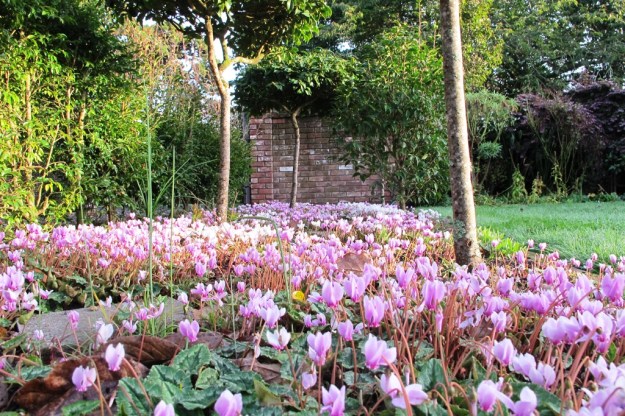
Cyclamen hederafolium

Cyclamen hederafolium is just past its peak but has been flowering since January


Tikorangi notes: Off to China!

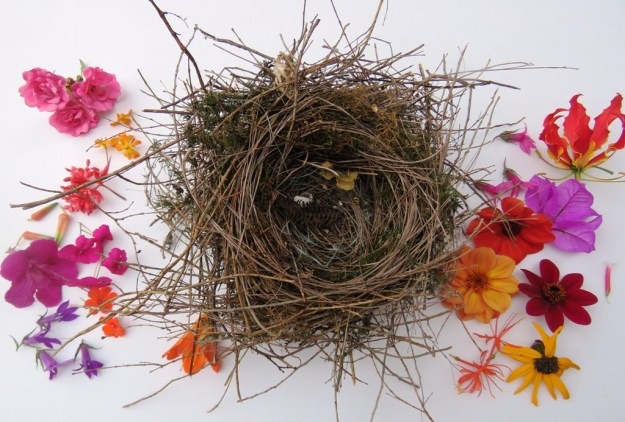
A random tui nest found yesterday

A random tui nest found yesterday

We leave for China tomorrow. Well, a small part of China – the south eastern area. Foshan (near Guangzhou), Dali Old Town, Jinghong and Kunmimg. The draw card is the International Camellia Congress which will make travelling much easier than doing it on our own.

Many of the plants we grow originate from these areas of China. We are hoping to see the yellow camellias in flower. Five years on from when I wrote about C. chrysantha, the other yellow species we have here still have not bloomed. But we may also catch some of the deciduous magnolias, wild azaleas and michelias in bloom. With our closed borders in New Zealand, the new species of michelias that have been discovered in the wild are not in the country and may never be admitted so it will be interesting to see what we are missing.

Being old enough to remember when China was closed to most of the world, I am not totally surprised to find that they still have in place the electronic equivalent of the Great Wall or the more recent Berlin Wall. I may only be taking my tablet as a back-up for photos because I see my most-used sites are all blocked – Twitter, Facebook, Gmail and Google. It is likely that there will be on-line silence until we return at the end of the first week in March.

While on the subject of China, I checked back for the piece I wrote in 2010 about Rewi Alley. It gave me cause to ponder how quickly our modern print and electronic media both moved away from longer-form writing to snappy short pieces with photos. I can’t imagine a NZ newspaper publishing a piece of that length any longer. But there are some interesting quotes from a personal letter from Alley to my late mother-in-law.
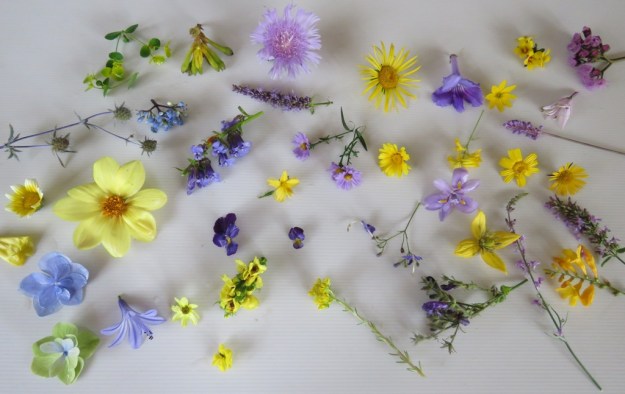
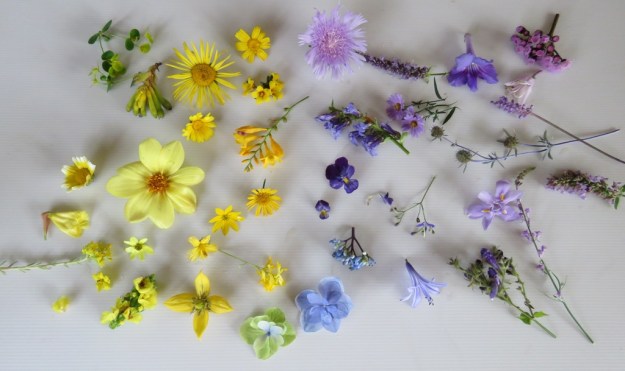
IMG_7068The photos today are the start of a little exercise in colour combinations, which we have spent some time discussing as we plan our new summer garden plantings. I am a big fan of blue and yellow in interior colour schemes (our dining and TV rooms are indeed soft yellow and French blue). I have long wanted to try a blue and yellow border in the garden, but now think it will look too contrived for what we want.
IMG_7085
Yellow can be a difficult colour so I gathered a separate selection of cerise, magenta and orange blooms. Mark keeps pointing out to me the problems of adding yellow to this sort of colour mix – bright yellow at least. It is the one that can upset the apple cart of harmonious colour combinations. We may be quarantining our yellows to one area or at least using with extreme restraint.

Finally, as I was montying in the rockery, I was pondering how much modern gardening expectation has been shaped by two factors – the motor mower and glyphosate. Back in the days when grass was scythed and weeding was all done by hand, the current standards of the perfect lawn and the weed-free garden would have been inconceivable. It seems… unfortunate, shall I say… that the commonly held measuring stick for judging gardens today is predicated on two inventions, both of which are really bad for the environment.
IMG_7071

Garden lore: chainsaw pruning

“There appears to be a large element of tree worship in us Americans, and anything remotely connected with a tree is approached with a numinous awe. People who are slothful by nature and who never get around to cutting down the peony and lily stalks in November (though this is well worth the labor) and who never divide irises on time, or plant the daffodil bulbs before Thanksgiving, or prune the climbing roses – such persons nevertheless leap into action when leaves fall, as if the fate of the garden depended on raking them immediately. I do not intend to comment on that situation, on the grounds that fiddling with leaves is no more harmful than cocktail parties, marijuana, stock car racing, and other little bees that people get in their bonnets.”

Henry Mitchell, The Essential Earthman (1981).

Camellias severed to bare stumps 6 months ago

Camellias severed to bare stumps 6 months ago

Times have certainly changed since Mitchell wrote the above para. The modest rake is more likely to be a noisy leaf blower these days. Loosely related, I thought some readers may be interested to see the after effects of extreme winter pruning.

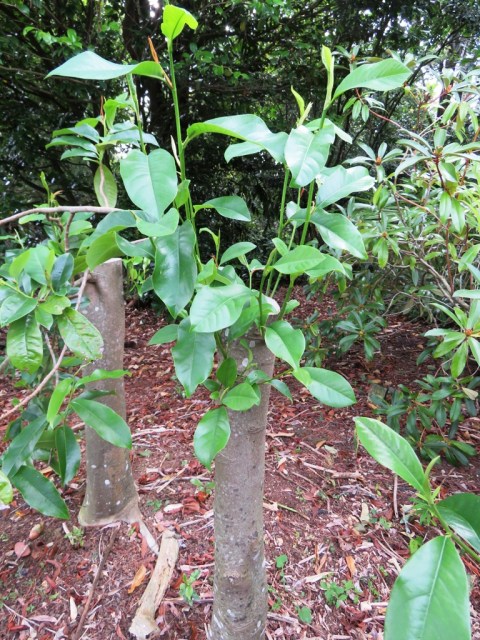
Both the michelias and camellias were four to five metres high, stretched and thin as they reached for the light. Because we are making a new garden and have opened the area to the light, we wanted a hedge effect, not a straggly, willowy shelter belt. In winter last year, these plants were taken to with a chainsaw. They were cut off at about a metre in height, in many cases leaving no foliage at all.

Well established michelia hybrids respond to hard pruning with abundant fresh growth

Well established michelia hybrids respond to hard pruning with abundant fresh growth

After about six months and a spring flush, the new growth is phenomenal. We won’t get any flowers this year but we will have a bushy, well established hedge sooner, rather than later.

This extreme action does not work with all shrubs but it can be done with camellias and michelias. It may not work in harsher climates, either, but in our mild, temperate conditions it is fine. The timing is relatively important. It needs to be done well before the spring flush and we find early winter is the best season. It is a hedging technique. The trade off is that you lose the shape of the plant but gain bushy growth instead.

Plant UNcollector – the tale of our disappointing white nepeta

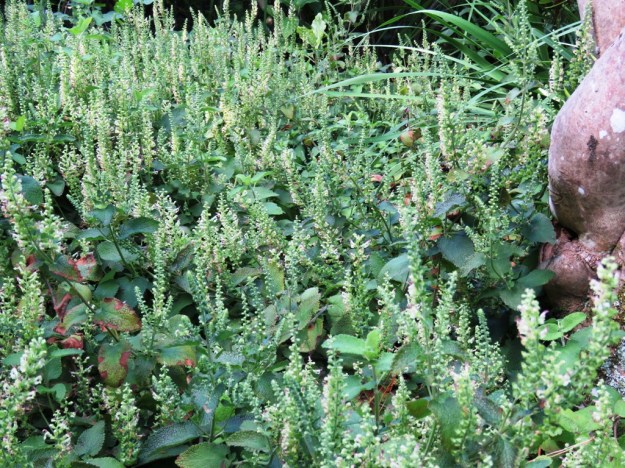
In reality, it is even more insignificant than in this photo

In reality, it is even more insignificant than in this photo

There are not many plants as disappointing as our white nepeta. Before you rush to set me right by telling me that your white nepeta is absolutely gorgeous, I will declare that I have had a look at the internet and I see there are various white forms around and most of them look to be an improvement on the one we had here. Note the past tense. We have taken it out – and there was a fair swag of it – and it is now on the compost heap.

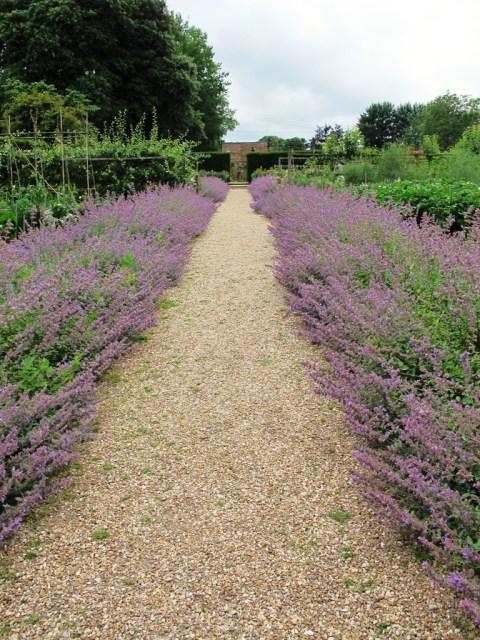
Nepeta is not exactly a plant of class and distinction but it is easy to grow, forgiving and on its day, it gives a haze of colour as well as feeding the bees. We were quite taken by its use in plantings that resemble rail tracks in a couple of English gardens we visited, despite my reservations about both the use of edging plants and planting in rows.

The railway track effect at Tintinhull in England where the nepeta looked lovely

The railway track effect at Tintinhull in England where the nepeta looked lovely

We came home and looked at our nepeta in askance. I could not remember ever being wowed by its lilac haze in bloom but it was certainly spreading widely. This season, I said to myself, I will take special notice. It was not growing in a spot I walk past every day but it was relatively prominent. Dammit, I thought, when I saw seed heads on it. How did I miss it again? Was it really such a flash in the pan? Mark, it turned out, had been thinking the same. We stood looking at it together and realised it was possibly the world’s most boring white nepeta with the tiniest of insignificant flowers at the same time as setting seed. Sure the bumble bees liked it but they will like our lilac nepetas just as much or maybe more. Mark has a tray of seedlings raised, ready to plant as an immediate replacement.

Mark is unconvinced by the notion of white nepeta which, in his mind, contradicts the very nature of nepeta which should be blue or lilac. But the joke is on us that we had both failed to notice that ours never flowered in the right colour.