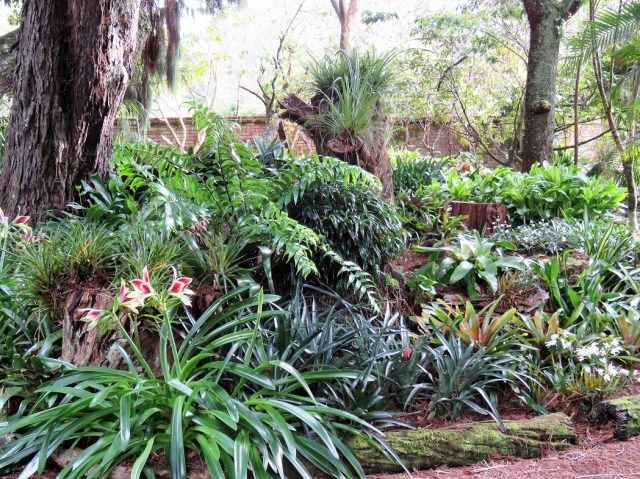
Mark has never been a fan of green flowers. I asked him why and he replied with utter simplicity, “because I like colour”. As I have observed before, green is colour neutral in a garden situation. Maybe Hippeastrum papilio passes muster because it has quite a bit of red in it and has some hefty flower-wow-power but his preference lies with the glowing red of H. aulicum.

I am pleased with H. papilio. We started with a single bulb and now have two good sized patches of it with a profusion of flower spikes this year – at least a dozen on the point of opening in one area alone. It is just patience, time and lifting and dividing that gets a single expensive bulb to a significant block – or an extravagant budget if you want a quicker response. We grow our hippeastrums in woodland conditions because the narcissi fly stay out in the sun so the bulbs don’t get burrowed out by narcissi fly larvae.
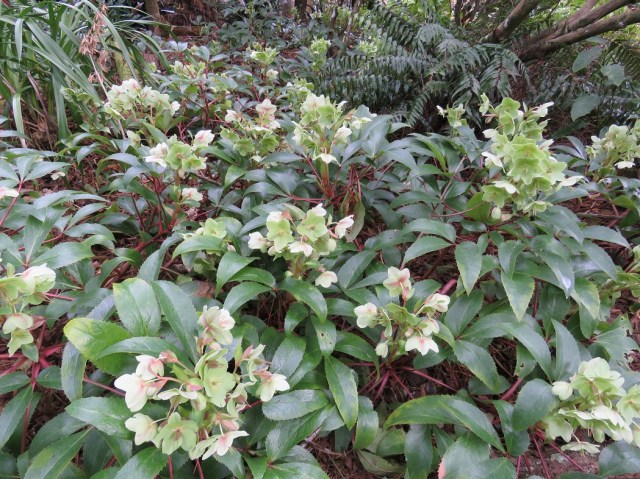
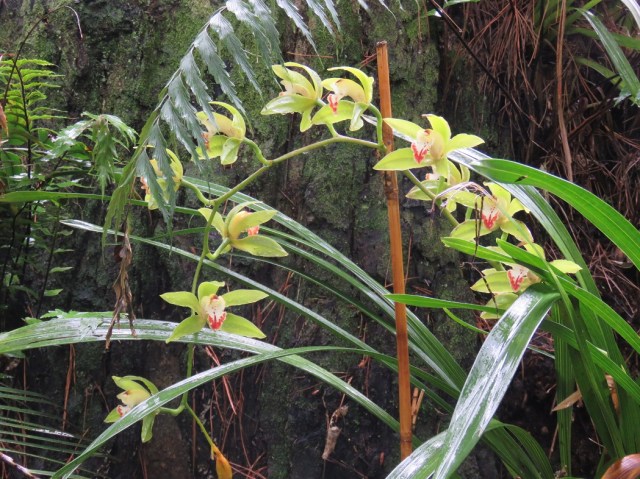
We have plenty of green hellebores – Helleborus ‘Sternii’, H. argutifolius and H. foetidus feature heavily in the woodland Avenue Garden – some green arisaemas and a single green orchid but generally I see Mark eyes glaze over with disinterest when green flowers are praised by others. He will go as far as white fading to green or white with streaks of green – but predominantly white, thank you.

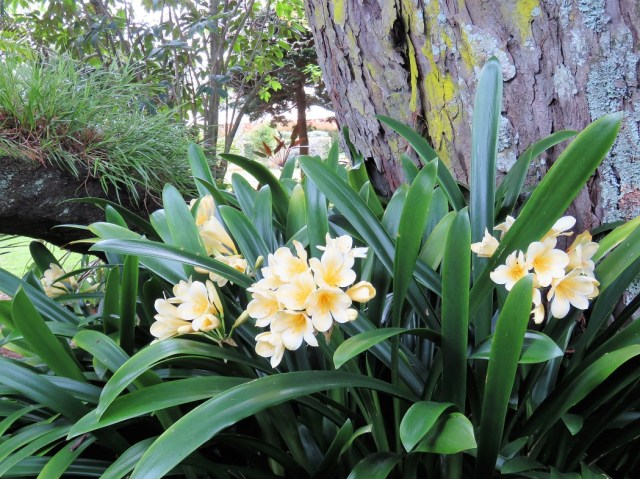
Some readers may remember when the first yellow clivias became available here, retailing for up to $50 a plant, as I recall. I think about this as I pull out the self-sown seedlings and discard them as surplus to requirements. If you want to raise plants from seed, if the seed is yellow, the plant will flower yellow. Red seed gives orange or red flowered plants. Now the fashion appears to be for the new green flowered varieties, but not here, for reasons already stated. I wouldn’t mind some richer yellow ones but I have only seen one in another garden. The pale yellows can be a bit insipid en masse but really sing when combined with orange and red clivias. Pretty peach clivias would also be a nice addition and are now available but haven’t come our way yet.

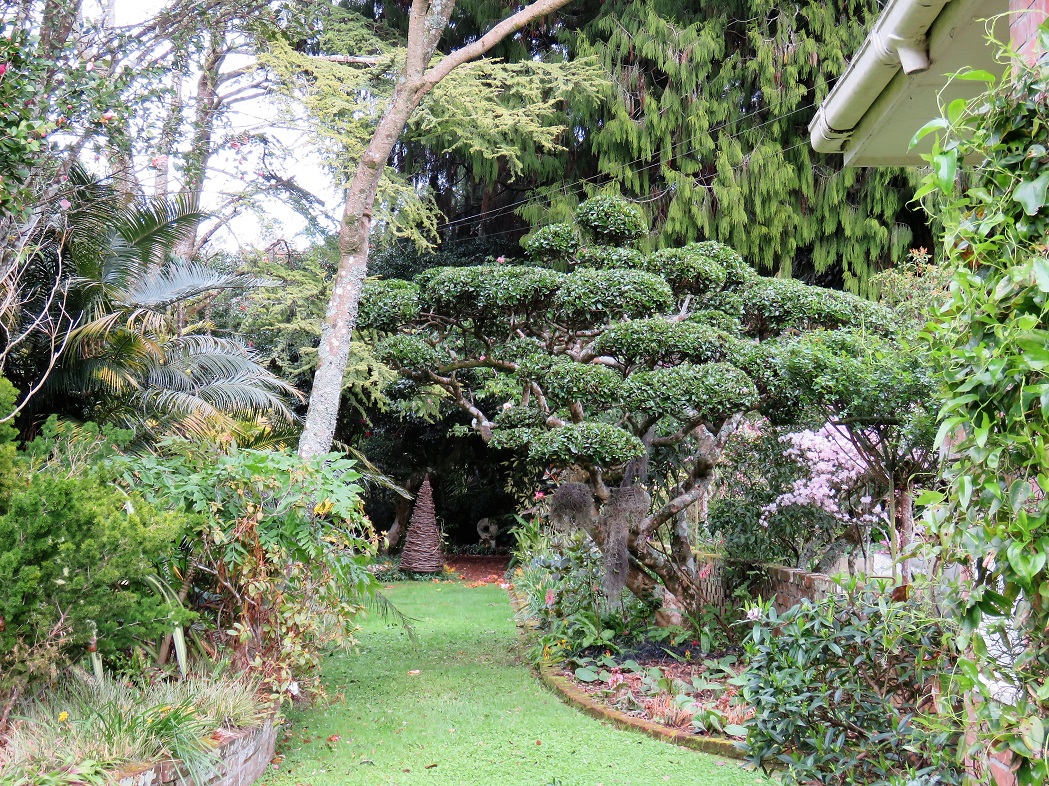
Our focus is entirely on getting the garden ready for opening. Mark is trimming the Podocarpus parlatorei to pillar shapes and he is welcome to this job. It has to be done with secateurs and loppers more than clippers to get the main shape formed. Hopefully it can be done with electric clippers in the future once the shape is defined and the plants have bushed out so it is foliage that needs to be trimmed and not woody branches. The top knots are because he wants to stretch them over to form an archway in time. There are six of them and as the chief shaper is currently incapacitated by a bad shoulder and a cracked rib, it is taking him some time. Notice the old shade cloth spread beneath to capture the mess. Lloyd does the same when he is trimming hedges. It only takes a moment to spread a drop sheet (old sheets or curtains do the same job) yet it makes the clean-up so much faster.
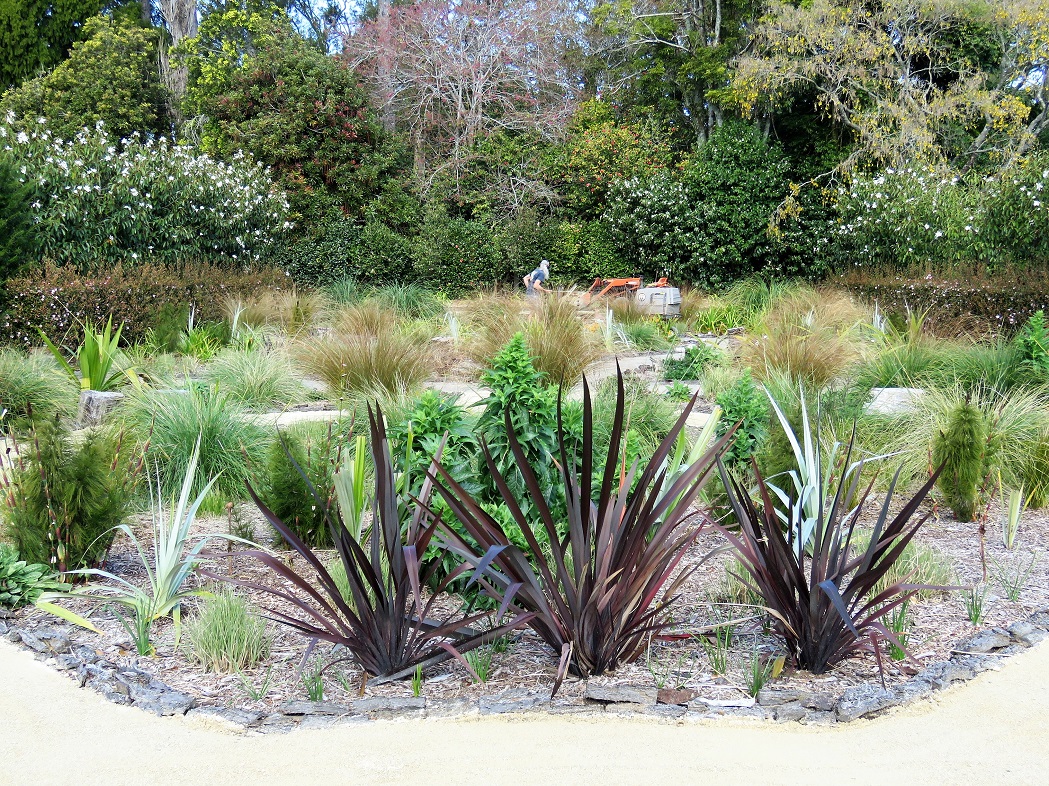
My goal today is to finish down in the park. It is all about tidying in that area, but selective tidying because we like a looser, more natural look in that area. Then it is back up to the top gardens for the final round with fingers crossed that we get no major storms between now and October 30.




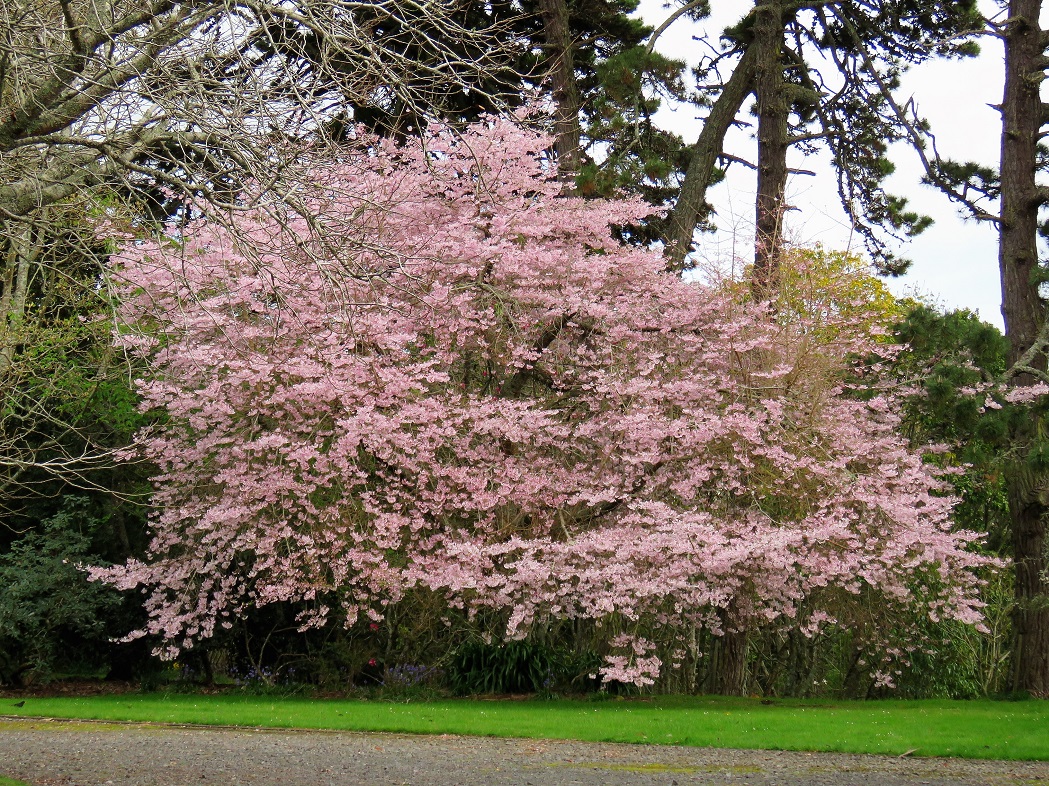
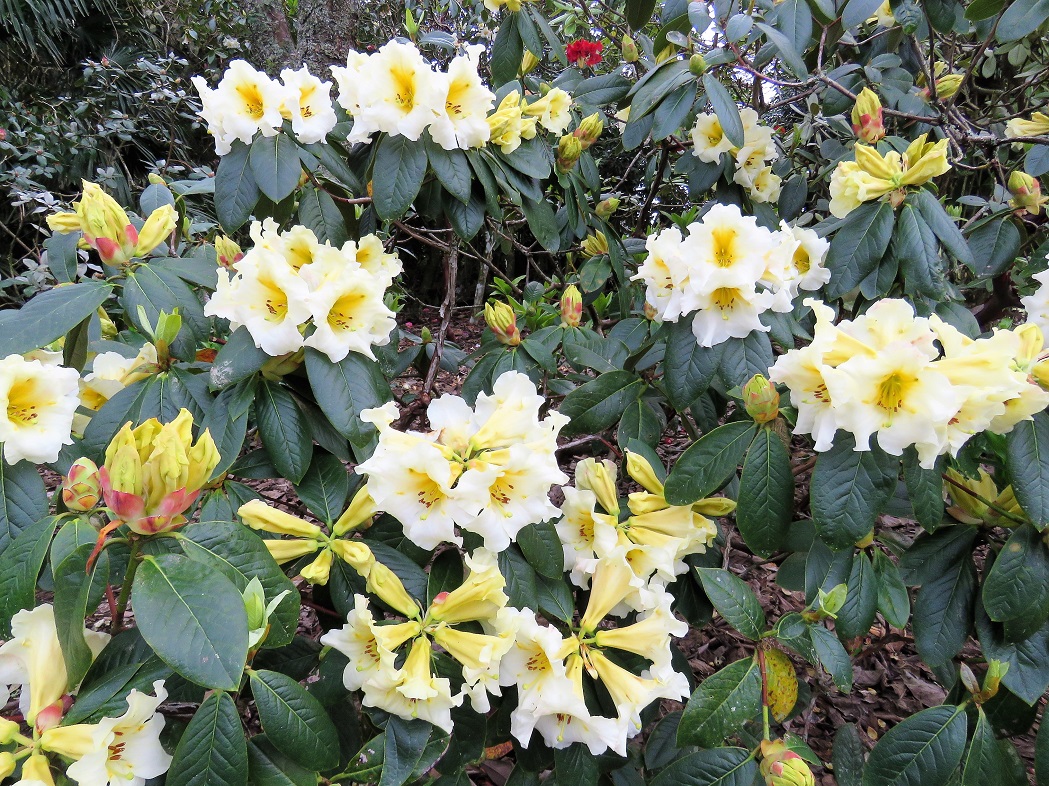
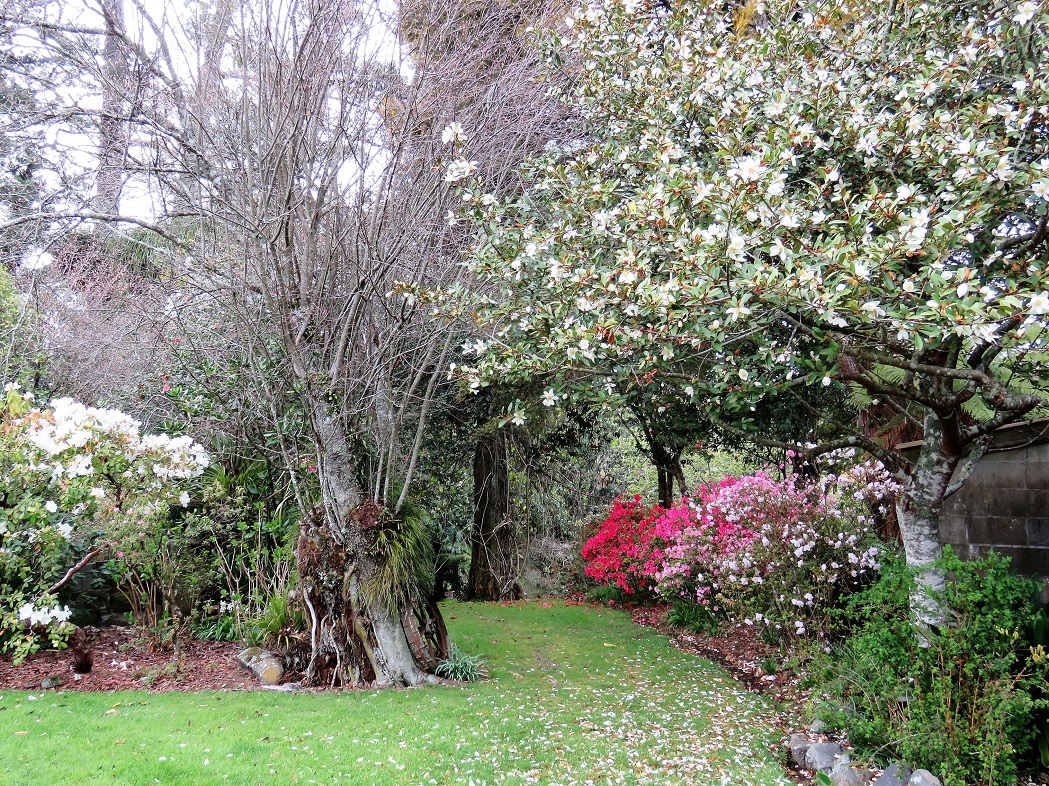
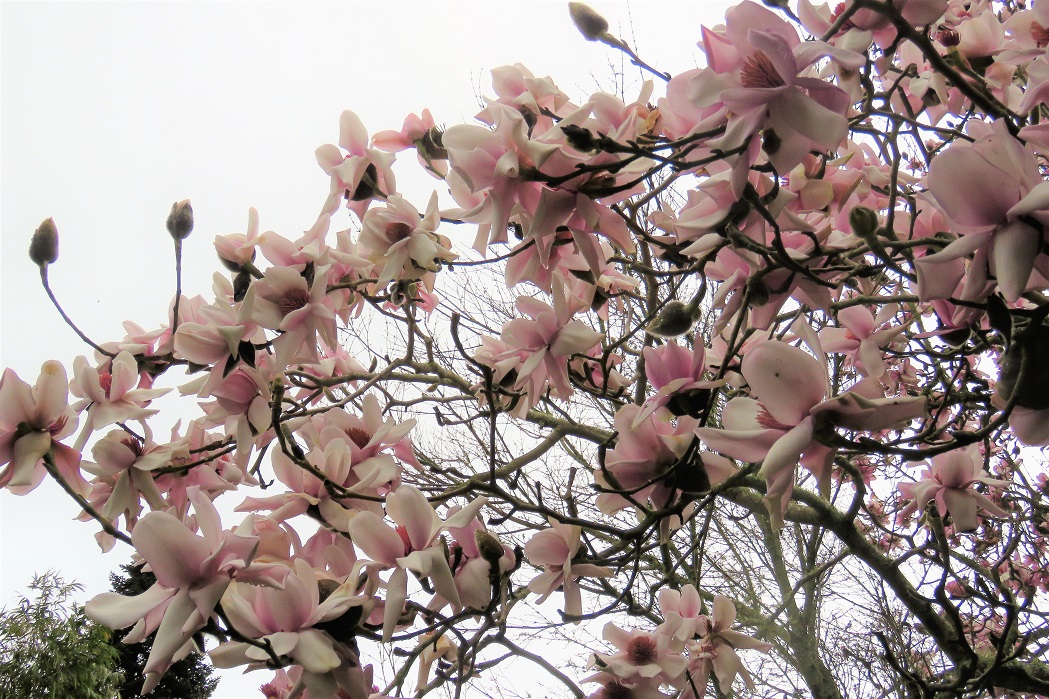
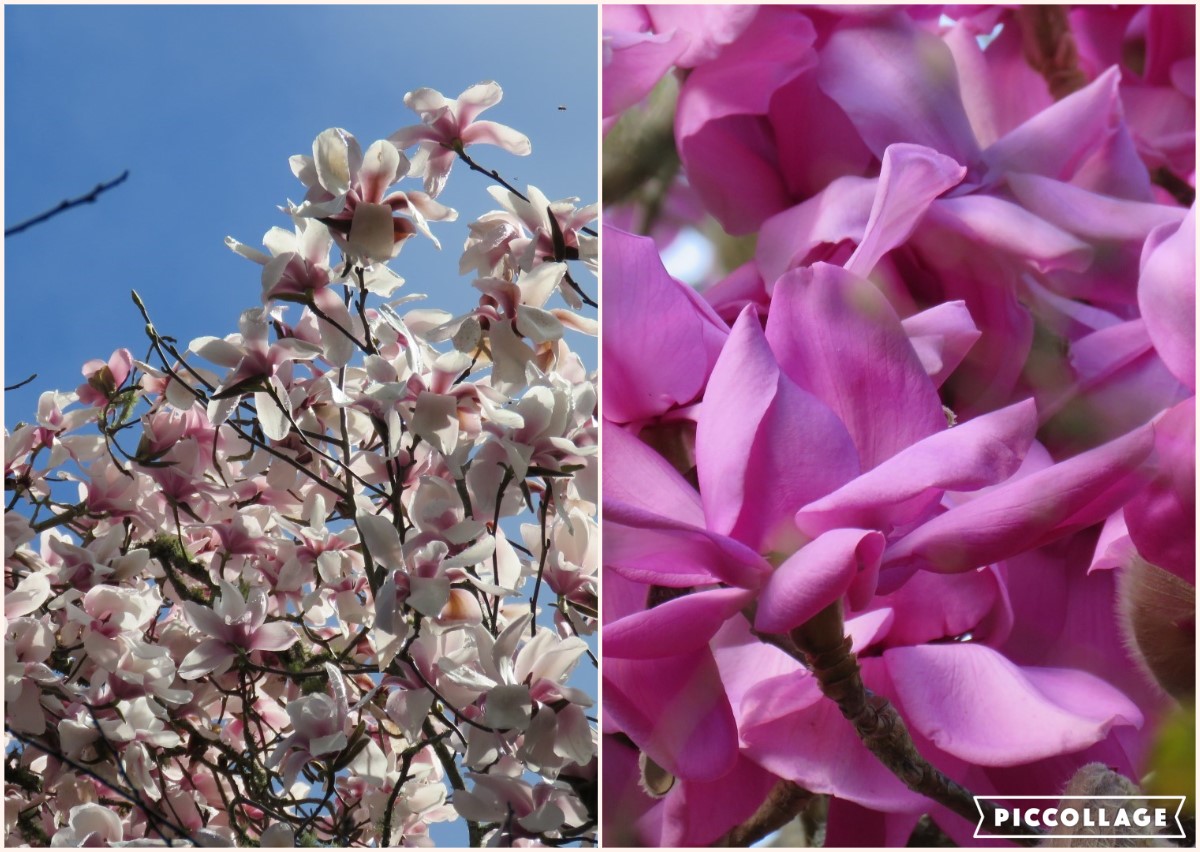
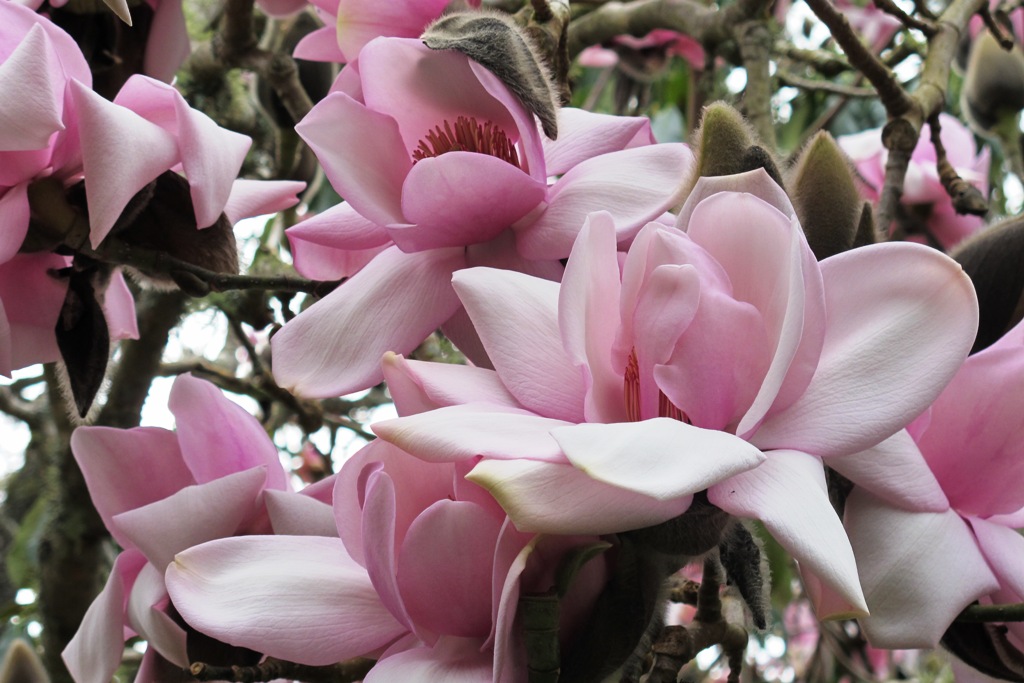
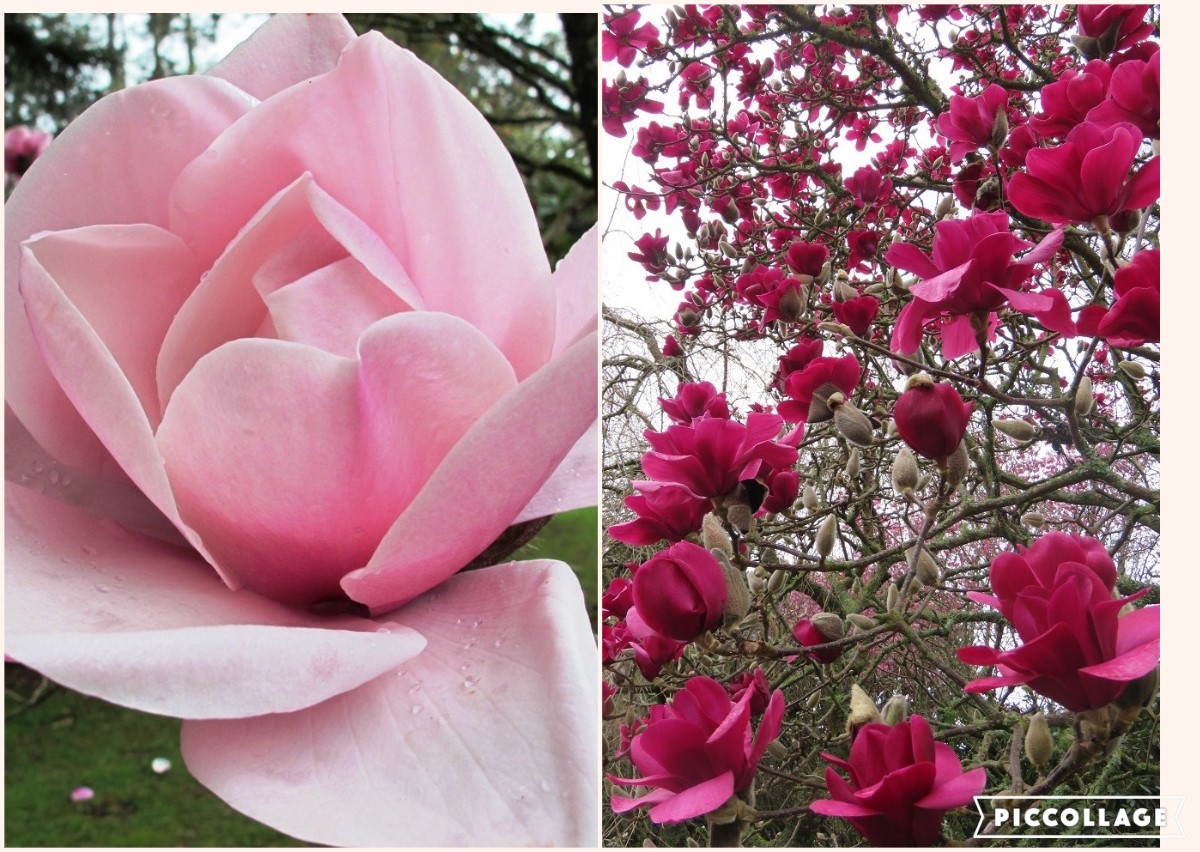
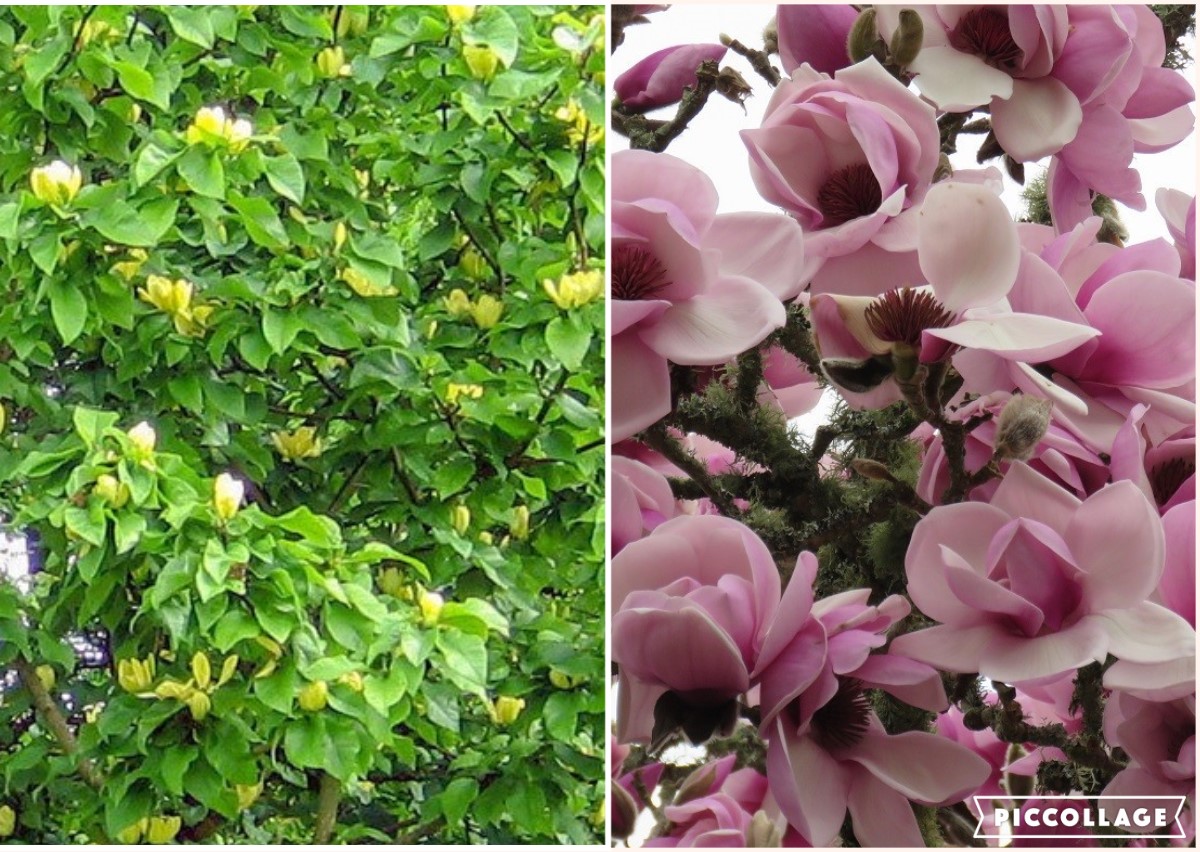
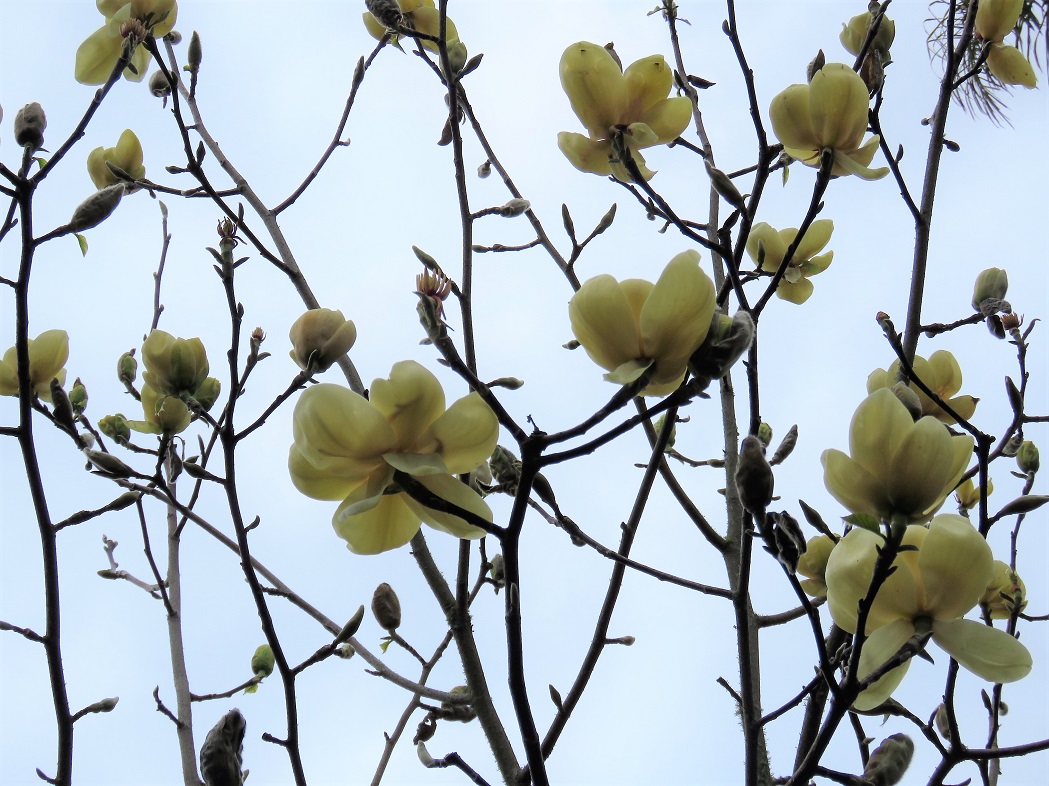
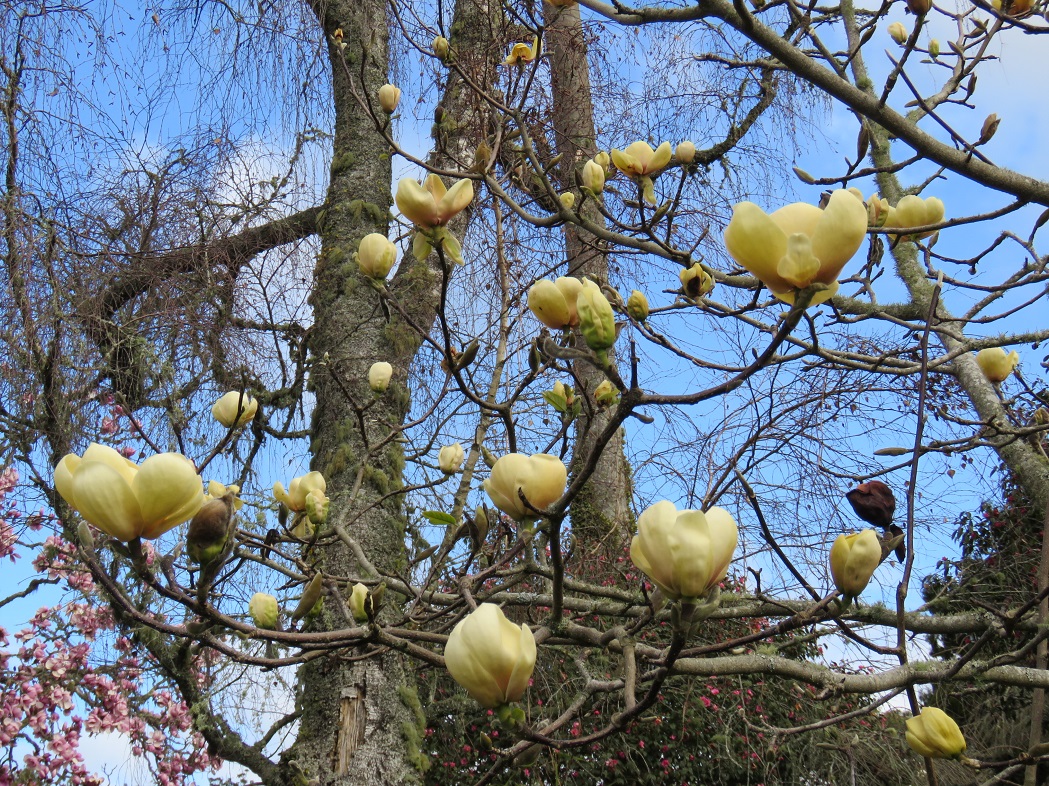
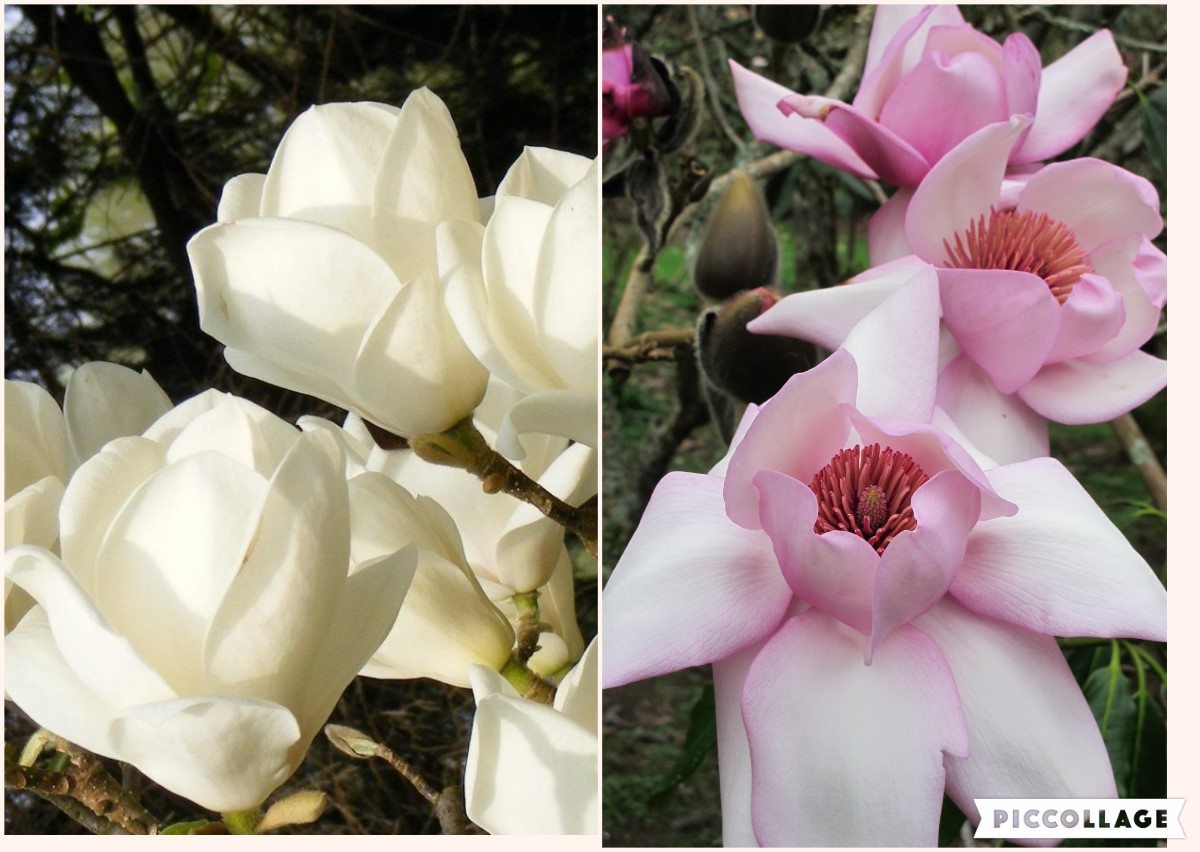 Magnolia ‘Lennei’ alba crossed onto ‘Mark Jury’ was one of his first efforts. (For the technically minded, ‘Lennei’ is more correctly M. X soulangeana ‘Lennei’, itself a cross of M.denudata and M.liliiflora).
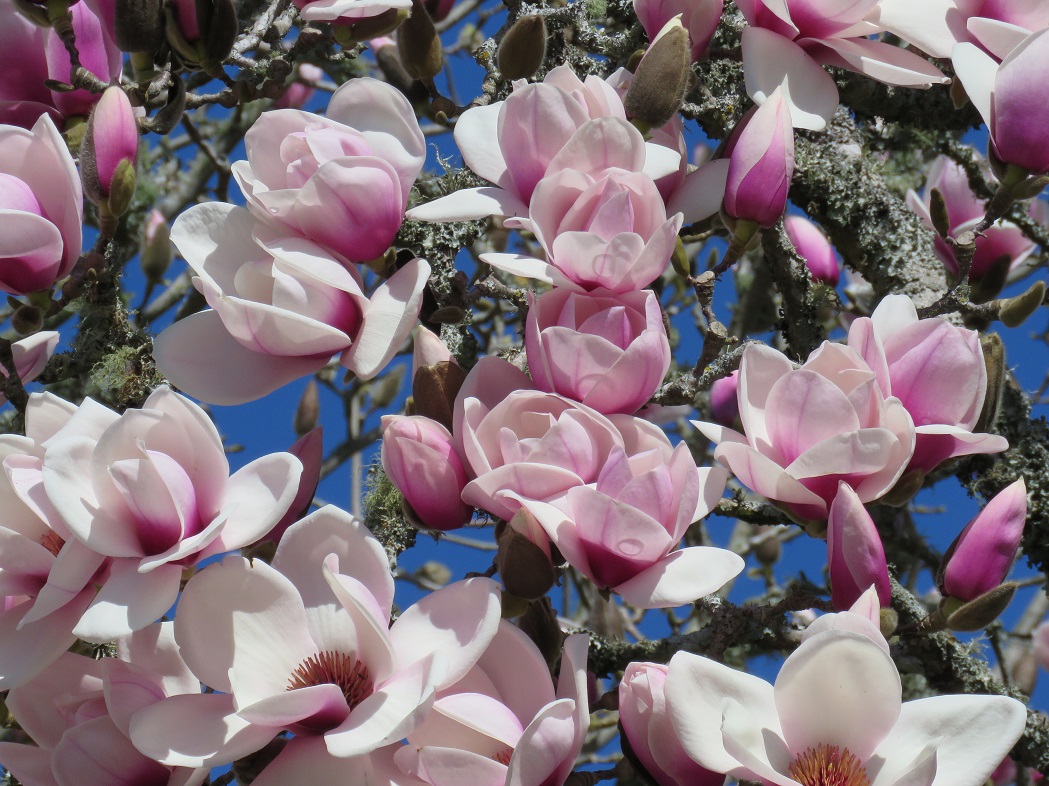 It resulted in the beautiful ‘Athene’
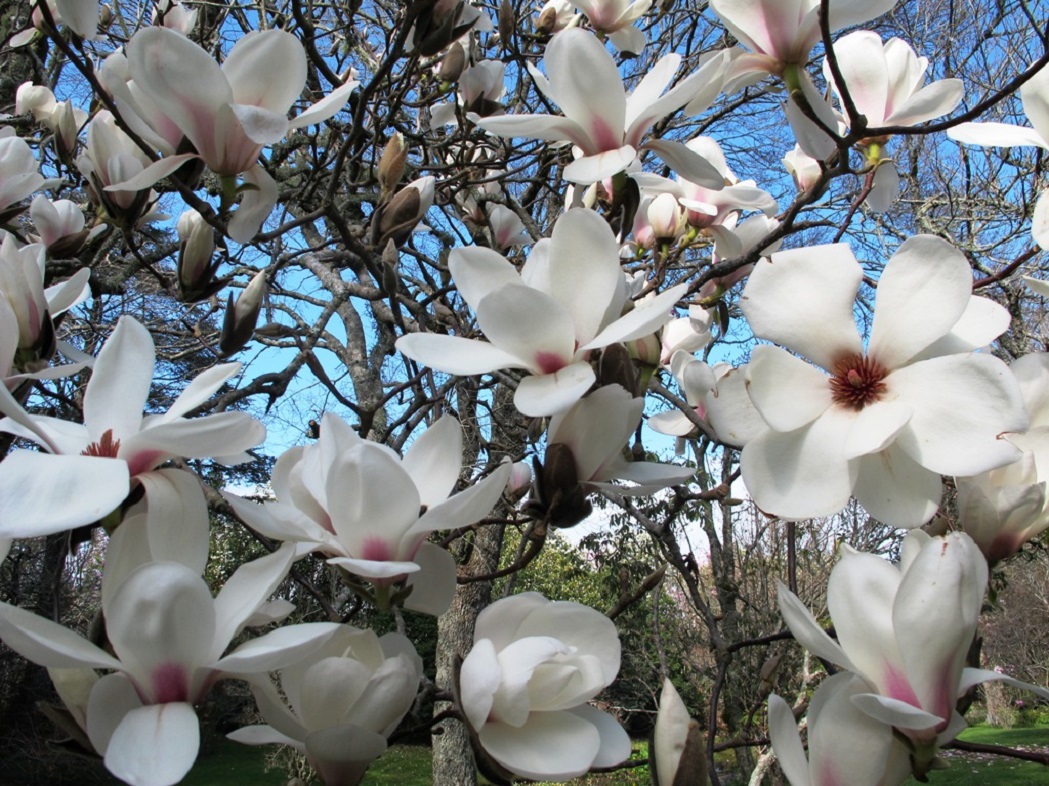 ‘Lotus’
 and ‘Milky Way’.
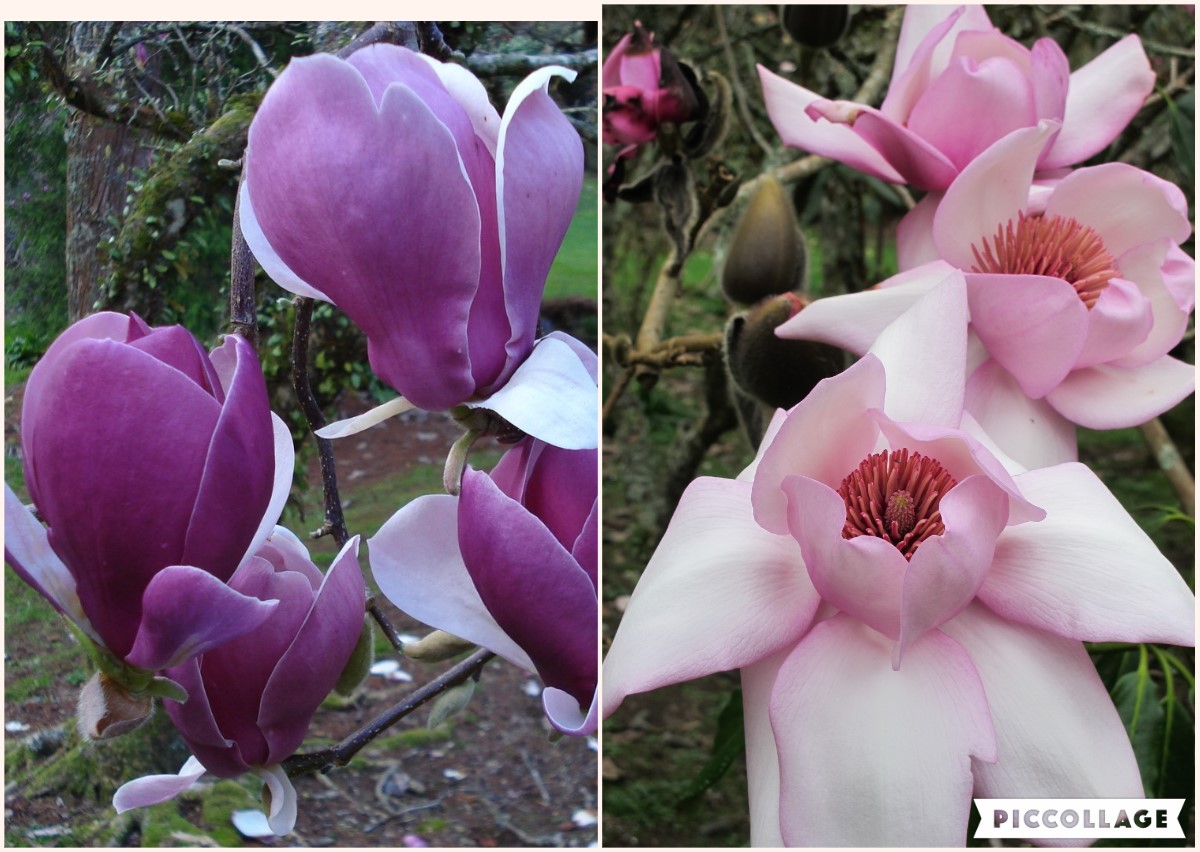 Swapping to the pink form of ‘Lennei’ crossed on to ‘Mark Jury’, he raised and named
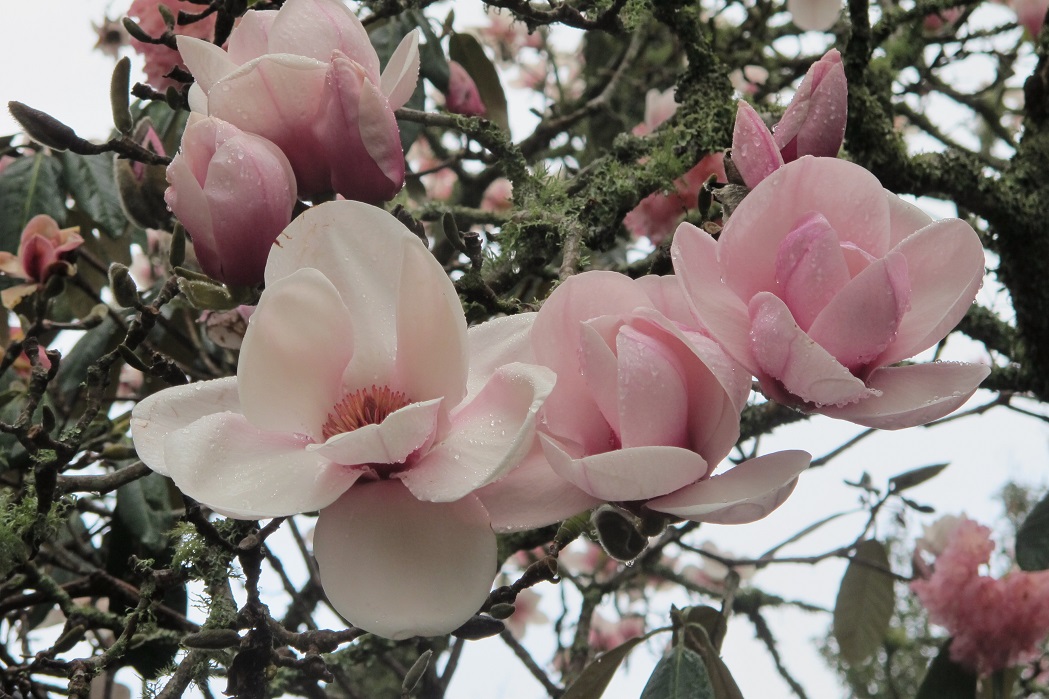 Atlas
Atlas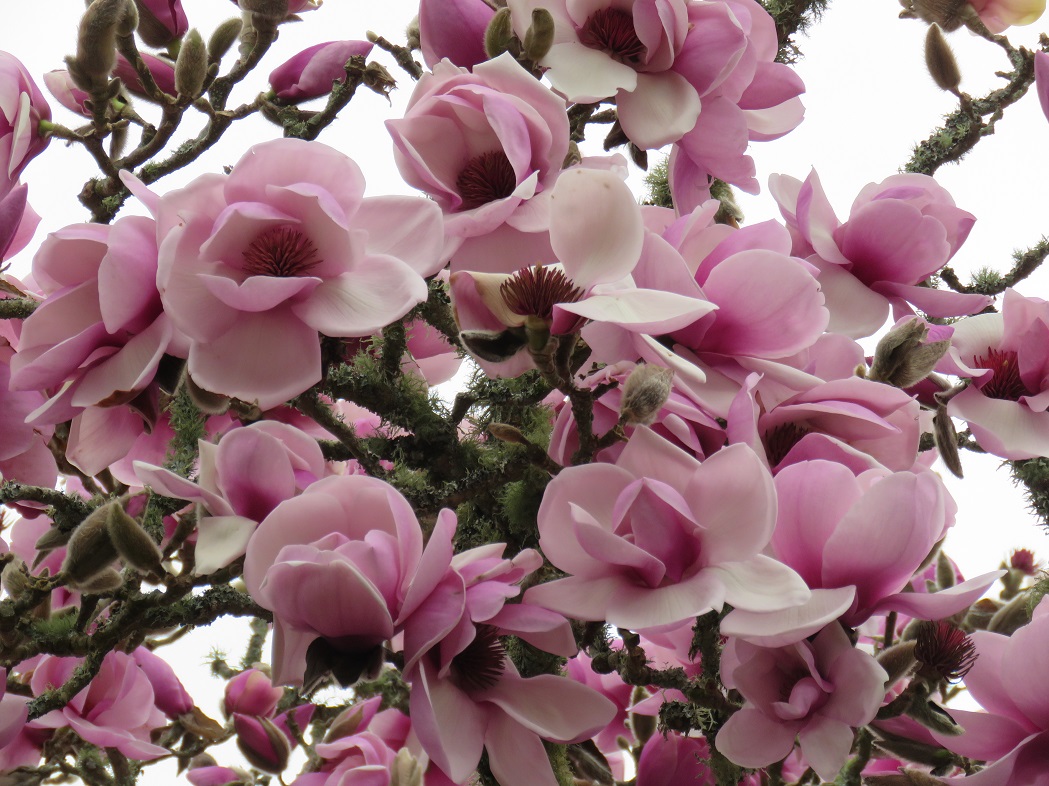 and Iolanthe. This particular cultivar is one of the enduring stars in Felix’s collection.
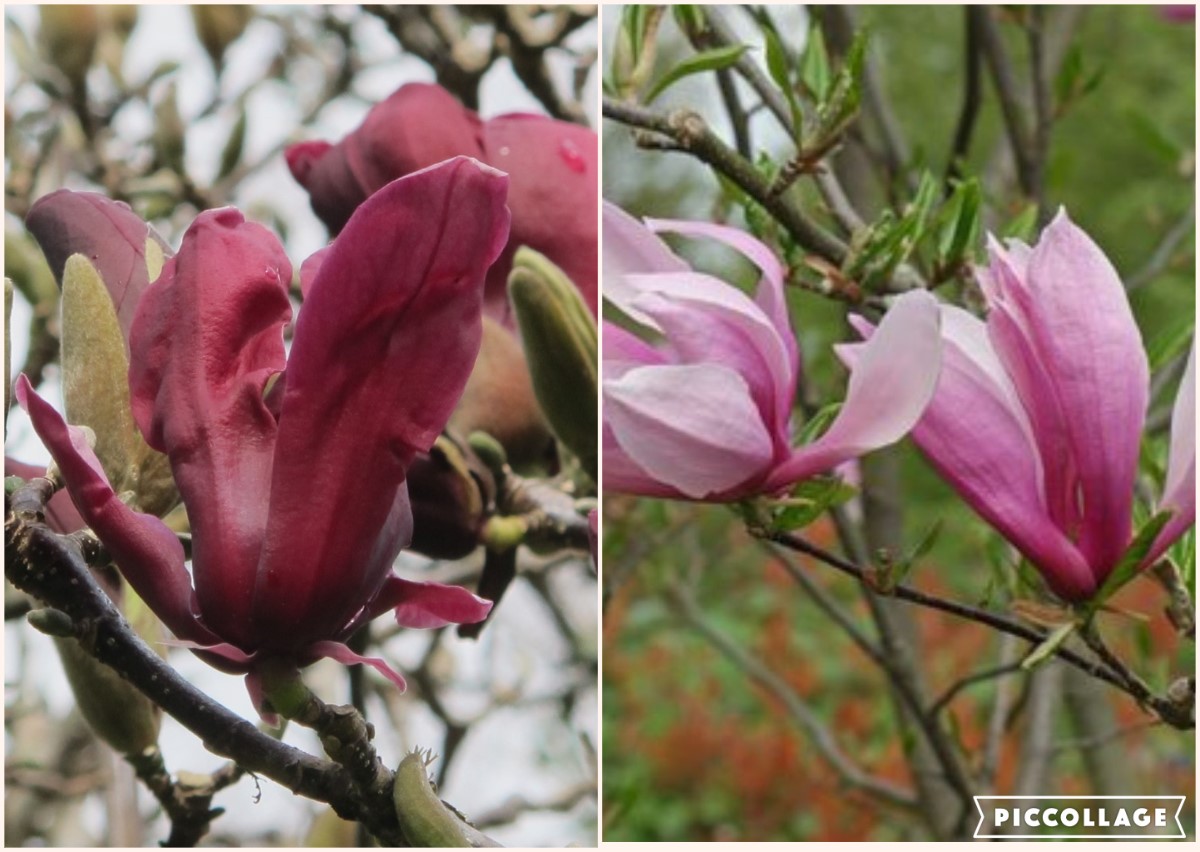 The picture on his use of M.liliiflora is not as clear. He had the dark form of M. liliiflora ‘Nigra’, a paler pink form of the same species and, it seems, a liliiflora hybrid in the garden and over time, he grew somewhat hazy in his recollections of which plant in the garden he used for which cross.
 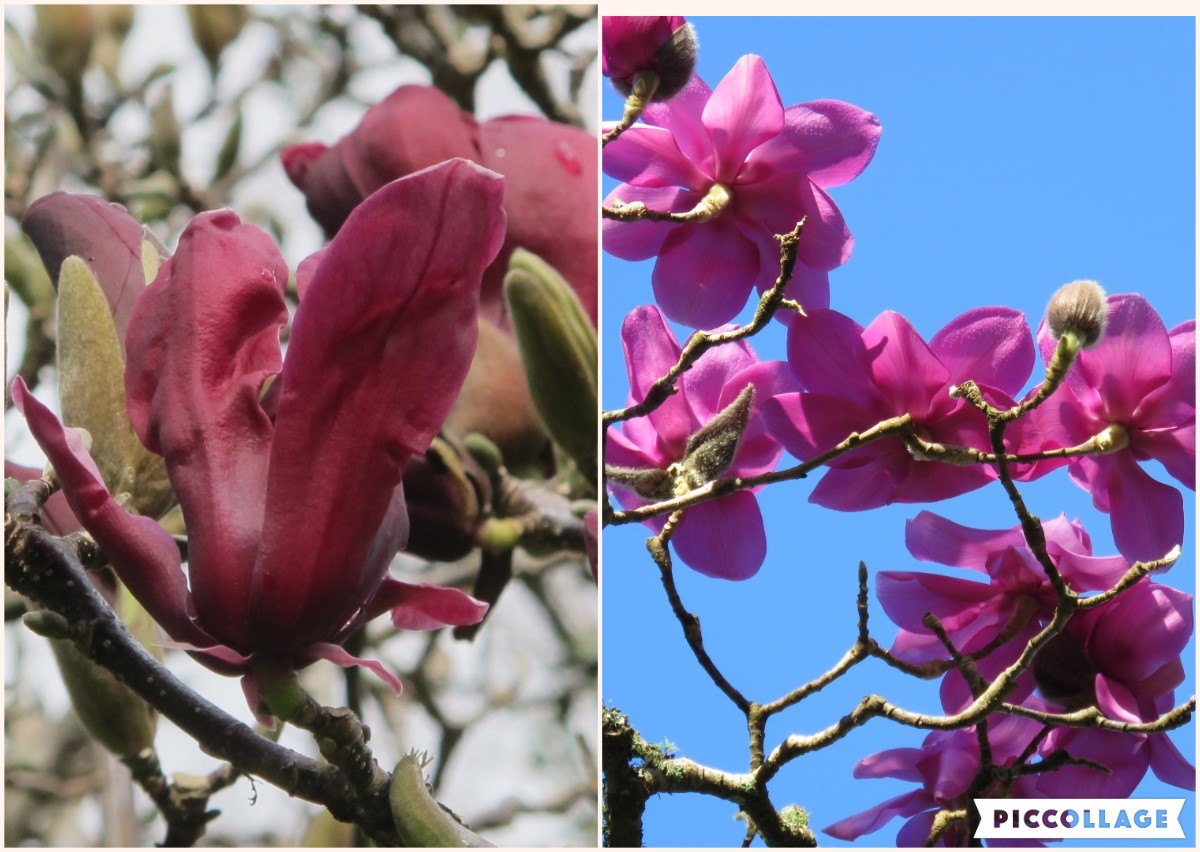 One or other form of M liliiflora crossed with ‘Lanarth’ gave two notable results.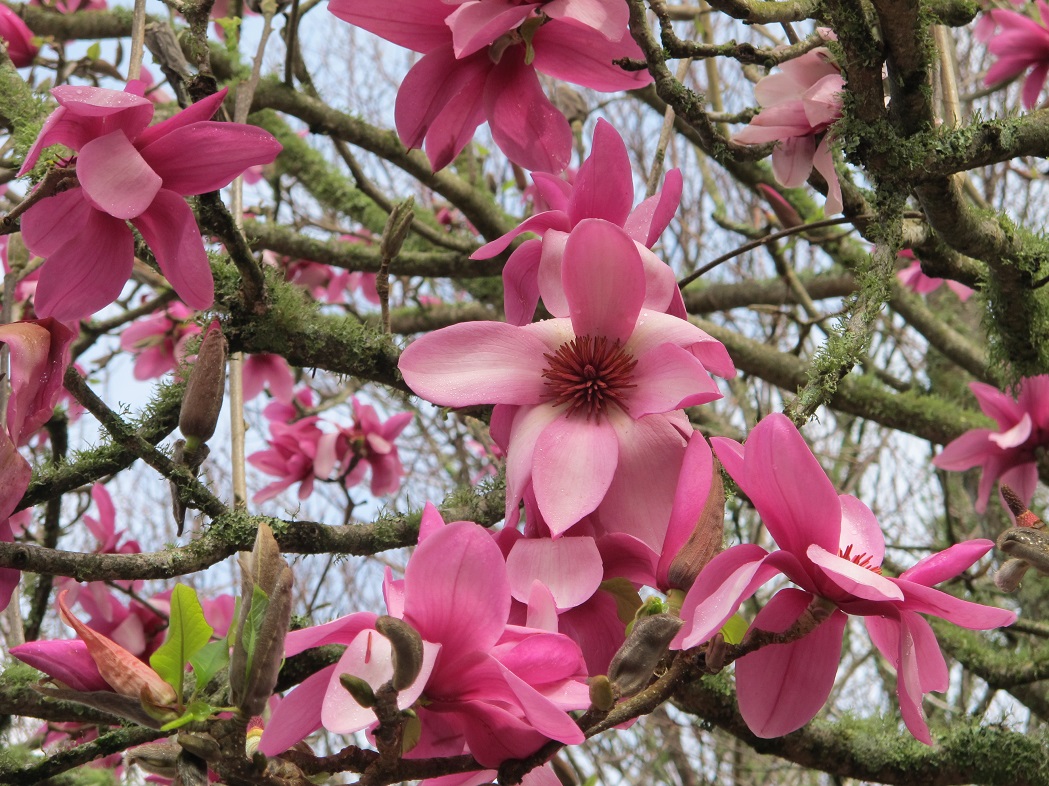
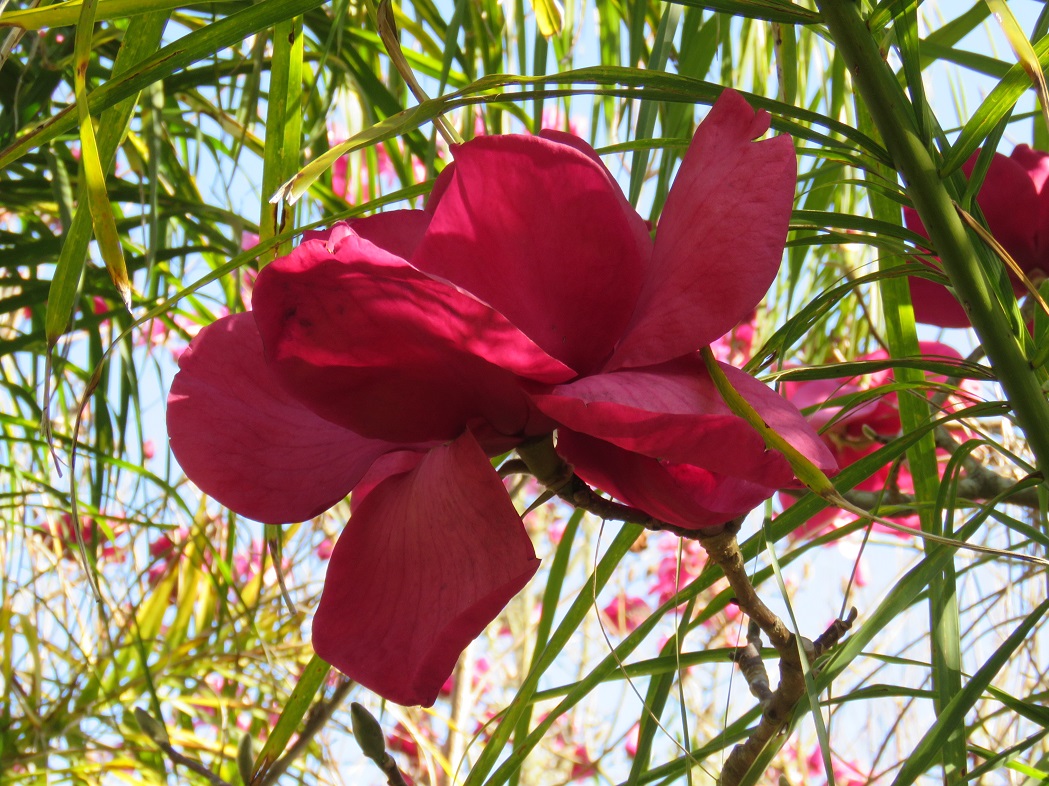
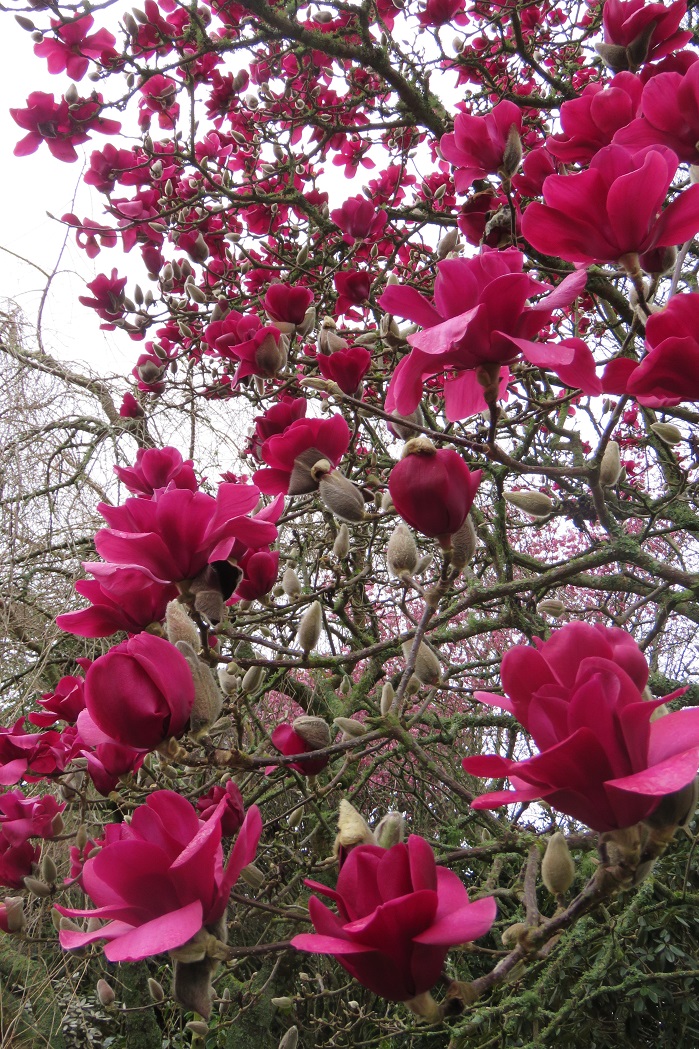 The second was the colour breakthrough in ‘Vulcan’ that paved the way for a multitude of magnolias into the future, getting to the red tones.
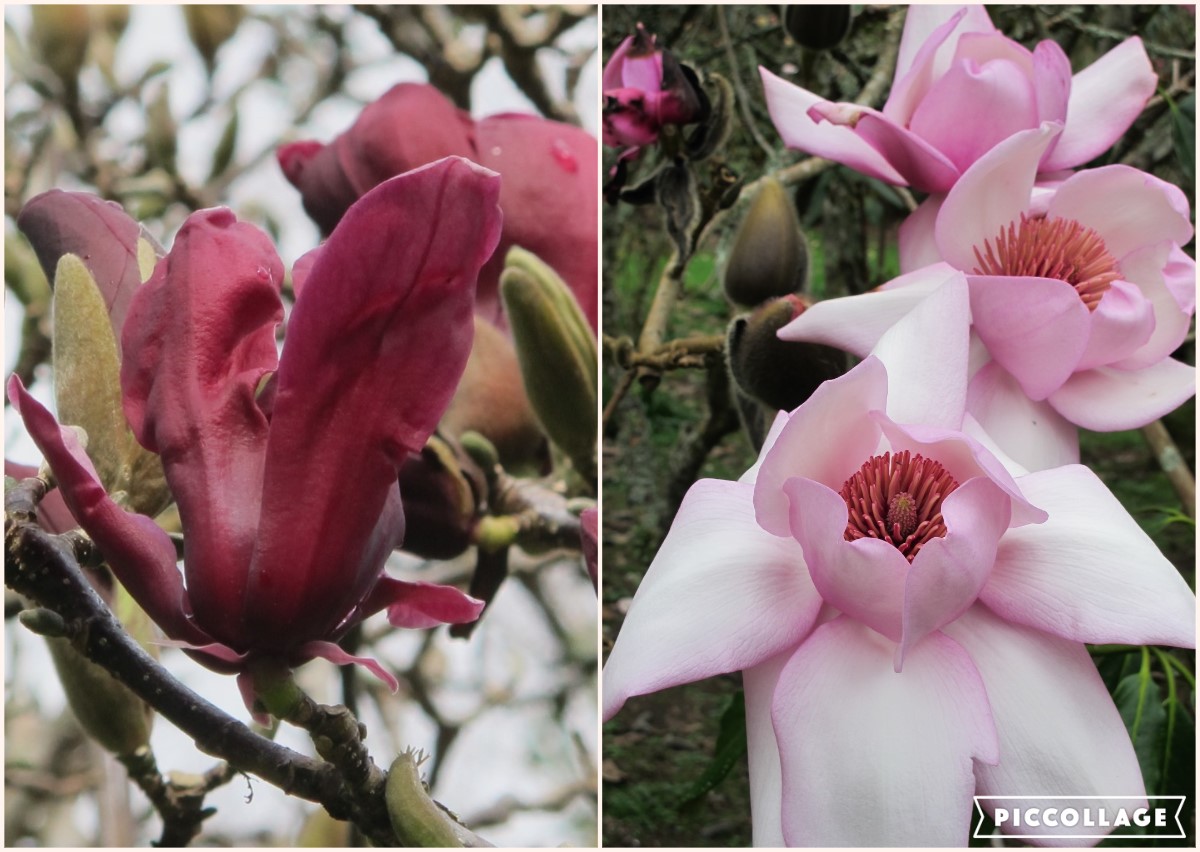 Again, an unspecified form of M.liliifora but crossed this time on his old favourite ‘Mark Jury’ resulted in one named cultivar of note.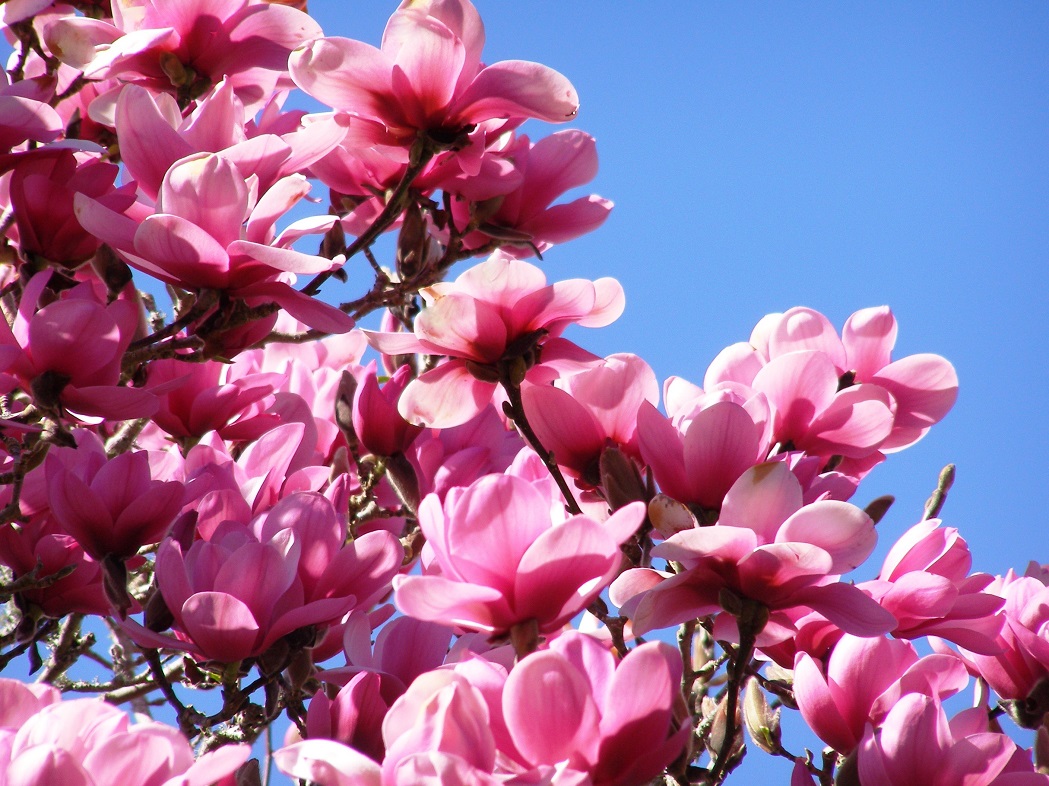
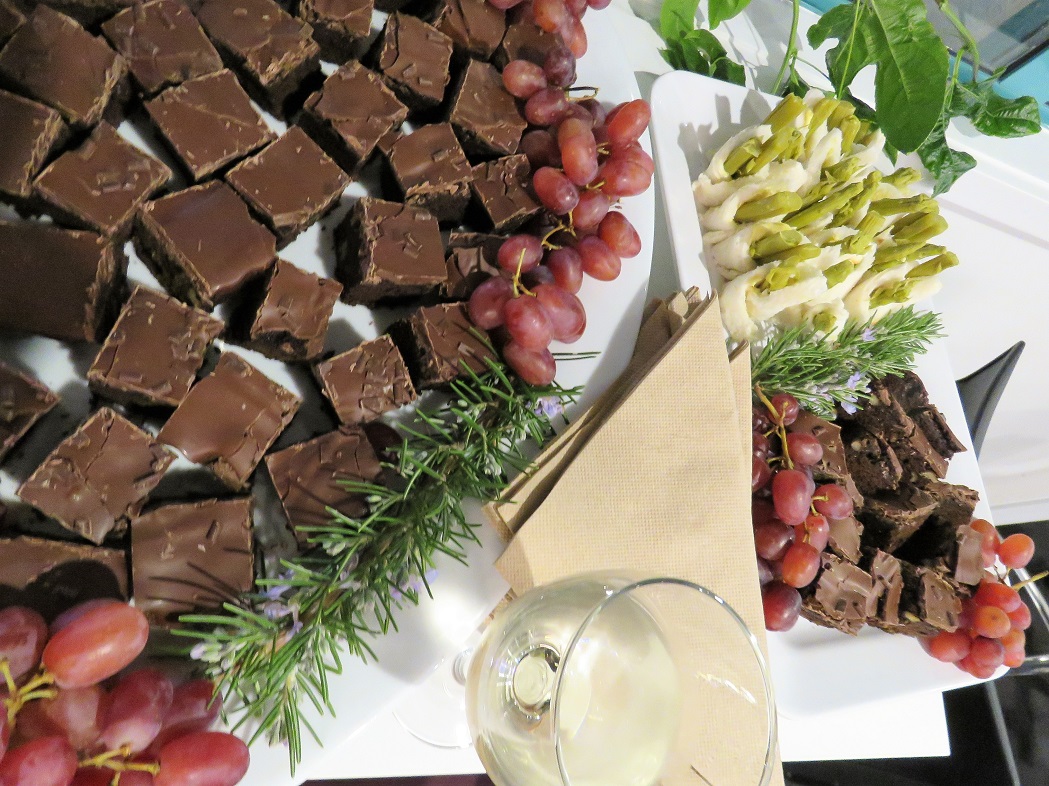
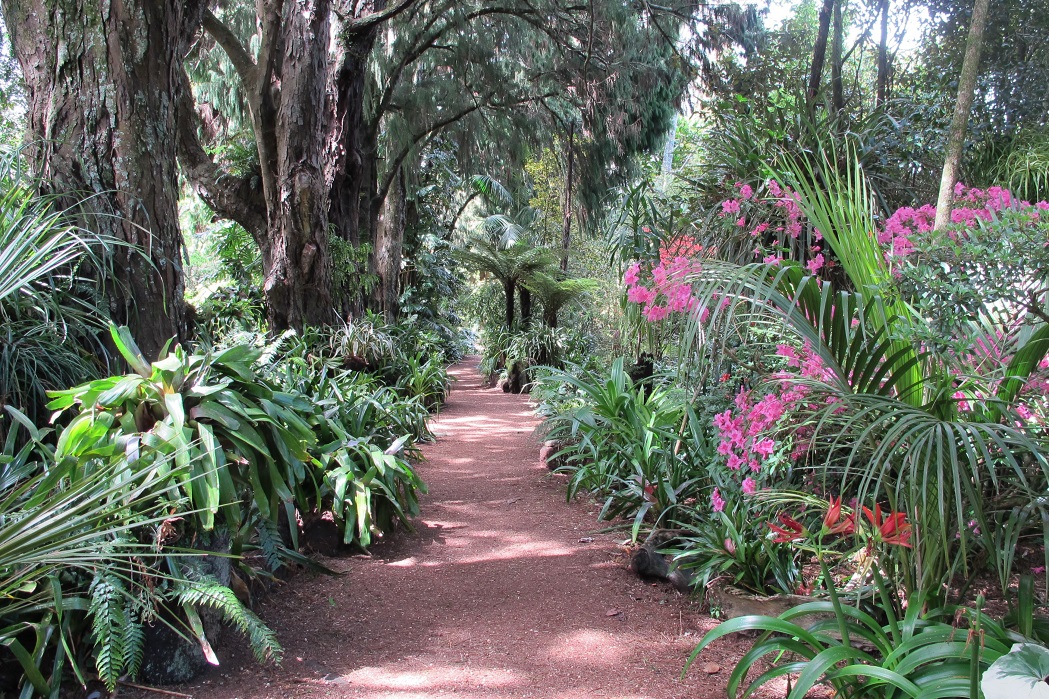 It is official. We are reopening our garden for the ten days of Taranaki Garden Festival – and only for those ten days from October 30 to November 8. In fact, we are garden number one in the programme. We attended the launch on Thursday evening and there were asparagus rolls. I only mention this because the asparagus roll shares a special position of nostalgia in NZ catering history on a par with Maggi onion dip and slightly less controversial than the Otago and Southland cheese roll. But I digress.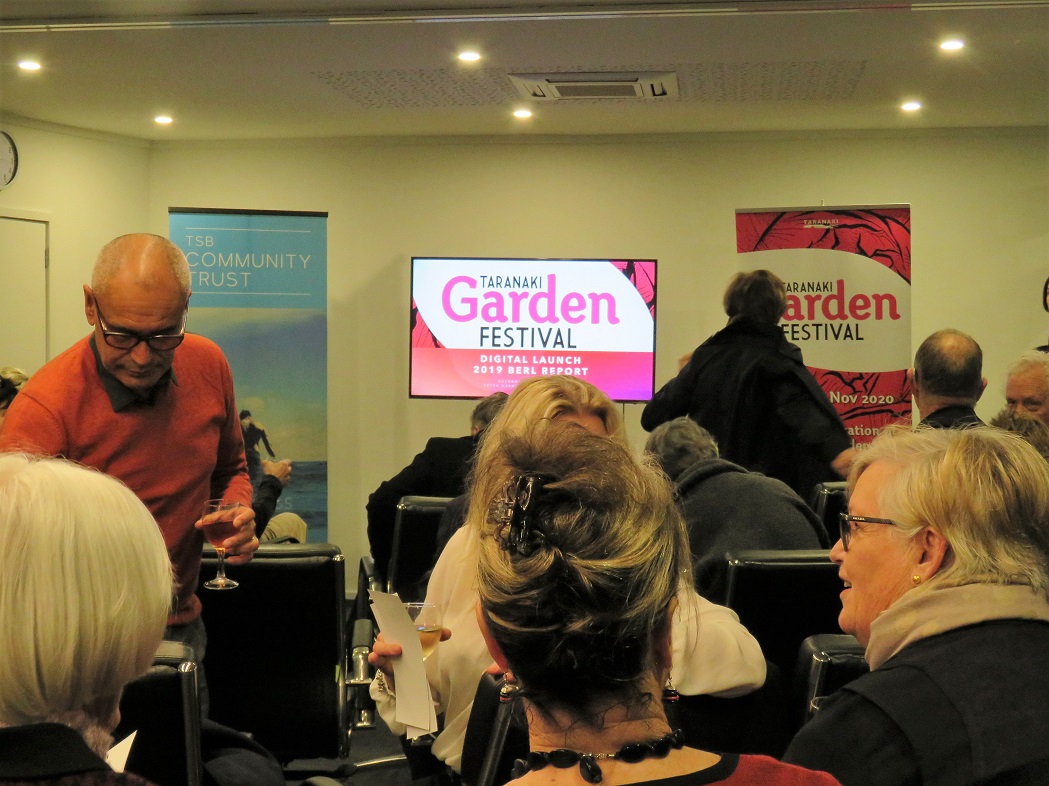
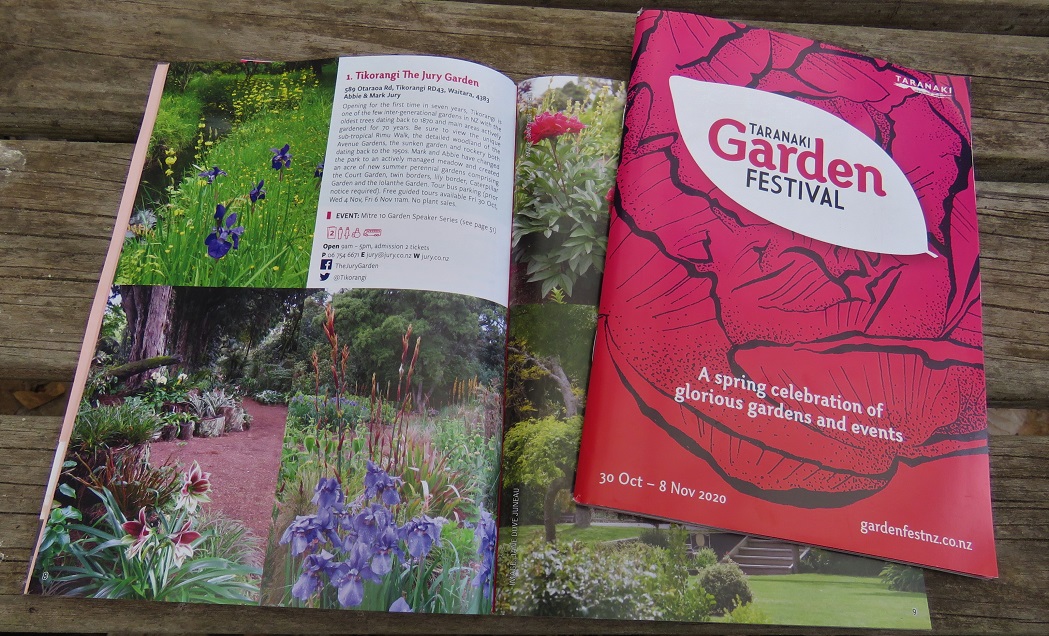 The printed programme is now out and the information is all
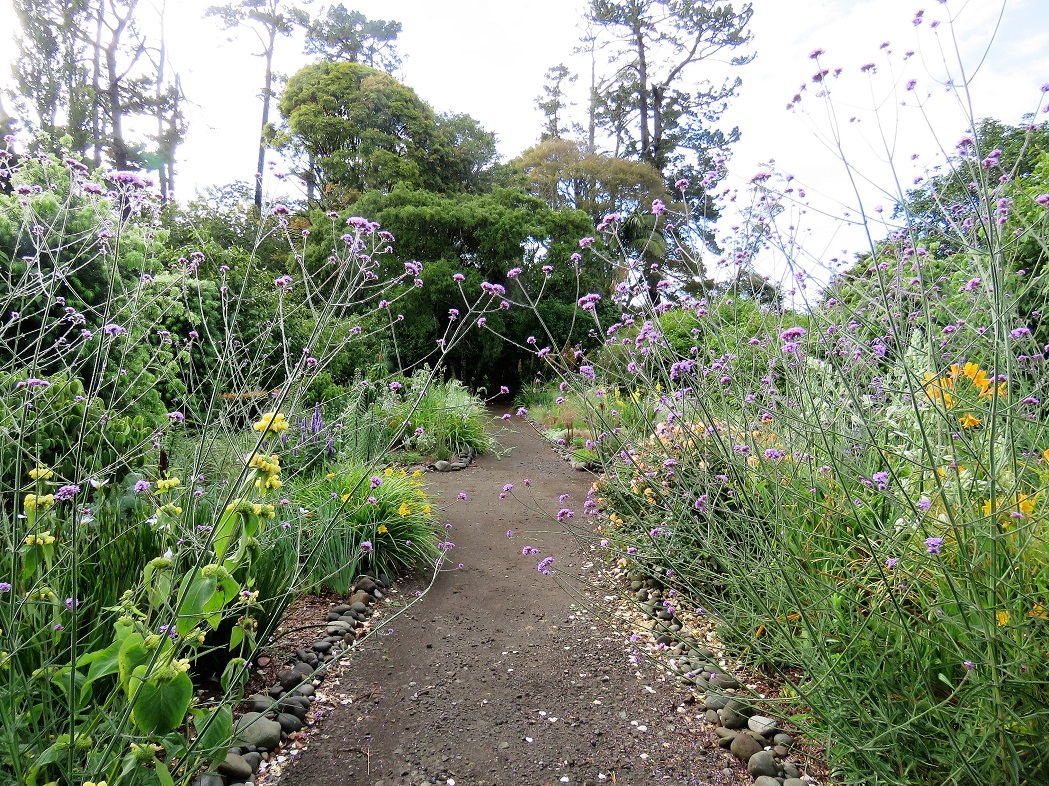
 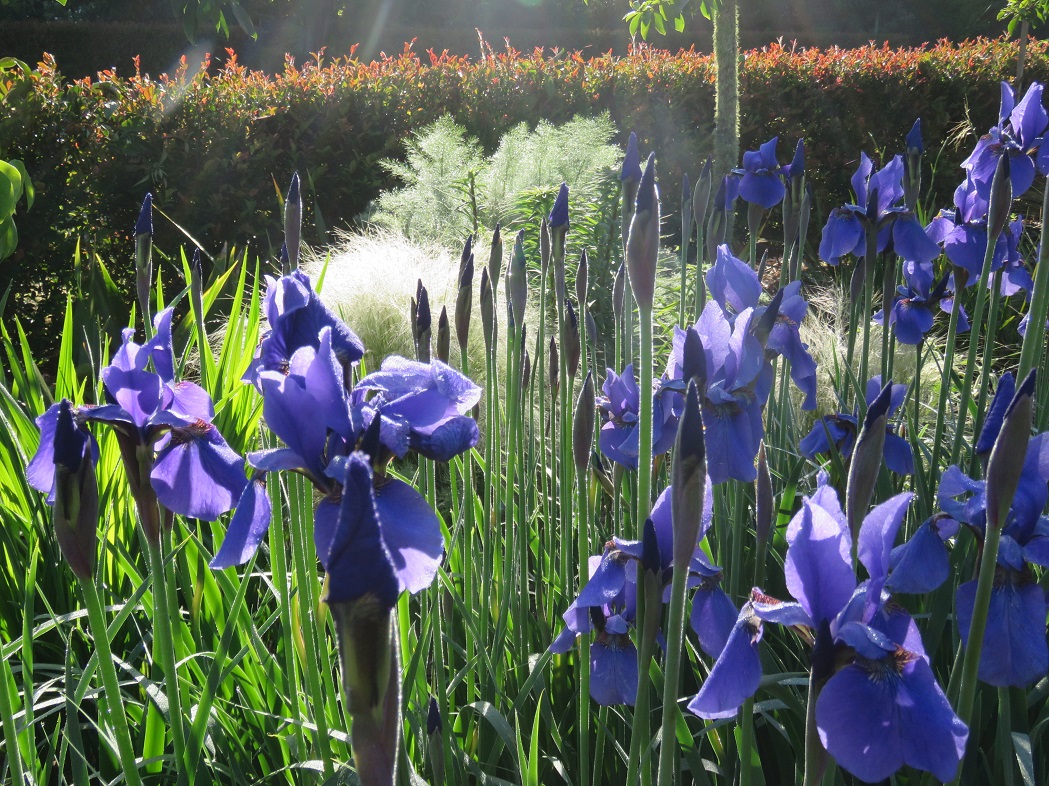 New Directions with Sunny Perennials
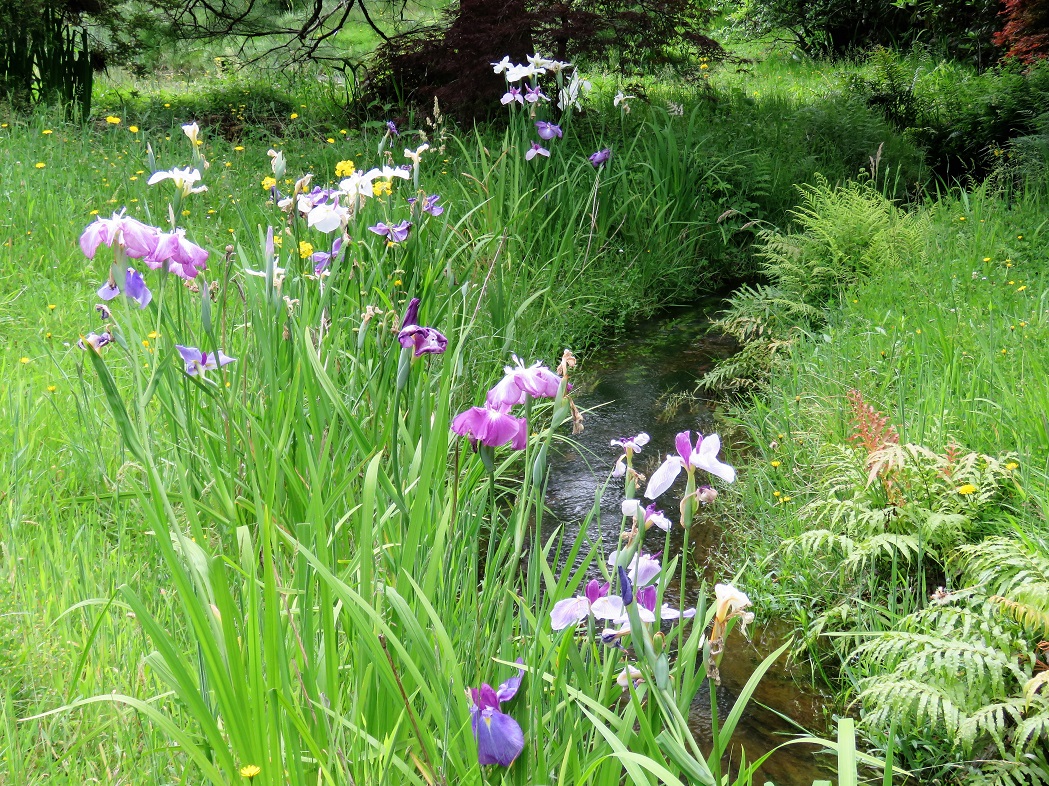 Meadow Theory 101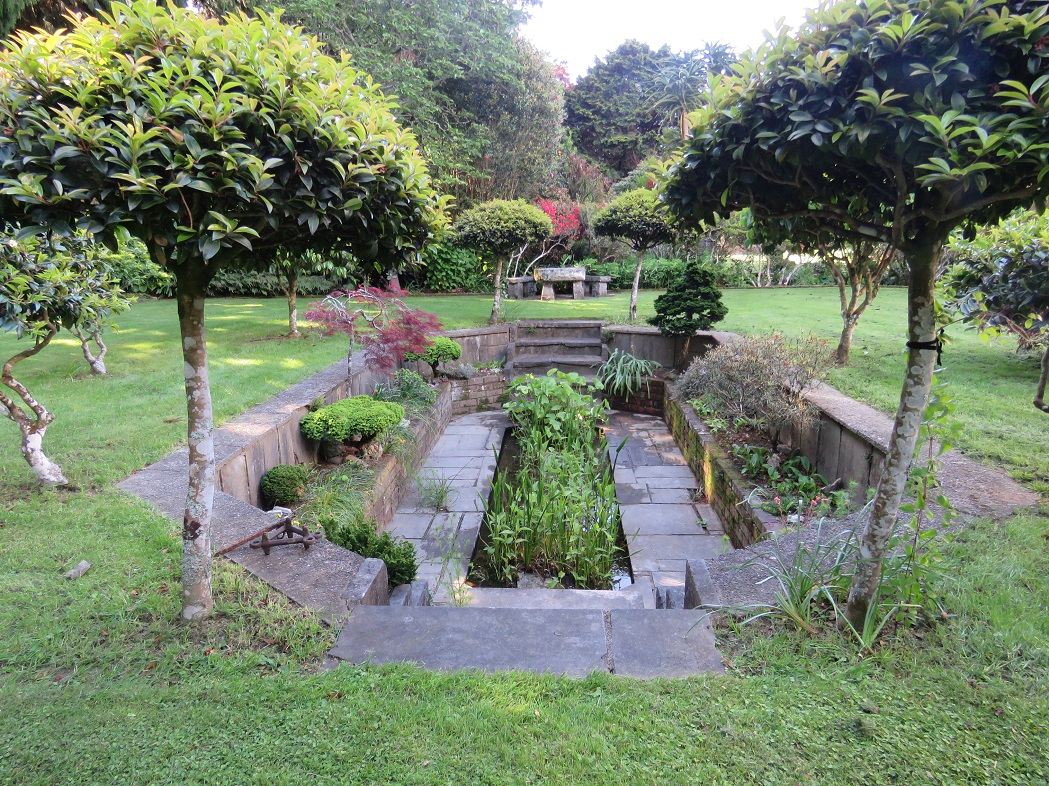
 Postscript for overseas readers: sorry, this is all of no relevance to you. Even if you wanted to, you can not come. Flights to NZ remain few and far between and you have to be a NZ citizen or permanent resident to get in (bar a few essential workers). Even then, all incoming passengers have to go into government quarantine for 14 days and it seems to be the luck of the draw as to whether you get confined in a five star hotel or one that is more modest. But we are now free of Covid, bar the quarantine cases at the border, and have been for over ten weeks. Life here is back to normal – no masks, no PPE, no physical distancing required, no restrictions bar those at the border. This situation has been hard-won and there aren’t many New Zealanders willing to risk the alternatives as we look at the grim situations around the world. It seems there is a long way to go in this pandemic yet. May those of you overseas stay safe and well.