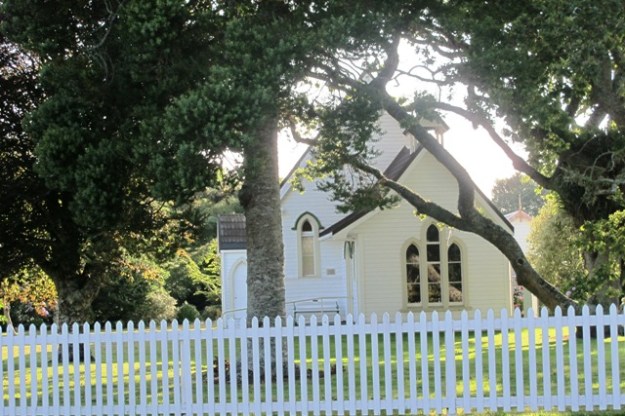
Ours is a typical rural community in North Taranaki, about 5km off the state highway. We named our garden for the area. There are two main(ish) roads here and about five side roads. The country store has long since closed but we have a pretty little church which is still in use.
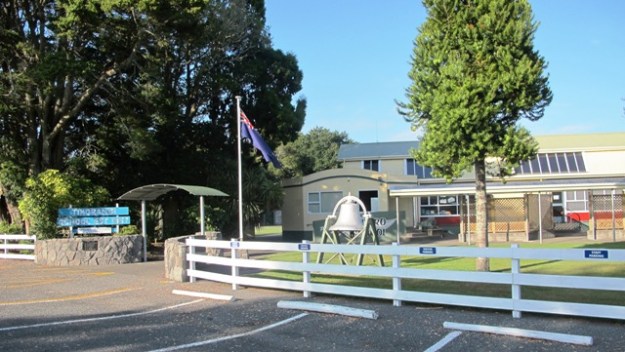
We have a country school which has been here for 146 years. It currently has a roll of about 140 though that has been inflated by children from the town of Waitara 6km away.
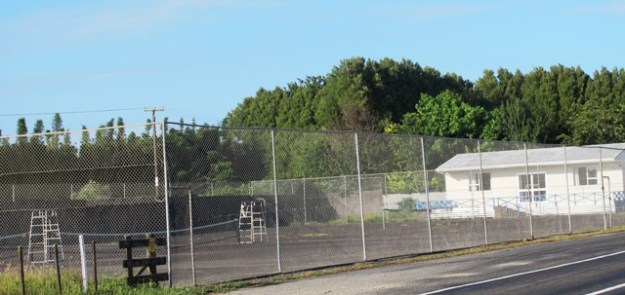
We have tennis courts, a rugby club and a well kept community hall. The original dairy factory is still here. It has Historic Places A classification and is a home these days.
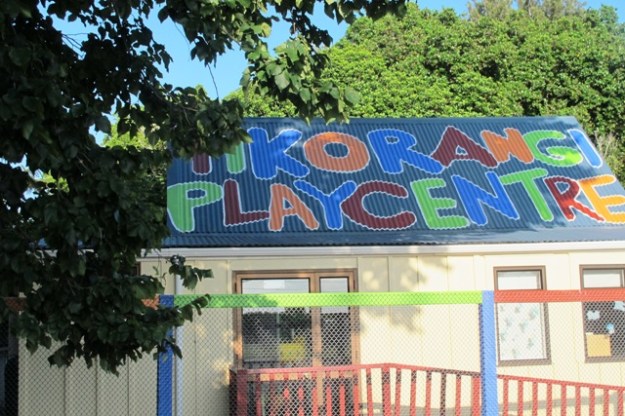
We even have an active playcentre in an historic building (the original school). It too has Historic Places A classification.
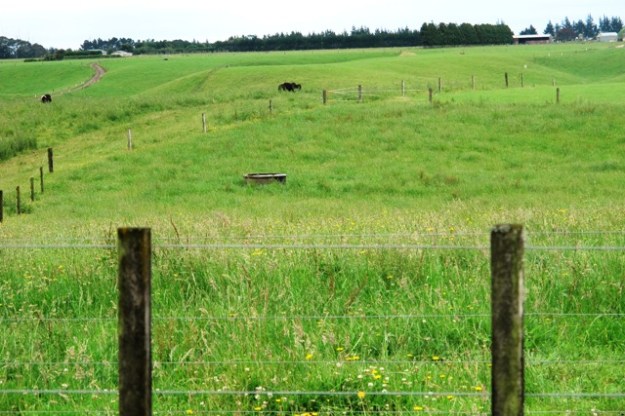
Typical farmland. Shame this is the site for Mangahewa E
Many of the original settler families are still living here. Jury, Sarten, Soffe, Foreman and Lye are common surnames. Many trace their antecedents to the first boats of immigrants that landed in New Plymouth in 1841. This is an area even richer in Maori history and families like the O’Carrolls and the Baileys can trace their whakapapa back much further. The area is peppered with waahi tapu (sacred sites).
It is predominantly farming, dairy at that, only one modern industrial farm. The rest are generally in family hands often down the generations. There is an increasing number of small holdings as people build their “forever homes” on their piece of land in the country because we are only 20 minutes out of New Plymouth.
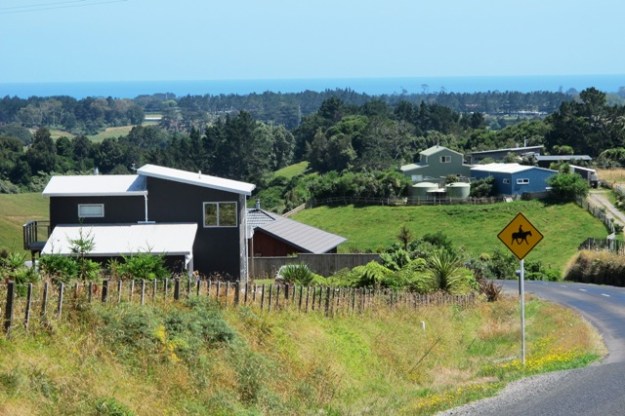
I doubt that too many people ride horses on this road any longer. This is one of our main(ish) roads with an astonishing volume of traffic, much of it heavy transport, and much of it travelling fast because it is a 100km/h speed limit.
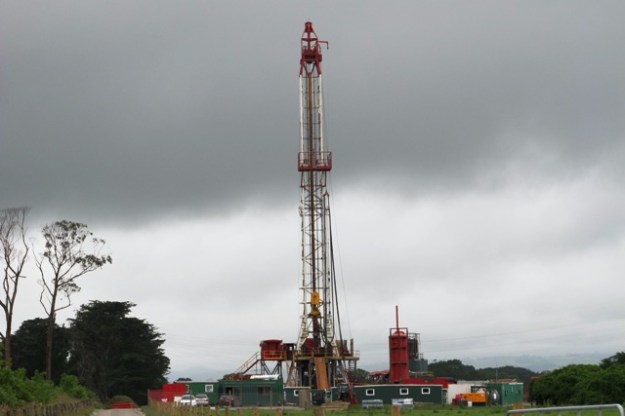
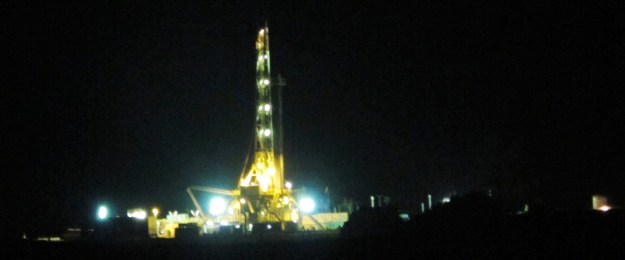
Then there is this.
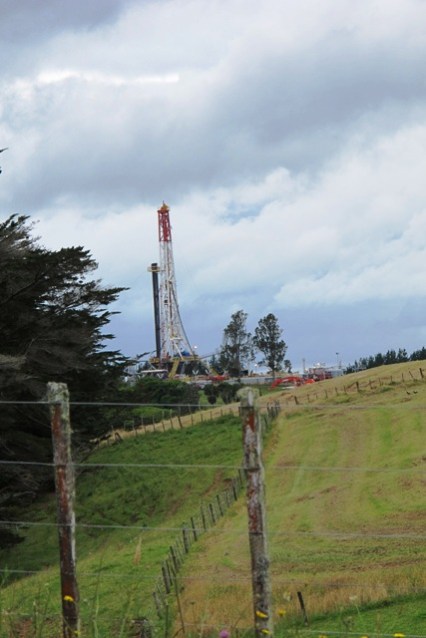
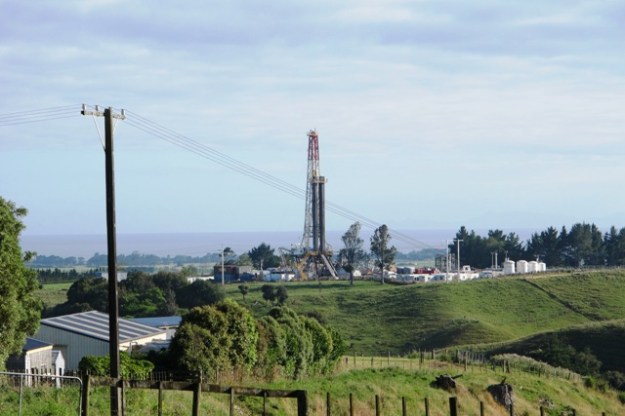
And this. Two rigs, two sites.
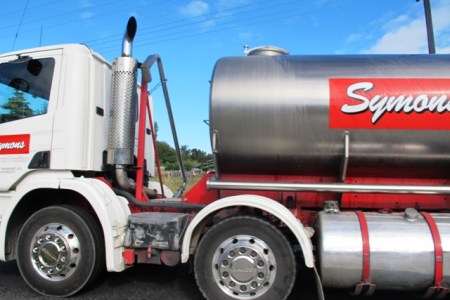
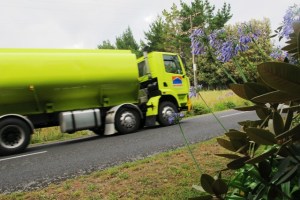
And lots and lots of these.
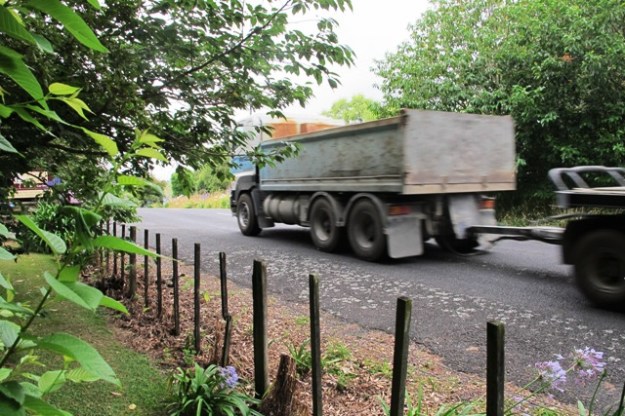
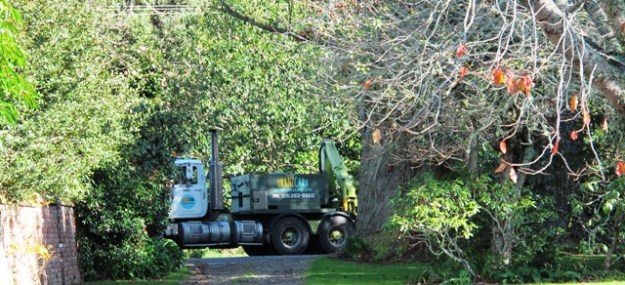
Lots and lots and lots in fact.
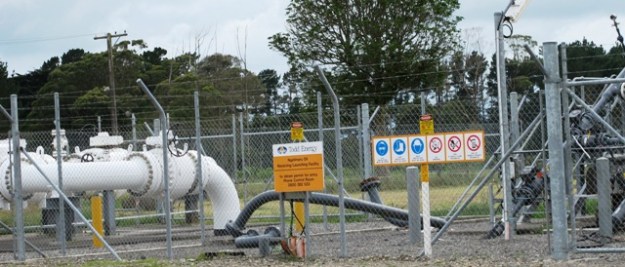
We have these sorts of installations.
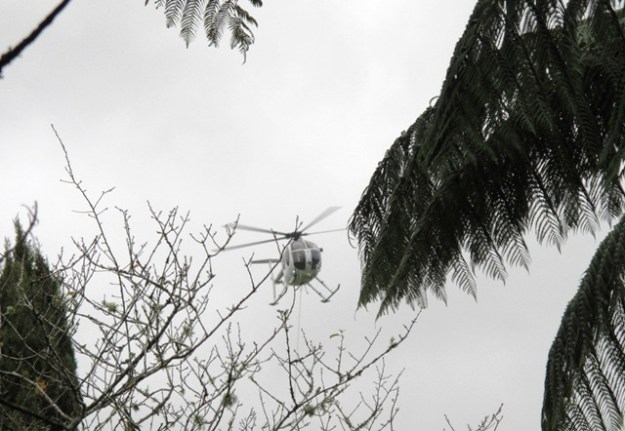
At times we get more of these than we would like. Darned noisy machines.
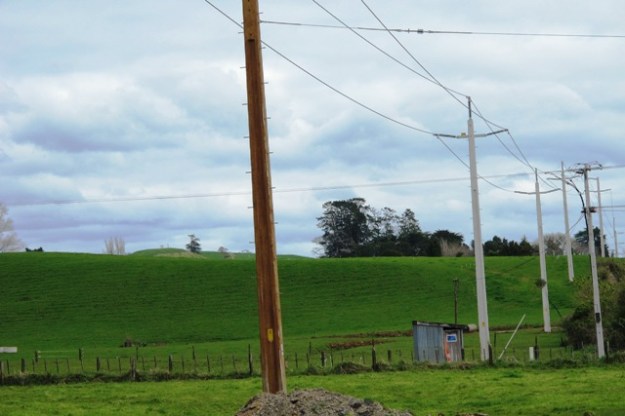
The first set of power pylons marching across the landscape date back to the Motunui synthetic petrol plant in the early eighties. But now we have more. This latest lot are not for the public good. It is the designated power supply for Todd Energy marching across our rural landscape. The ground below is criss crossed with gas pipelines.
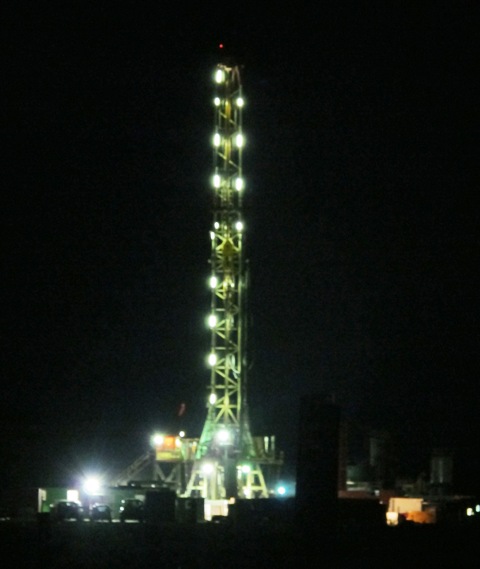
Our night skies are no longer the velvety darkness which we used to take for granted in the country. Some of us no longer enjoy silence – at any time.
Our roads are being upgraded, even our little side roads, but this is solely to enable them to carry huge loads along what used to be little country lanes.
And there is plenty more to come. Currently, I think we are enduring the drilling of wells 8 and 9 (or thereabouts). It appears that our local councils, without consultation, without an overall plan, dealing with applications on a case by case, non notified basis, have already consented or are in the process of consenting up to FIFTY FIVE, maybe even FIFTY NINE wells in our little Tikorangi. That is an area shaped a little like a cross and measuring about 6km at its longest point and 3km at its widest point, bounded by Epiha A site, Kowhai B site, Mangahewa A site and Mangahewa E site. (A list of wells approved, applied for or announced publicly is at the end of this post. These are only the ones I have found. I do not know if it is complete).(Goodness. I first wrote that two years ago. We now fourteen well sites approved for in excess of 100 wells. Clearly we did not realise in 2013 just how much worse it could get.)
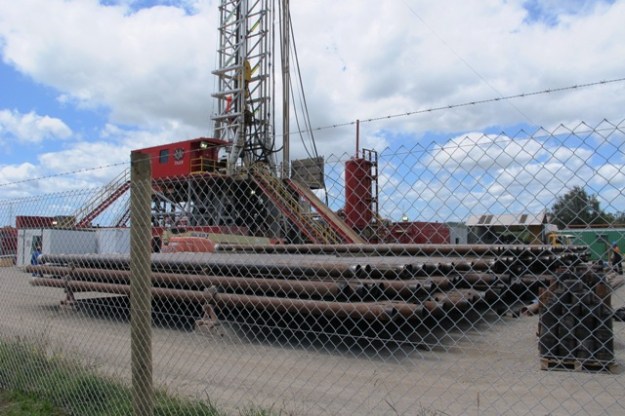
You too can find you now have a major well site on your boundary with no consultation or compensation as this person did. It is no longer a joke. Yes, that is the next door farmer’s boundary fence.
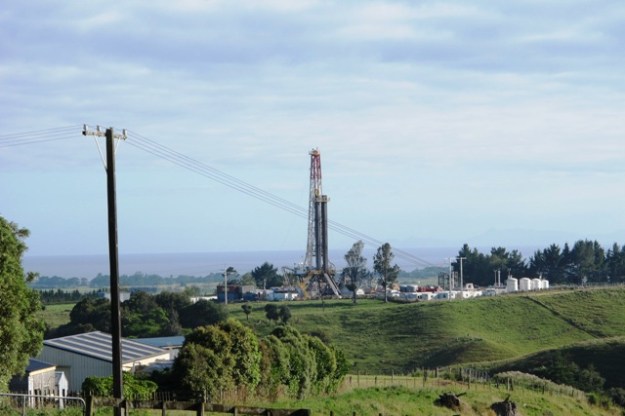
This is Mangahewa C site. In late December, the company was given an extension to their resource consent to more than double the size of the site, apparently without the Council planner making a site visit. She was, it seems, too busy in the lead up to Christmas to get out. She might have been very surprised by what she found, had she made the time.
Read the council planners’ reports and you find references to the effects of this development being “less than minor” and “not altering the rural character of the area”. Words fail me on these bizarre claims except to say that maybe, from one’s office desk in New Plymouth, they don’t look quite like they do on the ground in Tikorangi.
And few of us complain because “you drive a car don’t you?” is the common, sneering response from the ignorant and the ill informed.
Consented and proposed wells in Tikorangi.
Epiha A, Otaraoa Road: 8
Kowhai A, Ngatimaru Road: 6
Kowhai B, Ngatimaru Road: 8
Kowhai C, Otaraoa Road: 8
Mangahewa A, Otaraoa Road – waiting to have confirmed. Best guess at this stage, maybe another 8.
Mangahewa C, Tikorangi Road: 8 consented, number 4 being drilled now but Todd announced at a meeting with locals in the Tikorangi Hall last December that they WILL be drilling a further 9 wells on this site in the next five years. This makes a total of 13.
Mangahewa E, Tikorangi Road: 8
Depending on the number of wells consented for Mangahewa A, that makes a total of 59 (with a small margin of error).
What can Tikorangi residents and landowners do?
Contact the New Plymouth District Council and the Taranaki Regional Council and ask for a moratorium to be placed on any further petrochemical development consents or variations to consents until:
a) A development plan is in place for Tikorangi and
b) The Parliamentary Commissioner for the Environment releases her final report.
Contacts at New Plymouth District Council could include: Frank Versteeg, versteegf@npdc.govt.nz, Barbara McKerrow mckerrowb@npdc.govt.nz, and the mayor harry.duynhoven@npdc.govt.nz. It will filter down to the lower echelons from there, but I have no idea if the reverse is true.
Contacts at Taranaki Regional Council: consents@trc.govt.nz, david.macleod@trc.govt.nz, basil.chamberlain@trc.govt.nz, fred.mclay@trc.govt.nz.
My follow up post is Saving Tikorangi – what our District and Regional Councils could do.
Update: Monday 11 February
1) This post and its accompanying post “Saving Taranaki” clocked up over 1000 views in 6 days. I have added two extra pointers, 26 and 27, to Saving Tikorangi.
2) Taranaki Regional Council have contacted me to say that none of this has anything at all to do with them. It is all New Plymouth District Council’s problem. How convenient.
3) I am still waiting to discover how many wells have been approved for Mangahewa A site. NPDC appear to be having difficulty finding the records even though this is a large and active site. I have suggested that if they have misfiled or lost the records, no doubt the licensee, Todd Energy, could supply them with a copy.
4) The applications for Greymouth Petroleum’s Kowhai C site are at a considerably more advanced stage than neighbours or locals realised. This, of course, is pretty much the same site that an active local campaign kept Fletcher Challenge out of 15 years ago. Who knew that the same issue would reappear but under a different company name? The same reasons why locals did not want Fletcher Challenge on that site still apply. In fact with fracking, those reasons are probably even greater. It is wildly inappropriate and risky to site major industrial developments in the very heart of a rural community.
5) Reportedly, Todd Energy is describing Tikorangi as “semi rural”. No, Todd. We are rural here. Semi rural is that transition on the outskirts of towns and cities. This is a farming area. The fact there are also some lifestyle blocks does not make us semi rural. Most of us would rather not be semi rural when the other semi is industrial, thank you.
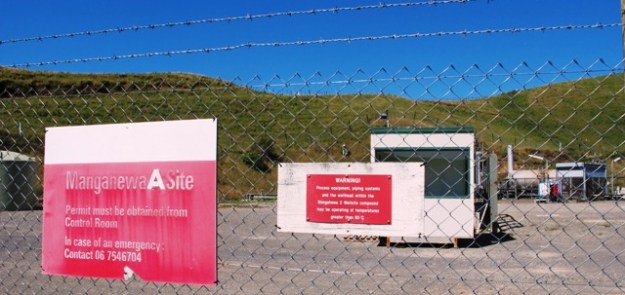
I sent NPDC a photo of Mangahewa A site signage to help them find it
-39.042098
174.300314

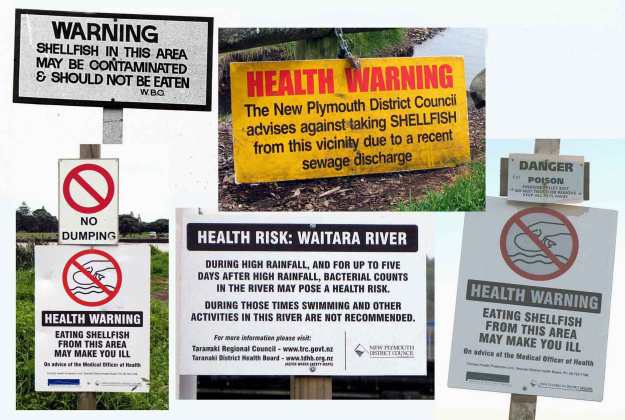 Back in the early 1980s, Mark’s late mother Mimosa was an active supporter of the groups lobbying for clean water in this area of ours. At the time, there were extended hearings into the establishment of the gas to gasoline plant at Motonui – with plans to pipe waste out to sea – and a claim under the Waitangi Treaty regarding discharging of waste to water. In good country-woman style, she would bake food to share at these hearings and on many days she would pack her lunch to head down and sit in support of those speaking out to protect our water.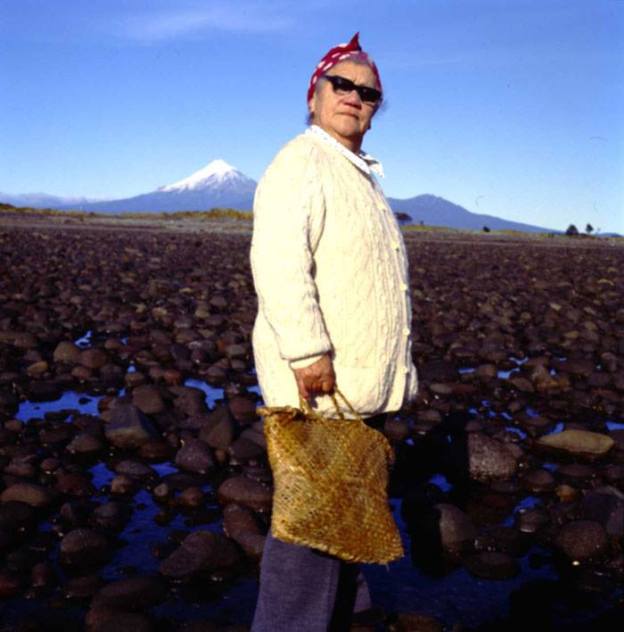
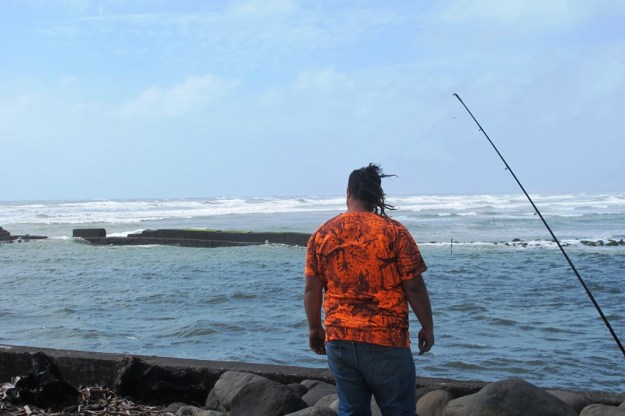
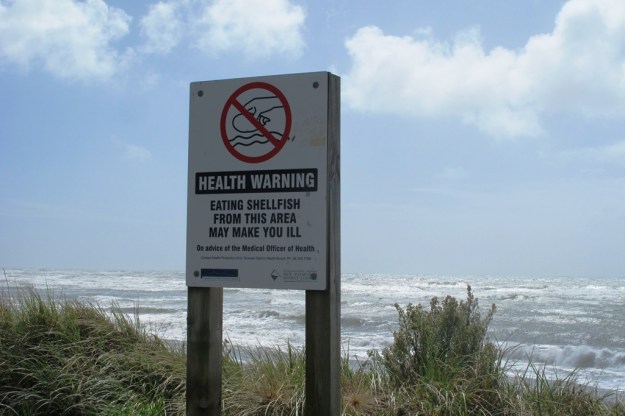
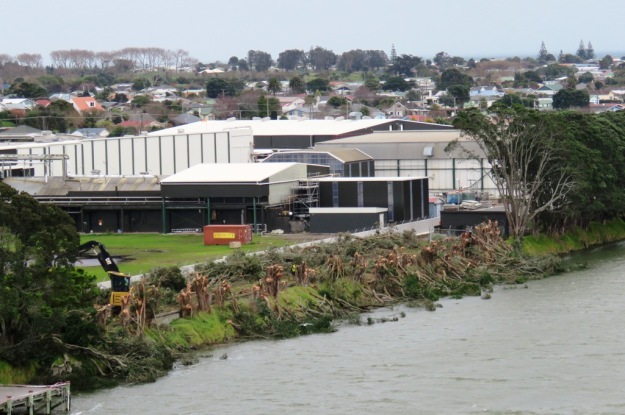
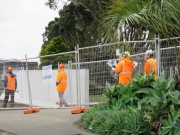
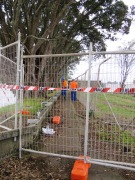
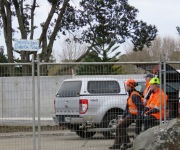
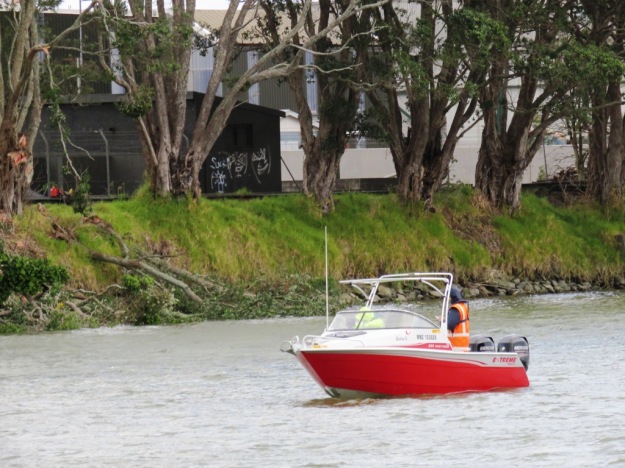
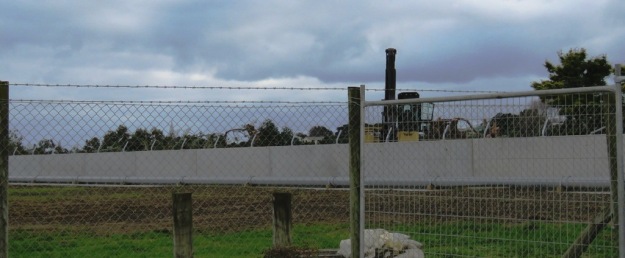 How anybody in their right mind could think that the hostile expanse of concrete flood wall, topped with barbed wire (it is doing double duty as a security wall for the meat packing works behind) was an appropriate form of town flood protection in this day and age is beyond comprehension. It looks like a prison wall. This is the face of Waitara in 2015. We regard it as simply shameful action by Taranaki Regional Council.
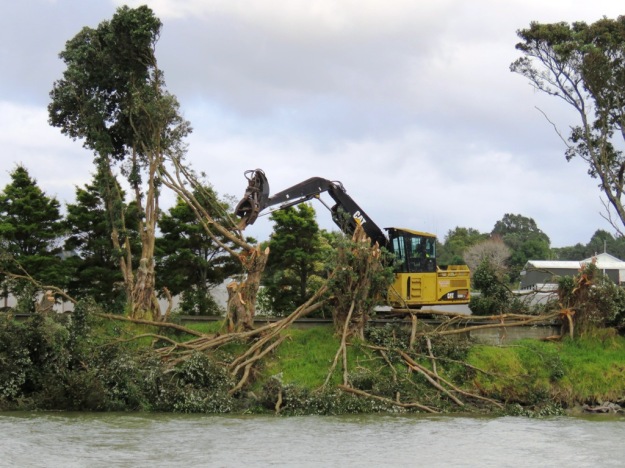 While the chainsaws worked at one end of the row, the digger driver proved that you don’t need chainsaws at the other end – the might of the machine means you can break apart the trees. There was no sign that the men on the site felt any sorrow at the unceremonious felling.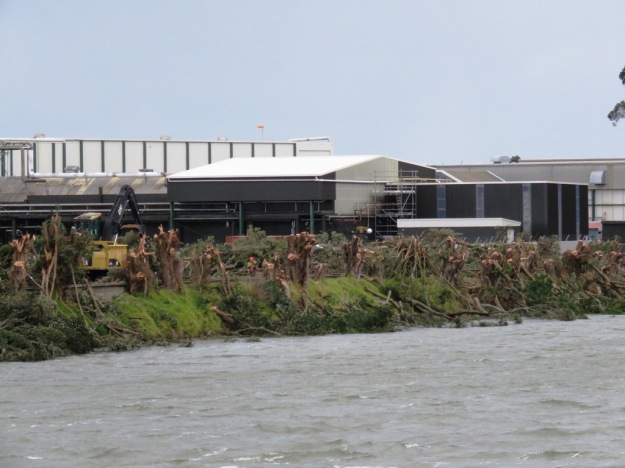





 Tikorangi The Jury Garden