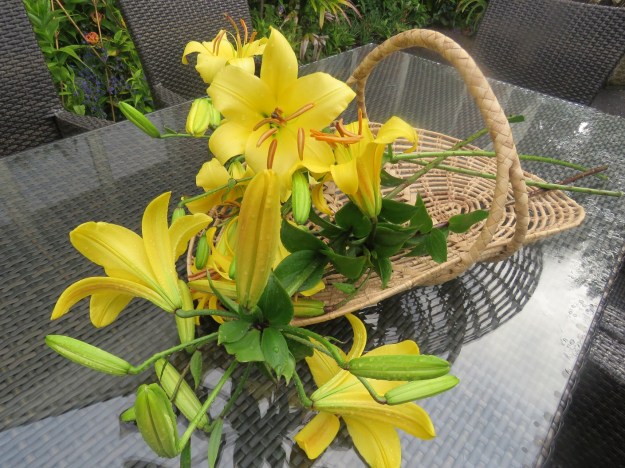
Aurelian lily season has started
We don’t do New Year gardening resolutions here. Much of our daily conversation revolves around gardening and environmental concerns and we know already that 2017 will see us heading further down the track of ecologically sound gardening – soft edged, romantic gardening in a more naturalistic style which adds to environmental eco-systems rather than battling with nature to keep a hard-edged, manicured garden. I am a bit worried that Mark’s growing tendency to embrace all aspects of nature may see him convert to Buddhism. I do not share his reverence for the lowly life forms like snails (he admitted he relocates these) and flies (which he liberates out the windows) but it is an extension of a gentler way of living. If we had a shared resolution, it would be to continue our efforts to tread more lightly on this land we occupy.
I did, however, decide I would discipline myself to keep garden records on a daily basis – in the old fashioned manner of a few simple notes in a diary. In days gone by, when I used to write for our local newspaper, I was contracted to provide a weekly list of advice on what to do in the garden. It often had us scrambling to follow our own advice. As a variation on that, I thought I would try a weekly post on what we have actually done in the garden. Retrospective, but recent, so to speak.

One of his vegetable patches. He calls this one his allotment.
We arrived home from a very hot festive period in Sydney and Canberra to an unusually cool summer in Tikorangi. The lush green appearance of home struck us afresh. While I am hoping we will get some hotter days, temperatures in the low 20s Celsius are more conducive to gardening. Mark has been playing catch-up in his vegetable gardens – hoeing weeds, sowing corn (“have you sown my basil yet?” I keep asking) and thinning and tying in his tomatoes. The main daily harvests are salad vegetables and peas – I eat my daily portions of the latter raw while he prefers his lightly cooked. We consume large amounts of fresh vegetables – the Heart Foundation would nod approvingly, I feel. This is the first year he has grown daikon, the Japanese white radish. Delicious is our verdict, though each specimen is quite large for a family of two.
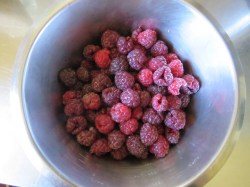
The raspberries are cropping a little late this year and I do not think we will get the usual volume that I freeze for later use. The strawberries are still producing but in smaller quantities and with smaller fruit.
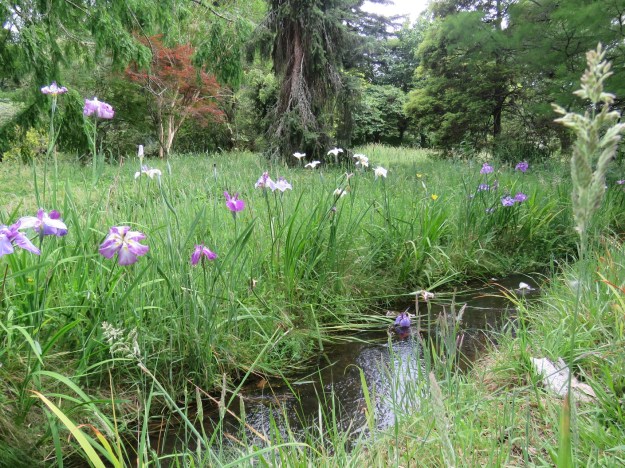
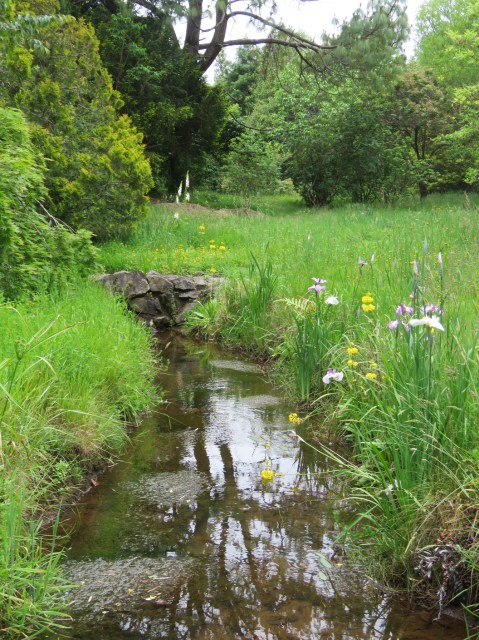
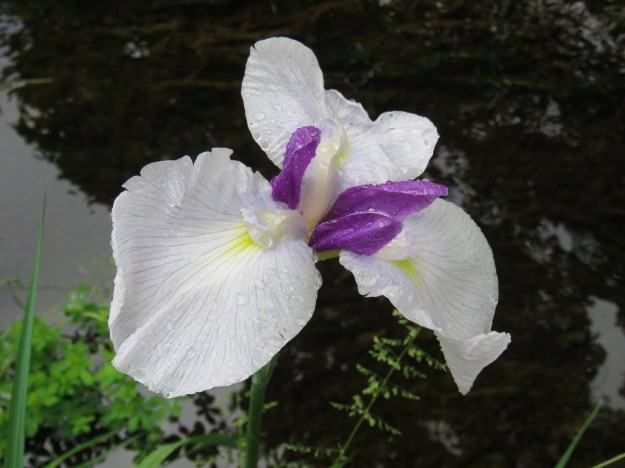
On the rainy Tuesday, Mark summer pruned the grapevines which are grown under cover. I started the summer pruning of the wisterias – leave these to their own devices at your peril. The Higo iris in the park continue to flower and bring us great pleasure (nearing two months in bloom now) but it is the lilies coming on stream now. I picked the first of the Aurelian hybrids that Mark raised. These are currently in one of the vegetable gardens, pending the move to a permanent home in a new garden but in the meantime, I can cut them all I like without spoiling the display.
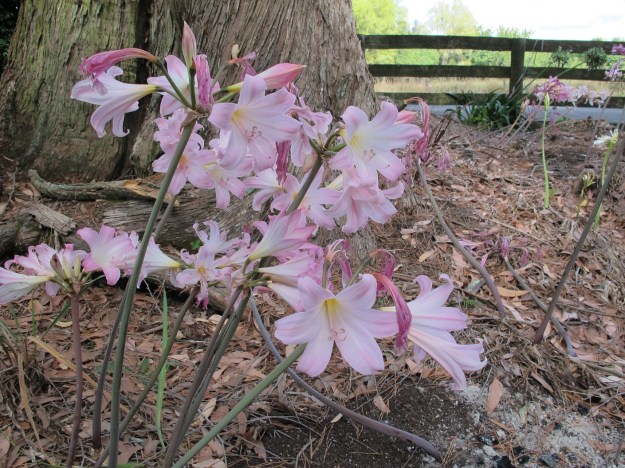
The floral display in late March
I have been lifting and replanting many of the belladonna bulbs by our main entrance. We grow these as a roadside wildflower. They are a bit strong and bullying to make a good garden plant and their flowering season is brief but they are an early autumn delight. The window of opportunity to lift and divide is narrow because they stay in growth for most of the year and I have been meaning to do this for some years. I discard all the small offshoots and bulbs. We don’t need more than we already have.
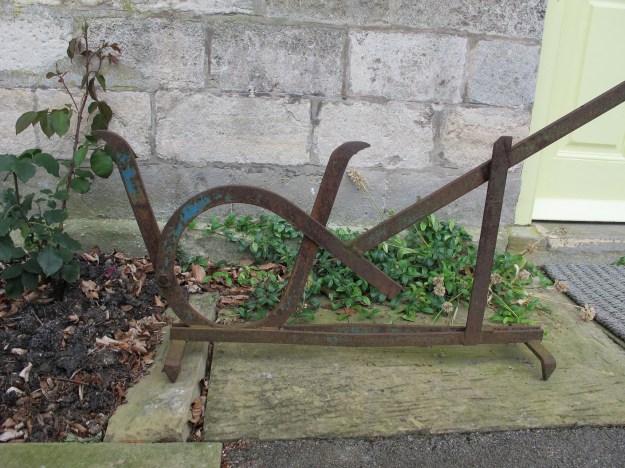
A vintage faggot binder
Because we have big clumps beneath a huge old eucalyptus that is one of the original trees here, replanting involves gathering up debris which we will use as fire-starters as winter. Some eucalypts shed a prodigious amount of stringy bark and twiggy growth. I want to say gathering faggots, for that is what the term used to be before the word became debased as sneering abuse. Because we lack the time-honoured faggot-binder that I photographed – enviously – in a Yorkshire garden, I stuff them in old sacks instead and stack them in the pine cone shed.
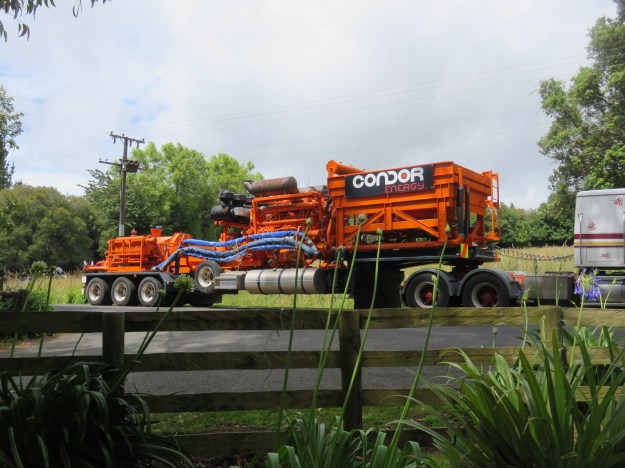
Loading out means many massive loads such as this one
Finally, the omnipresent petrochemical industry. I haven’t written about this in recent times for two reasons. Firstly the pressure lifted somewhat with a decrease in activity due to low global prices for oil and gas (click on the *Petrochem* tab on the top menu bar for more information on how very bad it was at its peak). Secondly, we had to learn to live with it or it would break us, as it nearly broke me three years ago. I have learned to look inwards to our own place – circling the wagons, I call it. Others may call it practicing mindfulness. But the industry grinds inexorably on. Today, they are loading out all the equipment from the latest round of “repairs and maintenance” on Mangahewa C site. You or I may call this fracking and refracking – repeatedly – but in the parlance of this new age, we were assured that this is now called “behind pipe opportunities”. Alas I am not joking.
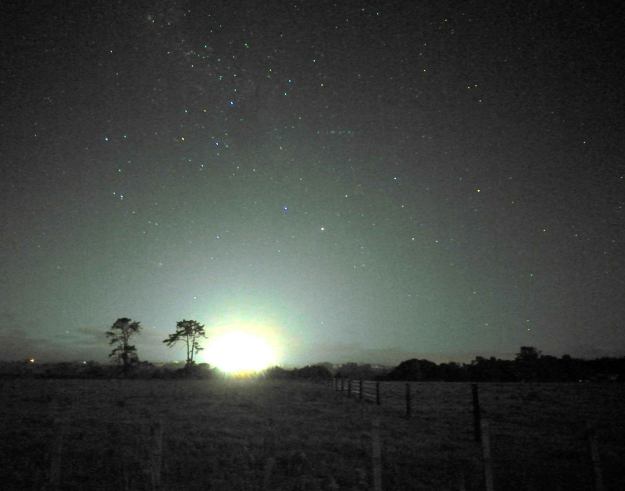
The Mangahewa C site flare last week. Photo: Fiona Clark
Fracking (to get the gas flowing again) is always followed by flaring and this wonderful image from last Saturday was captured by Fiona Clark. We live maybe 2km nearer to this site than she does so we get the benefit of the sound effects too. CO2 emissions and global warming, anyone? This is why I circle the wagons and look inwards to our own patch. The contrast could not be more extreme.
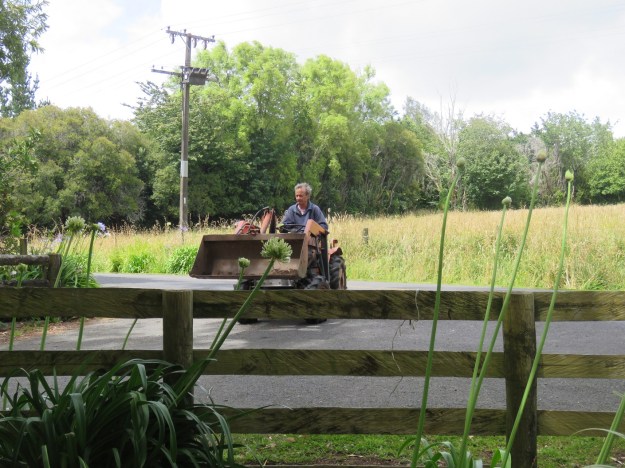
Not exactly circling the wagons – just Mark on our incredibly useful and long lived baby tractor.





 The biochemist and the synthetic organic chemist were more amused than anything else. They could not see any reason why gin should be more efficacious than any other form of alcohol. But none of us really wanted to sacrifice the Christmas gin to carry out field trials. Mark recalled the routine use of kerosene for weed control on carrots in his father’s day. When we arrived home, he found me the reference in the McPherson book, “Vegetable Growing in New Zealand”. It is so old, it doesn’t even have a date on it but the publisher was Whitcombe and Tombs Limited and it is a few decades or more since I have seen that name.
 While on the subject of falling plant material – and leaving aside our