
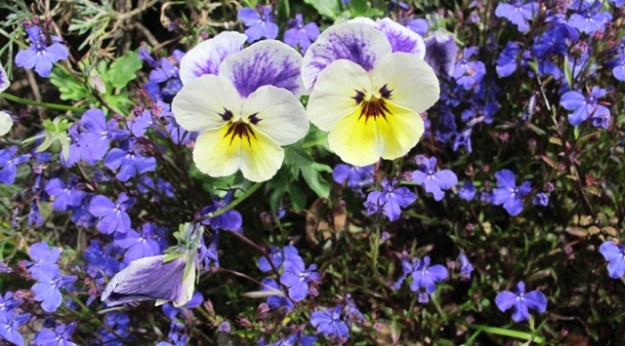
Lobelia and pansies – two choices among many quick maturing annuals
I was chatting to a Waikato reader this week and we got on to the subject of encouraging children to garden. It’s not rocket science. Setting up your child for success will breed enthusiasm and confidence.
Our three progeny are well and truly adult now (and gardening adults at that) but they were whizzes at school garden competitions, sand saucers, miniature gardens and floral art. In self defence, I have to say they never won any of the calf rearing cups and ribbons (their experience was at rural schools) and success in the lamb-related sections was rare. But at anything to do with gardening and flowers, they were winners. We set them up for success.
Back in the days when rural schools here promoted competitive school gardens, I was once asked to judge the winners. These were little plots at home where the children grew flowers, herbs or vegetables. Goodness me, they were all raised from seed in those days, organised at a subsidised rate by the schools.
I still remember that judging round as I visited maybe 20 different garden plots. The saddest sight was that of a sole child of older parents. They had a lovely house and garden and poor daughter had been banished to a hidden, shaded spot out the back so as not to spoil the overall appearance of the property. She was doomed to failure.
Children’s gardens need to be in the best possible position where they are in full view and walked past all the time, not hidden away. Think of it like the wretched trampoline that dogs so many parents. If that is hidden away from view, it is not used anywhere near as much as if it is in prime position. As every parent knows, the years of childhood seem long at the time but in retrospect they have flashed past. Tramps, sandpits, paddling pools, plastic toys and their ilk don’t combine with the beautiful house and garden but they are transient. Children’s gardens are in the same class. Celebrate them. Don’t hide them away. Put them in a prominent spot by a main access path in full sun.

Rural families may have a damaged farm trough to recycle as a child’s garden but move it to a sunny, prominent spot
Children like a defined space that is their own. A raised garden bed may be just the ticket but is not necessary. Defining an area with stones or bricks may suffice. Our youngest had a successful garden in a cracked farm trough which had been recycled as a sandpit and then had a third life as his vege garden. I mention this for rural readers who may have suitable farm trough lying around which they can move to the right position.
Keep the size manageable. Generally a metre square is all a small child needs, maybe two square metres for one who is a little older. Getting too large can become daunting, especially when it comes to weeding.
Guarantee success by preparing the soil. Digging it over, making sure it is friable without huge clods and adding compost or sheep pellets means that most plants will grow as required. It is too much to expect young children to be able to dig a garden. That ability comes with experience. If time allows, letting the first flush or two of weeds germinate and push hoeing them off saves an awful lot of weeding later on. Odds on, however, most children will be too keen to get planting and not want to wait for that process but at least rake the surface level for them.
If you are starting on a patch of lawn, make sure you remove all the turf first rather then digging it in.
The purist in me says that children should be encouraged to learn how to grow plants from seed. The realist says that times have changed and for a first experience, it gives a quicker result to start with punnets of small plants. The middle ground is to do a mix of purchased seedlings and seed that can be direct sown into the ground. Just avoid seeds that need to be started in individual pots or seed trays.
Let your child choose what they want to grow. Herbs often appeal to older children. Oreganum, marjoram, thyme, chives and parsley are good options. Coriander can be direct sown. If flowers are the choice, guide them to quick maturing annuals. Pansies, lobelia, nigella, petunias, alyssum, ageratum – the list is long. Let your child choose maybe five different ones. Most children I have seen like to plant in patterns.
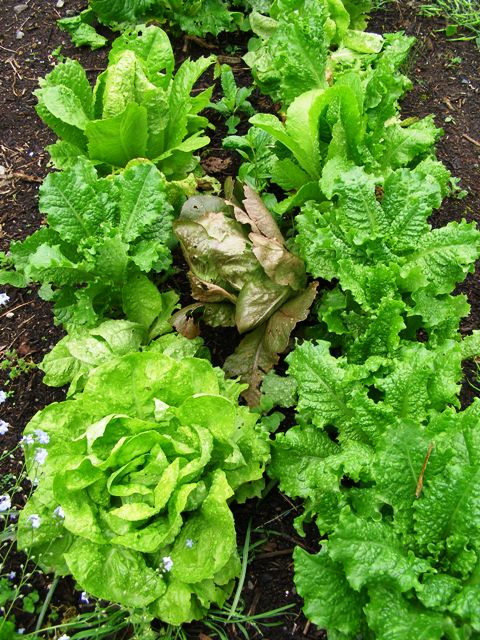
Quick maturing vegetables are the way to go with children
When it comes to vegetables, quick maturing is the way to go. Lettuces or Asian greens are good options. Radishes are the classic choice but few children like eating them. Peas and dwarf beans can be direct sown from seed. A Sweet 100 tomato is a good choice, but keep it to just one strong plant. By mid to late summer, it will probably take up the entire patch but by then, many of the other crops will have finished and interest may have waned.
Success breeds enthusiasm. Set your child up for success from the start even if it involves some work behind the scenes.
First published by Waikato Times and reprinted here with their permission.


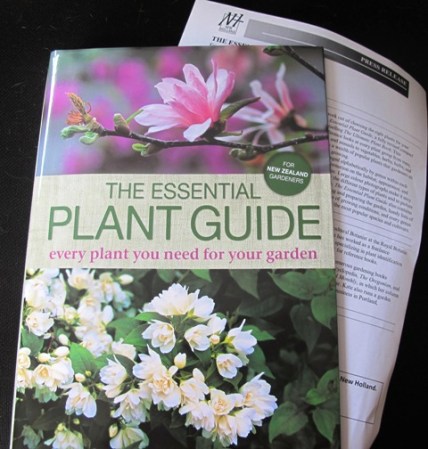 The subtitle of this large book is “Every plant you need for your garden” and the cover, presumably generated specifically for the NZ market by the publisher and the NZ distributor, New Holland, boldly states “For New Zealand Gardeners”. It isn’t. The authors are Australian and American and the text has not been adapted for NZ conditions which are very different. Including plants like meconopsis (which will seed down and naturalise, don’t you know?) and trilliums as great garden plant options is problematic. There are reasons why you don’t see many crepe myrtles (lagerstroemia) growing in this country (they need hot, dry summers) and cornus are not great in the mild north and mid north. Arisaemas – we know quite a bit about arisaemas here. A. sikokianum is incredibly difficult to keep going as a garden plant but that is at least better than the recommendations for some which we think aren’t even in this country. Recommended camellia and rhododendron varieties are often (mostly?) ones more popular in the authors’ home countries and are not the NZ market choices. I would not be sure that they have all been imported to NZ, let alone in production.
