Tag Archives: Tikorangi: The Jury garden

A small kingfisher, autumn bulbs and cyclone recovery

Does anybody else feel they are living life day by day, waiting to see what else life will throw at us? Oh, most of you? I thought so. As I heard somebody on the radio saying yesterday, the pandemic has hit pretty much every corner of the world and it ain’t over yet. Add in the invasion of Ukraine, the very real threat of a nuclear war in Europe, the appalling flooding in northern New South Wales and it makes our experience with Cyclone Dovi seem minor.
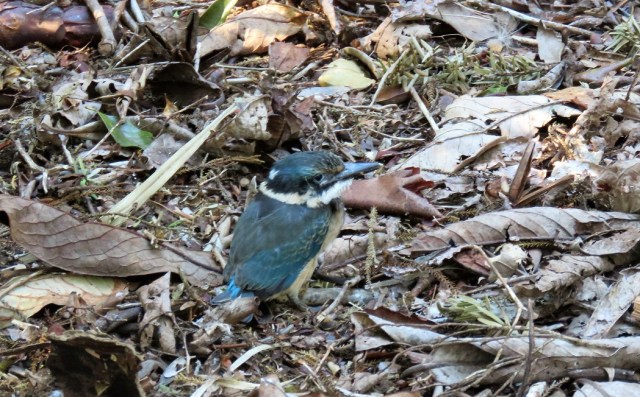
Little Beaky the kingfisher or kōtare

I have to focus on the little things in my immediate physical world to keep me sane. Meet our little kingfisher or kōtare. Zach found it on the ground on Tuesday and it had clearly fallen out of its nest-hole high, high above in the Phoenix palm. Zach named it Queenie but told me the next morning it had changed to Beaky. I can only assume that these are pop culture references which I am too old to understand.

For such a small creature, Beaky had a very loud voice and on Wednesday, it spent a lot of time calling to its whanau (family) above. At times the mother would reply so she knew where it was and we hoped she was feeding it.
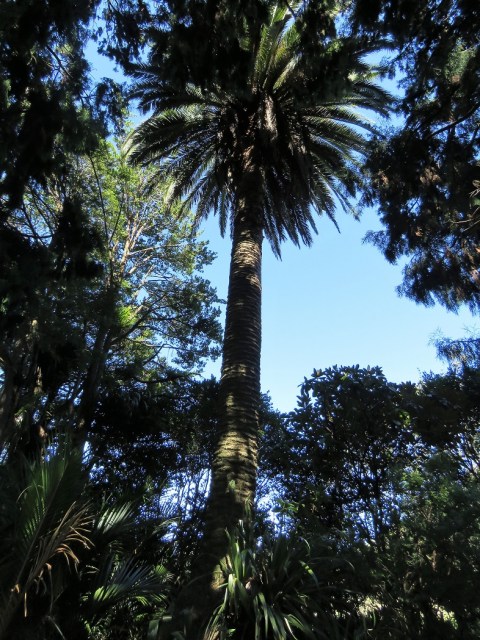
Beaky’s family nest was a hole high in the Phoenix palm

Thursday – no sign. No bird. No noise. I hoped Beaky had not been taken by a feral cat or stoat. Zach bravely declared that he was sure the tail feathers must have grown sufficiently for Beaky to fly but I had my doubts. Zach was right.

On Friday, the sound of loud kingfisher squawks drew me back to the area where I saw a little kingfisher perched in an adjacent tree. As I watched, it flew over to the Phoenix palm and then back before flying a little more confidently further afield. Was it Beaky? It is a bit hard to tell when it is up in a tree but it was a baby kōtare, clearly new to flying and managing to make a great deal of noise so I think it was likely to be Beaky who may just be the noisiest, small kōtare of all time. I hope it was.
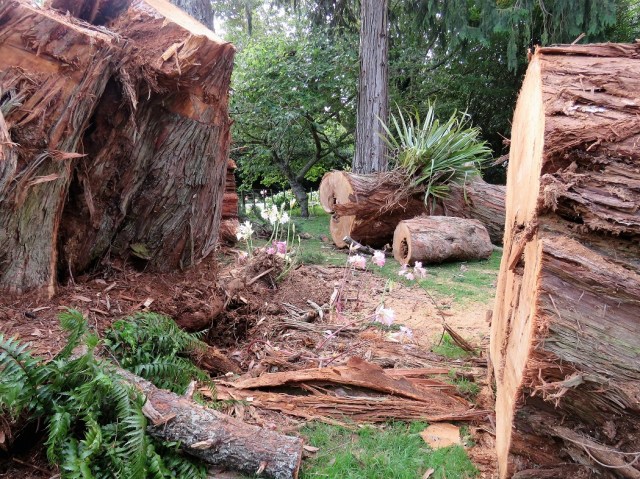
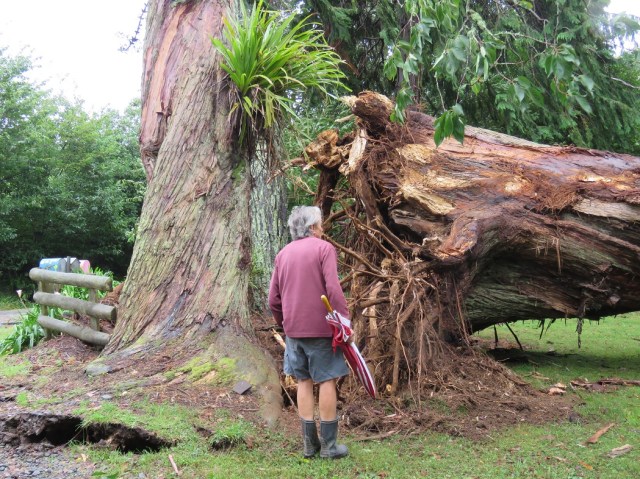
The gum tree or eucalyptus at our gateway with the rootball and base standing upright again. The belladonnas are not bothered by all that has gone on around them

On the cyclone clean-up front, we have made good progress. In a difficult operation, the arborist dropped what remained standing of the giant gum tree at our gate, removing also the broken branches – called swingers – caught up in an adjacent tree and in danger of falling onto passing cars. This involved getting in a large truck with a hiab to lift down sections safely but also meant that they could stand the base of the main trunk upright again which is way more pleasing visually. I got out the tape measure – it is about 2 metres across near the base so that is a pretty huge chunk of timber to fall.
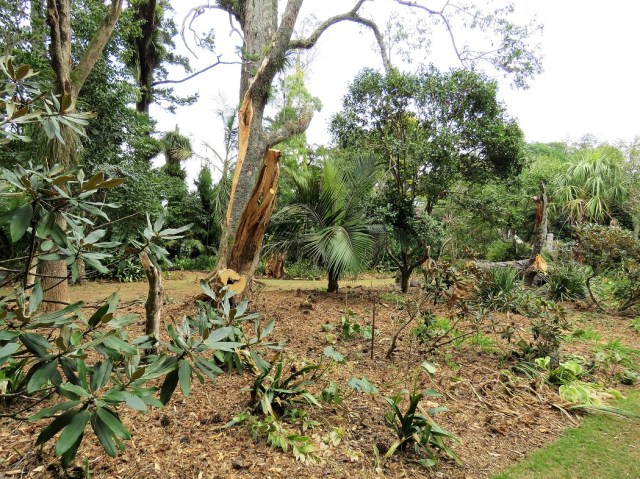
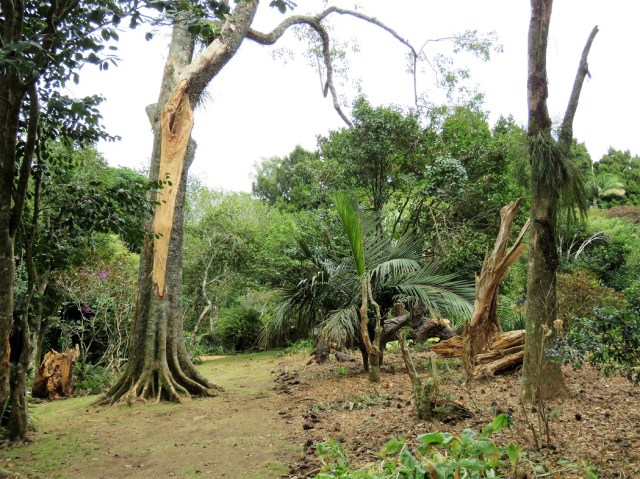
In the Avenue Gardens

The main damage in the Avenue Gardens has been cleared. It remains to be seen how much of the herbaceous underplanting returns in spring. The whole area was densely planted and lush until three weeks ago. I am hoping Mark is thinking his way into deciding what we can replant for the middle layer of shrubs and small trees that were taken out. That is his area of expertise.
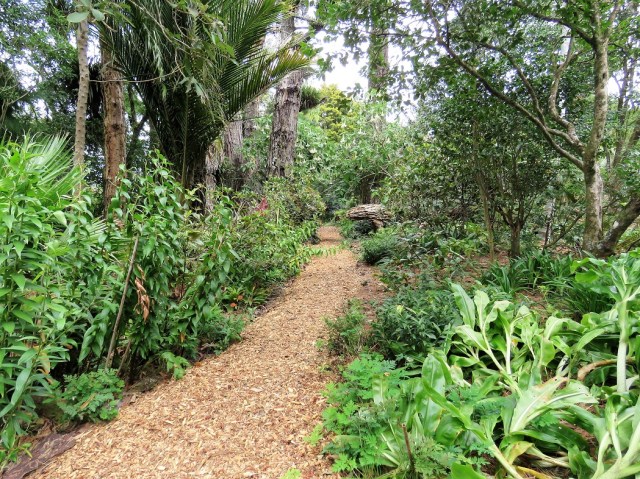
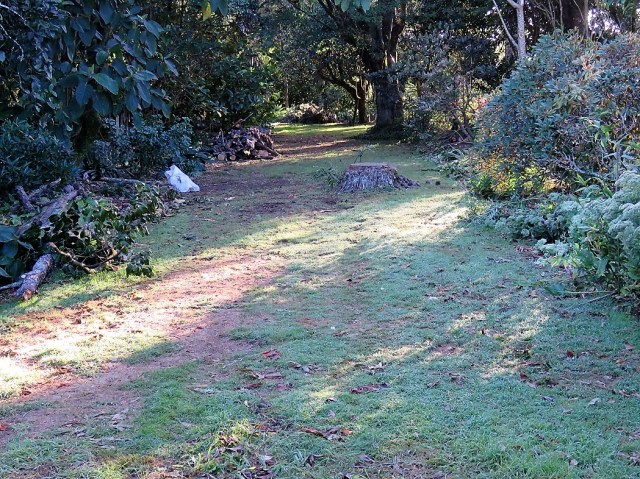
The next path over from the areas of damage and all looks well with the new surface

Because so much of the material was mulched on site, we have used some of that fresh woodchip to cushion the paths, which gives a nice, soft surface to walk on. We still have a small mountain of mulch left but it was important to get the big piles off the garden before they heated up more and cooked the herbaceous material beneath.  
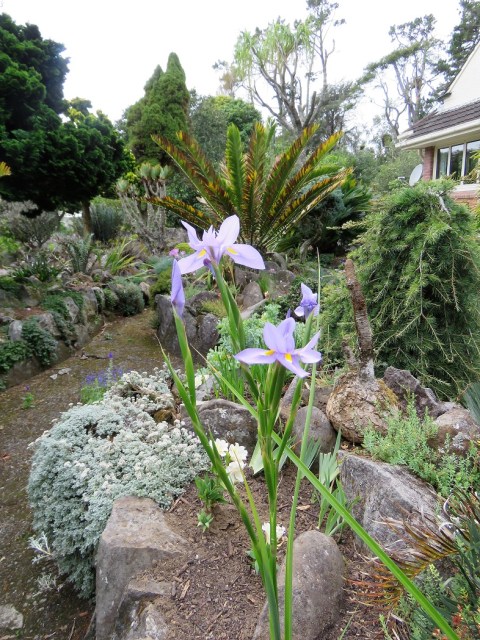
Moraea polystachya in the rockery

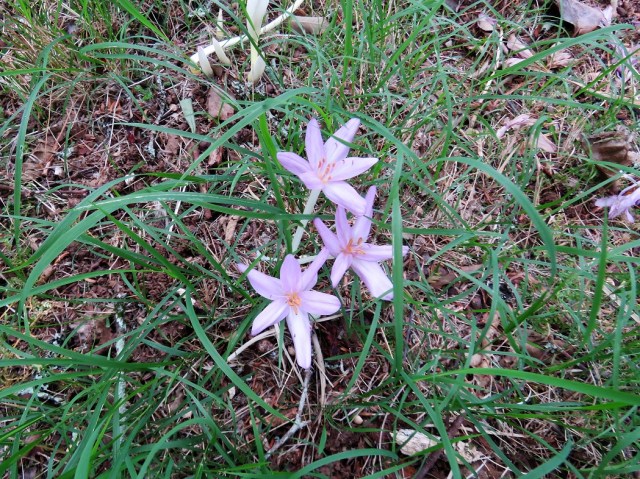
More autumn bulbs are opening every day. While I love the bulbs in the rockery – all the Cyclamen hederafolium, Rhodophiala bifida, Haemanthus coccineus, Leucojum autumnale, Moraea polystachya, sternbergia, Colchicum autumnale and the first of the nerines amongst others – there is something particularly engaging about the brave cyclamen and colchicums flowering in wilder conditions in the long grass in the park.
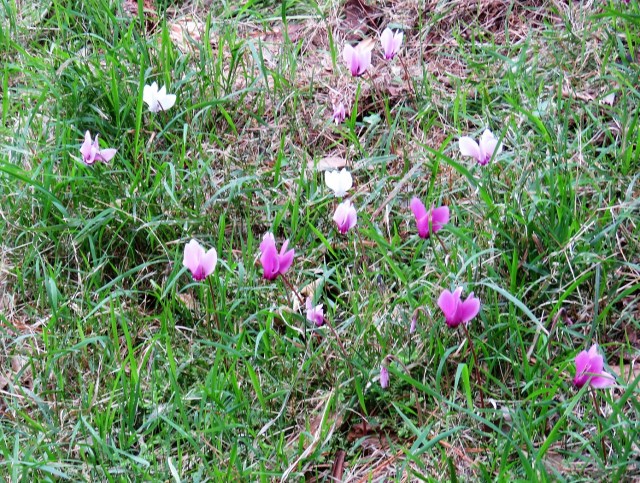
There is a resilience and an element of surprise with bulbs that will naturalise in more challenging conditions.
Hit by Cyclone Dovi

One of the wide grass paths in the Avenue Gardens

We weren’t worried when the warnings came through that Cyclone Dovi might hit land in New Zealand. We are in the middle of vast ocean and mostly these storm events end up passing by. Besides, we are well sheltered here and it can be howling a gale elsewhere and we are relatively calm.

We were wrong last Sunday.

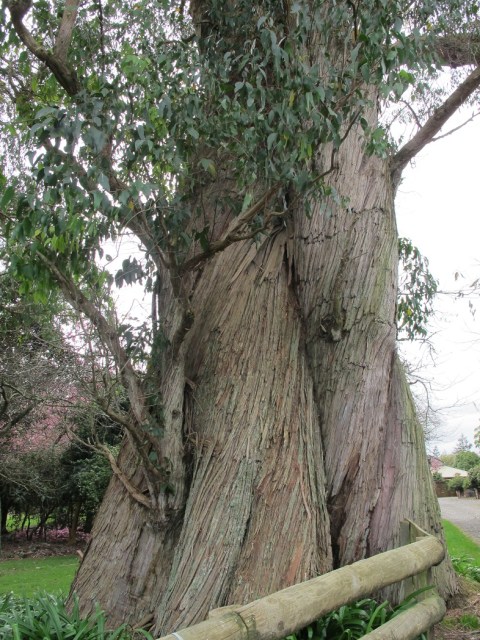
This was the base of the giant gum tree at our roadside before

Cyclone Dovi hit us with the worst winds we have ever experienced. The peak lasted for hours and was frankly terrifying and sounded as though we were surrounded by roaring trucks. Believe me, we were grateful that two years ago we dropped the one tree that would threaten our house if it fell. Our house came through Dovi unscathed.

and after with half of it split off and the other half lifting the ground around and needing to be felled

The first big tree I was aware of falling was the massive gum tree (eucalyptus) at our gate. It was around 170 years old, planted by Thomas Jury in the 1870s. We were lucky it fell inwards and not across the road. There is still a dead half of it left, leaning against the next tree and it will have to be felled with some urgency. The specialist arborist is currently thinking his way into how best to do that safely.

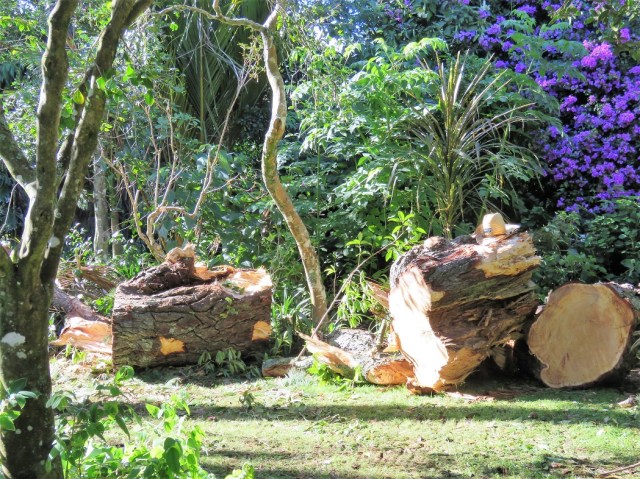
The sheer size of many of these trunks is daunting

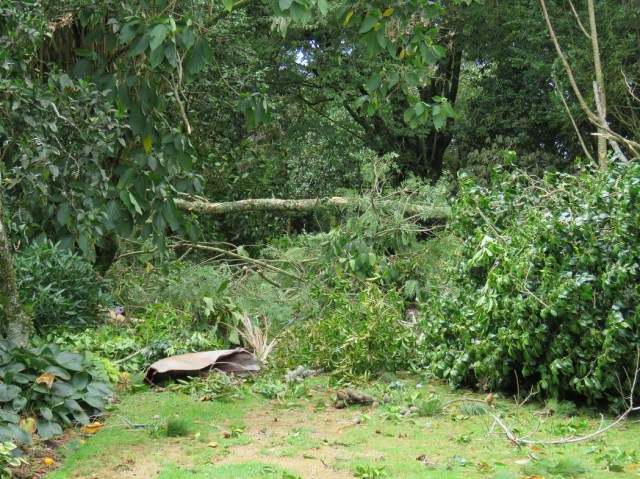
We didn’t dare walk around the property but I was standing on the doorstep when one of our largest pines broke off in two pieces causing massive damage as it came down in the Avenue Gardens. Because it came down in two pieces, it effectively did the same amount of damage as two trees falling. The jacaranda which had a splendid flowering this summer is now a broken stump and pretty much all the mid layer of trees and shrubs in the area have been taken out.

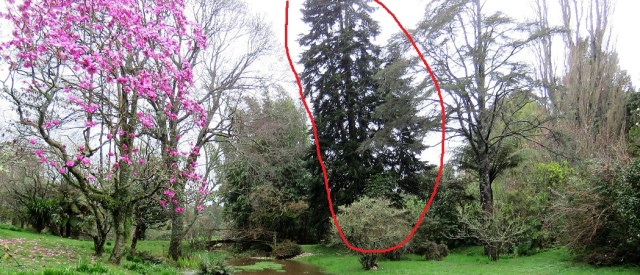
That was the pine that did the most damage. There are another two massive pine trees uprooted, also in the Avenue Gardens. Even though much larger with all the trunk and roots – up to 45 metres of tree each – their damage is more localised and they have fallen in places where we can leave the bulk of the trunks.  Mark just about wept the next day when he found the handsome abies in the park had also fallen.  

This abies, outlined in red
The high bridge in the park is beneath the abies

That was just the big trees. There are branches and smaller trees down but they seem minor in comparison.

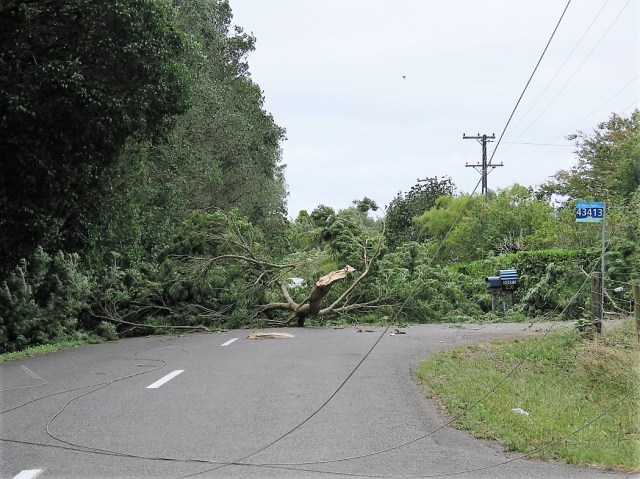
There are three roads that give access to our place. As the initial fury abated, I drove around to make sure none of our boundary trees had fallen to block the road. I had walked out earlier to the road and found passers-by efficiently dealing to one of our branches without even coming in to tell us. How handy to live rurally where people just happen to have chainsaws. It was the last road open and to drive it meant driving under power lines further down the road which had a tree resting on them.

The road to the left at the bottom of our place – not our tree or power lines, thank goodness.
And the road to the right down the bottom of the hill. Again, not our trees or power lines but this repair was a major that took several days
The only road left open with a minor tree suspended on the power lines. This was the one that took our power out for 36 hours.
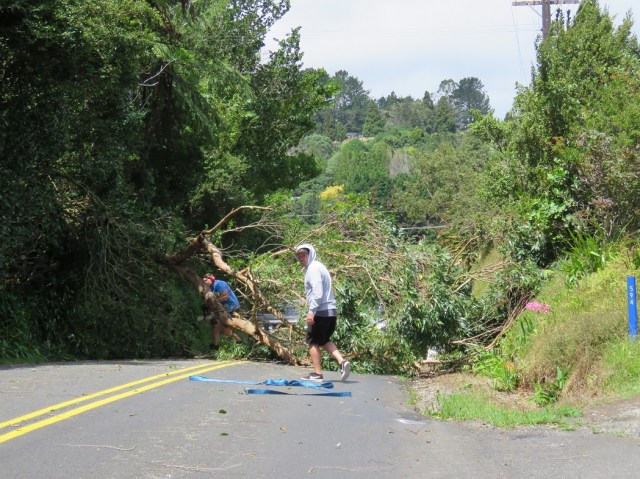
Practical passers-by dealing to an immediate problem. This was the only major branch of ours that fell onto the road.

Mark and I were completely numbed for the first two days by the sheer enormity of the damage. It wasn’t helped by having no electricity and when the power goes out, we lose running water. Like most rural people these days, we depend on electric pumps to get water to the taps. 36 hours without water and electricity is difficult but everything looked more manageable when they were restored.  

Starting the clean up in the Avenue Gardens. That was a complex woodland, herbaceous planting beneath. Note the use of ‘was’.

Our arborist and his apprentice gave us priority and were here by 8am on Monday. Lloyd and Zach have thrown themselves into the task of cleaning up and we are making progress. There is a long way to go but at least we are not in as bad a situation as we were last Sunday.

The Avenue Gardens on Sunday
Same view by Wednesday, we had it to this stage but that is only the paths cleared, not the gardens

Three things I have learned this week: firstly that it is harder to have no running water than no electricity.  Never have I been so grateful that we are a five loo establishment…

Secondly, when people are in in immediate shock at what has happened, well-intentioned comments from Pollyannas are not helpful. Comments like, ‘look at this as a new opportunity’ or ‘at least nobody died and your house is not damaged so it could have been worse’ carry a high irritation factor. We do not need to be told that. The time comes soon enough to look forward but it takes time to process what has happened first.

Thirdly, in a crisis and its aftermath, people are very kind. I can get Pollyannaish over that. More than once, the kindness of others, including strangers, has brought tears to my eyes.

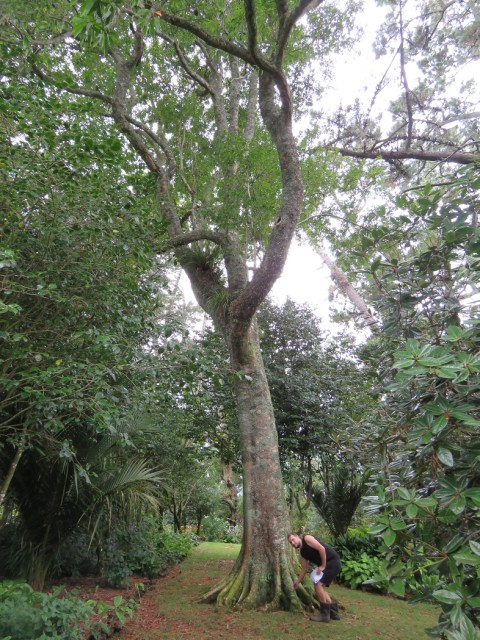
I took this photo of the beautiful elaeocarpus tree with its buttressed roots last week
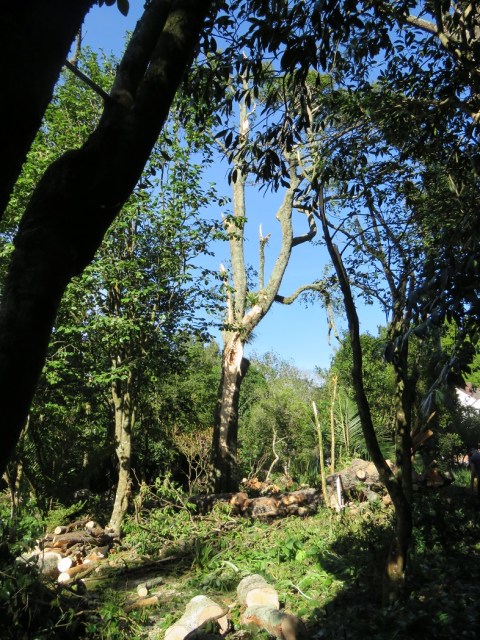
That skeleton in the centre of the photo is what remains of it this week

It has been a tough week but the final word probably rests with the neighbour who had walked over and was talking to me at the back doorstep when the largest pine snapped and fell before our eyes. “This is a taste of what is to come in the next 20 to 25 years,” she said. Climate change. I fear she is right.

Wednesday, three days on, and progress is being made

Postscript: Technically, Cyclone Dovi is usually described in NZ as either ‘ex-tropical cyclone Dovi’ or ‘the remnants of Cyclone Dovi’ which means it is way more intense when cyclones hits full force on Pacific islands. I have to keep reminding myself of this. I looked up the difference between a cyclone, a hurricane and a tornado and it is geographic. South of the equator we call them cyclones, north of there they are called hurricanes except north west where they are often called typhoons. So now you know.
Post postscript: I saw screen shots of extreme right conspiracist chat pages who worked out that Cyclone Dovi = C Dovi and – OMG – C Dovi is an anagram for Covid. To them, this is proof of a conspiracy by our government to create a cyclone event to try and dislodge the ‘convoy occupiers’ blocking roads in Central Wellington and taking over Parliament grounds.  So now you know that too.                                                                                                                                                                                                                           

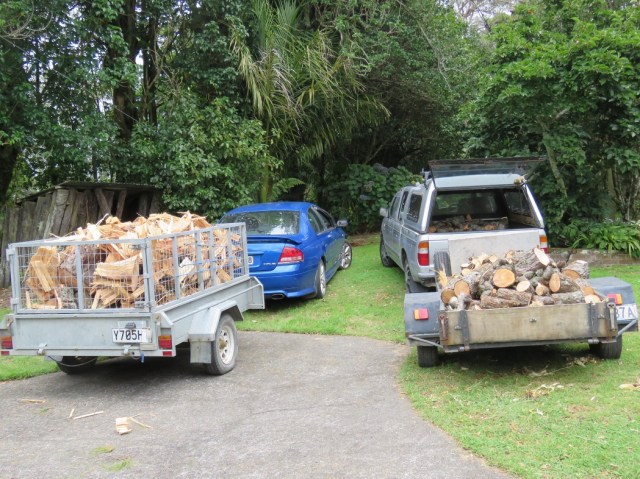
I offered free firewood and pinecones on a local Facebook page and the firewood disappeared very quickly. Mark and I are amused at just how many older men there are in our local area who still have chainsaws and time on their hands.

In a world gone mad, there are flowers

The cheerful yellows and oranges from the summer borders

I was going to finally get around to tabling three books that recently came in to my life, but I found I was too distracted. It is a weird feeling to be part of history unfolding minute by minute in this strange new world in which we are living.

In a country that is 95% eligible fully vaxxed – 96% eligible first dose only – and tens of thousands choosing of their own free will to get a third dose every day, the motley crew currently occupying what used to be the lawn in front of our Parliament and dominating our airwaves and social media just seems … bizarre. To have swastikas, nooses, talk of Nuremberg 2, guillotine imagery, even, on display with declared intentions to kill politicians, media, health practitioners, civil servants and – extraordinarily – architects and engineers all sentenced to execution in their absence – it is all too bizarre for me to process in my brain.  What have the architects and engineers ever done to that mob? And how many of us actually believe that our Prime Minister eats the foetuses of babies? Alas some do, though nobody in my personal circle, I am pleased to say.

Really? I mean really?

Try getting over 90% of New Zealanders across the political spectrum to agree on anything and yet that number of us chose to get vaccinated and to wear masks and physically distance to keep others safe even before widespread mandates  and vaccine passports were introduced. Far from being a divided nation, I have never seen us so united; the loud messages from the disaffected few just don’t compute for me.

I am, however, greatly amused at the Speaker of the House of Representatives, first ordering the sprinklers on Parliament’s lawn to be turned on overnight to drench the protesters who are defying the trespass orders served on them. Then last night, he ordered speakers to be set up blasting the music of Barry Manilow (sorry, Barry!), the Macarena and Covid 19 vaccination messages on a 15 minute loop to annoy protesters. I am surprised he didn’t include Rick Astley on that irritation tape but I love living in country with a sense of humour.

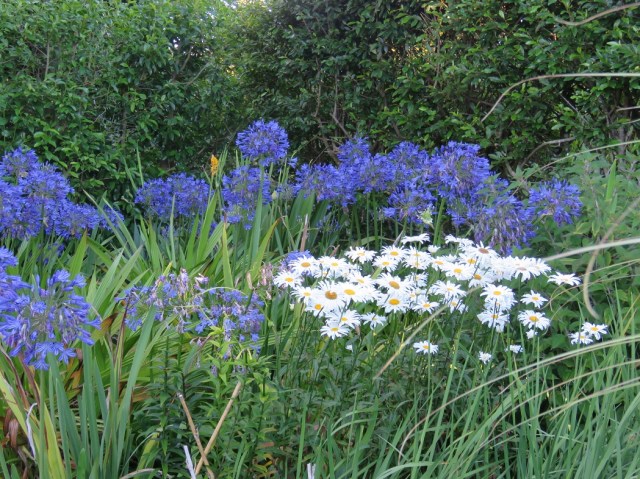
The blues and whites currently in flower in the Wave Garden

In the face of all this and a wet day, I made a couple of flower flat lays. Ephemeral these may be, I find the gathering of flowers and laying them out in pretty sequence is very soothing to my troubled mind. Maybe it is a shame I don’t do Instagram?

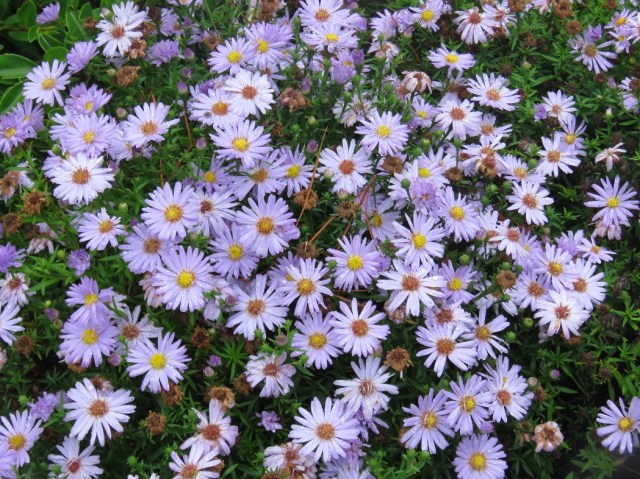
Aster novi-belgii ‘Professor Anton Von Kippenberg’ looking how it should

Gathering all the blues and whites from the Wave Garden, I could not help but notice – again – the sorry state of the dwarf blue aster which goes by the fearsome name of Aster novi-belgii ‘Professor Anton Von Kippenberg’. It should be a uniform sea of blooms covering the foliage and dancing with bees and butterflies. Alas, it is falling apart in the middle. It should have been dug and divided immediately after flowering last year when it was starting to show the first signs of splitting. It will be done this year and put on a two yearly cycle. We will dig the lot and replant about one third of them at the most.

But pull the camera out further and I am ashamed to admit this is how it is looking this year

The thing about learning to garden with perennials is working out by plant variety which ones need individual attention, be it staking, dead heading or dividing on a regular basis. Some do not improve with age at all.

You will find me hiding in the garden. It is balm for the soul in these times.

Welcome rain!

The weight of the water is bringing down all sorts of flowers – in this case Gloriosa superba

It is raining! 40 ml in the latest report from Mark on Saturday afternoon and it looks as though there is plenty more to come. The advent of rain is not usually something we get excited about, on account of it being so regular. We have, as I often say, a climate here with high rainfall and high sunshine hours. We would generally expect somewhere just over 100mm or 10 cm in January. I think we only had one passing rain event this January and it didn’t do anything more than temporarily dampen the dust.

We never have to worry about watering the garden, except Mark’s vegetable garden. We don’t have an irrigation system and about 90% of the garden can’t be reached with a garden hose. It is not usually an issue and it would be ludicrous to garden on the scale we do with an irrigation system. Where necessary, we can cart the occasional bucket of water but that is only for particularly stressed plants. I am sure come Monday, if it is still raining, we will be wanting it to stop but right now, it is a welcome relief.

Who orders plants in mid-summer? Why me, of course but I am saved by the rain.

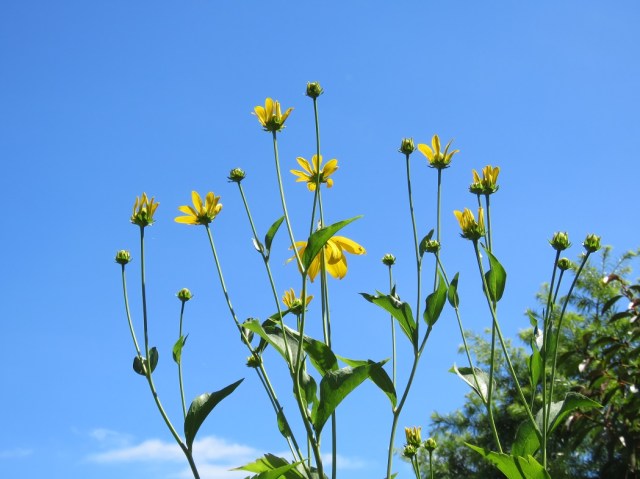
It is just as well the garden is getting a comprehensive drink because a small order of plants arrived on Thursday and I was wondering how long I would need to wait before it would be safe to plant them. In our day, mailorder plants were the mainstay of our business and we sent off thousands of orders over the years.  I only mention this because I was so impressed by the brilliant packing and condition these sturdy plants were in when I received them (from Seaflowers Nursery, for those who are wondering). I wouldn’t normally order plants for delivery in high summer but I had a discussion with Kate from Seaflowers about whether the first flowering on our Ratibida pinnata was in fact a Ratibida or whether it may be Rudbeckia laciniata so I ordered both to compare. I am now confident it is Ratibida but also pleased to have the other for the garden.

Ratibida pinnata. The flowers have since opened more to show the coned centre that is also seen in echinaceas and some rudbeckias but it was a bit wet for me to get another photo

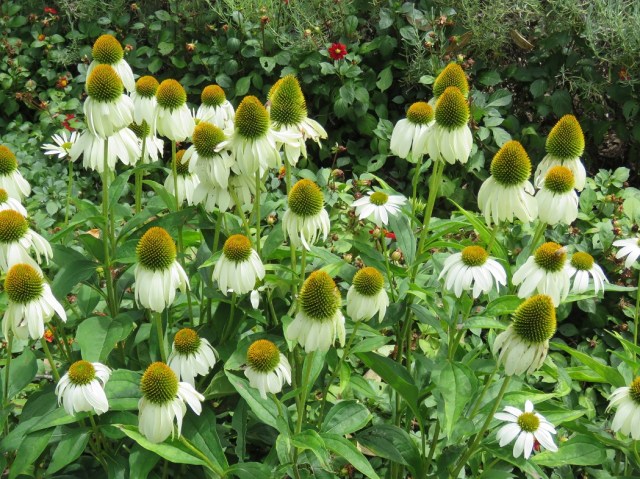
I had photographed a fine white echinacea a couple of weeks ago when I visited the flower graves at the Te Henui cemetery and thought I could use them. When I saw it – or something very similar –  on the online list, I added 3 of it but I am now thinking that maybe I should have ordered 15. Mark keeps reminding me we are not getting younger and maybe we could be extravagant in taking short cuts to get the effects we want now.

The white echinaceas in the cemetery which saw me ordering Echinacea purpurea ‘Happy Star’ which may or may not be the same but is certainly similar
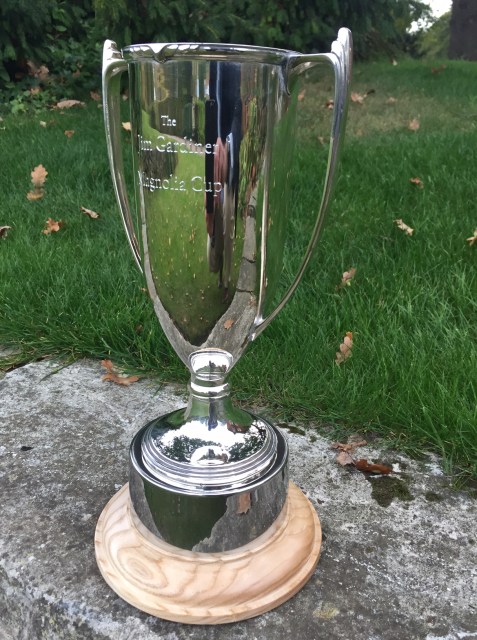
This shiny cup is Mark’s for the year, even if he never get to hold it

Mark has been awarded a cup! A very shiny cup, although this photo may be the closest he ever gets to it. In these trying times of pandemic, travelling to the UK to receive it in person is right out of the question. It is from the UK’s prestigious Royal Horticultural Society and it is the Jim Gardiner Magnolia Cup, awarded annually to recognise the international contribution of the recipient to the genus Magnolia. I think Mark may just be the fourth recipient so far and the company is very select. While it is a niche speciality, he feels genuinely honoured and it made our week. The citation references his “development of high-quality hybrids, now regarded as garden classics and the introduction of the Fairy series. Gardens across the world are richer thanks to your dedication, discernment and creativity”.  That handsome accolade is one we get to keep as personal, even if the cup remains back in its UK home.

Not at all in the same league, I have my first garden column in the new, glossy Woman’ magazine coming out. It has just gone to print so presumably it is the March issue. I am not a great magazine reader, unless I am waiting for the dentist, but I rushed out to buy a copy of this one to get a feel for it and promptly felt nervous. It has a fine line-up of women writers as contributors, including a younger generation whom I hold in very high regard. We will see how things progress in that quarter.

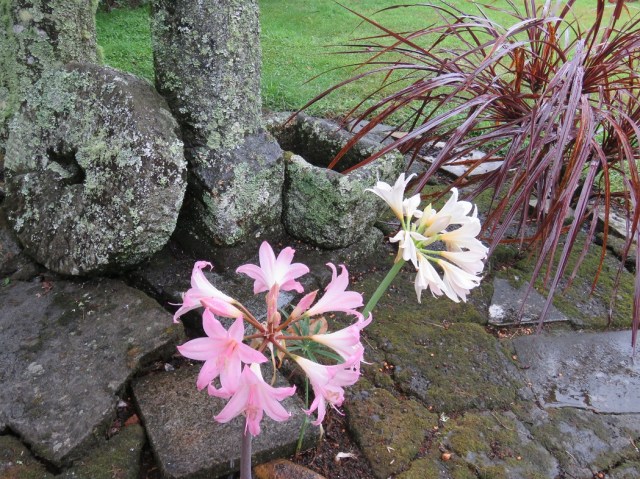
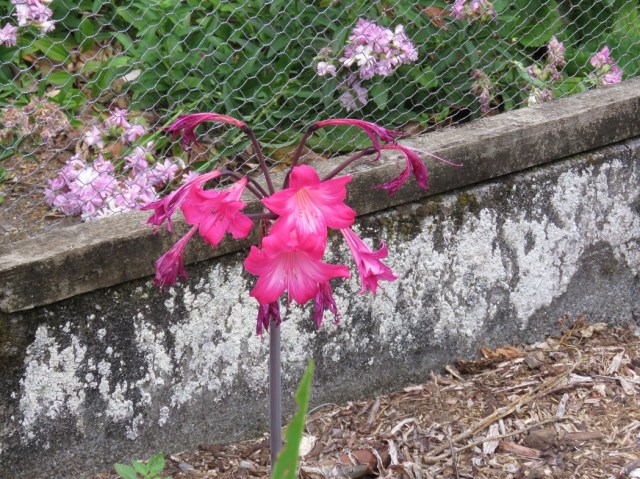
The somewhat unregarded belladonna

Disconcertingly, the first belladonnas are open. It is like the clarion call of autumn when the bulbs start blooming. You will find me over in a corner of the garden crying, “No! No! It is only the start of February! We are not ready to be confronted with the earliest harbingers of autumn quite yet. Wait til the end of March, please.” But the plants care not one whit for our wishes. They will follow their seasonal triggers.

A moderately controversial opinion, in New Zealand at least

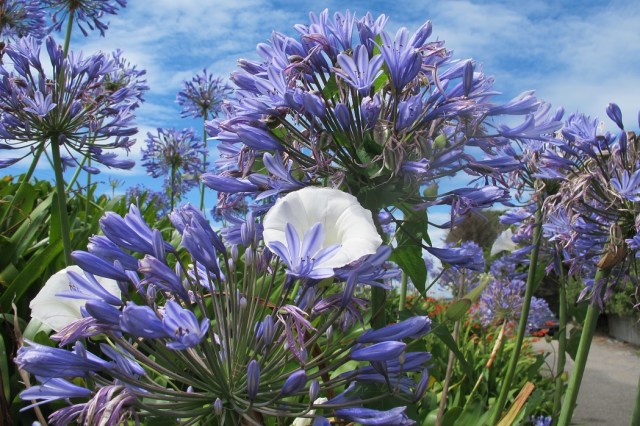
The convolvulus is potentially a bigger problem than the agapanthus

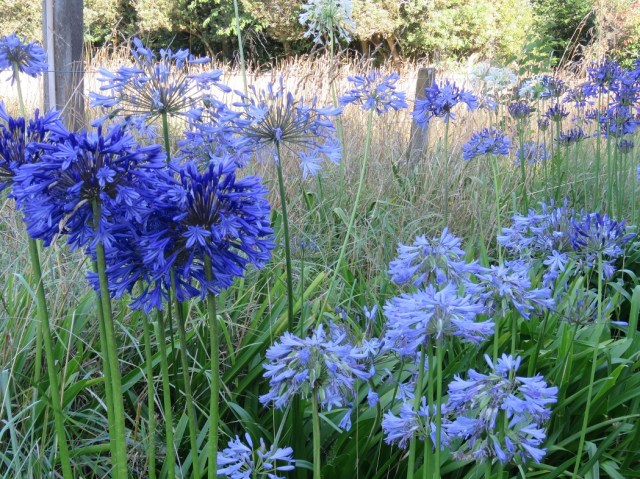
We like roadside agapanthus in our area. The sight of blue and white in abundance is a summer pleasure. It has become one of our wildflowers.

Why controversial? I have watched comments on Twitter in recent weeks, railing against the horrors of agapanthus and what a ghastly plant and flower it is. This happens every summer. One tweeter even declared that ‘nobody born after 1972 can bear agapanthus’. At least, I think it was 1972, or thereabouts – presumably the birth year of the tweeter. Reader, I was born somewhat before 1972 and it felt like an ageist attack.

                I grow old

                I grow old

                I shall watch my agapanthus blooms unfold

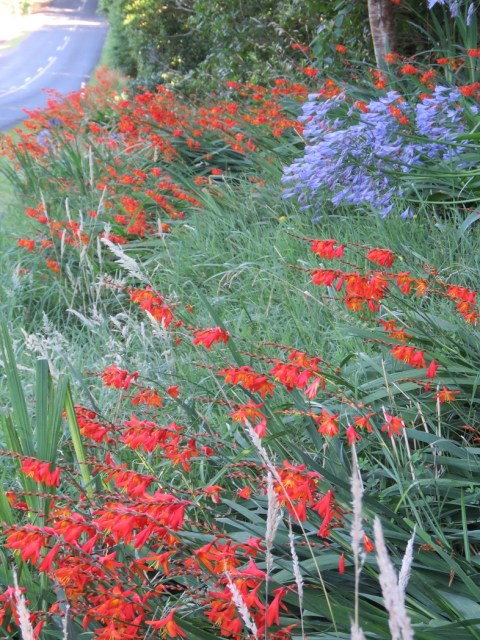
I get that some people don’t like agapanthus and that it isn’t the world’s greatest plant to inherit en masse in a garden. What I don’t understand is the level of visceral hostility, the intensity of emotion expended on a plant that is moderately benign and consistently blooms in summer. I don’t engage in these Twitter diatribes but I did want to ask what they would prefer to see – mown or sprayed roadsides bereft of flowering weeds? Did they think agapanthus worse than convolvulus, montbretia, woolly nightshade, fennel, chicory, kniphofia, hydrangeas, canna lilies, pampas grass or many other plants that escaped onto our roadsides? Why single out agapanthus?

These plants are likely to stay on the roadside, rather than moving across the fence onto farmland

Given the huge amount of agapanthus we have naturalised in our area, I can say that I have not seen it invading farmland. It is not like pampas, woolly nightshade or montbretia which will colonise new territory the moment your back is turned. Because the seed is so large, it doesn’t spread itself around on wind and does not appear to be spread by birds. Nor does it spread below ground so it doesn’t tick the invasive boxes in our book. It increases from the base rhizomes and by seed but the heavy seed drops near the plant. It can be spread by water so maybe take care and eliminate by waterways and drains if you are worried about spreading it further. We get out and deadhead our roadside agapanthus.

Agapanthus used to be promoted because it is such an easy-going plant, tolerant of full sun and shade and it is useful in retaining loose soils on banks which could slip if left bare. It is not caustic and it is pest-free. It isn’t an exciting plant when not in flower, but I welcome that expanse of blue and white blooms in summer. I guess it is that very adaptability that has made it a pariah, a noxious weed, some declare, that needs to banned, NZ’s worst weed, even, in some eyes.

Showing my age, apparently, I have agapanthus in the garden

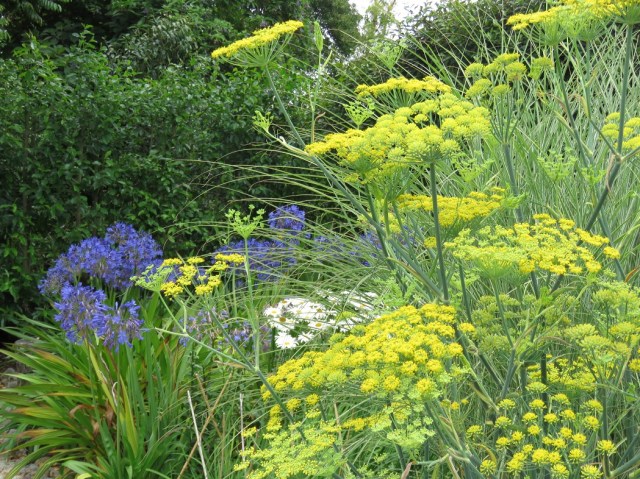
I like it enough to have selected a good dark blue form from the roadside which I brought into an area of the summer gardens where tree roots made the ground somewhat inhospitable for choicer perennials. After all, I was born before 1972. I deadhead after flowering before the seed has ripened, putting the spent flower heads in deep shade (not the compost heap) and we root prune the clumps in winter to stop them getting too large. But then, I also like wild fennel enough to have used that in the summer borders, too.

If you do happen to have giant clumps in your garden that you want to get rid of, you need to understand that it is immune to the common herbicides you can buy over the counter. It is most likely you will need to dig it out but don’t make the mistake of trying to dig it all out in a massive clump. First sharpen your spade. A sharp edge makes a huge difference. Then start slicing through the clump from the outside, removing it in manageable pieces. It is not deep rooted and the base of the clump (the rhizome) and the roots are fleshy, so easy to slice.

Don’t put the bits straight on the compost heap because most will grow again. Cut the leaves off – those can be composted. If you are doing it in high summer – like now – turn the remains of the clump – all the white bits – upside down on a dry surface so the roots face the sun and dry out. In cooler months you can stow it under cover so it dries or pile it in a black bin bag and lie that on concrete in the sun so it heats up and composts.  I have taken all of the above steps and it is not that hard.

Mark has just suggested that he thinks you could get away with slicing it off right at ground level (the rhizomes are usually sitting above the ground) and leaving the roots behind. It is not like alstromeria, tradescantia or montbretia where every piece left behind will grow again. We haven’t tried this approach but if you want to, you may be able to achieve agapanthus elimination with a heavy knife or meat cleaver. Just go back and check from time to time that nothing is sprouting afresh.

We rate the montbretia (Crocosmia x crocosmiiflora) as a worse weed than the agapanthus. It is certainly harder to control, let alone eradicate and it spreads like wildfire

There are many worse plants to eliminate than agapanthus but we are happy to stick with the plants we have and just keep them under control.