
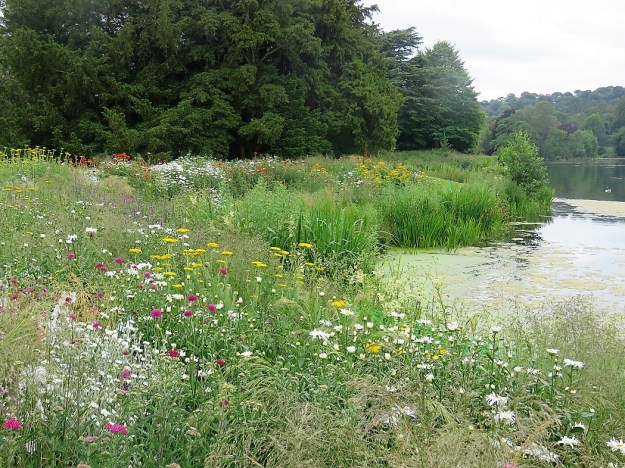
It was like an Impressionist painting but in real life – a pictorial meadow at Trentham
It is compulsory that every garden in Britain have a meadow. Well, not quite law, perhaps, but certainly lore. We have watched the rise and rise of the meadow on our trips over the past decade. The trend is also evident in many European and North American gardens though it is not a style we have embraced in New Zealand yet. For years, I thought it would not work in our fertile and lush growing conditions. It has taken several visits looking at northern gardens to better understand meadow gardening.
In this country, we do not appear to have progressed past the point where we see ‘meadows’ as dense sowings of annual flowers loosely described as ‘wildflowers’. That is plants like the red corn poppies, cornflowers and cosmos, though they are certainly not wildflowers of New Zealand. But there are different approaches to establishing a meadow.
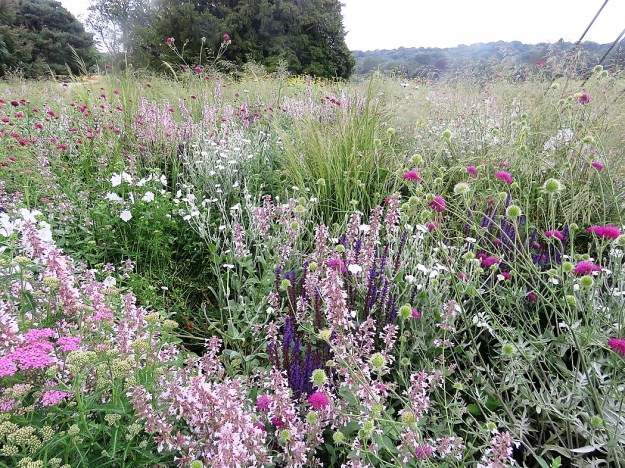
A perennial meadow, the work of Professor Nigel Dunnett at Trentham Gardens near Stoke on Trent
If you want to see flowery meads at their prettiest, type in ‘Pictorial Meadows’ on Google or Facebook and prepare to be blown away by the beauty. This is the commercial arm of the work that has been done though the landscape department of the University of Sheffield, spearheaded by Professors Nigel Dunnett and James Hitchmough. It is a whole subsection of the naturalistic gardening movement that is so dominant in Britain and elsewhere today, to the extent that it is now referred to as the ‘Sheffield School’. It has layers of complexity and sophistication that take it way beyond the scattering of a few random seed mixes, predicated instead on sustainable eco systems with a whole swag or research going into their seed selection.
We were delighted by the perennial meadows which were the work of Dunnett at Trentham Gardens near Stoke on Trent, just as we were entranced by the Hitchmough Missouri Meadow at Wisley in its early days. This is wildflower gardening taken to new heights altogether. Their annual meadows are glorious but it is the long term meadows that are environmentally significant. The maturing plantings around Olympic Park in London are an example of those.
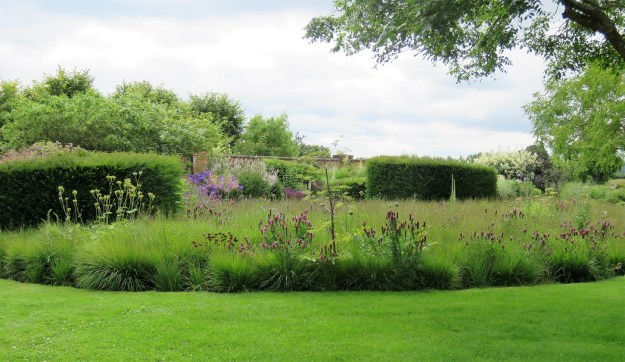
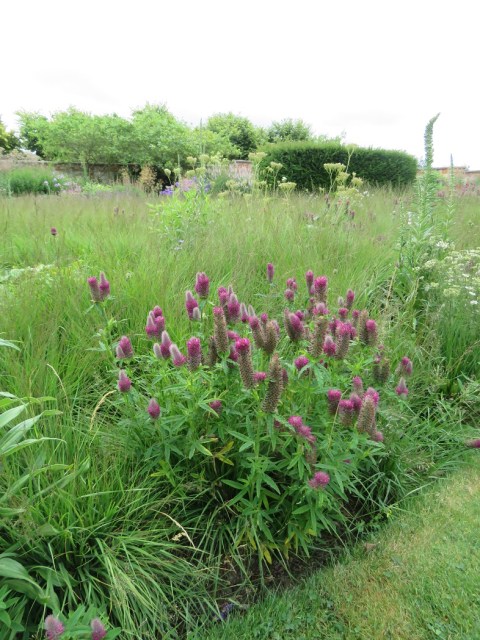
Molinia meadow at Bury Court with pink Trifolium incarnatum (Italian clover)
At the other end of the scale are tightly managed meadow gardens. The pre-eminent Dutch designer, Piet Oudolf does some these creations. Beautifully refined meadows of shimmering molinia grass with restrained use of flowering plants. Interestingly, the owner of one of these Oudolf meadows, John Coke of Bury Court, told me that it was the highest maintenance area of his garden, to keep it looking that good. There is a lesson in there somewhere but it looked charmingly simple.
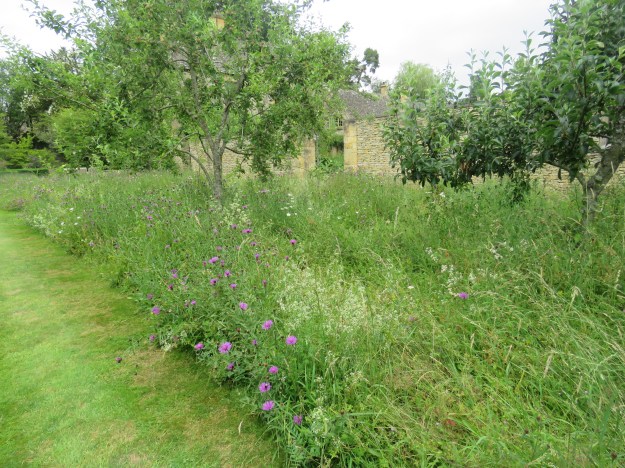
A natural orchard meadow in a private garden in the Cotswolds, designed by leading UK landscaper, Dan Pearson
Maximum brownie points are earned by those folk who encourage natural meadows in their garden. In other words, they stop regular mowing of the grass or cultivating the area and let plants naturalise. The Royal Horticultural Society does this in large areas now. We particularly noted it at RHS Rosemoor but also in private gardens, often in an orchard area. Over time, there will be an increase in plant diversity in these meadows that evolve with minimal management. It is also the style of meadow that New Zealanders will find most problematic. For we are more likely to judge it as weedy, with rank, overgrown grass.
The problem is that the wildflowers in a natural meadow – be they daisies, dandelions, buttercup or clover in the initial stages – are deemed weeds here whereas they are genuine wild flowers in their home environments. We tend to apply different standards to long grass and wild areas than we apply to gardened areas and ‘proper lawn’, where imported plants are absolutely fine.
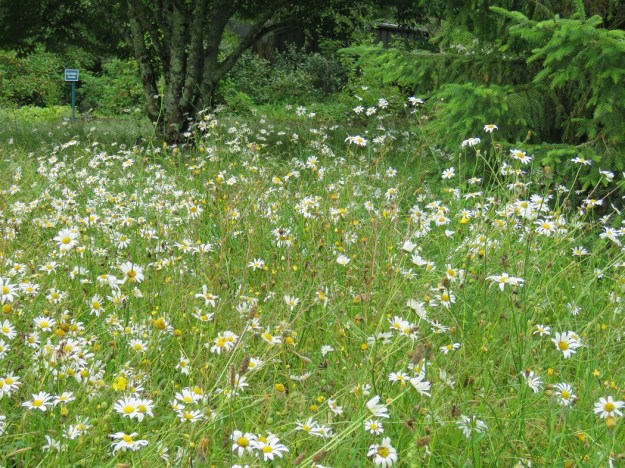
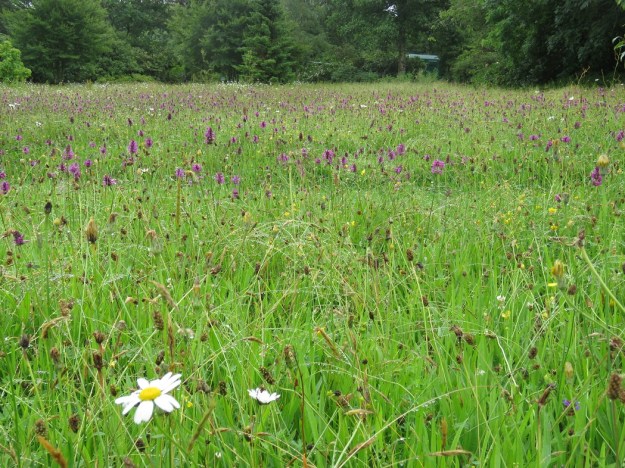
Natural meadows have been encouraged in areas which appeared to have been previously mown grass at Rosemoor
What all these meadows have in common is a concern with bio-diversity and ecologically friendly gardening, providing habitat for all manner of living organisms, insects and animals, while looking attractive at the same time. All these meadows are alive with insect life – buzzing with bees and attracting many butterflies along with a wide range of other insects. The RHS has taken a lead in educating people on the environmental benefits of meadows. Generally, plants as close to their natural form as possible are used (so species rather than overbred hybrids).
A meadow garden is simulating the wild but modifying it to a garden setting. It has some history in English gardening and was espoused by the late Christopher Lloyd at Great Dixter. Fertility is kept low to reduce competition from overly vigorous grasses and it is usual to incorporate yellow rattle, a parasitic plant that weakens the roots of grasses. In autumn, the meadow is mown and left to lie for about ten days, allowing the seed to fall. The area is then raked to keep fertility low and left to come again in spring. There is minimal cultivation, no spraying and extremely low intervention.
Our meadow at home is progressing. In autumn, the long grass was cut with our sickle-bar mower and we had some debate about whether we could just leave the long grass in situ. But there was so much that it resembled hay and, in the end, we raked most of it up once it had dried. It may take effort at the time, but not mowing the area every few weeks certainly reduces the carbon footprint and allows greater diversity in that environment. And we love the look.
Postscript:
This is the article that led to my resignation from The New Zealand Gardener magazine – irreconcilable differences when it came to photo selection. The article will not, therefore, be published in the November issue.
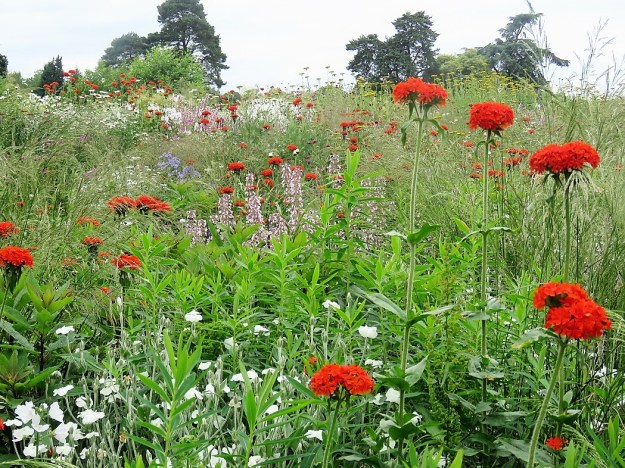
Trentham Gardens again
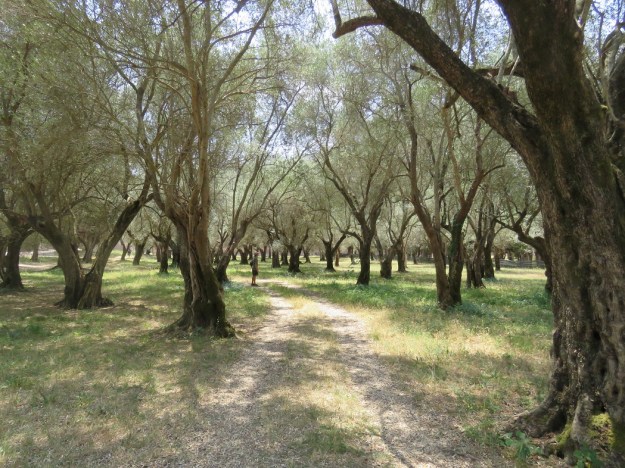
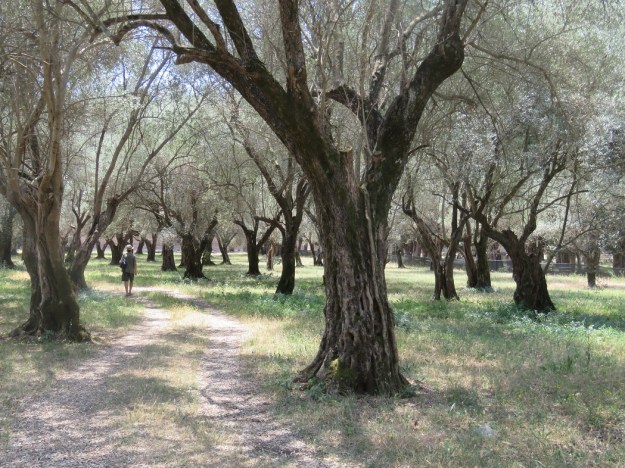 Stand back. For I have found the most impossibly romantic olive grove. It is at Villa Adriana near Tivoli, which is relatively close to Rome. Adriana is the expanse of ruins that are somewhat quaintly described as Hadrian’s Villa. At about a square kilometre in area, it would be a mistake to think of it as Hadrian’s country retreat. It is more akin to an estate that was likely on the scale of a town. It is an enormous site where there is still much archaeological excavation to take place. On the day we visited, the temperature was in the mid thirties, the place was nearly deserted and there was not a breath of wind.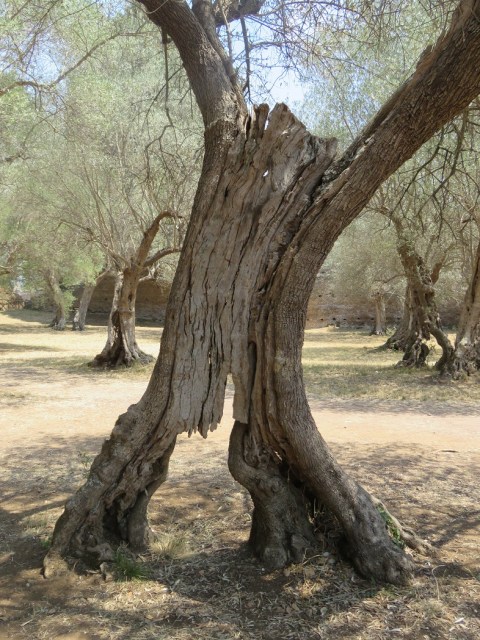

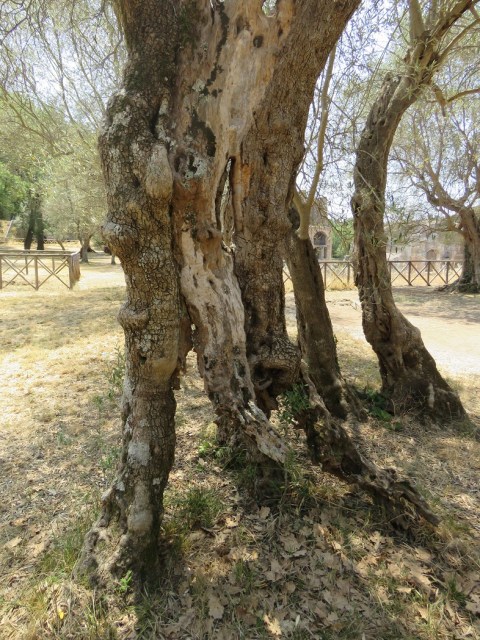 I have no idea if it is still managed as a commercial operation but the lack of olive stones beneath would suggest that the crop is gathered. These were venerable trees clinging tenaciously to life down the centuries. I did a quick net search and found that at least some of the Adriana trees have been given monumental status.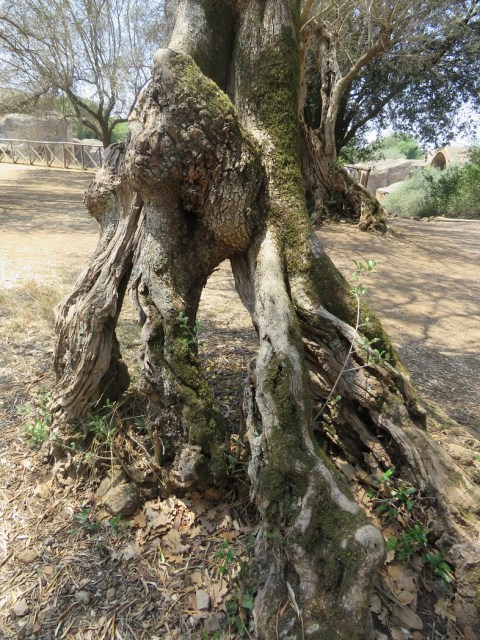

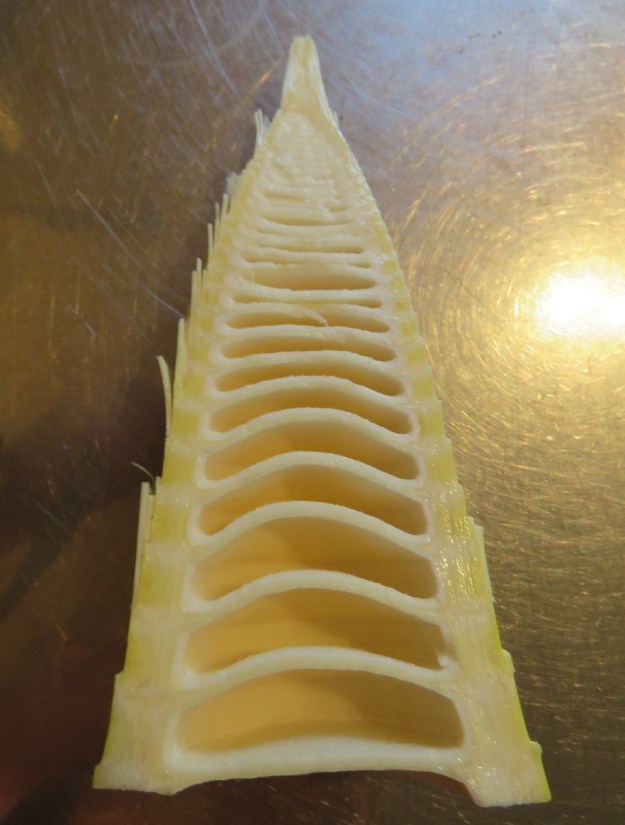
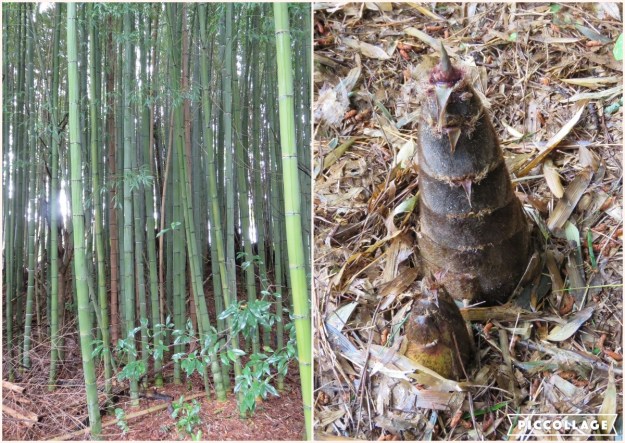 Our stands of giant bamboo are a never-ending source of disappointment to us. That is because they are enduring proof that the cargo cult does not work. The cargo cult is that school of thought that says “build it and they will come”. We often see it espoused in this tourist backwater where we live. Build a café/gondola/light rail/cruise ship terminal/tourist hub (strike out any which do not apply) and visitors will arrive. Well no panda bears have arrived here, is all I can say. I even checked that they eat Phyllostachys edulis – it is not their favourite bamboo but they will eat it.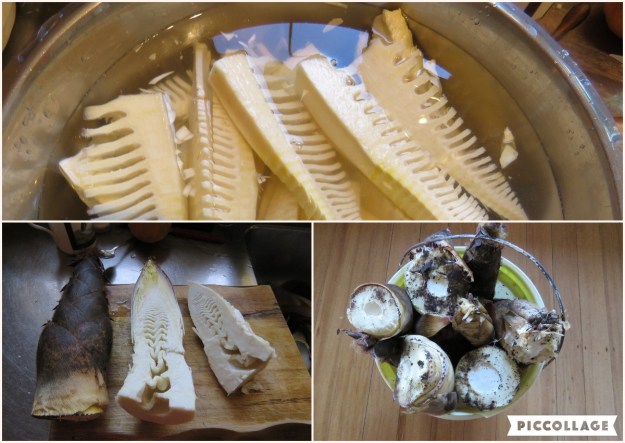
 Tikorangi The Jury Garden