- Mary Vinnicombe is not alone, I am sure, in being heartily sick of the recent rains. While Mary and Barry’s town garden, Thorveton, has just enough change of level within it to add interest, it is located on a hill. In one of the recent downpours, Mary felt considerable chagrin to watch her topsoil, mulch and Bioboost washing down into the neighbour’s property and she wondered why she had bothered feeding all her garden beds. If only the next neighbour up the hill had been as dedicated, then the Vinnicombe’s garden would have maintained its status quo despite the water flow. The heavy rains we experience here, combined with our light volcanic soils, make gardening easier in many ways but also leach out valuable nutrients from the soil which is why continuing to add compost, humus and some sort of fertiliser is an important part of the gardening cycle.
- Out at Gordon Dale Gardens on the Forgotten World Highway, Jan Worthington says there is a life beyond the garden. She went out to a golf meeting and then lunch with a friend, arriving home later in the day to find her daughter, Amy, had done the hanging baskets and planted out the flower seedlings in the garden. Jan is looking forward to seeing how a border of dwarf cinerarias combines with her roses, heucheras and aquilegias. Alas this wonderfully cooperative daughter is headed off overseas next week so the extra pair of hands is of very limited duration.
- While on a golf theme, the appropriately named Manaia gardener, Margaret Putt, has been dividing her time between her twin loves of golf and gardening. She was in Dunedin with her junior golf team last week and, with hindsight, felt great relief that it was earlier on Saturday night when they transited Christchurch airport on the way home so the quake did not affect their travel. Margaret is well into her major first round on the garden, getting all the rough stuff out before she does the intensive final grooming circuit on her hands and knees. She was, however, complaining about the cold wind last Sunday afternoon when she was out weeding amongst the self seeded Livingston daisies around her letterbox.
- Around the coast, Chris and Steak Goodin have netted in the wisteria. The Attack of the Sparrows last year was so bad that Chris’s wisteria had next to no flowers left. At the time she was thinking that a return of sparrow salmonella might not be a bad thing, even if they had to gather up the little corpses, but she is not leaving it to nature this year. Chris thinks that the white netting will be less noticeable than the black bird netting they have used previously. Steak has also affixed chains along the pergola which makes tying in the climbers much easier.
- In at Festival HQ, Lisa Haskell is pleased with the strong interest coming from Australia this year. TAFT representatives have been at the Melbourne Flower Show promoting our festival for the last couple of years but it was a talkback radio garden host from Brisbane who interviewed Lisa about our event last week. It takes repeated efforts to get into new markets and Australia is a big one for us. Ironically, it is just as cheap for people to fly in from the east coast of Australia as from down south. In the interests of being their usual wonderful hosts, Festival gardeners are practicing leaving their Aussie jokes for the privacy of their own homes behind locked doors and closed curtains.
Author Archives: Abbie Jury
Tikorangi Notes: September 3, 2010
Latest posts:
1) It is a sign of the times when reticulata camellias in New Zealand become collectors’ plants.
2) Garden hints for the first official week of spring in the garden here.
3) Counting down to our annural Taranaki Rhododendron and Garden Festival which draws ever closer.

The pink and white blooms of Iolanthe are more to our taste
4) I do not, I admit, read women’s magazines as a rule. My experience is largely limited to visits to my doctor – an event that occurs about once a year. And it is clear that the surgery is on a permanent economy drive because their waiting room magazines are usually two to three years old and the recipes have long since been removed. But I actually bought the latest issue of the NZ Women’s Weekly at a massive spend of $4. This was because I wanted to see the gardening feature on rhododendrons which I knew quoted me and used a photo I had supplied.
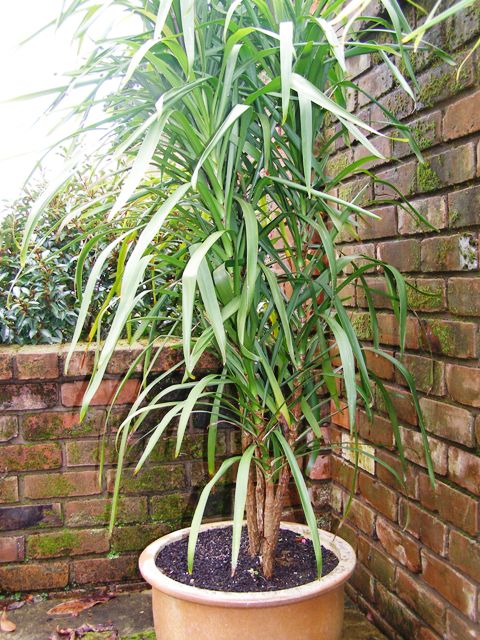
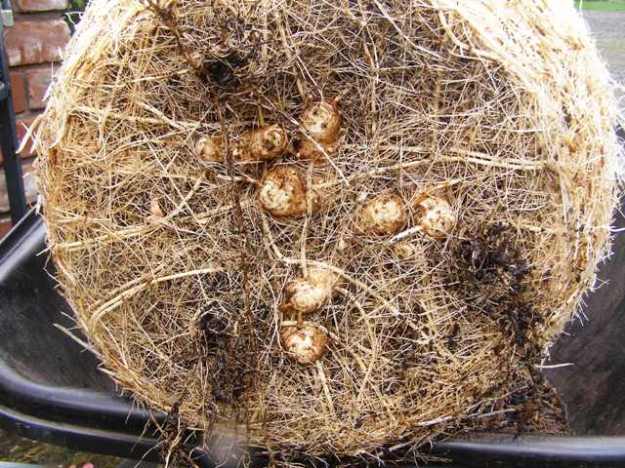
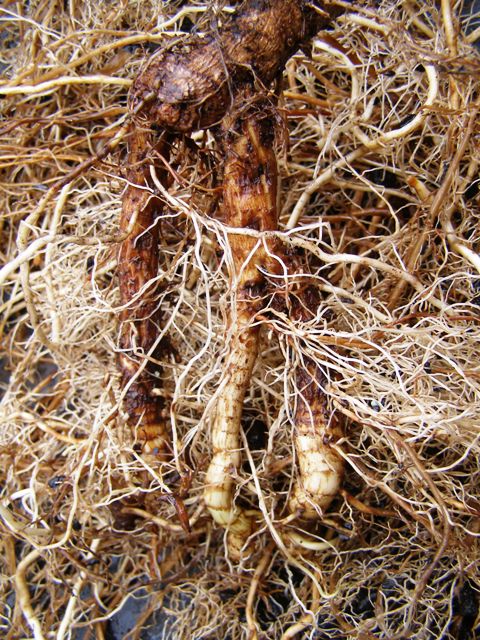
But what really took my attention was the astounding craft section. Written by someone about whose identity I will preserve a dignified silence, this woman gives step by step instructions. Now, we give step by step instructions every fortnight in our Outdoor Classroom. But never, I hope, have we plumbed such depths as this step by step guide as to how to construct (should you ever need to) … wait for it… a basket for fresh eggs on your kitchen bench fashioned from a chrome deep frying basket and no fewer than 500 pink and white plastic drinking straws. Need I say more? I think not. You may prefer our step by step guide to how go about moving a large plant though admittedly we thrashed the Aloe thraskii in the process: Outdoor Classroom.
5) Camellia Diary 5 for the season.
PS – Sally Ridge, in case you are dying of curiosity as to who is responsible for the pink and white monstrosity described above.
Plant Collector – reticulata camellias

Camellia reticulata Purple Gown - a little optimistic on the colour
It is a sign of the times that I would even consider classifying reticulata camellias as collector’s plants. They used to be widely available and very reasonably priced – in fact greatly underpriced. The problem is that few of the desirable garden forms grow on their own roots so they have to be grafted and there are many plants which are much easier to graft than camellias. Added to that, many of them have virus (which gives variegated leaves and sometimes variegated flowers) weakening the plant and making it even harder to propagate. In fact, the president of the NZ Camellia Society tells me that he doesn’t know of anybody who is grafting camellias commercially these days. It may be a good reason to learn how to do them yourself at home. If you grow them from seed, the vast majority will be single blooms which are good value for feeding the birds but the desirable garden forms are the doubles like this one, somewhat optimistically named Purple Gown.
The reticulatas (commonly referred to as retics) come from western China. What sets them apart are their enormous blooms, often the size of a bread and butter plate or even larger. The foliage is not as shiny as the more common japonica types and is usually larger and more sparse so they make quite open, airy large shrubs and can even be trained to small tree status. It is the advent of camellia petal blight which has had us looking at our big old retics with new respect. Because the bushes are open and the flowers are so large, they tend to drop cleanly rather than hanging on in an unsightly fashion. And with most being in rich shades of deep pink or red, the stronger, darker coloured blooms don’t show up the browning from petal blight anywhere near as much as pale flowers. For late winter flower power, the reticulatas have left the japonicas for dead this year.
In the garden this week: September 3, 2010

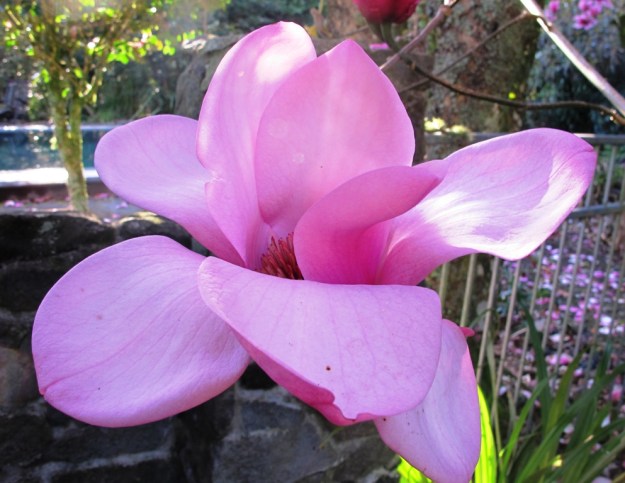
Magnolia Iolanthe is opening her flowers
• Spring is here. The magnolias are fantastic right at the moment so take the time to get out to parks and gardens to admire them.
• If you use annuals for spring display, you will need to buy plants now and get them out to the garden. It is too late to do seeds for spring but you can start your summer annuals in trays or pots for planting out later. If you are planting baby plants, pinch out the flowers and any long growths to encourage bushiness. If your plant gets stressed soon after planting out, it will try to ensure its survival by skipping most of the flowering step and going straight to seed. You can discourage this by disbudding it because this forces more growth.
• Now is the time to prune luculias which can get very leggy if left entirely to their own devices. Try and find two leaf buds down the stems and prune back to these. As the plant flushes with spring growth, it leads to a bushier shape.
• Get around all your rhododendrons and vireyas as soon as possible to get dead out wood and to carry out any pruning required. This is one plant you prune now, not after flowering. You want to make the most of the plant’s spring flush. If you prune them after that growth flush, you will weaken the plant and make it more difficult for it recover from heavy pruning. Follow up with a feed and some mulch – rhododendrons are surface rooting so they can easily fry in dry conditions.
• Time is running out for planting onions if you want a decent crop. Get your seed in this weekend.
• The advice on using washing powder as a moss killer has certainly caught the attention of many readers. I am suspecting that the cheap budget powder I have tried is not as effective as Cold Water Surf. But more interesting was the gentleman who emailed to say that he bought straight washing soda (sodium carbonate or Na2CO3 ) in bulk from Bin Inn and he tried applying it both lightly as one broadcasts lawn seed and more heavily so it was visible. Within two days, the moss was dead. It also killed the pesky liverwort. For those who care about the environment, washing soda is arguably a purer option, lacking all the extra additions of washing powder and it appears that you don’t need to be heavy handed to get a good result. You are, by the way, using these in powder form.
Countdown to Festival, September 3
• Down in Kakaramea, the self-styled Angelina Jolies of the chicken world (that is Jacq and Mich Dwyer of Te Rata) are pleased that their now pampered chickies are starting to lay again. These are 10 rescue birds – hence the Angelina reference – poor featherless things when adopted, who now live in the lap of luxury and fortunately know how to show their appreciation. Jacq reports that Mich has planted three types of potatoes so far. She splits the bags with neighbour Emma who reciprocates later in the season when they plant the next crop. Jacq has enclosed her rose garden in an electric fence as a temporary measure to keep out the marauding possums which are capable of taking off every new shoot overnight.
• Te Popo gardeners, Lorri and Bruce Ellis have been making paths safe. First up, the attractive but dangerously slippery brick path from the back door had to be lifted. Lorri says the gravel may not look quite as pleasing aesthetically but it is at least safe. In a damp climate, anything that becomes slippery when moss grows is a hazard – Lorri notes that they have also learned that large river stone steps are very treacherous. With a very steep section linking the bottom of their dell to a bridge constructed from wharf piles, Bruce has had to use a plastic product recommended for cattle races and also recently installed on the track from the car park at Dawson Falls to Wilkes Pool. The material is laid down, secured and then the cavities are filled with fine stones and gravel. Lorri is pleased with the result. She says it is hardly visible but your feet feel very secure and it stops the surface from scouring out when it rains.
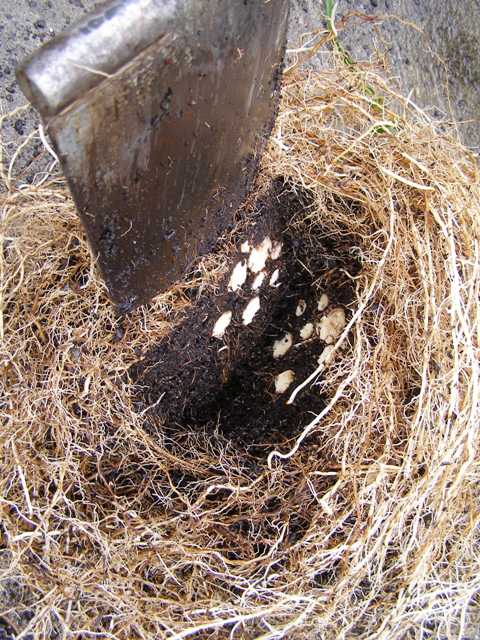
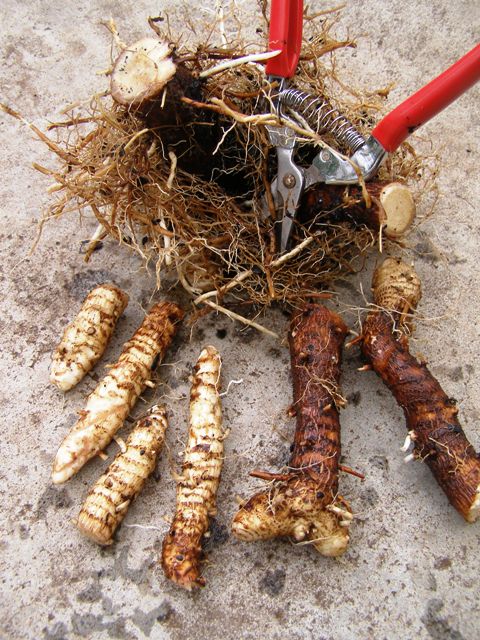
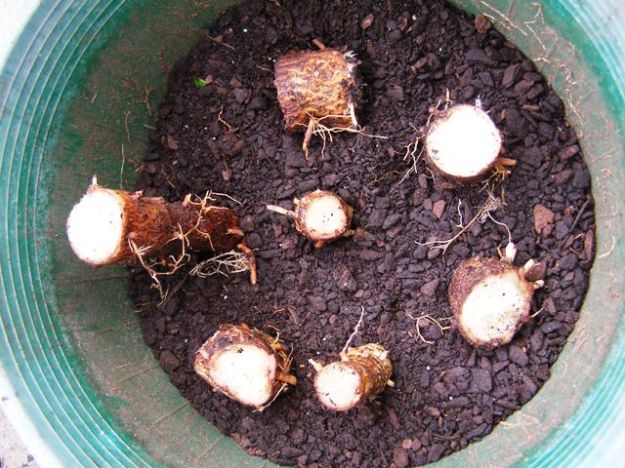
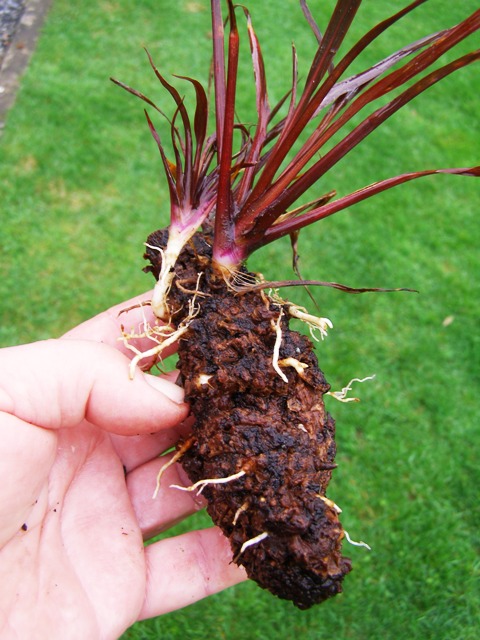
• At Havenview Vegetable Garden, Maree Rowe is fed up with the rain but at least she has managed to get her Jerusalem artichokes and yacon dug up and the best tubers replanted. I had to look up yacon – a starchy root vegetable prized in the Andes. I had mentally placed it as Japanese but that of course is the daikon which is something radish-y, not to be confused with a brand of heat pump. The yacon sounds more interesting. Maree’s garden is to be featured in the Weekend Gardener soon as part of the lead-in to this year’s festival. She just wishes her potager had more to show but it is at least weed-free and tidy and by the time the actual event arrives, the seeds should be sprouting in abundance.
• In Hawera at Puketarata, Jennifer Horner has been worried about her lawns and about getting the timing right for doing work on them so they look improved by the end of October. She was disconcerted to see the tops of her pohutakawas down the driveway get tickled up by frost this year but they will be flushing with new growth shortly. Apparently Hawera received a doozy of a frost this year which more northerly gardeners escaped entirely.
• At La Rosaleda in New Plymouth, Collen Peri is a great deal more relaxed about opening this year now that she knows what to expect. She has done her first round of fertilising – mostly blood and bone and Bioboost, following up with a mulch of Grunt. None of her plants should feel hard done by after that lot. She says she is a novice when it comes to her little vegetable patch but she does like to grow strawberries and cherry tomatoes for her little fellow Will to pick and her Moneymaker tomatoes astonished her last year with their ability to thrive and crop despite complete neglect. This spring will be an exciting one for Coleen at her iris patch which is located away from her garden. She bought a large (very large, actually) collection of bearded irises from a mail order nursery closing down and this spring, she will get to see the whole range in flower.