
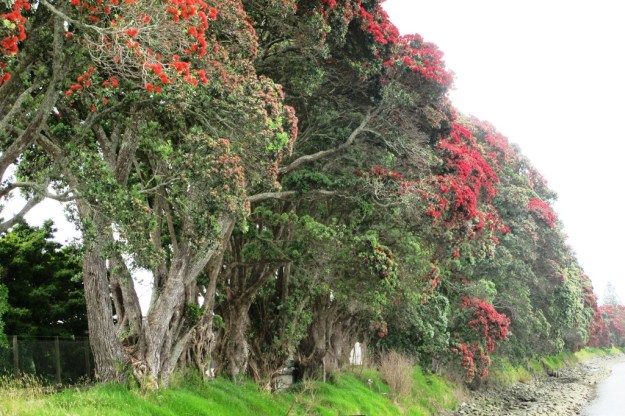
Sometimes we just want to weep; never more so than when we read stories like this one in our local paper. Too many New Zealanders think that they can extend dominion over everything in their view lines and that it is fair game to cut down or poison trees that “block” that view. These were trees established on public land, in the harshest of conditions on a coastal reserve. It is, as we say, ‘down the coast from here’ and in possibly the most exposed location we have in Taranaki. But views of the ocean are way more important to some than protection from wind, other people’s rights and the value of established trees.
Indeed, a local resident (who, I note, just happens to own property in direct view line from where the trees were cut down) wants more removed. What is even worse is that this man – for the avoidance of doubt, he is a man according to the text – is willing to pose shamelessly as master of the barren view because he is seeking election to a local council. The article says:
He said he had heard that some of the neighbours did not like the increased wind now the trees were gone.
“If you are worried about the wind, go in your house, that’s what houses are for.”
He wants the smaller trees around the pohutukawas cleared along the clifftop so passersby can see the view and the pohutukawas can be seen in bloom, and have seats installed and the coastal walkway extended.
“I want to bring back this cliff area to what it was meant to be originally. It’s neglected….”
Where to begin? With his blithering disregard for his neighbours’ sentiments on this? With his dismissive attitude to the value of trees? Or with his assertion that he wants to return the cliff area to what it was meant to be originally? I don’t think he is talking about its original state pre-European settlement of the area when most of this country was forested or in bush.
The attitude expressed by the Council officer seems eminently reasonable to us. It must be a thankless task trying to keep ANY trees on public land with the chainsaw mentality that is still so alive and strong in this country. I wish we would grow up as a nation and rid ourselves of the pioneer mentality that if it is an established tree, it is fair game to cut it down. Established trees are not disposable commodities to be hacked out on a whim. Trees which have beaten the odds to grow on the most exposed and inhospitable coastline are even more precious.
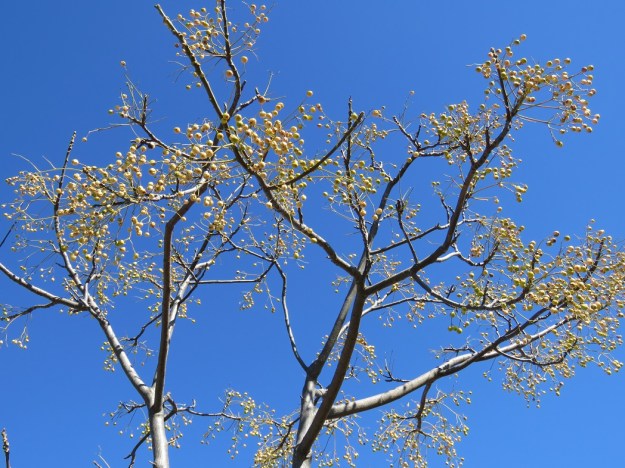
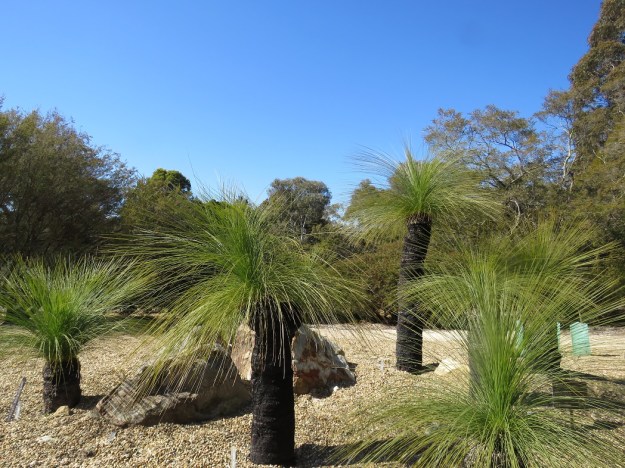
 It was a second visit to the National Arboretum in Canberra that had me thinking along these lines. This enormous project, encompassing 250 hectares, is a response to the devastating bush fires of 2003 which burned out the area. It is a grand vision, still in its infancy, that will create a legacy for generations to come.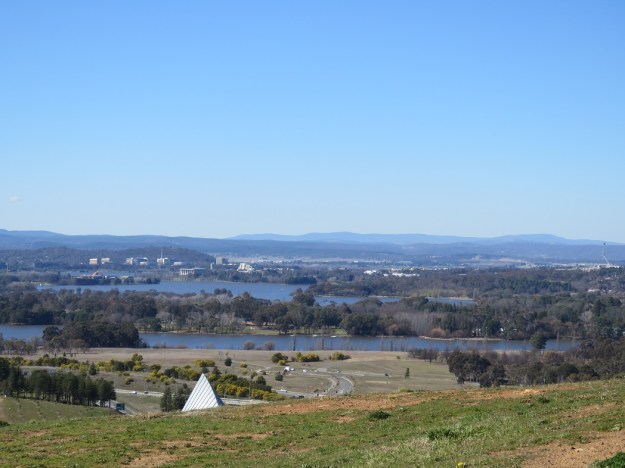
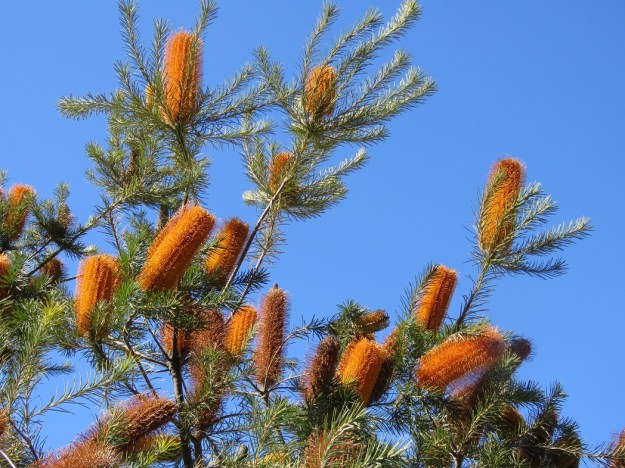
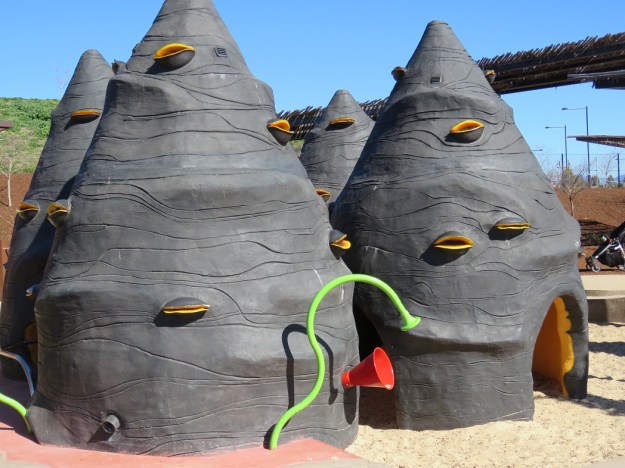

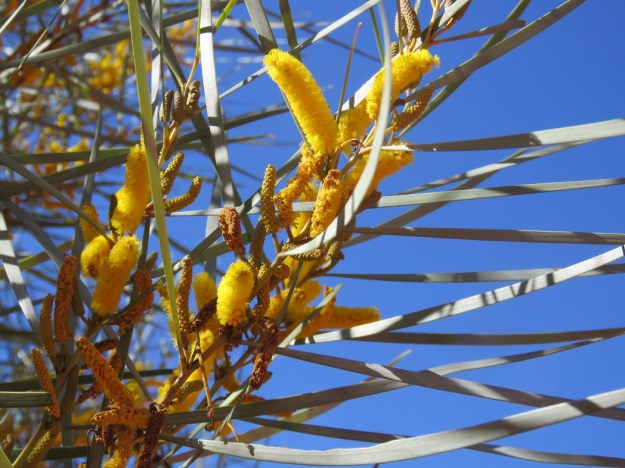

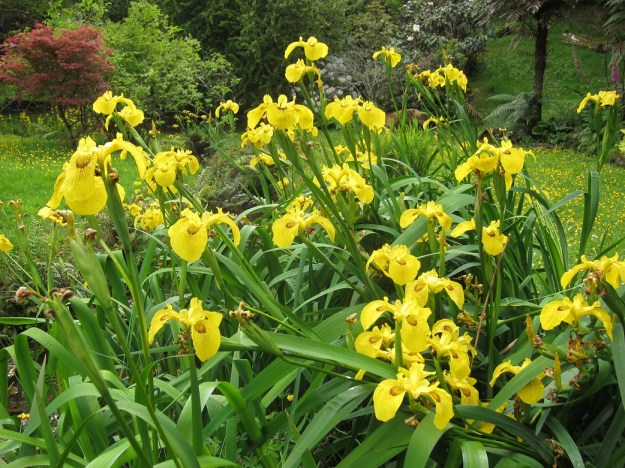


 We are enjoying the water meadow effect we are achieving in that area of the garden.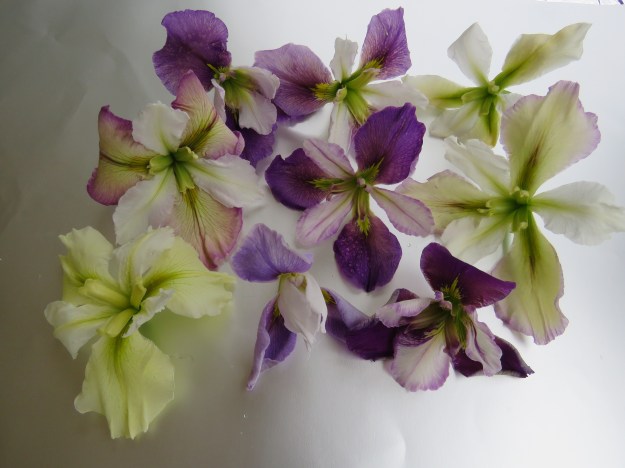
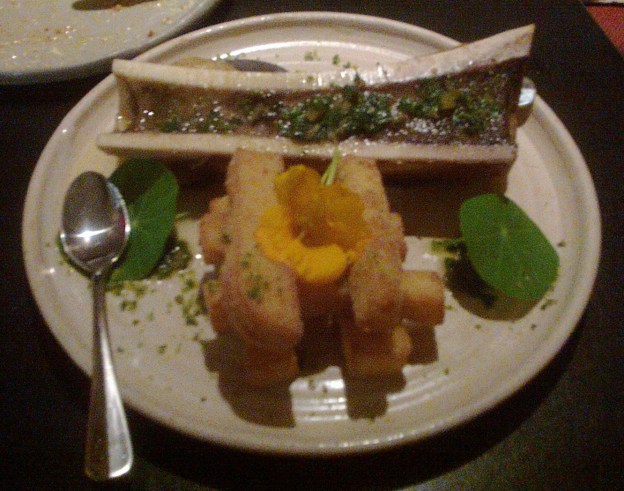 Their menu describes the dish as “Brussel sprouts** with almond tarator and zhoug”. I had to google both tarator (usually a yoghurt, cucumber and walnut based sauce) and zhoug (hot green spice paste of Yemeni origin). From memory the sprouts were not boiled or even steamed. They may have been lightly roasted.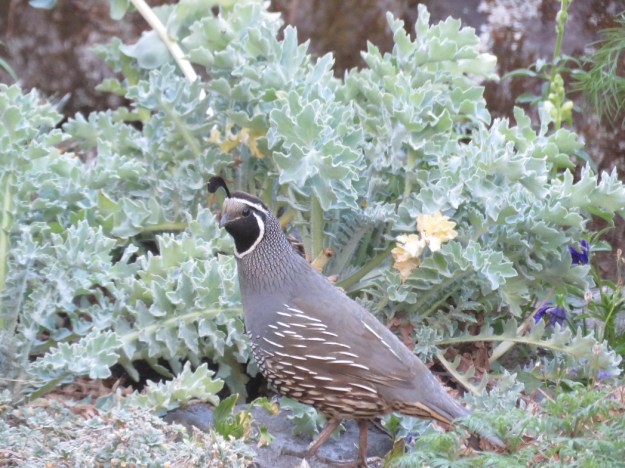
 Alas, my plans to attempt some re-creation of this taste treat at home this season have been thwarted by our resident Californian quail. We are very fond of these charming birds which are slowly increasing in number but have no intention of consuming either the birds themselves or their lovely speckled eggs. When you have watched Mama and Papa Quail herding their young, which resemble fluffy little bumblebees, around the garden, the thought of putting them on the dinner plate is unimaginable. But it was a close-run thing when a mob of them found a way into the protective cloche Mark has placed over this season’s crop of Brussels sprouts. The crop was decimated and the few we have salvaged are poor, shredded examples of this vegetable.
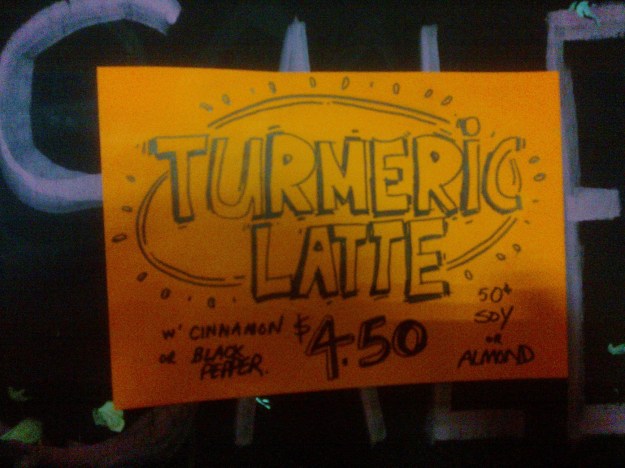 I give you the ultimate example of Bondi hipsterdom in Sydney.
 And the somewhat quaint example of hipsterdom in Canberra. No, I do not think pulling out the stained, blue woolly hat that my late mother in law used to adorn her teapot will achieve the desired level of hipsterdom when I lack the gluten-free friands as accompaniments.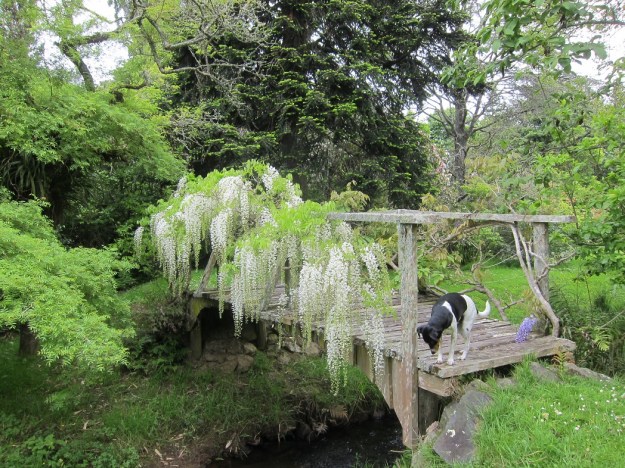
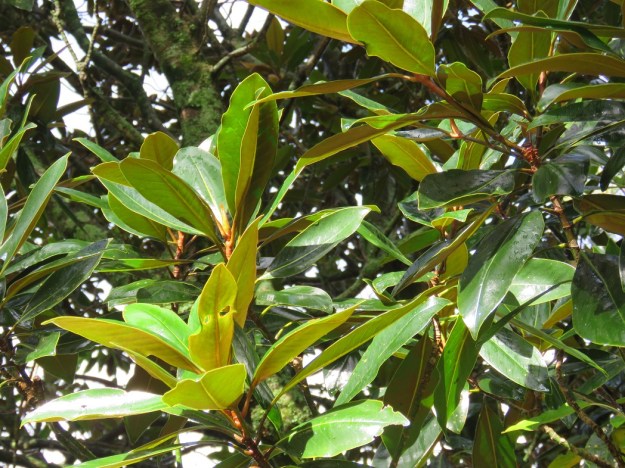 Any potentially large tree planted in the wrong place is going to be high maintenance. Vegetable time bombs, we call them. I see it with Magnolia grandiflora “Little Gem” in urban gardens more than any other plant I can think of. Aforementioned “Little Gem” is only little by comparison with something that might equally be called “Extremely Giant Gem”. It is not a dwarf tree. Plant it in a confined space – I know of a twin row of five or six aside lining a very narrow driveway in town – and it will either be high maintenance on an ongoing basis to keep it confined or an expensive removal job when it becomes a major problem.

 Tikorangi The Jury Garden