
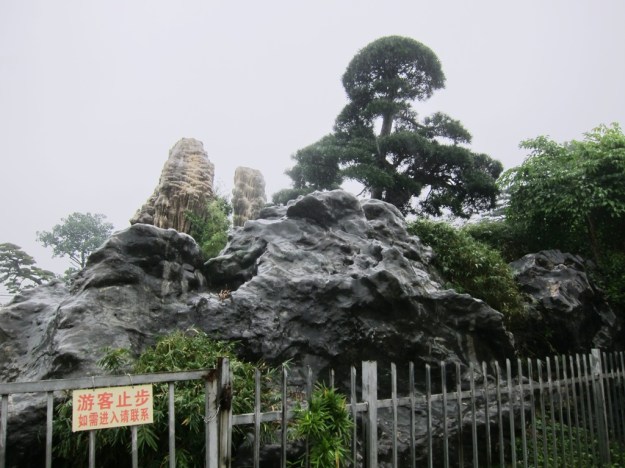
 Foshan is a new city that was completely rebuilt during China’s boom times – which seems to have slowed to a near standstill in the last couple of years. We were amazed to see the scale of businesses selling mature trees, rocks and even stalagmites and stalactites. It is big machinery that has made this commercial activity possible and many were very beautiful. We couldn’t help but wonder how much of surrounding countryside has been pillaged to bring in these pieces of nature for urban decoration. We were told that it is now illegal to mine the stalagmites and stalactites but you never know, when you are on brief visit, whether you are just being told what the guide thinks you want to hear.
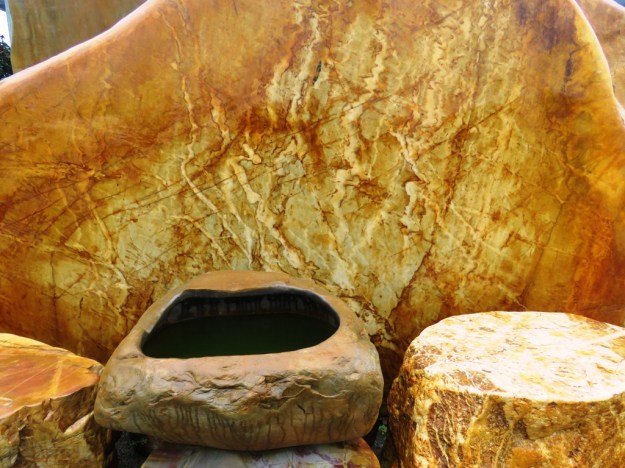
I did admire the stone water containers and the slab stools – no longer chipped and shaped by hand
 Certainly the nursery industry in southern China appeared to be booming and the scale of new public plantings was seriously impressive. We reflected ruefully on the battle we lost, trying to save many of the pohutukawa that once lined the Waitara River back home. About 30 mature trees were removed to make way for grass and concrete. It wouldn’t have happened in China, we thought. Those trees would have been saved, likely clipped to giant bonsais and relocated. The new planting would not have been limited to three small replacement specimens, especially given the prime location in the middle of the town. It would have been an opportunity to create something of beauty and social benefit to be appreciated by the community. Sometimes we just ain’t as enlightened as we like to think we are.
 Mayodendron igneum – a tree jasmine, the signage said – was a spectacular example of cauliflory growth found in Xishuangabanna. That is when a plant flowers and fruits from its main trunk. Most plants flower on either new season’s or the previous season’s growth. A few flower from the oldest growth. We see cauliflory growth on Ficus antiarus and Tecomanthe venusta here, but it is not particularly common. The flying insect you can see in the photo looked distinctly like an aggressive hornet. I was cautious.
 Mark was delighted to see these, the most basic of machines, still a-chuggin’ around. We first saw them maybe 14 years ago in the north of Vietnam, where they were the main transporter of heavy loads. The Vietnamese called them ‘improving vehicles’, our guide told us (something may have been lost in translation). There weren’t huge numbers of them around Dali, but enough to have us looking as they chugged past, often carrying loads way in excess of what one could ever imagine possible.
Aside from these utility workhorses from an earlier age, the vehicle stock we saw was modern and high quality. The most interesting aspect was the extent to which they are embracing electric vehicles – cars, small coaches and many motor scooters. While some of the charging was done by extension cords across the pavement, we could learn from the extent to which they are embracing electric vehicles.
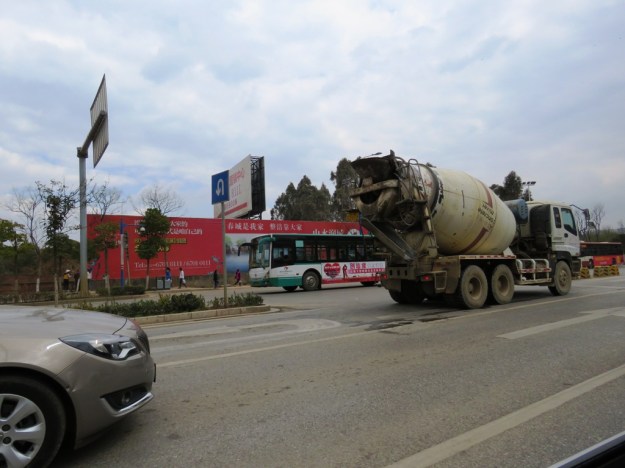
U-turns permitted
A word about Chinese driving, as we found it, this being a hot topic in New Zealand. Yes, they are legally permitted to do U-turns in some pretty interesting locations and even the largest of vehicles will do so. And it is true that they will overtake on blind corners. We noticed. Well, we experienced it. But they do not have a death wish. They only overtake on corners where there is room for a third vehicle to pass to the side, in case of oncoming traffic. What they are relying on is everybody knowing the width of their vehicles to within a few centimetres and extremely defensive driving. Also the traffic speeds were low. It is no wonder they get into trouble on NZ roads where our driving is at much higher speed and aggressive, not defensive, and where there is an expectation that road rules are rigid at all times.
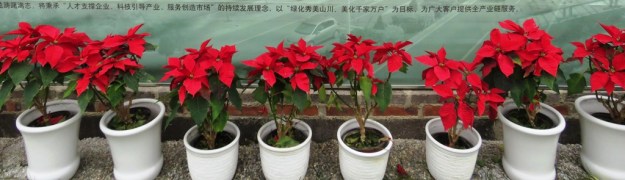
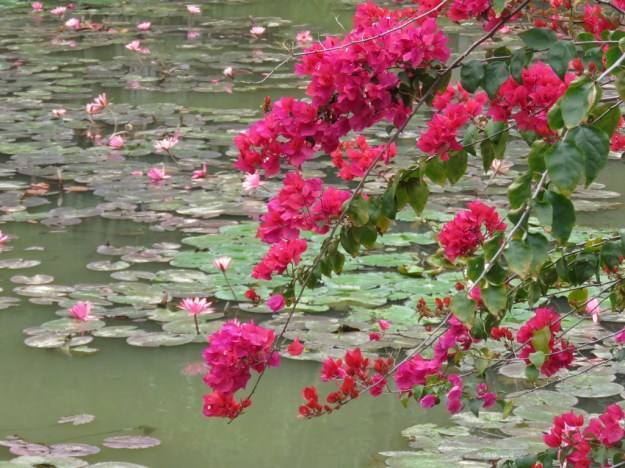 Ubiquitous plants of the world! I don’t travel enough to do an exhaustive study on this topic, but everywhere we go, we seem to see both the bougainvillea and poinsettia. To that can be added the jacaranda (but I can’t recall seeing these in China though I would wager they are there). I am not so keen on the poinsettia but I am pretty sure I have photographed bougainvilleas from Pacifica to Asia to Europe. Truly international plants these days.
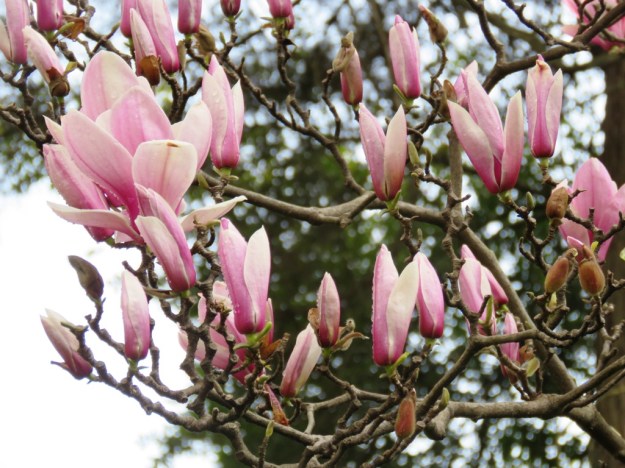
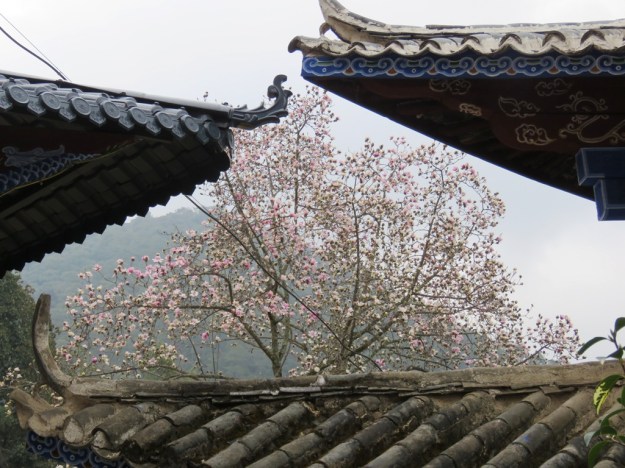
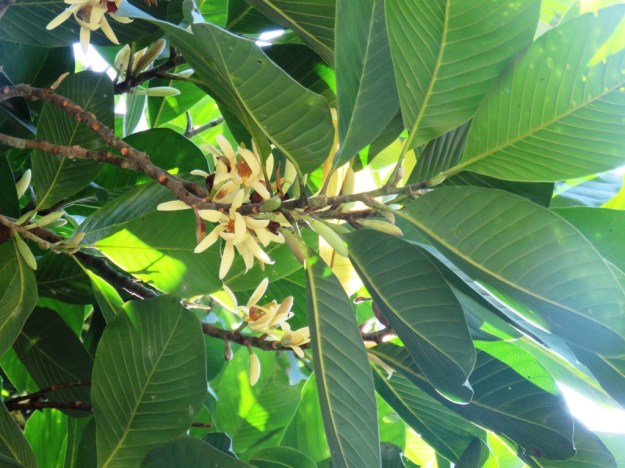

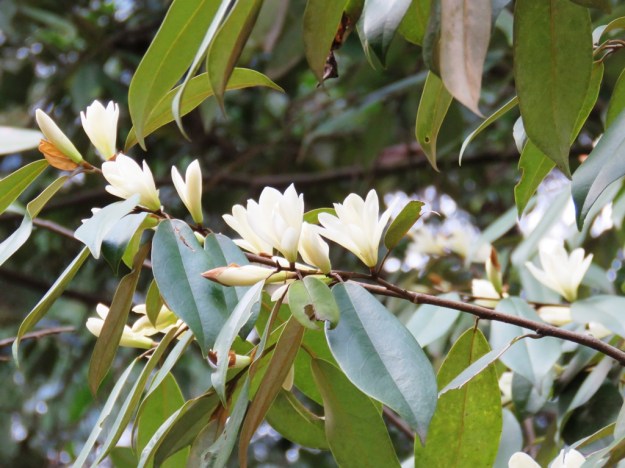
 I was honoured to be taken to meet Professor Sun Weibang at the Kunming Institute of Botany. Alas Mark was back in the hotel room, dying of the plague (a bad bout of the flu, to be accurate) so I was painfully aware that I was deputising for him at that meeting with a world expert on magnolia. We bonded over the magnificent book, Magnolias in Art and Cultivation, discovering a mutual friendship with one of the authors. There are several pages devoted to the Jury hybrids.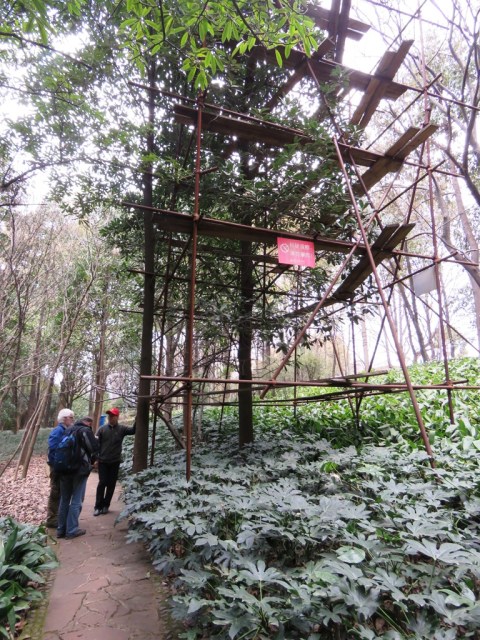




 Finally a few snippets: If there is one thing I absolutely loathe on purchased fruit, it is the sticky little labels which do not even break down in the compost. I often peel them off in the shop and leave them behind. These apples solved the problems of labels but we have no idea how imprinting the branding on the skins is achieved.
 I do not know if children’s Saturday sports matches continue to serve up segments of orange as half time refreshments (this may be a tradition that has died out at Saturday netball, rugby and hockey), but if they do, I feel that we could practice more class in the presentation….
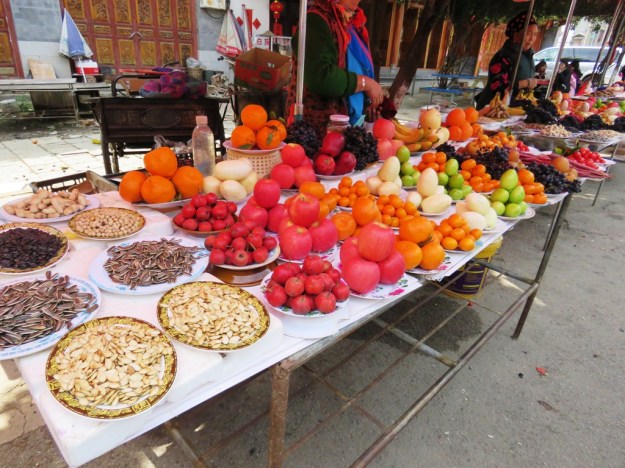 Similarly, the displays of fresh produce in New Zealand can leave a lot to be desired when compared to the care taken with the street stalls that lined a road near Dali.
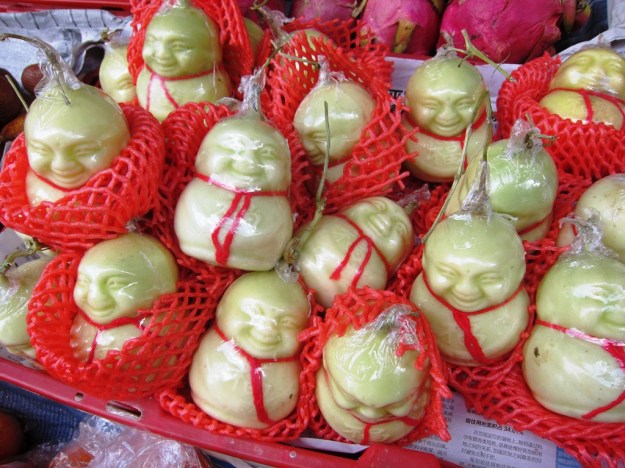 Buddha fruit! Not carved. Grown in plastic moulds, the ever-useful internet tells me. There is a labour intensive way of growing a novelty crop. These may be pears. If your curiosity is whetted, there are many
 Tikorangi The Jury Garden