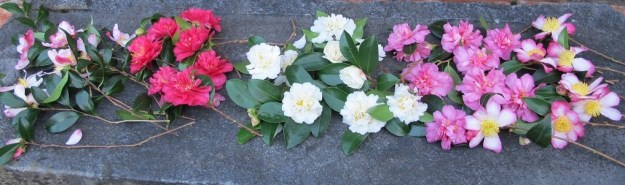
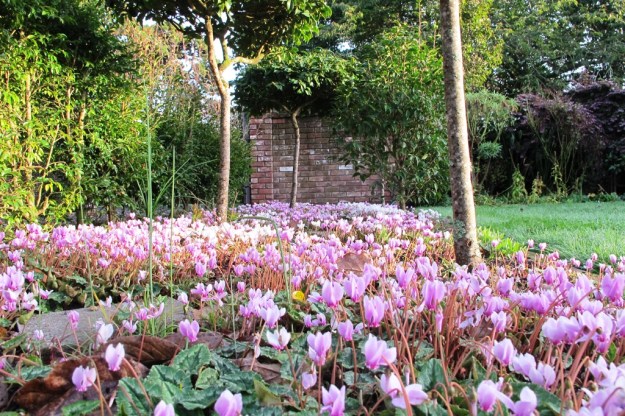
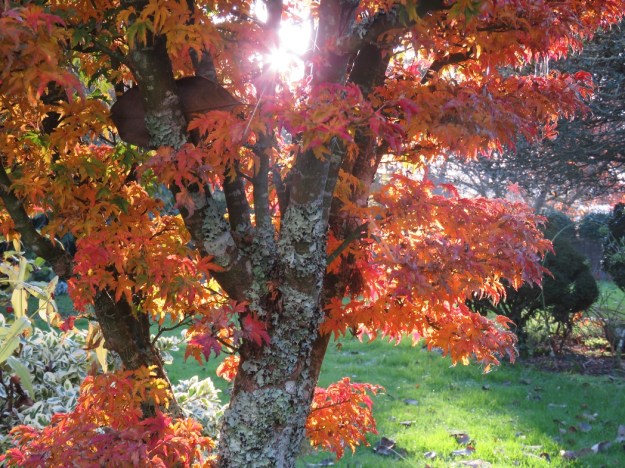
 ‘tis the winter solstice today. This marks the point where the days will start to lengthen again, which is always encouraging. However, it usually marks the point where we descend into the worst of winter weather from here through July. But I tell myself that a winter so brief is not too bad, really. We are still enjoying plenty of autumn colour – which is more early winter colour here – and more camellias are opening every day. The spring bulbs are pushing through the ground.
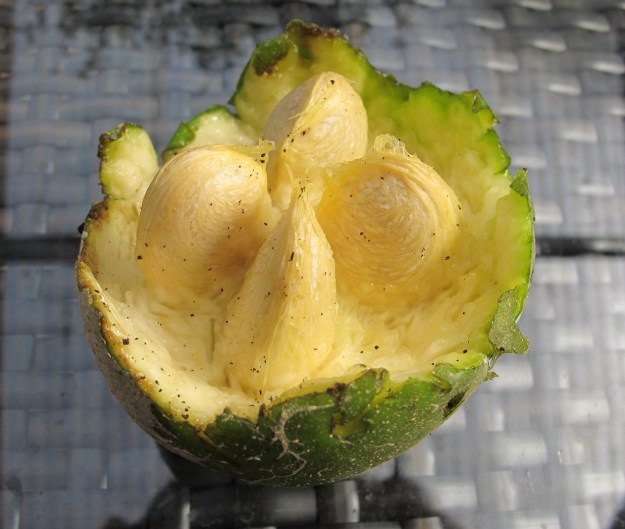
Casimiroa edulis
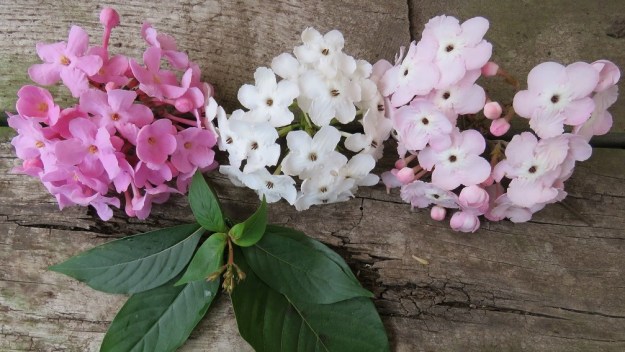
The absence of any significant frost means the tree dahlias and luculia flower on and we are eating the white sapote crop (Casimiroa edulis). Now there is a taste of the tropics in mid-winter.
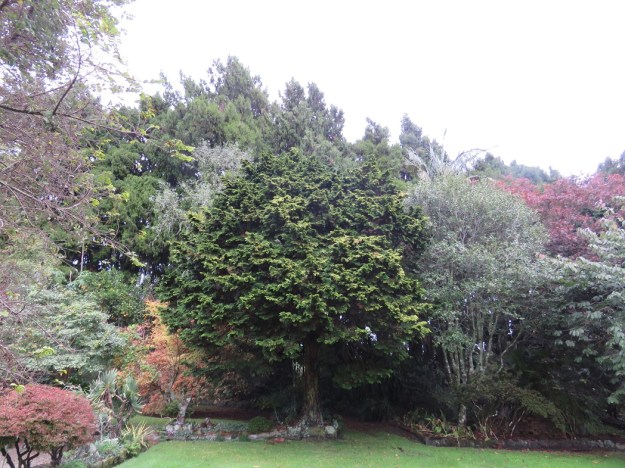
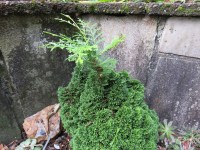 I had been meaning to photograph this reversion on a dwarf conifer. Many plant selections, especially amongst the conifer families, are sports or aberrations on a parent plant. Part of plant trialling is to test that sport for stability but even so, you may often see reversions to the original plant. Generally, it is going to be much stronger growing so if you don’t cut it off, over time it will dominate. A quick snip with the secateurs was all that was required on this little dwarf in the sunken garden. The major growth that Mark removed from the top of the variegated conifer in the centre of this photo required a tall ladder, some tree climbing and a pole saw.
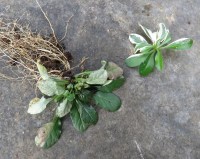 Reversions are also apparent in these perennials. The silver leafed ajuga to the left is showing reversion to plain green. While that particular ajuga is not my favourite (the silver reminds me a bit much of thrip-infested foliage on rhododendrons), it is better than the boring green which barely blooms. I weeded out an ever-growing patch of the plain green. The other little groundcover must have a name but I have no idea what it is. The clean white variegation is sharp and smart but it has a definite inclination to revert to its plain green form, which is much stronger growing. The same rules apply where variegated hostas are reverting to a plain colour. If you want to keep the variegated form, cut out the reversion or you will end up with just plain foliage.
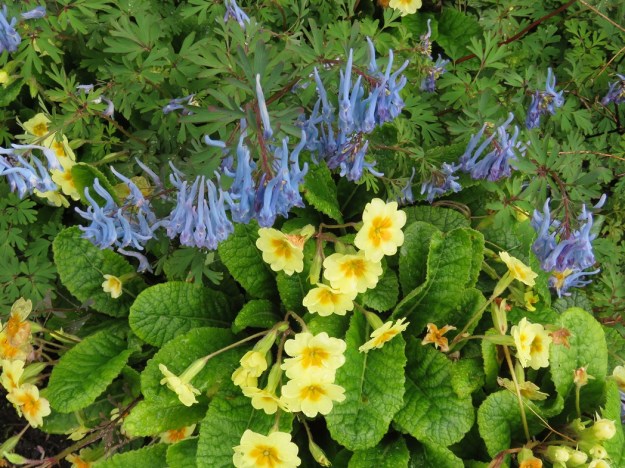
I like the yellow polyanthus with blue corydalis but the polyanthus need relatively frequent lifting and dividing to stay looking good
I have been much preoccupied with digging and dividing perennials. Still. This may be ongoing but the good news is that the more you dig and divide, the easier it is because the soil doesn’t compact as hard. Over time, I am sure I may cast out some of the plants that need very frequent digging and dividing to stay looking good (particularly polyanthus) but at this stage, I am fine with grubbing about in the garden borders on my hands and knees. Mark laughs at me. Even though I use a kneeling pad, I am a grubby gardener. There are no two ways about that. Mark can come in from the garden, wash his hands and be relatively clean. I come in and have to soak clothes in a bucket of cold water, to loosen the dirt before washing them.
Why so much digging and dividing? Because I am on a steep learning curve with perennials. In the main, I would say that we are pretty knowledgeable about gardening with trees, shrubs and bulbs. But gardening well with perennials is a whole different ball game. I went looking at local gardens a few years ago and it was a revelation to me how badly otherwise-reasonably-competent gardeners managed underplantings. There is so much to learn – not only what perennials like which conditions (that is the easiest bit), but which perennials combine well together, have compatible growth habits and stay looking good over a long period of time. Landscapers usually take the easy path – mass plant a large area with a single variety that will like the conditions. But that is not our style. It is the combinations that make it interesting and take the garden through the seasons.
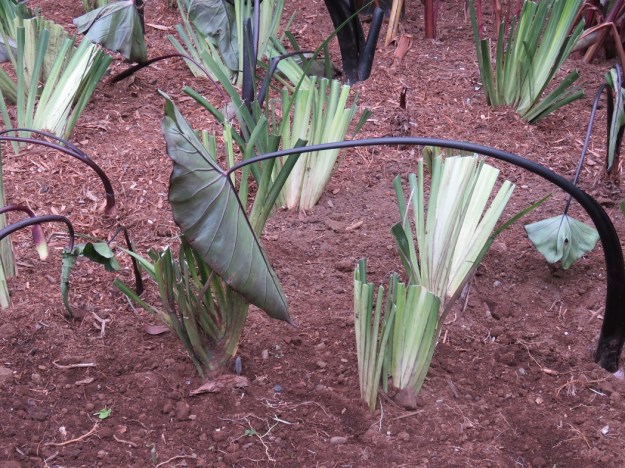
January 27 this year
And on June 20
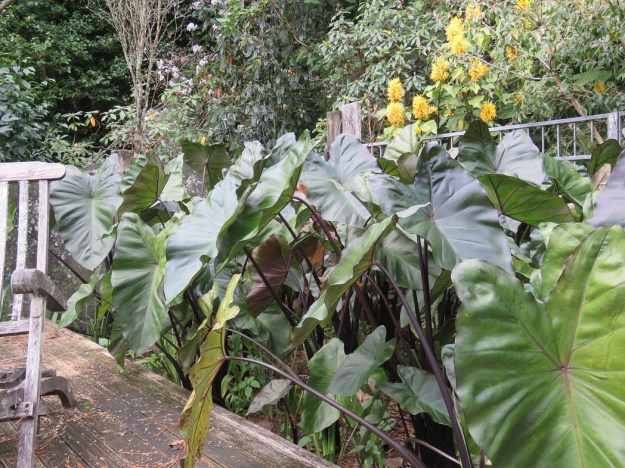
Because we have some big plans for all-new perennial gardens, we have both been turning our attention to learning more about the specific requirements of many varieties and how best to manage them. This is not a six month project. More like a six year one, at least. But with perennials, the results are quick. I lifted much of the messy swimming pool garden in late January (mid-summer and I didn’t water because there is no tap nearby) and replanted a block with Dietes grandiflora and an ornamental taro. For a while they sat around wilting in the extended autumn heat. But look at it now, in mid-June. The dietes haven’t moved but still have green foliage so they are biding their time for spring. The taro looks great. When a combination works, it is hugely satisfying. When it stays working all year and into the next few years with minimal attention, that is even better.

When perennial plantings work well – Curculigo recurvata with Ligularia reniformis (also in the pool garden)
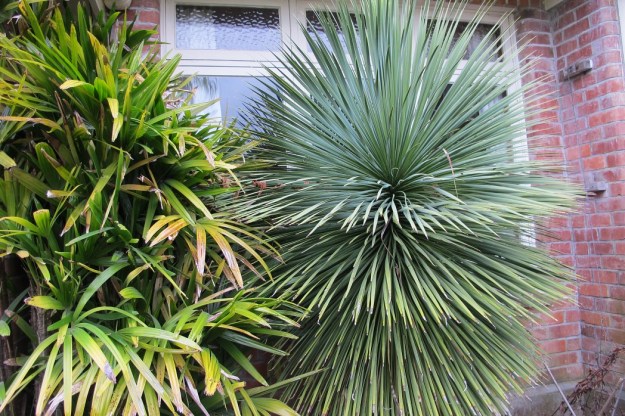
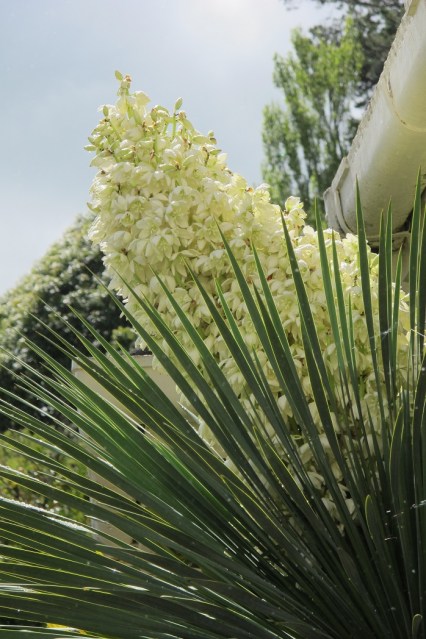
 Our ever handy man on the spot, Lloyd, cut back the concrete in anticipation of the move. That was on June 14, 2012. But time passed and other jobs always seemed more urgent. Towards the end of 2014, we spotted a flower spike forming. That was pretty exciting, given that the plant was over 25 years old and had never bloomed before. Moving it was out of the question.









 First published in the June issue of NZ Gardener and reprinted here with their permission.