I guess every country is a land of contrast but it seemed even more so in China. Maybe the larger the country and the more diverse its history, the greater the contrasts?


Take these two – the man in a working village (as opposed to the tourist village experience), was making traditional brooms. Mark looked at the photo and commented that they may very well be one of the most efficient brooms around and we should maybe have brought one or two home with us. I am sure he was referring to bringing home brooms and not the very modern young woman with the selfie stick who was completely absorbed in her own imagery.


The hotel display of mandarins and bedding plants (there appeared to be an unwritten understanding that helping oneself to a mandarin in passing would be Very Poor Form) was notable for its unabashed vulgarity. We anticipated a display of great exuberance at the National Orchid Exhibition in Dali but instead it was marked by the most exquisite refinement and restraint. There were plenty of colourful cymbidiums in bloom at the time but clearly this orchid show was not the place for them.


The contemporary sculpture was in the Xishuangbanna botanic gardens – a worthy commemoration of recent history, styled on heroic lines? The wall painting is typical of the domestic decoration seen in Bai Villages around Dali and probably dates back a long time.


I loved the wall painting, both external and internal, on the Bai houses. So evocative of classical Chinese art. I photographed this one inside a private house that welcomed us in Longxiadeng Village. The contrast to the modern hotel in Jinghong could not be more extreme. This was only a four star hotel, for goodness sake, though considerably better appointed than the modest hostelries Mark and I usually choose when travelling on our own.


China is renowned for the amount of litter and rubbish but the urban areas seem to be heavily endowed with street cleaners doing it the old fashioned way – and very effectively too. The city areas we frequented were cleaner than New Zealand cities. Sure, there was plenty of litter in the countryside but as we regularly pick up litter from our own roadsides, we are not at all convinced that New Zealanders are any better with rubbish – there are just fewer of us to litter. I was interested in the juxtaposition of the street cleaner with the ultra modern architecture of Foshan, a city just outside Guangzhou. We were told Foshan had been almost entirely rebuilt in very recent times and it was hard to spot anything that may have existed prior to the recent construction and development frenzy.


The three pagodas in Dali are old, very old. The front one dates back to the ninth century, the other two are newer by 100 years. When you come from the so-called New World, it is hard to comprehend the age and the respect conferred on these religious icons down the centuries.
The new buildings are by the Mekong River in Jinghong City – another symbol of modern Chinese affluence and development. The slowdown in the Chinese economy that is having a major effect on other economies around the world was evident. We saw many major new projects where work appeared to have halted in mid flight.


On the left we have a Dai village where it appeared that life was continuing in a pretty traditional manner. This was an unscheduled stop at a village off the tourist trail and was all the more interesting for that. Our translator told us that this was an official census being taken of all the residents. On the right is Bai hospitality in Longxiadeng Village which has tapped into the huge tourist market in the Dali area. It was a very polished operation at the most local level – full of colour, courtesy and friendliness but nowhere near as personal. They are clearly set up to deal with large numbers of visitors and to ensure that a quality experience is provided.


What can I say about the left image? That must be Confucius in the background. The scene is at the Confucian Temple in the very heart of Dali, where the National Camellia Show was staged. There was a magnificent display of bonsais, including some astoundingly old camellia plants being reinvented as bonsai specimens. To be honest, I am not at all sure what the lady in purple was there for – simply temporary decoration, I guess. The golden spades were lined up for an official camellia planting ceremony in Yu Er Park. Mark spends some time linseed oiling tool handles at home and at times he crafts new handles from scratch so the timber handles caught his eye. Closer inspection revealed that they are coated in woodgrain stickon plastic similar to kitchen drawer lining. It was all about the look for this ceremony.


On the Baotai Mount in Yongping at the forest administration station, the facilities were geared to the local market and a pretty astounding number of people turned out to witness the ceremonies on the day we were welcomed there to unveil a stone monument, enjoy lunch and walk amongst the wild reticulata camellia forest. There were times I felt that we were the exhibit, as much as the camellias, but always we were treated with great courtesy and kindness.
On the right is one view of the magnificent new glasshouse at Kunming. It has not yet been fully completed and opened but it is pretty amazing. It appeared they were giving the new glasshouse at Wisley in the UK a run for their money in the Grand Glasshouse Stakes. We were surprised how cold Kunming was, having understood it to have a similar climate to ours at home. Certainly the spring had been unusually cold, but it was clear that they have much colder winters than we have, though dry. Our winters are neither particularly cold nor at all dry but we grow many plants from this area of China.


The old and the new in Xizhou Old Town, snapped in a moment of time (which is why it is a little fuzzy). The gentleman on the right appeared to be at home there – not a visitor – though he greeted us in English as he strode purposely on. He was one of the very few Western faces we saw not attached to our group. Visiting the areas we went to was a total immersion experience.
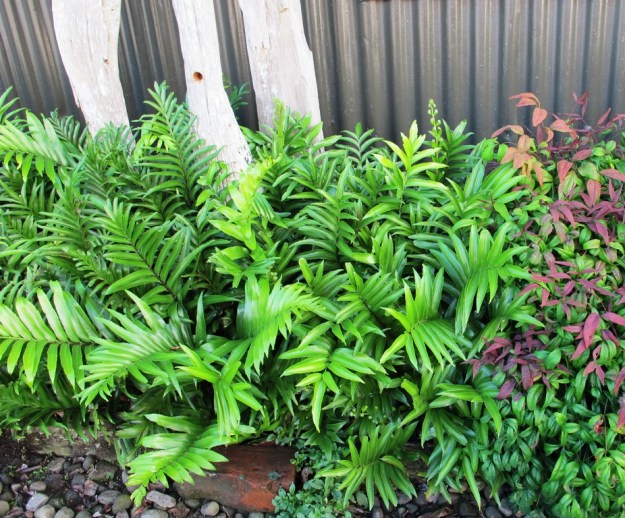
The fence on the right had me briefly fooled. From a distance, I thought it was a beautiful example of an old technique using tree branches. No. It is actually a fine example of what you can do with concrete. The shade of green new paint is a bit of a giveaway but I imagine it may age quite gracefully.
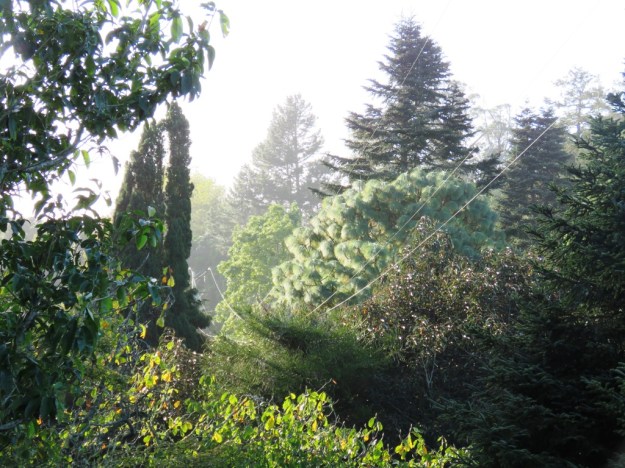
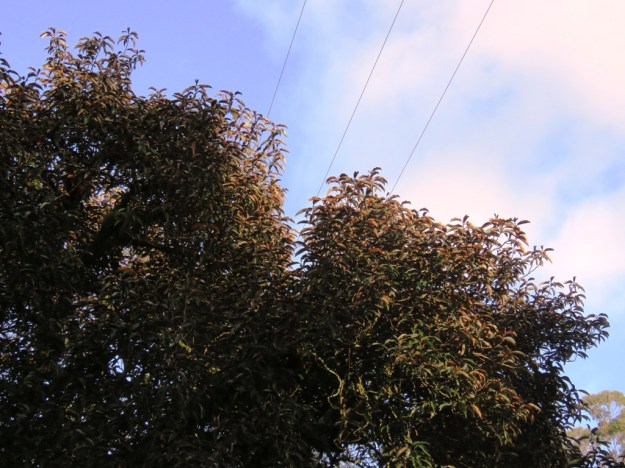
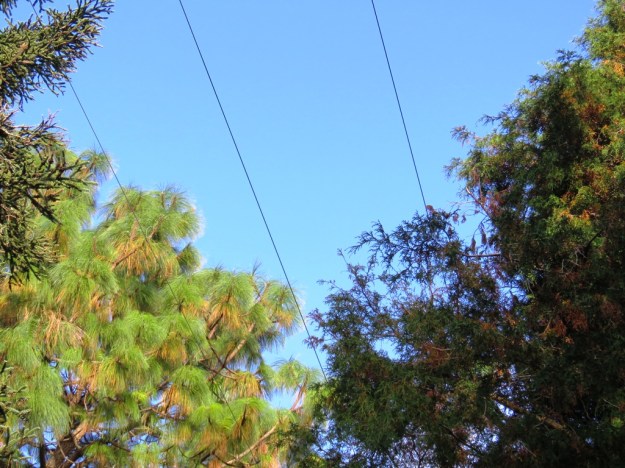
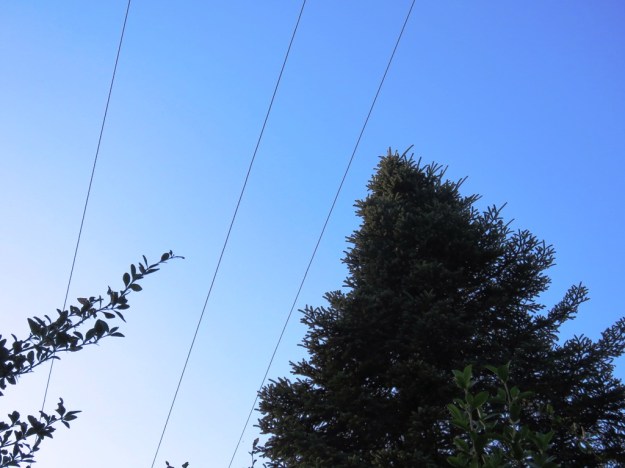 But no more. Yesterday the lines were removed as part of an upgrade on that particular section. We could not be more delighted. And relieved. At least some of the trees should now be free to grow to their maximum size and maturity long past our lifetime.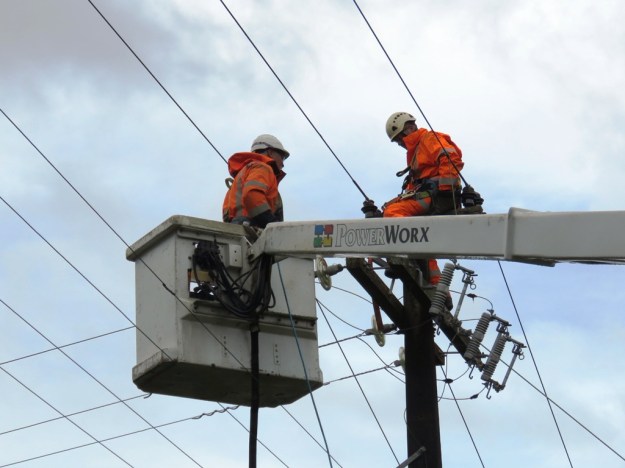
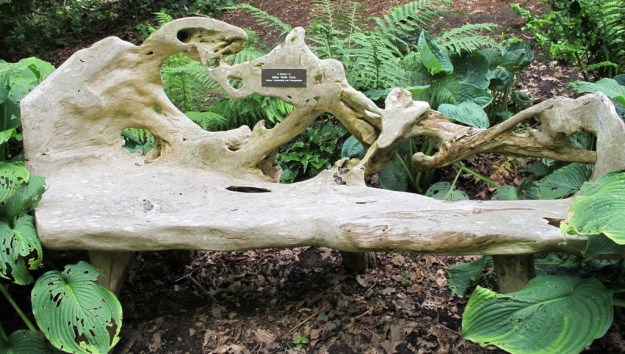
 Foshan is a new city that was completely rebuilt during China’s boom times – which seems to have slowed to a near standstill in the last couple of years. We were amazed to see the scale of businesses selling mature trees, rocks and even stalagmites and stalactites. It is big machinery that has made this commercial activity possible and many were very beautiful. We couldn’t help but wonder how much of surrounding countryside has been pillaged to bring in these pieces of nature for urban decoration. We were told that it is now illegal to mine the stalagmites and stalactites but you never know, when you are on brief visit, whether you are just being told what the guide thinks you want to hear.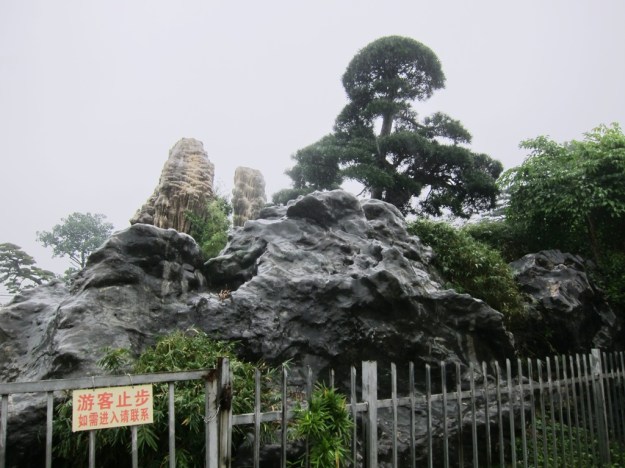
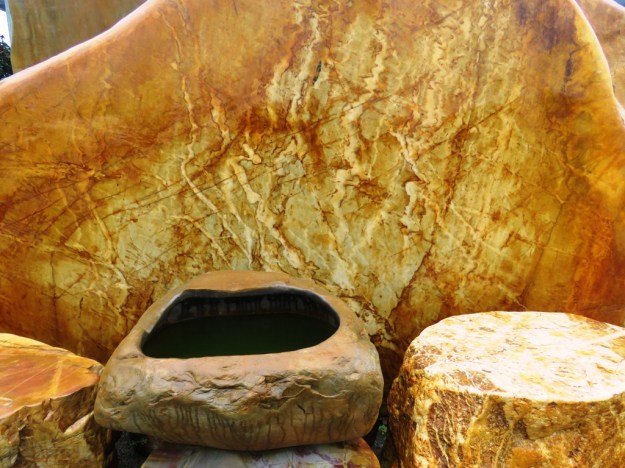
 Certainly the nursery industry in southern China appeared to be booming and the scale of new public plantings was seriously impressive. We reflected ruefully on the battle we lost, trying to save many of the
  Mayodendron igneum – a tree jasmine, the signage said – was a spectacular example of cauliflory growth found in Xishuangabanna. That is when a plant flowers and fruits from its main trunk. Most plants flower on either new season’s or the previous season’s growth. A few flower from the oldest growth. We see cauliflory growth on Ficus antiarus and Tecomanthe venusta here, but it is not particularly common. The flying insect you can see in the photo looked distinctly like an aggressive hornet. I was cautious.
 Mark was delighted to see these, the most basic of machines, still a-chuggin’ around. We first saw them maybe 14 years ago in the north of Vietnam, where they were the main transporter of heavy loads. The Vietnamese called them ‘improving vehicles’, our guide told us (something may have been lost in translation). There weren’t huge numbers of them around Dali, but enough to have us looking as they chugged past, often carrying loads way in excess of what one could ever imagine possible.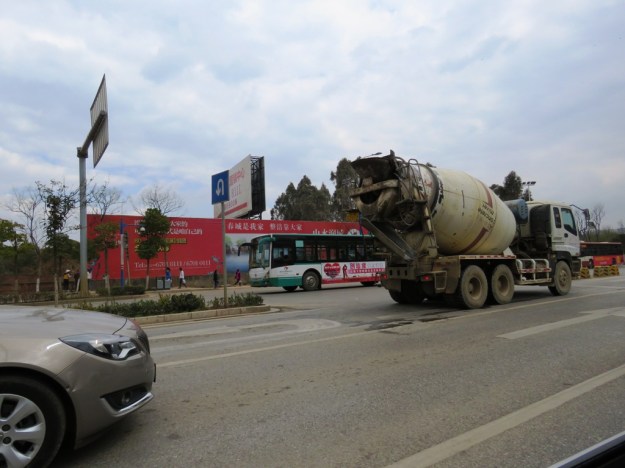
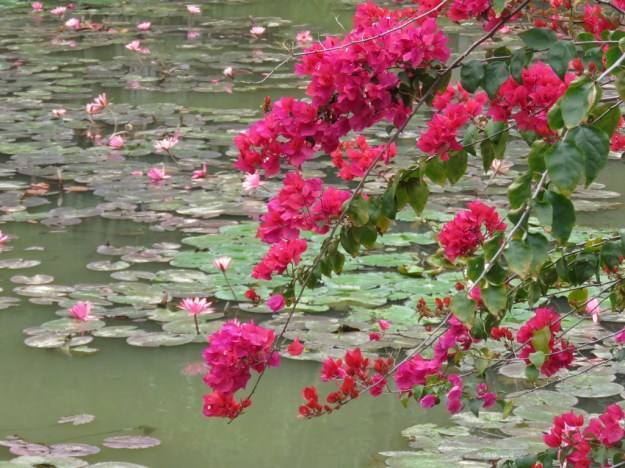 Ubiquitous plants of the world! I don’t travel enough to do an exhaustive study on this topic, but everywhere we go, we seem to see both the bougainvillea and poinsettia. To that can be added the jacaranda (but I can’t recall seeing these in China though I would wager they are there). I am not so keen on the poinsettia but I am pretty sure I have photographed bougainvilleas from Pacifica to Asia to Europe. Truly international plants these days.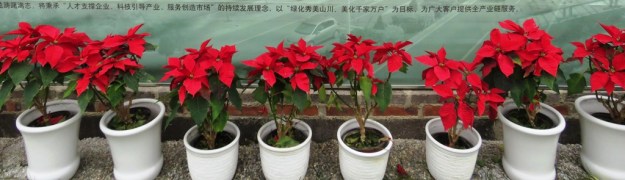
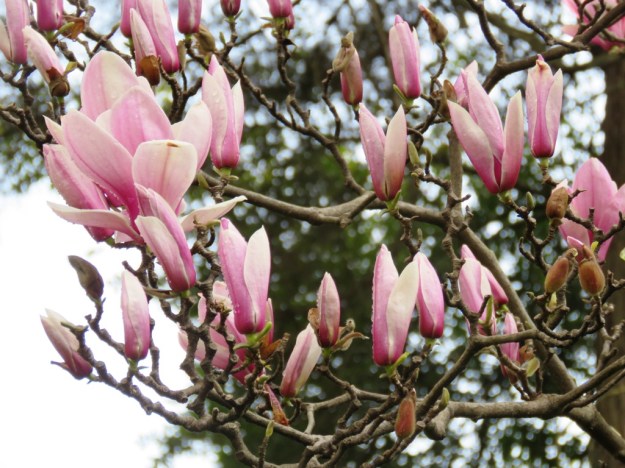
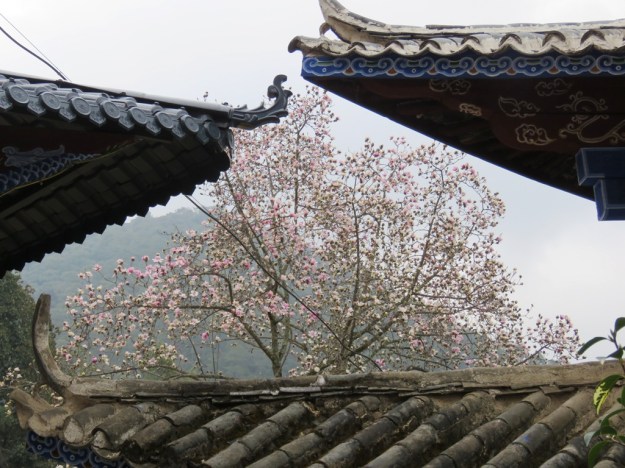
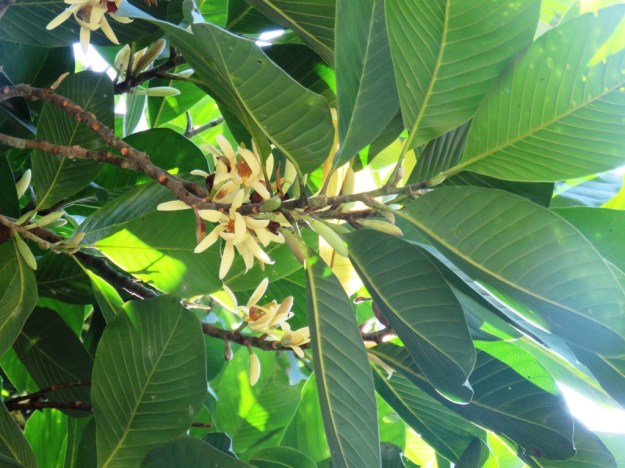

 I was honoured to be taken to meet Professor Sun Weibang at the Kunming Institute of Botany. Alas Mark was back in the hotel room, dying of the plague (a bad bout of the flu, to be accurate) so I was painfully aware that I was deputising for him at that meeting with a world expert on magnolia. We bonded over the magnificent book, Magnolias in Art and Cultivation, discovering a mutual friendship with one of the authors. There are several pages devoted to the Jury hybrids.