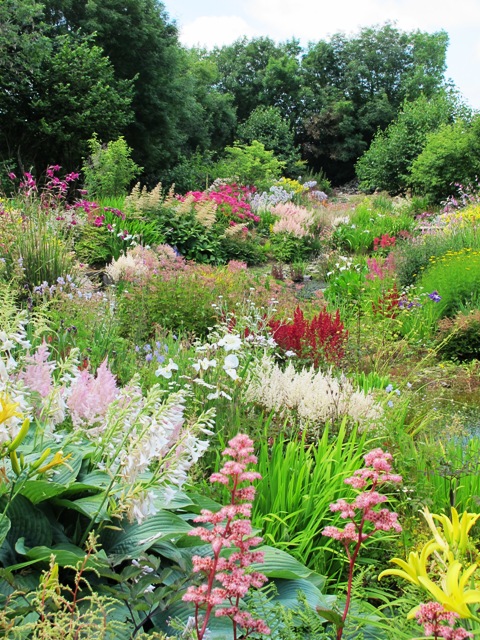
 1) I want to try and capture the magic of a particular garden in a few words and photos. This is Wildside in North Devon and was quite simply one of the most exciting modern gardens we have seen. It is not that we will try and re-create it at home, but we found it interesting, stimulating and inspirational in many ways. It has been about 10 years in the making to this point.
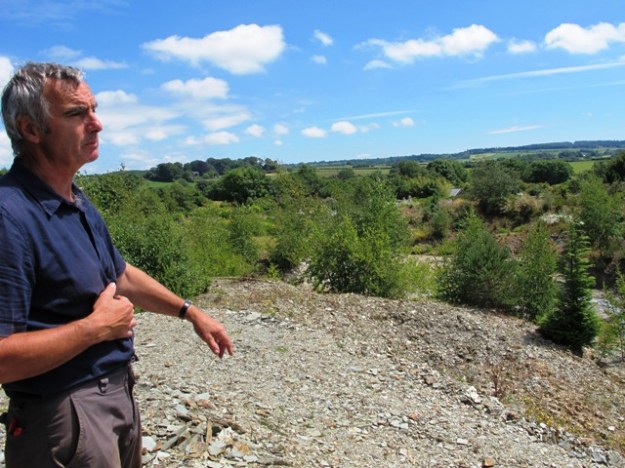
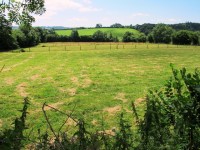 2) The creator, Keith Wiley (and let us acknowledge the active assistance from his partner, Ros) has taken a 4 acre (1.6ha) flat field and created a landscape. When he started, it looked identical to this neighbouring field. All the top soil was removed and substrata redistributed to create ponds, canyons, shallow valleys and hills. At this stage, it is still possible to see this process in the upper garden which has yet to be planted. Once shaped, Keith returned the top soil in varying depths, depending on what plants he planned to grow in each area.
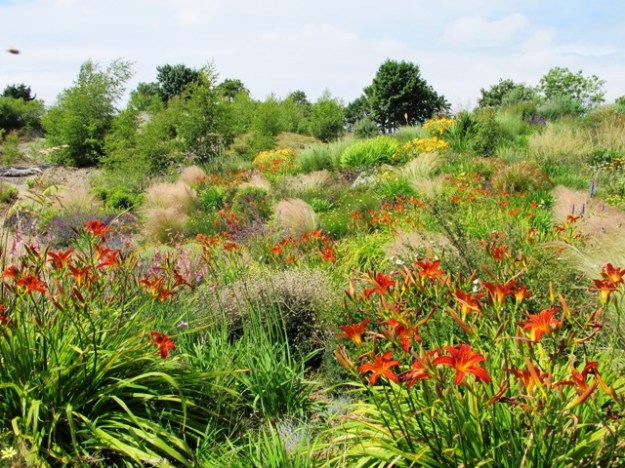 3) The interaction between the created landforms and the plants are the key components of this garden. When we visited, the upper garden was dominated by oranges, golds, yellows and whites. We would love to have been able to return a few weeks later because we could see that the dominant colour was going to change to blue and it would have looked very different. It takes exceptional plant skill to be able to get that transition and successional planting across seasons, let alone within the same season.
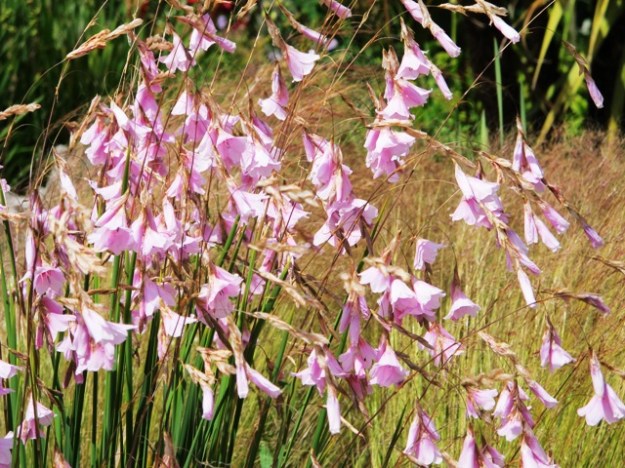 4) These are dierama, commonly called Angel’s fishing rods, one of the few corms and bulbs that were in flower in midsummer but this was a garden which was rich in drifts of bulbs – another layer of plant interest and a means of ensuring colour and detail when most perennials are either dormant or resting. In keeping with the modern perennials movement, there were grasses used but in moderation. Plants were in good sized clumps and often in drifts, but always in combinations, not chunky blocks standing in their own right as seen in many modern gardens.
 5) There is very little hard landscaping and very little ornamentation. There may have been one small lawn, from memory, but this is a garden of plants and flowers. Some may consider the lack of formality and structure to be a shortcoming, certainly in a country with a long history of landscaped gardens full of permanent features. We saw a garden that pushed the boundaries of the prairie style and New Perennials movement, combined with the creation of sustainable ecosystems, underpinned by exceptional plantsmanship.
 6) We travelled a long way to visit Wildside which is on the edge of Dartmoor, near Yelverton, and we would gladly travel a long way to see it again. However, it is currently closed to the public and it is uncertain when it will reopen. The owner told us that he needed to get the house built. After a decade of living in temporary quarters while giving priority to the garden, they had reached the point where the house had become a priority.
First published in the Waikato Times and reprinted here with their permission.
Prologue
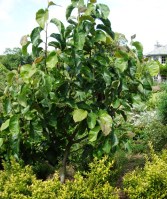 Yes, a prologue. We first became aware of Keith Wiley’s style when we visited The Garden House in 2009 – the garden of the late Lionel Fortescue which Keith managed for many years. True, he had no hand in the first sight to gladden our eyes. As we went to enter the garden, lo and behold there was Mark’s very own Magnolia Felix Jury in prime position. To say we felt proud would be an understatement.
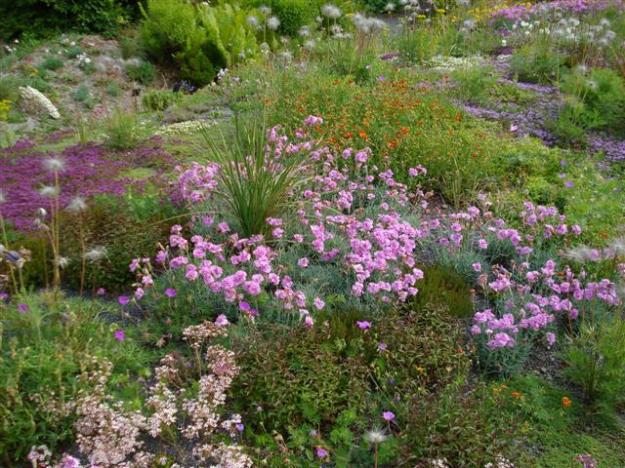
But our enduring memory of The Garden House is the delightful Quarry Garden – which I wrote about at the time. We were also very taken by some of the wildflower areas and the naturalistic style. It was only after we had moved on from the area that we found out that this was Keith Wiley’s work and that he had branched out on his own garden a mere kilometer or two down the road. Had we known at the time, we would have taken our chances on seeing if we could have a look at his new project. It took us five years to get back and it exceeded all our expectations.





 Tikorangi The Jury Garden