
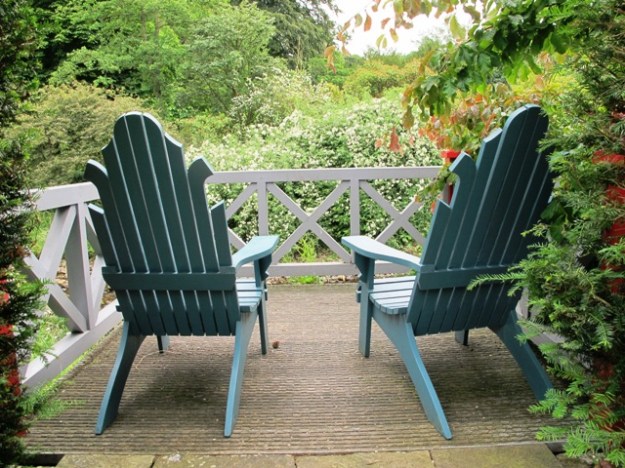
It took my American editor to clarify once and for all that these are not Cape Cod chairs, as often claimed but Adirondack chairs. You have been told. These specimens are somewhat more stylish than many examples, achieved by the graceful curve of the back legs and some relatively simple shaping of the back slats. Small detail can make a significant difference. Sadly, it did not make these chairs any more comfortable. I tried one and can report that anybody under two metres in height would find it most uncomfortable and there is some doubt whether those over two metres would think any differently.

I am sure there is a technical term for this seating design which reminds me of the dosey-doe move in American square dancing. I photographed this at Wisley, the RHS garden, where Mark and I mimicked a couple we once heard elsewhere. “ ’ere love, wot canya see from your side?” “”Oh a luverly pitcher with them waterlilies. Wot abaht you?”. When I then saw a similar seating arrangement in a French bed and breakfast, I realised it must have a tradition. Curiously, this seating configuration can actually give some sense of intimacy to sitting with your one companion in a public setting.
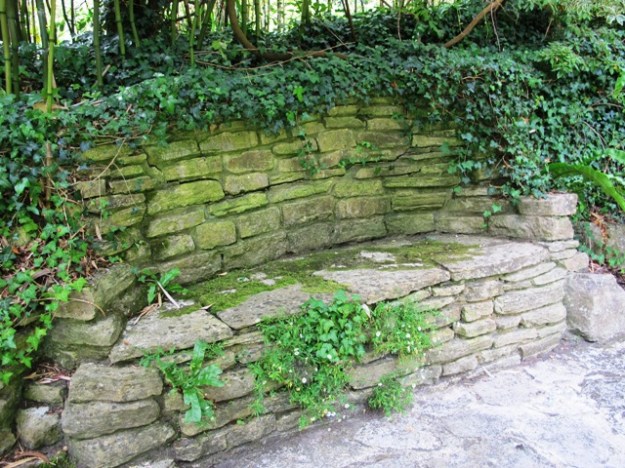
Stone, concrete or brick seating can be a problem, especially in a cool climate with high rainfall or when located in the shade. While the softening ivy, moss and seeding ground cover makes the seat meld visually with its surroundings, it also makes it damp to the derriere as well as being cold and unforgivingly hard. I speak from experience here with our own stone seating arrangements. Keep them in full sun and free of moss.
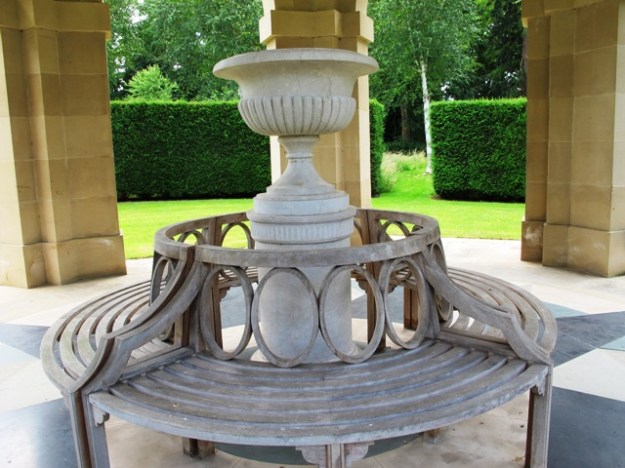
Seating in the round – a particularly elegant example I saw in a private garden, but I still think this is more for appearance than congeniality. I once read an explanation that humans do not like to sit with their backs to strangers because of potential threat. Certainly this type of seating is more likely to be used for short term rest only and not in a companionable social setting. Sometimes these seats are built around existing trees but they seem to smack of the institutional garden more than the private, domestic living space.
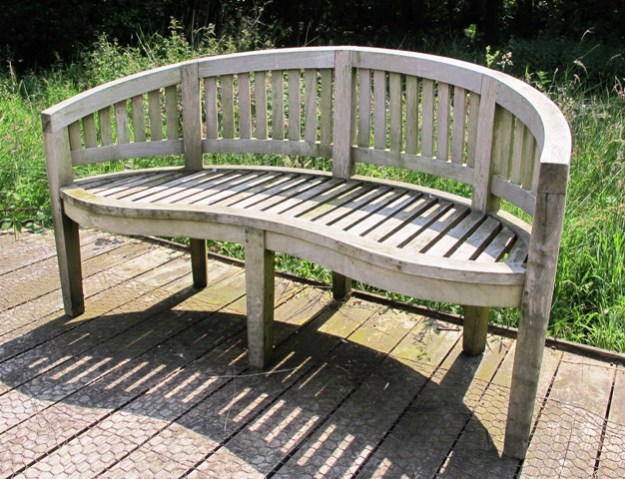
There are many variations to the simple bench from the most basic example that is sold cheaply in our hardware stores to somewhat more elegant styling such as this. It is the curve of both the seat and the back which make this example more aesthetically appealing – and no doubt correspondingly more expensive. Being English, this is probably constructed from oak. The cheap benches in New Zealand are often Indonesian hardwoods which are not overly durable if left outdoors through our winters.

I offer this as an example of a seat which looks stylish while coming up short on practicality. It is very close to the ground which is fine until you hit about 50. The curved seat looks comfortable but consider how hemmed in your arms would feel in this solid set up. If you are going to have the arms and back at the same height, then make the back shorter, not the arms higher. The use of wide armrests on outdoor seating – also seen in the Adriondack chairs – is a handy device for accommodating the coffee cup or wine glass.
First published in the Waikato Times and reprinted here with their permission.
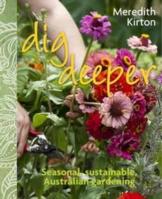 The subtitle of this book is “ Seasonal, sustainable Australian gardening” and therein lies a problem which I do not think the distributors, Allen and Unwin, understand. While only three hours away by jet, Australian gardening might as well be a world away. It is different in so many ways that it is difficult to understand how a publisher might think that it is appropriate to claim this book as “the definitive gardening manual for the modern gardener” in New Zealand. It isn’t.
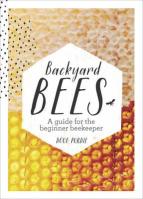 I just read that a report to our Parliament set the contribution of bees to the New Zealand economy at $5.1 billion dollars. It is a bit sad that we have to put a dollar value on something to give it gravitas because actually bees are essential to the pollination of a very large number of crops we grow and a vital part of eco-systems but they are struggling in our modern world. Increasing numbers of people are looking to keep a hive or two in their back yard in an attempt both to make a difference and to harvest honey at home.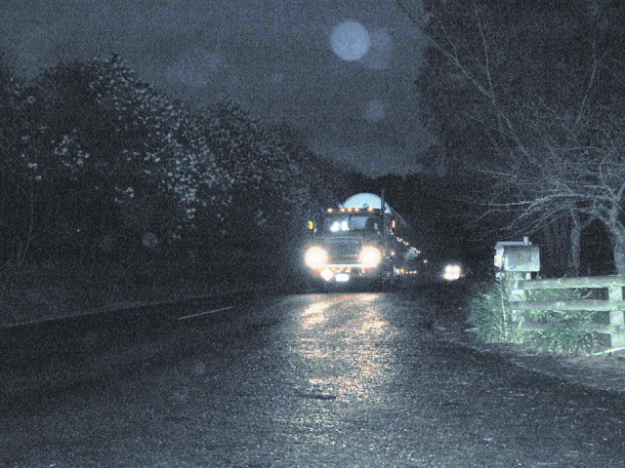
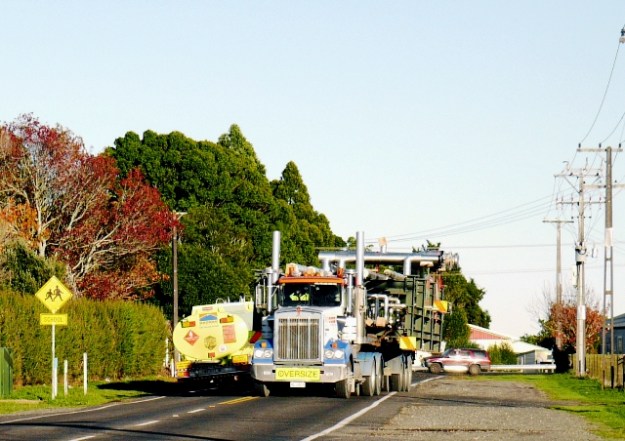
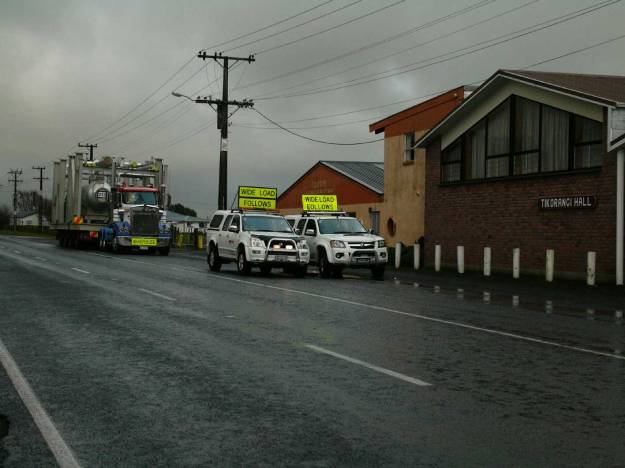
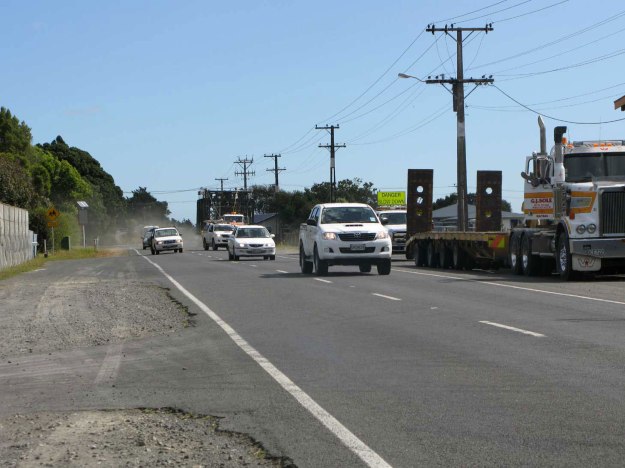
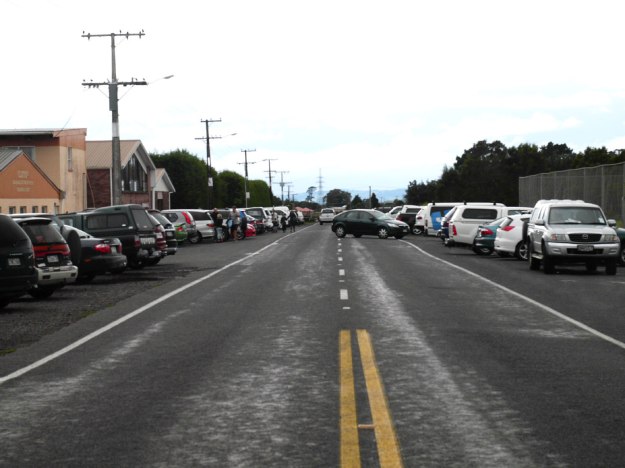
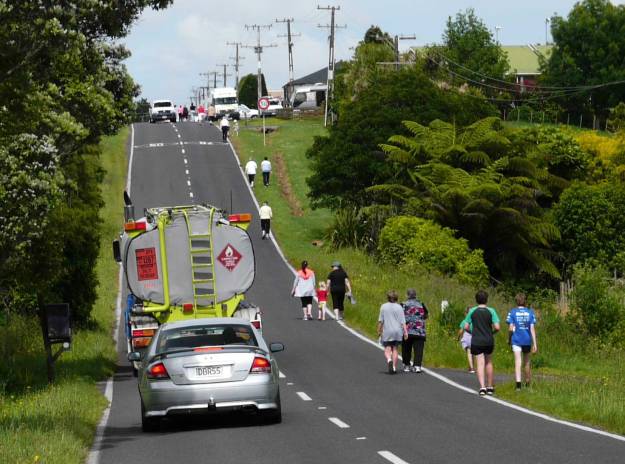
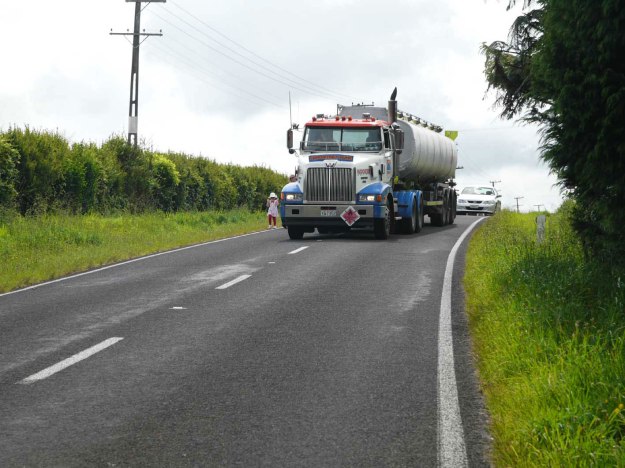
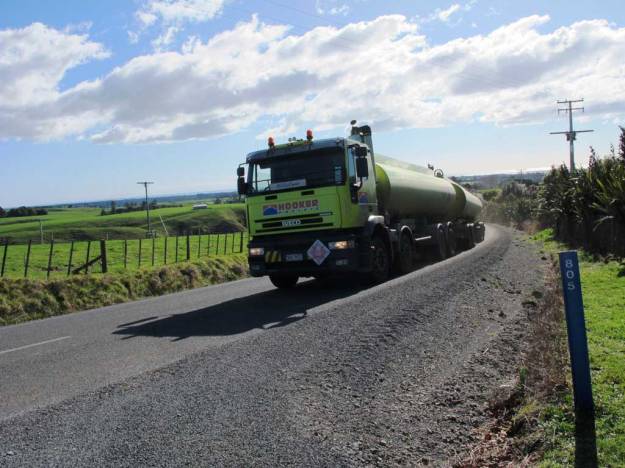 We protested modern road design with such step sides that nobody can ever pull to the side let alone walk, cycle or ride a horse alongside. We see this as a major loss of rural amenity.
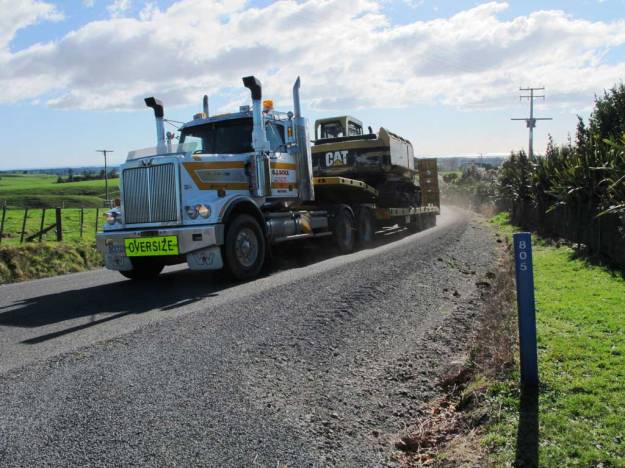 We tabled a concern that this type of hostile road design is incompatible with these roads being part of a designated cycle route. There is nowhere for bikes to go when challenged by frequent heavy transport.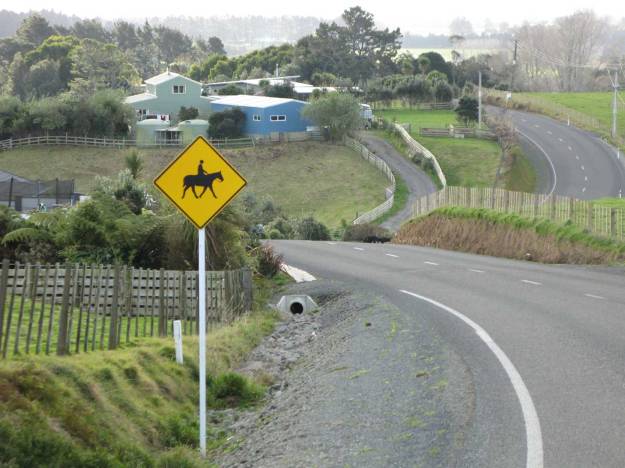
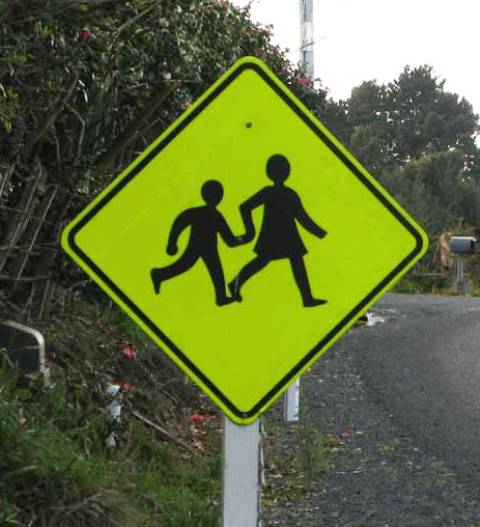 We asked that Council make every sign count. We have so many signs and road cones now that few people take notice. Children crossing signs where locals know no children have lived for decades, horse signs (above) where no horses can be ridden any longer and ever more company signs.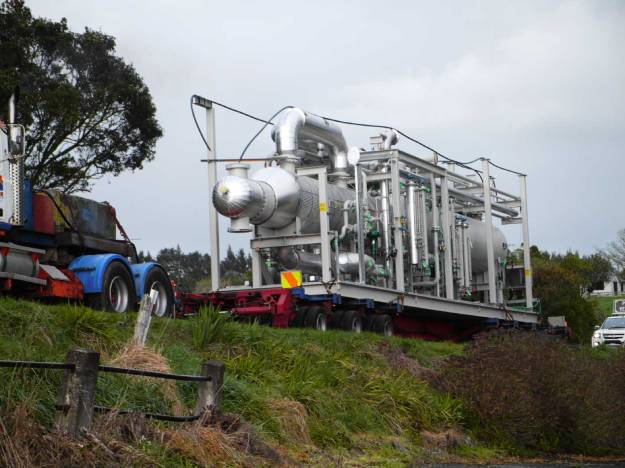
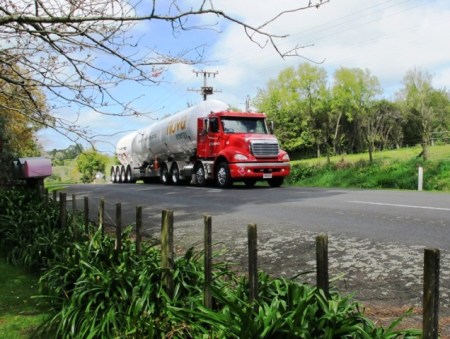 Oh there have been some jokes. Shame the newspaper photographer didn’t stick around to snap these men with a petrochemical tanker and trailer unit bearing down on them at speed from behind, more than one person said. Where are their banjos and rifles, another quipped. Goodness, even Jed Clampett and the Beverley Hillbillies have been mentioned. But what on earth made these men think it was all right to attempt to discredit me, then get into their vehicles to drive down and pose outside Mark’s and my place, resembling a Wild West posse? I can only assume they meant to look intimidating and confrontational when all they had to do was to pick up the phone and ask a few questions.
 Tikorangi The Jury Garden