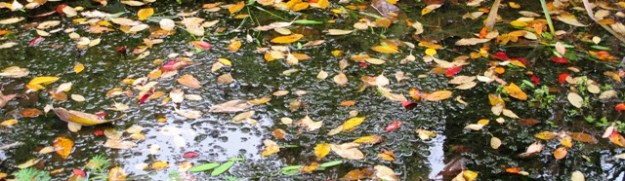
Autumn hues

012Autumn colour occurs when deciduous trees shut down the chlorophyll which is what makes most leaves green. It is chlorophyll which enables the plant to combine sunshine, water and carbon dioxide, making the simple sugars that sustain the plant (a process called photosynthesis). Once the green colouring disappears from the leaves, the other colours already in the leaf become obvious.
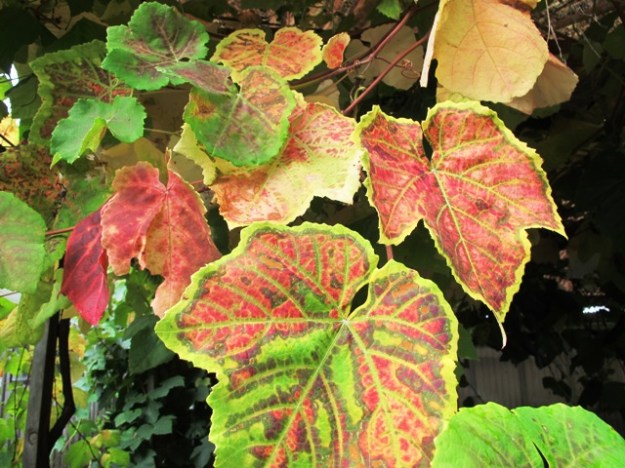
001 grapeYou can see in this grape leaf that the chlorophyll is still alive in parts, particularly the veins but other colours dominate in the body of the leaf. Not all grapes colour the same way. Our Albany Surprise grape becomes brilliant yellow, making it appear as if the sun is shining, even on a grey day.
002 prunusSome of our flowering cherries (prunus) turn yellow but this one is notable for its red colouring, caused apparently by anthocyanins which are what give the red and purple tones. Bright light in autumn helps the anthocyanins and bright sunlight is one thing we do well in most of this country.
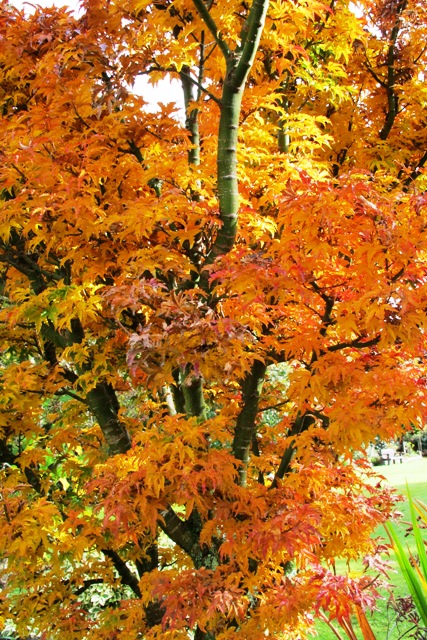
005 patio mapleMaples, particularly the Japanese varieties, are one of the most reliable plants for autumn colour and the brilliant hues occur even in milder areas where some other plants will just skip the colouring step and turn brown. What is more, there are many petite maples (often sold as patio varieties) which will fit in even the smallest garden.
004 taxodiumWe find the deciduous conifers colour well for us. This is a taxodium but the metasequoia and glyptostrobus are also good. However these are large trees, unsuitable for small urban sections. There are many smaller growing options like the koelreuteria or parrotia.
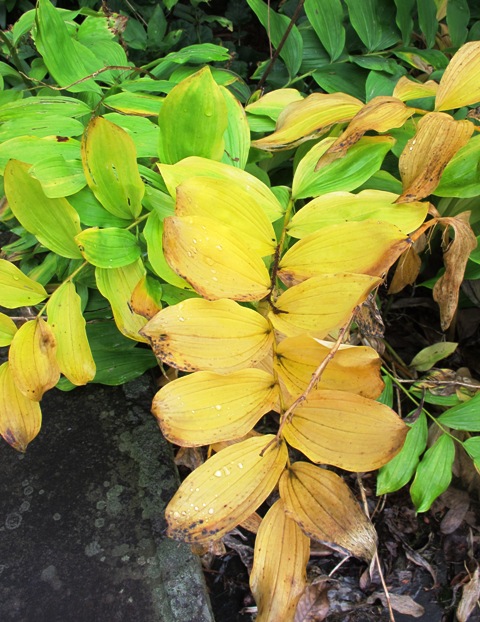
005 Soloman SealJust to prove it is not only the woody trees and shrubs that can flaunt their autumn raiment, Soloman Seal (Polygonatum multiflorum) grows from rhizomes below ground. A common enough plant which fills a role in semi shade conditions, it can startle with its golden foliage as it prepares to hibernate for winter.
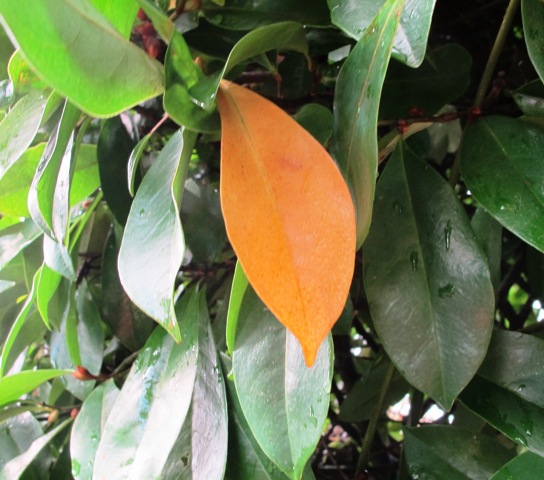
006 Fairy Magnolia BlushMany folk never consider that evergreen plants also drop leaves (do they think that foliage is permanently attached for the life of the plant?). All evergreens drop a full set of foliage every year. It is just that they don’t drop them all at once. However some plants, like this Fairy Magnolia Blush, have a tendency for some leaves to colour and then drop in autumn. It is not a bad sign, it is just part of the plant’s cycle.

First published in the Waikato Times and reprinted here with their permission.
Garden Lore

“America owes its 200 million starlings to the American Acclimatization Society which, under the chairmanship of New York pharmacist Eugene Schieffelin (eccentric or nutcase depending on your opinion), set out to introduce to America every bird species mentioned in the plays of Shakespeare. Shakespeare makes about 600 mentions of 50 different birds in his plays…. and starlings appear only once, in Henry IV, Part 1…. but it was enough to get 100 starlings released in Central Park, and the rest, as they say, is history.”

Ken Thompson Where Do Camels Belong? (2014)

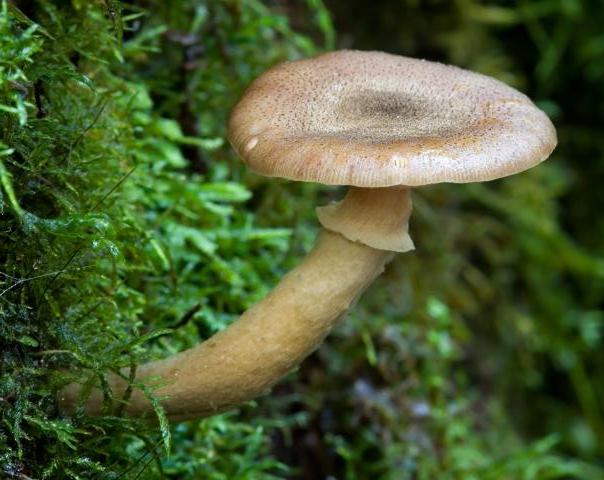
Armillaria hinnulea - one of three species we have in NZ (photo Wiki Commons)

Armillaria hinnulea – one of three species we have in NZ (photo Wiki Commons)

Garden lore: armillaria

In last week’s column, I said that few fungi will kill their host. Unfortunately one that can and does is the pesky armillaria. Generally this starts on dead wood but has an alarming capacity to spread below ground and take hold on perfectly good, growing plants. Armillaria is the main problem with cutting off woody plants and leaving the stump and roots where they are in the ground. If this fungus turns up as part of the decomposition process, you run the risk of it attacking the healthy plants around and once it has taken hold, you usually have to let it run its course over the next few years. It has been a significant problem in kiwifruit orchards where internal shelter has been taken out and stumps left behind.

Sometimes it is possible to get a stump grinder in or to manually dig out stumps. In other situations, we have to risk it and leave stumps to rot naturally. We appear to have three different types of armillaria in this country. These mushrooms develop a distinctive skirt on their stems below their caps, but by the time you identify that, the fungus has taken hold. The caps we see on top are little like the tip of the iceberg. It is the capacity to spread below ground that makes control very difficult, with long tenatacles called rhizomorphs. These are often described as looking like bootlaces, hence the term bootlace fungus. On the bright side, armillaria is apparently edible.

First published in the Waikato Times and reprinted here with their permission.
The fascination of fungi

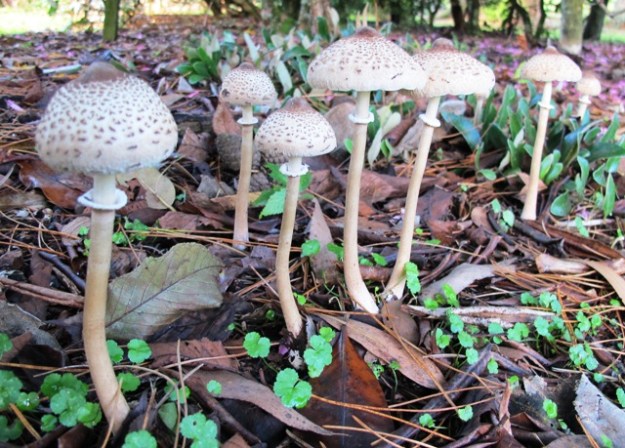
A parasol mushroom, though not, I think, the popular edible shaggy parasol

A parasol mushroom, though not, I think, the popular edible shaggy parasol

Fungi are very curious growths. Each autumn I find myself taking a few more photos of exotic looking fungi and wishing I knew more about them. It turns out that there is a whole lot to know about them – the potential for a lifetime of study, even. I lack the rigour let alone sufficient years ahead so I have to make do with random facts.

We have a culturally instilled fear of odd fungi in this country – anything other than field mushrooms really – and this even has a name: mycophobia. This may come from our predominantly British forbears although, curiously, it appears that the traditional Maori diet did not include fungi as a staple food. I even found an article which talked about “the new science of ethnomycology” which, lest you wonder, is the study of attitudes of different ethnic groups to mushrooms. Apparently the Russians are the greatest mycophages or lovers of mushrooms and they recognise over 90 different edible wild varieties*. If we lived in France, we would be able to pop along to our local pharmacist to have our foraged fungi identified but such expertise is rare indeed in our country and foraging is actively discouraged.

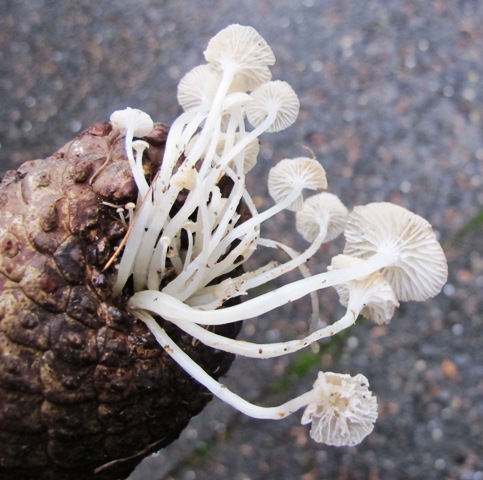
We have no idea of the name of this delicate fungal growth in the base of a pine cone

We have no idea of the name of this delicate fungal growth in the base of a pine cone

In fact very few wild fungi are scarily toxic. We have the death cap mushroom in this country but it is quite rare. That said, it has been recorded beneath oaks and chestnuts in both Hamilton and Cambridge. You have been warned! Amanita phalloides is common in Europe in their woodlands and even very small quantities are deadly. Apparently it smells quite sweet and can be confused with the straw mushroom which is widely harvested in Asia.

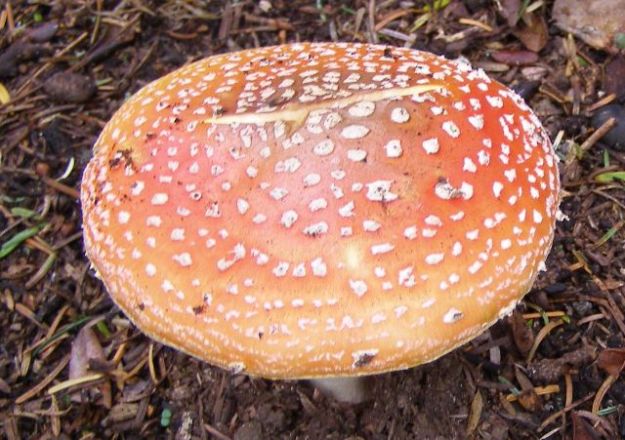
The story book scarlet flycap mushroom

The story book scarlet flycap mushroom

However the scarlet flycap or fly agaric (Amanita muscaria) is relatively common and we have it in our own garden here. It is one to be cautious around, certainly with children, because it has been immortalised in all sorts of ways from Alice in Wonderland to gnome gardens. My understanding of toxicology is nil but I suspect the hallucinogenic varieties are often categorised with the toxic ones. Certainly this one is hallucinogenic, as a number of fungi are. It may be toxic as well, though as its use has been traced back to Ancient Greece, it doesn’t seem to be fatal. The consumption of hallucinogenic mushrooms has a rich history through many cultures and religions and there are suggestions that controlled usage may have been a factor in some well-recorded religious visions.

The scarlet flycap is not what is commonly referred to as the Magic Mushroom in this country (it is much more anonymous in appearance) but I am not going to go into details on that one. The banning this week of synthetic highs may see a return to wild collections, with all the inherent risks.

I thought I had photographed the wood-ear jelly fungus (Auricularia cornea) but I couldn’t find it. It is a flabby grey affair, a bit like bull kelp in appearance and was the source of a thriving export industry to China, back in the 1800s. I think it is safe to assume that one is both easy to identify accurately and edible but I admit I haven’t tried it yet.

Common-basket stinkhorn (Ileodictyon cibarium)

Common-basket stinkhorn (Ileodictyon cibarium)

Given that I buy dehydrated fungi of both European and Asian origin for use in cooking, maybe it is time I overcame my cultural mycophobia and set about learning which ones are edible in my environment. Instead, I just enjoy looking at the brief appearances of a host of different fungi around the garden, most here being related to the entirely natural process of the eco-system and the cycles of nature. Just as very few are deadly poisonous, few too are those so pathogenic that they will kill their hosts. Most are beneficial and some are highly decorative.

No wonder Alice declared matters becoming “curiouser and curiouser” after nibbling on the scarlet flycap mushroom. It applies equally to the fascinating wider world of fungi.

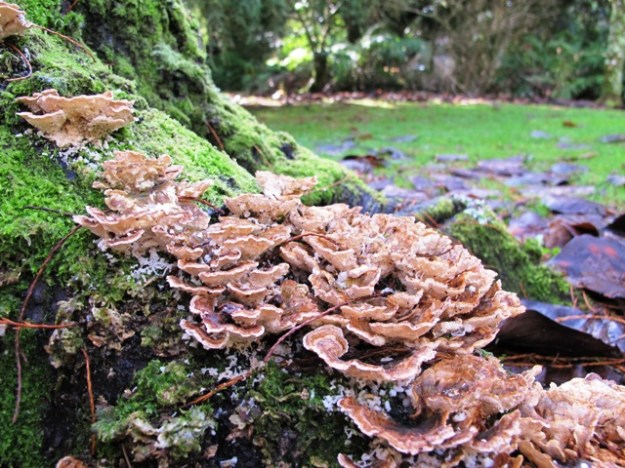
A bracket fungus, though which one we do not know

A bracket fungus, though which one we do not know

First published in the Waikato Times and reprinted here with their permission.
Plant Collector: Nerine pudica

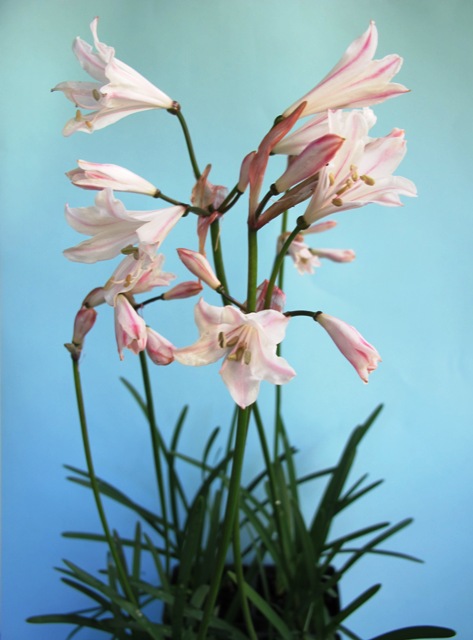
Nerine pudica

Nerine pudica

How pretty is little pudica? This is the first season I have seen it flower and it is a delight. The pointed bells are mainly white with a pink stripe down the centre of each petal and each stem has up to six flowers on it. It is a nerine which makes it a bulb, but it is a much smaller one than the more common sarniensis and bowdenii types. The foliage is also much finer and narrower. It looks more a mondo grass or liriope leaf.

N. pudica is a species, hailing from the western side of South Africa. The ever-useful reference “Bulbs for NZ Gardeners and Collectors” by Terry Hatch and Jack Hobbs tells me that it is one of the original parents of many of the modern hybrids. While showy hybrids have their place, there is often a simple charm in the original species. The ones in the photograph are still in pots. It will take several years before we can comment on how reliable they are as garden plants in the rockery but the requirements are the same as for other nerines – excellent drainage and full sun. I am hoping they will do well because it makes a pretty addition to the autumn bulb display.

First published in the Waikato Times and reprinted here with their permission.
Garden Lore

“Did you ever meet a gardener, who, however fair his ground, was absolutely content and pleased?…Is there not always a tree to be felled or a bed to be turfed?…Is there not ever some grand mistake to be remedied next summer?”

The Rev Samuel Hole (1819-1904)

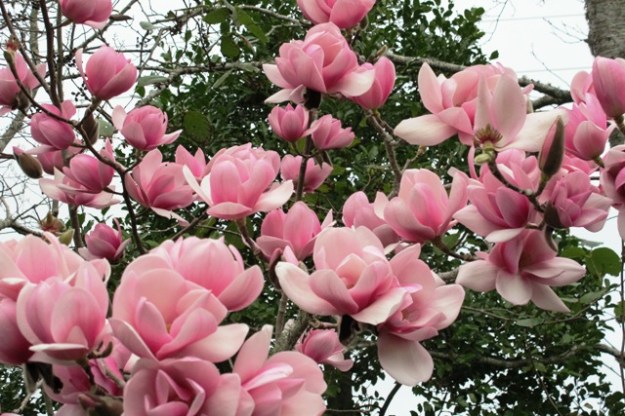
Magnolia Sweetheart (AGM)

Magnolia Sweetheart (AGM)

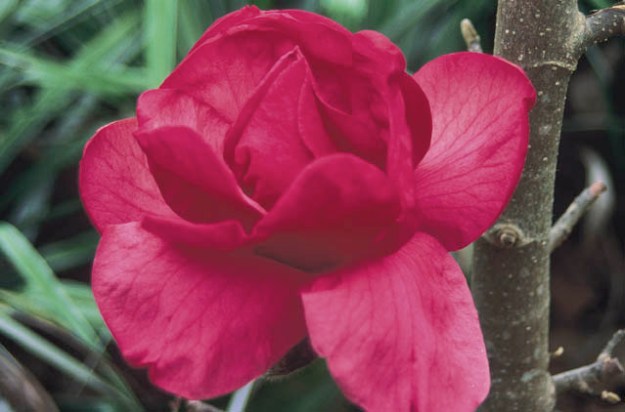
It was a nice surprise this week to discover that Britain’s Royal Horticulture Society has conferred an Award of Garden Merit (commonly called an AGM but not to be confused with annual general meetings) on our Magnolia Felix Jury. This is assessed on how it performs in UK conditions so it is not particularly relevant to NZ. Two of our flagship magnolias – Vulcan and Iolanthe – perform consistently well here but don’t like the cooler, greyer conditions over there. But any international recognition is gratifying.

Mark named the plant for his father, Felix, because it was what the latter had been aiming for in his magnolia breeding and it was only possible for Mark to achieve it by building on the work his father had already done. There are only four other NZ deciduous magnolias which carry an AGM. Athene and Milky Way are earlier hybrids from Felix Jury. Starwars was bred by the late Os Blumhardt in Whangarei and is still widely sold. We have seen it flowering in both Northern Italy and the UK and it looked better there than it does here, in our opinion. And finally, Sweetheart was raised by Peter Cave (formerly Cave’s Tree Nursery near Cambridge) and remains one of the prettiest small to medium-sized pink flowered magnolias that we know.

Magnolia Felix Jury (AGM)

Magnolia Felix Jury (AGM)

First published in the Waikato Times and reprinted here with their permission.