A very public garden

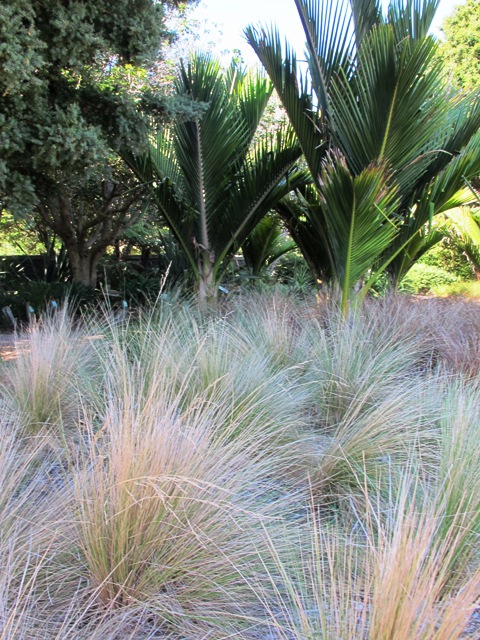
Shimmering grasses in the lightest of breezes.

Shimmering grasses in the lightest of breezes.

Monday this week found me wandering the Auckland Botanic Gardens in Manurewa. It is a few years since I have been there and I was curious to see if they were experimenting with ideas from the New Perennials Movement which I referenced in last week’s column. I felt sure they would be because the staff and management there are pretty innovative and on-trend. They weren’t, as far as this went.

No matter, there is always plenty else to look at. The Auckland Bot Gardens are still young. When you think about it, most botanical gardens go back a long way and have a backbone of very mature trees. I can remember when we first started to notice the new plantings from the motorway and how barren, windswept and inhospitable the site appeared. That was back in the early 1980s. There are easier sites to work with than this one.

Readers who have been to the famed Wisley Gardens south of London, may recall the background hum of noise from the adjacent motorway. That hum reaches a roaring crescendo when one gets to the trial grounds there. When I found the trial grounds (somewhat dominated by penstemons) where the sound track is the nearby Auckland motorway, I realised there are certain parallels between the Auckland Bot Gardens and Wisley.

It is not just the motorway noise, though. It is the very strong educative function that is threaded throughout that interested me.

Always a sucker for the ducks

Always a sucker for the ducks

Public gardening is a very different kettle of fish to private gardening and it has to meet many different needs. We have never forgotten Jack Hobbs, Director at Auckland, telling us that their extensive visitor surveys had just yielded the information that the single biggest reason visitors came was to feed the ducks. These days, lycra-clad exercise fiends may possibly have taken over the top spot but the gardens are there for a range of purposes – recreation, entertainment, education, plant conservation, even inspiration. I have a great deal of respect for those whose job is to keep all those threads together and still present an aesthetically pleasing, well maintained environment.
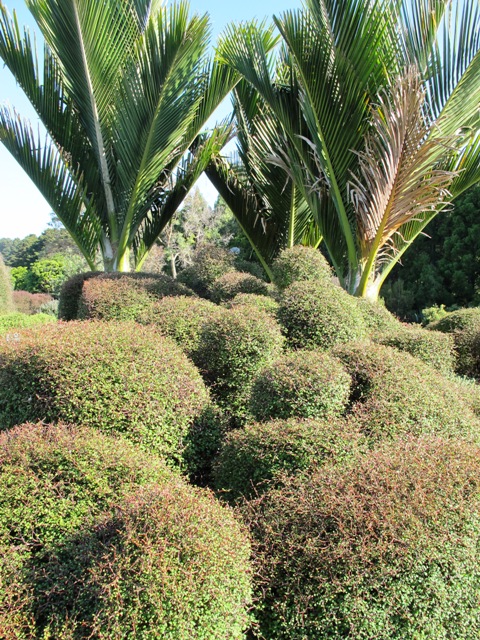
Clipped Muehlenbeckia astonii and nikau palms show native plants are not boring at all

Clipped Muehlenbeckia astonii and nikau palms show native plants are not boring at all

Personally, having found the perennial plantings pleasant but not all I had hoped for in terms of inspiring contemporary styles, it was the native plantings that brought a gleam to my eye. Here were ideas that take the use of native plants beyond the bush or forest context of the wild. The abstract shapes of clipped muhlenbeckia were nothing short of inspirational in terms of domestic gardening, as were some of the plant combinations. And the grasses in the children’s gardens set against nikau palms brought to life all I had read about the charm of movement when the lightest of breezes ripples through the fine foliage of these plants. It is time we shed once and for all those awful clichés about native plants being boring. Any plant can be dull or uninspiring in certain situations. It is how we use them in a garden or landscaping context that makes the difference.

Others may take more from the display area dedicated to trees suited to small urban gardens or maybe the environmentally friendly process of dealing with storm water run-off or the roof garden. There is the large rockery – more hot-climate desert than traditional rockery, rose gardens that I didn’t go too and plenty more. Some may even enjoy the large beds of garish red blooms – begonias, from memory. Gardens like these have to cater for all types and that includes dog walkers.

I politely admired two, elderly, plump chihuahuas (not corgis)

I politely admired two, elderly, plump chihuahuas (not corgis)

I have not mentioned the temporary sculpture trail. While I saw one or two pieces that I quite liked, there were others that I thought tacky (it’s a fine line to tread between whimsy and tack) and others that I felt did not enhance the environment at all. Sticking out like dogs’ balls came to mind but I am more interested in design and plants than ornamentation. Others feel very differently as evidenced by the enormous popularity of outdoor sculpture exhibitions.

Botanic gardens and leading parks are expensive to run without many means of cost recovery. But when you look at how widely used these urban spaces are, how many different roles they fill, at the often passionate attachments local residents have to their gardens, at the huge contribution they make to the quality of urban life, I guess most of us feel the costs are fully justified.

Ratepayers can get up in arms about many issues, but fortunately it is rarely about the cost of running these city gardens. Long may that last.
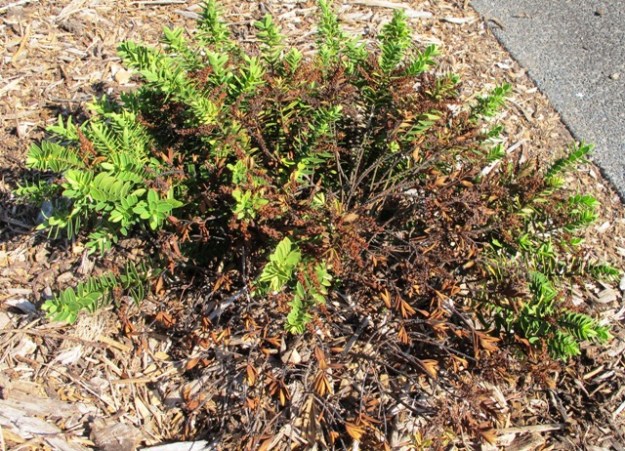
It is impossible to get everything right all of the time. The sign by this sad plant read “Better than box. Little leaves and lots of new growth from the base make Hebe ‘Wiri Mist’ a great little hedge.” I think not.

It is impossible to get everything right all of the time. The sign by this sad plant read “Better than box. Little leaves and lots of new growth from the base make Hebe ‘Wiri Mist’ a great little hedge.” I think not.

First published in the Waikato Times and reprinted here with their permission.
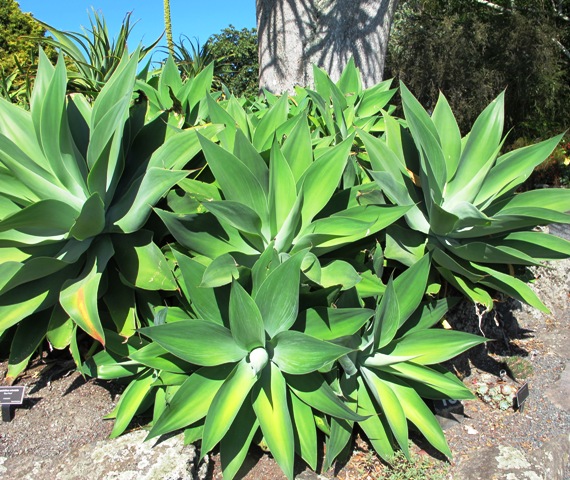
Plant Collector: Agave attenuata

Agave attenuata growing in the Auckland Regional Botanic Gardens

Agave attenuata growing in the Auckland Regional Botanic Gardens

I photographed this at Auckland Botanic Gardens because it was such a fine looking clump and not at all like our specimens here. This agave is Mexican so is always going to be happier with brilliant drainage, dry conditions and considerable heat. Our conditions are less than perfect so the plants tend to rot, fall over and resprout. We need to relocate them to an open, sunny, hillside and allow them space without other plants around them.

While now rare in the natural habitat, this is a very popular agave in cultivation partly because it lacks the vicious spines and needle-like tips of so many other members of that family. I assume the “attenuata” refers to the slender, tapering flower spike which starts more or less vertical before acquiring a tilt like a swan’s head, then pointing downwards to the ground from whence, according to the photos, it can then head upwards again. Ours have never flowered, so I have not seen this curious phenomenon in person.

Readers in frosty areas will probably only succeed with A. attenuata in pots and even then, they will need to be brought under some cover in winter. Even without flowers, the clumping, fleshy rosettes of foliage are attractive. Like many succulents, the plant increases by setting pups to the side.

First published in the Waikato Times and reprinted here with their permission.
Garden Lore

“Now that all the other many-hued flowers have scattered without a trace, the dead white head of the miscanthus remains alone in the fields until the end of winter. As it stands there so gracefully, not realising that it has entered its dotage, and bending its head as if in memory of past glories, it looks exactly like a very old person, and one cannot help feeling sorry for it.”

Sei Shonagon The Pillow Book of Sei Shonagaon (tenth century, translated by Ivan Morris 1967)

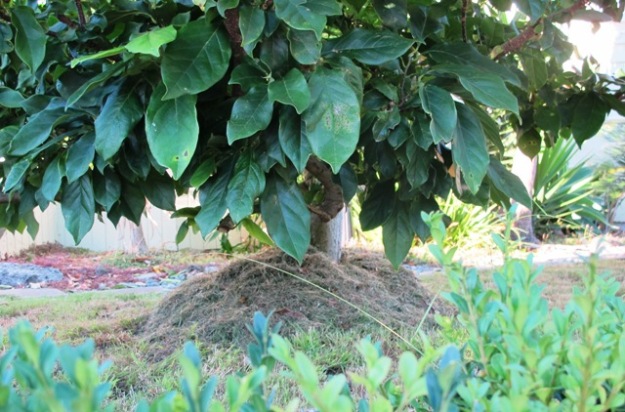
023Garden Lore: Mulching with lawn clippings
Naturally I stopped to look at this magnolia tree in a garden in Auckland. I was trying to work out if it was our Magnolia Black Tulip, bred here by my Mark. I think it was but I was so disturbed by the grass clippings beneath that I wanted to knock on their door and proffer advice. There is nothing wrong with using grass clippings as a mulch but with two provisos.

Most importantly, keep the clippings clear of the trunk of the tree. The main risk is opening up the tree to collar rot by encasing the trunk in warm, moist material. This enables fungal disease to get in, damaging the outer tissue of the stem or trunk. This can be fatal over time and the tree is likely to show damage by dying from the top down.

Keep the clippings to a relatively shallow depth, maybe 10cm. Grass can generate quite a bit of heat as it starts to compost and few plants appreciate their roots and trunks or stems being heated. In this case, I think they have the grass clippings piled on much too deeply and they are probably adding to them regularly. At the very least, clearing a breathing space of a few centimetres around the trunk would be good practice to avoid potential problems. Prevention is always better than scrambling to find a cure when one suddenly realises the tree is looking sick.

First published in the Waikato Times and reprinted here with their permission.

Plant Collector: Streptocarpus

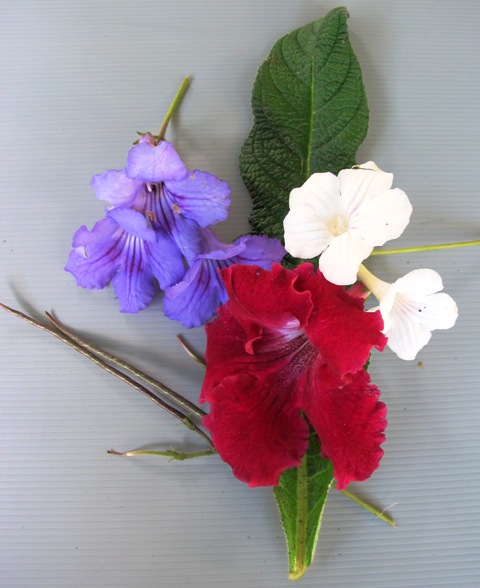
Streptocarpus hybrids - woodland bedding for mild climates

Streptocarpus hybrids – woodland bedding for mild climates

Not much shouts “mild climate” louder than using streptocarpus as bedding plants in shaded areas of the garden. That is because they are seen as conservatory plants in the temperate gardening world and few think to use them outdoors. They won’t take frost or very damp conditions, but they can withstand cooler temperatures.

The flowers are what is described as salver-shaped and sit above the foliage, usually in clusters. These will be hybrids, not the original species which grow in shady spots throughout quite large parts of Africa. A distinctive characteristic is the thin, spiral seed heads. Brittle leaves can get damaged easily, as well as snapping off but they also root easily from leaf cuttings so try replanting entire broken leaves. The root system is small and shallow, which means that it is not difficult to lift and divide established plants.

In a garden situation, we don’t get the quality blooms that are possible under cover but we do get months of flowering. If you don’t have a frost free, shaded garden position, these are still worthwhile plants to try indoors but keep them out of full sun.

Streptocarpus belong to the Gesneriaceae family. The best known members of this family are probably the touchy but very pretty African violets which are widely sold as house plants in this country. You may also recognise a similarity to what we often refer to as gloxinias – though it appears that the common gloxinias are not. Not gloxinias, I mean. They are more likely Sinningia speciosum, which I am unlikely to remember.
061
First published in the Waikato Times and reprinted here with their permission.

Garden style

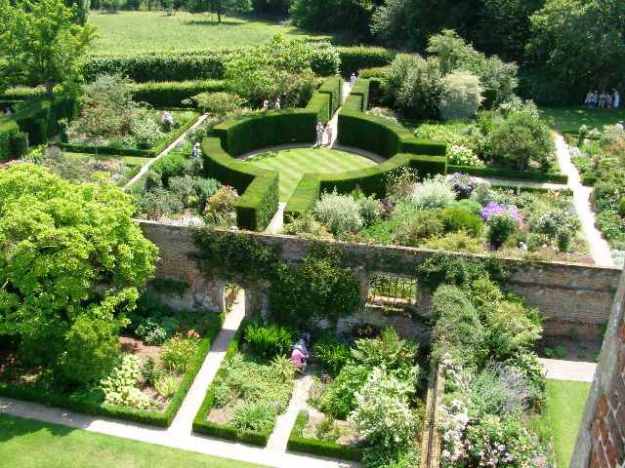
Sissinghurst of course - the inspiration for many, many gardens in NZ. Too many.

Sissinghurst of course – the inspiration for many, many gardens in NZ. Too many.

Truly, it is difficult to be original in the garden. Oh, there can be the odd touch of whimsy or indication of flair but generally it has all been done before. Somewhere. The skills lie in how you put the ideas together and manage it all. It is a bit optimistic, grandiose even, to consider that you can come up with some brilliant concept that nobody has thought of before. But that is all right. We are all in the same boat.

We had a small British gardening tour through last week. Not all garden tours are equal by any means and we particularly enjoyed this one. They were both knowledgeable and enthusiastic, giving us as much stimulation as we hope we gave to them. We have a huge debt to British gardening traditions in this country.

I have looked at Italian gardens but they are more about design, space and hard landscaping (and wealth) than gardening as we know it here. The plant interest is minimal. But should an Italian stonemason want to enter your life, do not turn him away. There is a history of magnificent stonework in that culture.

More about wealth, power and lifestyle than plants - the Alhambra in Spain

More about wealth, power and lifestyle than plants – the Alhambra in Spain

Southern Europe has a pretty difficult climate. If it is not hot and dry then it is cold and dry. So the historic gardens of Spain and Portugal that I have seen were also about wealth and power. Their hallmark is magnificent hard landscaping and good design but they too, are light on plants.

Japanese gardening is one that exists in something akin to a bubble all of its own. It is deeply steeped in symbolism, tradition and contemplation. I admit I have not been to Japan so I don’t know much about the modern gardening trends, but from afar it appears that the old traditions remain dominant. They seem to be relatively immune to the eclectic cobbling together of ideas from around the world that most of us do.

We have drawn upon Asia for the tropical gardens, so fashionable at the moment. I wrote about the hotel-style gardening in the middle of last year.

I understand our preoccupation with lawns and the high value placed on the dreaded “kerb appeal”, in real estate speak, have a debt to USA but those are questionable contributions to our gardening heritage here.

In fact, large parts of the world do not garden at a domestic level as we do. In some cases it is lack of physical space – or any outdoor, private space at all in heavily populated areas. In other cases, the conditions are just too hard. If your ground is set like concrete and it is alternately too hot and then too cold to be outside, the motivation must flag.

If you look at Britain, you can see a gardening ethos that is very close to our own. It is probably no accident that while their conditions are nowhere near as easy as ours, nevertheless it is a relatively mild climate. Being islands, the sea has a tempering effect and they lack the extremes of temperature and near absence of rain that many other countries experience. Many of the great and intrepid plant hunters originated from Britain and they have always put a high priority on plants – new plants, varied plants, plant combinations, entire collections of a single plant genus. Gardens are expected to have a high level of plant interest, not just grand design. Even what we would regard as the great gardens of last century (the likes of Great Dixter, Sissinghurst and Hidcote) are still essentially domestic gardens in their origin. These are less a statement of power and wealth and more an example of gardening obsession.

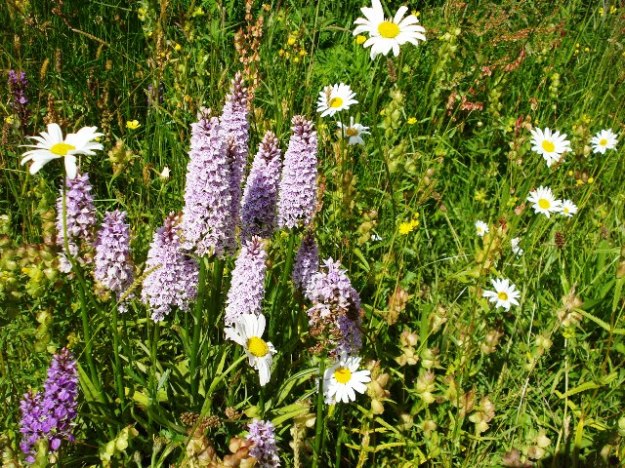
Meadow gardening and a return to a more natural style is evident in UK gardens, less so here.

Meadow gardening and a return to a more natural style is evident in UK gardens, less so here.

So it is curious that we have only adopted a few key garden styles from that country – notably cottage gardening, mixed borders and the Sissinghurst garden rooms’ genre. We have been very slow on the uptake when it comes to what is now called the New Perennials Movement and just as slow on the dialogue they have been having in recent years about a return to a more naturalistic style of gardening. When I say slow on the uptake, I mean I have not seen anything at all in our gardening media and few of the colleagues I have talked to even know what these mean.

Yet I have heard it described by UK garden expert Carol Klein, as “the most influential garden movement in Britain in the last 15 years”. Mind you, the term New Perennials Movement, appears to be of recent usage only and it brings together the apparently disparate threads of naturalistic, meadow, grasses and prairie gardening that we noticed on our last visit there in 2009. Much of it was still seen as pretty avant garde then. Maybe it has bedded in better now.

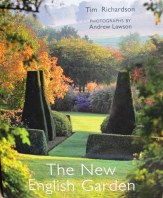
069 (2)In the meantime, “The New English Garden” by Tim Richardson, published by Frances Lincoln, is more than a coffee table book. The sumptuous photographs and presentation are complemented by an intelligent and discerning text. Perhaps the problem is that we New Zealanders are still visiting only the most famous gardens and the existence of a whole new style has so far bypassed us. We are heading back this June to have a closer look.

First published in the Waikato Times and reprinted here with their permission.