 Mid spring brings us vibrant clivias in bloom. The ”contemporary” or “landscaped” look is to block plant in a single colour so you may have a swathe of orange clivias with the yellow ones segregated in a different area. This is not our style, in a garden where we strive for far more of a naturalistic, woodland look – “enhanced nature” seems to be the latest descriptor for this style though it is not a term you are likely to see me using often. We like to blend our plantings and combine the clivias with ferns, astelias, bromeliads and any and all of the other plants we use as the understorey in our shady areas.
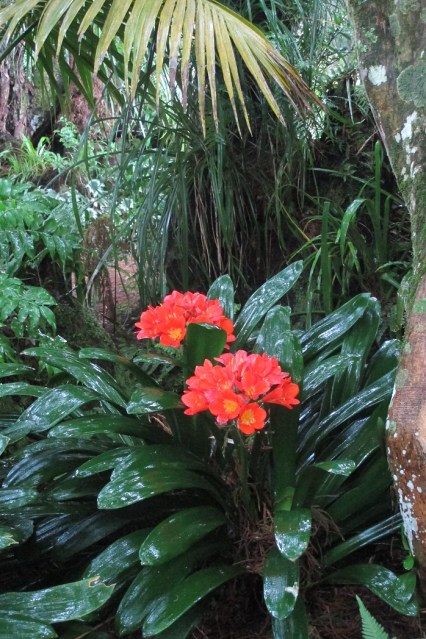 This completely confused a self-described Auckland landscaper I once took around the garden. This must have been back in the 1990s when ambitious but unqualified young people who, in a previous generation would likely have done an apprenticeship, discovered they could earn more money by dispensing advice and services to the growing wealthy of our largest city. He patronised me all the way around the garden – landscapers, you understand, rated themselves further up the social scale than mere gardeners – and at the end pronounced his surprise that we didn’t grow any clivias. I may have a been a little tart when I pointed out he just hadn’t noticed them, for they are there in abundance.
Clivias are one of those plants that attracts aficionados and there is a club dedicated to this passion . I am not sure what these people are called – cliviaphiles (in the manner of snowdrop nuts who are called galanthophiles?) or would they be the less classy cliviaholics? Whatever, it is in part these clivia enthusiasts who are bringing us the expanded range, particularly in colour.
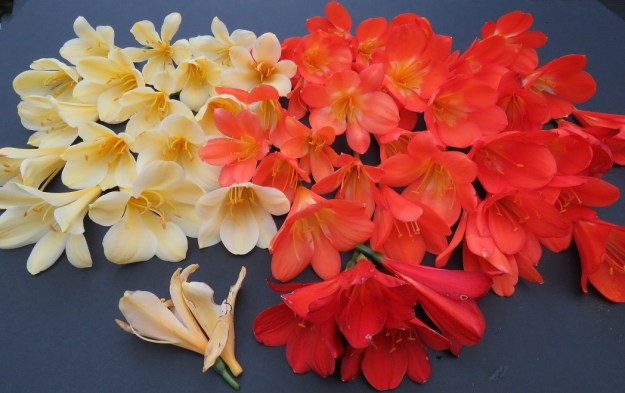
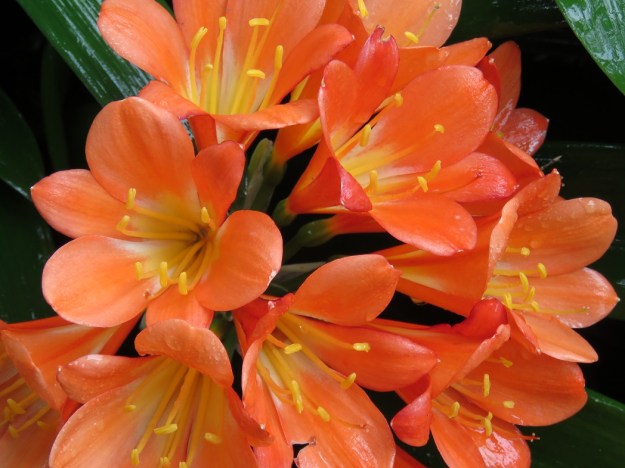
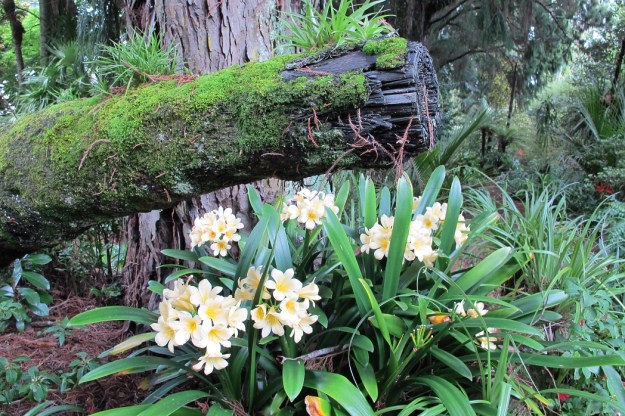 The soft yellows are still a recent introduction but already widely grown, readily available and making a huge contribution in gardens. Extending the colours into peach tones is well underway and of late the combination of white and green in clivias represents another development. One can, when all is said and done, have too much orange in the garden (NABOC syndrome – Not Another Bloody Orange Clivia) whereas the option of other, softer shades can bring welcome variety and interest. If you covet red clivias, you need to be aware that they open orange and age to red. Do not be like the gardener I heard of who bought a swag of large red clivia plants at considerable expense. When the first ones opened orange, she dug them all out.
 Considering the easy care nature of clivias, you may wonder why they are often relatively expensive to buy. It is all to do with time because they are slow to get established and to reach flowering size. In these days of instant gratification, most gardeners want plants that will perform and be showy in the garden from day one. In the case of clivias, be prepared to pay because it costs nurseries money to hold slow growing plants much longer to reach saleable size.
Clivias are easy to lift and divide if you have a big enough clump, although it will take a few years for smaller divisions to re-establish and reach flowering size. It doesn’t seem to matter what time of year you do it, though it is advisable to avoid the heat of summer. They are under storey plants in forest or bush so well able to cope with both low light levels and root competition. We can vouch for their ability to grow away even if you just spread the roots out on top of the ground and cover them with a thin layer of soil or even leaf litter. What they won’t take is wet feet or frost. They were not named for Clive of India, as I assumed. Apparently it was for Queen Victoria’s governess, the Duchess of Northumberland whose maiden name was Charlotte Clive. I don’t think she would ever have grown any in a Northumberland garden.
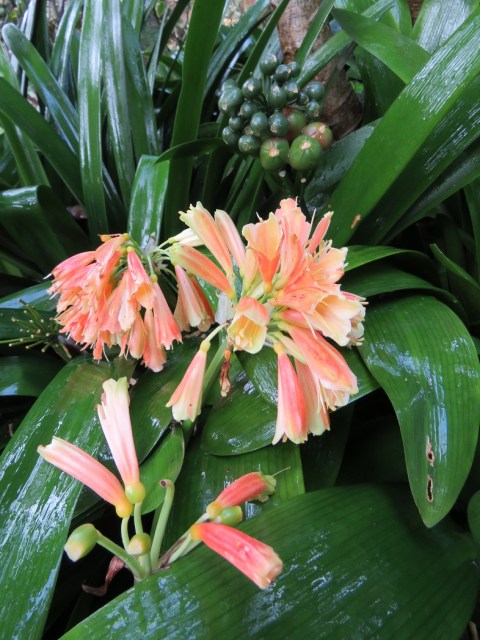
Clivia gardenii
There are only six different species of clivias and some hybrids between these – called inter-specifics – but the showiest one that is most commonly seen in gardens is C. miniata. Most of the others have flowers in the form of tubular bells that hang loosely from the stem whereas miniata has bigger heads of clustered flowers in a truss form. If you have clivias in your garden you may have noticed that they set seed quite readily. You will have more success if you pick the ripe seed and sow it in seed trays. It is handy to know that orange and red clivias set red seed whereas yellow clivias set yellow seed. They also cross freely amongst themselves so you will get variation, though not all will be uniformly good.
To the vexing question of whether the pronunciation is cliv-vea or clive-ea, we go with the latter but I have heard NZ enthusiasts use the former.
First published in the October issue of NZ Gardener in more or less the same form (slightly less, in this case).
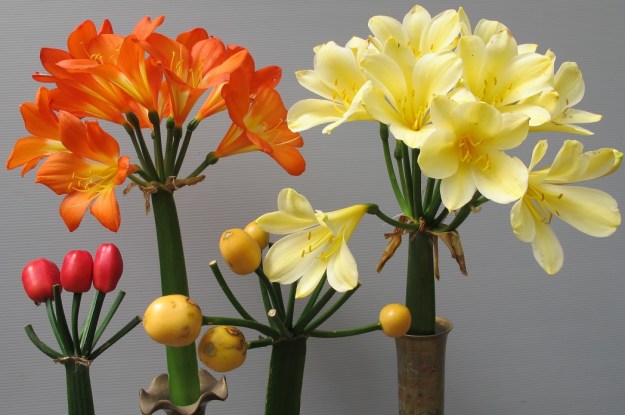
Orange seed will flower orange or red, yellow seeds will flower yellow

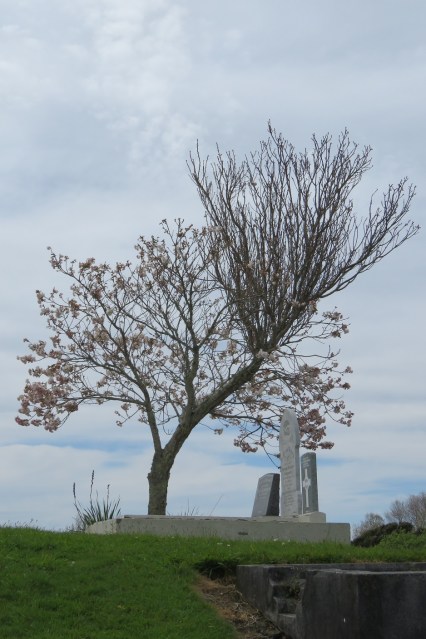
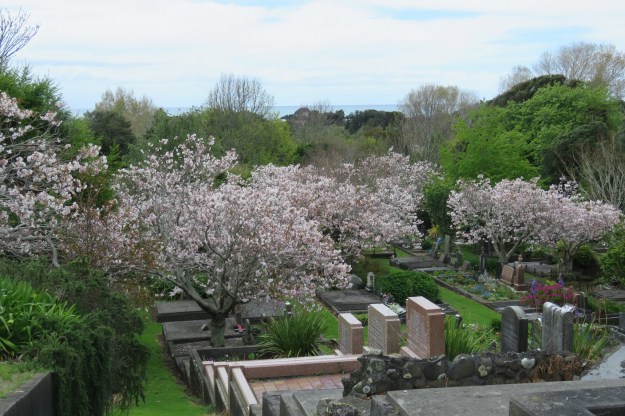


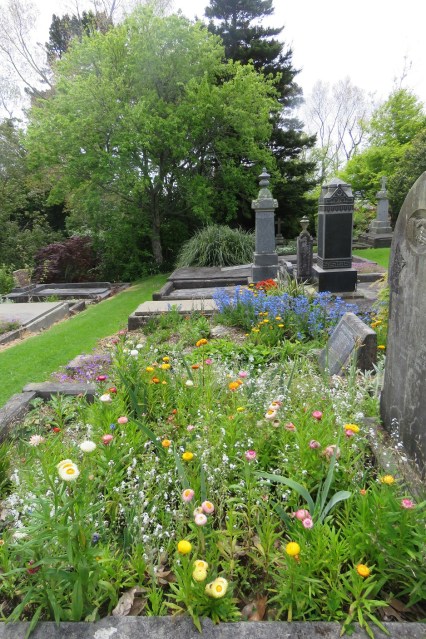
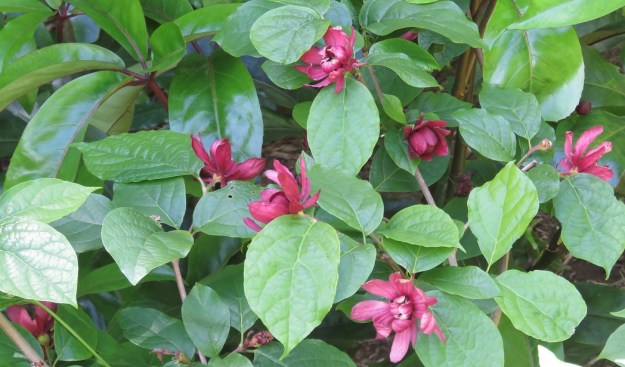

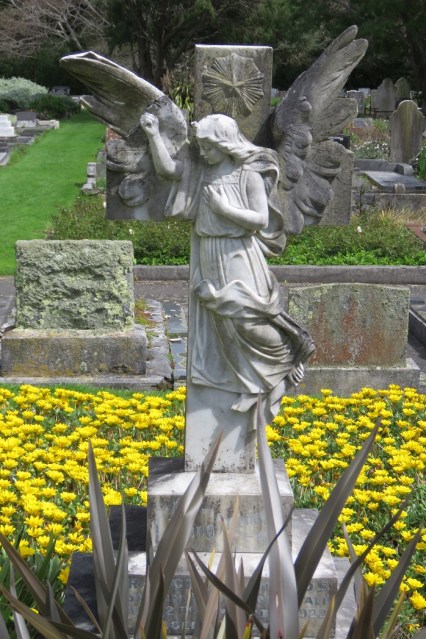
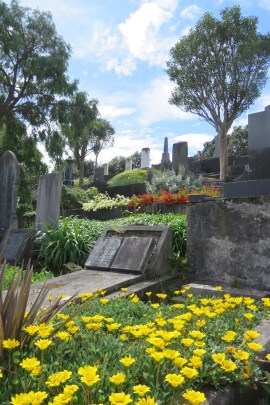
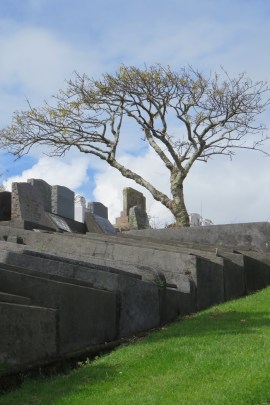
 Somebody, or probably several living bodies, must have lavished a lot of love and care on this section of the graveyard over many years. It was so well done and individualised that it did not have the look of institutional management. Nor indeed of relying on family or descendant management of individual graves – though there were some examples of these.
 It was the wide range of plants used, the attention to detail and the many delightful little pictures that were created as a result, the careful colour toning in some areas and the soft-edged maintenance that made me think it was not chance that created these scenes. Many are created as individual small gardens for a specific grave. I could not help but notice that the space of an individual grave back when the 1800s turned into the 1900s was considerably larger than a modern grave; family plots were larger again.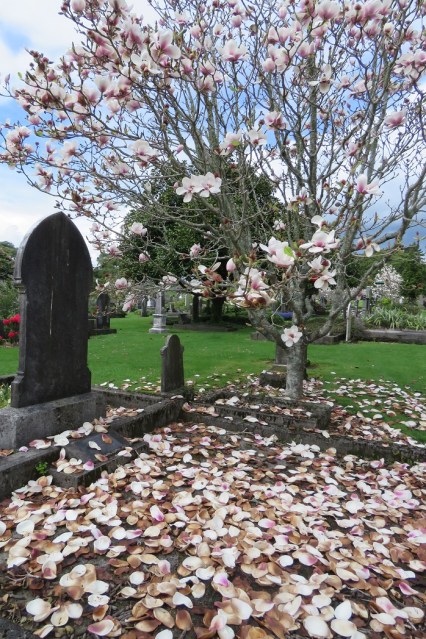

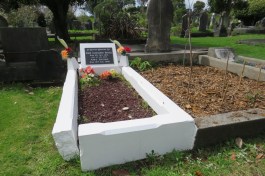
 For spring scenes, the cemetery was unsurpassed. I must go again in summer and see if the secret hands have wrought similar magic into the next season.
 If you are on Facebook, I have posted an album of additional photos to our