Tag Archives: gardening

Plant Collector: Hippeastrum papilio

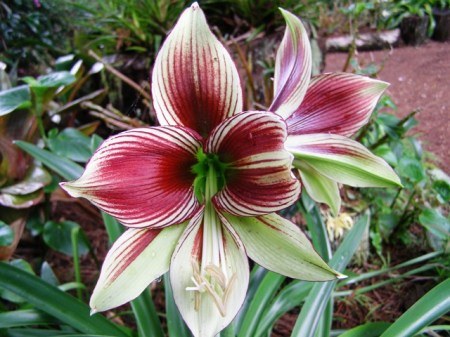
The exotic looking Hippeastrum papilio

The exotic looking Hippeastrum papilio

Papilio is Latin for butterfly, though it would be a pretty spectacular butterfly to rival this lovely bulb from Brazil. I think it is more orchid-like in its markings and colouring of burgundy, green and cream. In fact it is positively exotic and is a showstopper if you can get it flowering in the garden.

Hippeastrums are often misnamed as amaryllis. They belong to the Amaryllidaceae family but that does not make them amaryllis – that would be like saying parsley is the same as carrot because they come from the same botanical family. H. papilio is a species (which is as it occurs in the wild) although much hybridising has been done within the wider hippeastrum family to get spectacular named cultivars for showy pot plants. It grows from large bulbs and there are usually two flowers to each stem, each bloom being about 18cm across and held up well, without needing support.

The biggest problem here is the dreaded narcissi fly which lays its eggs at the base of the leaves. The larvae hatch and burrow down, eating the bulb from inside out. For this reason, we grow H. papilio as a woodland plant in a raised bed rich in humus. The narcissi fly seem to prefer the sunshine. The raised bed means excellent drainage which solves the other problem which is the bulbs rotting out in wet and cold winter conditions. We find it is largely evergreen here, keeping its foliage all year in normal conditions.

The bulbs are large and slow to increase so best left undisturbed for several years. H. papilio is sometimes offered for sale in garden centres but be prepared to pay a fair amount for it because it can take several years to get the bulb to flowering size.

The other hippeastrum species that we have great success with in the garden here is the beautiful winter flowering H. aulicum, also from Brazil.

Grow It Yourself – Parsley

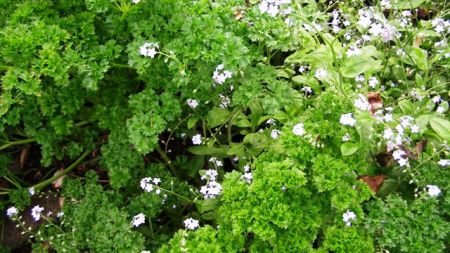
The parsley patch - naturalising nicely with the pretty but weedy forget-me-nots

The parsley patch - naturalising nicely with the pretty but weedy forget-me-nots

I am a huge fan of parsley. If you have a good big patch of it in the garden, you are never without a green veg, a garnish, a flavouring and a basic ingredient for all season pesto. Chop it through pasta, serve a thick layer on soup, use abundantly in coatings for foods – the options for use are numerous as long as you have plenty available. It is particularly useful in the depths of winter when you may have a shortage of other fresh greens. And you can feel virtuous because it is full of goodness if you eat enough.

The critical aspect of ensuring that you have an uninterrupted supply is to get it established two years in a row because this is a biennial plant. In its second year, it will set seed and die. As long as you leave at least one plant to go to seed, parsley can naturalise itself and pop up gently throughout the vegetable garden or even in the flower beds. Once you have established it two years in a row, it should continue under its own steam as long as you let some of the seedlings grow and are not too vigilant on the weeding.

There are two types of parsley – curly leafed (which is arguably more flavourful and easier to chop) and flat leafed Italian (which is allegedly sweeter and is certainly more trendy in modern recipes). Both grow in the same conditions so you can have either or both. Parsley is usually started in the first instance from seed. Be patient. It can take several weeks to germinate. While it is starting, it needs to be kept moist so if you are planning on sowing some, start before the dryness of summer. After that, just let it grow and start picking. It does not require any care and is generally free from pests and diseases.

First published in the Waikato Times and reproduced here with their permission.

Cordyline Red Fountain receives high praise in Australia.

Cordyline Red Fountain and Mark Jury

Cordyline Red Fountain and Mark Jury

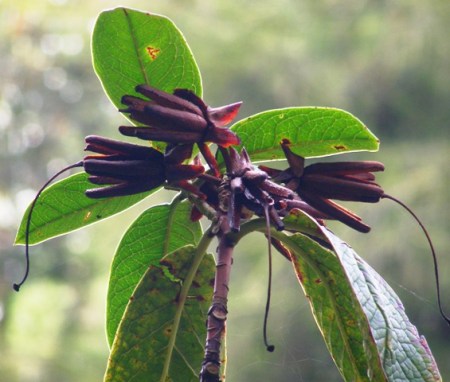
Gardening Australia, the top rating magazine and TV show, has named Cordyline Red Fountain as one of the top twenty new introductions in the last twenty years. It was the first of a new generation of clumping cordylines which does not develop a trunk allied to deep burgundy colouring. The hybridising was done by the late Felix Jury at Tikorangi in Taranaki and the plant was raised by his son, Mark Jury. It is widely available in garden centres both in New Zealand and overseas.

In the Garden: November 4, 2011

The start of a new fortnightly series first published in the Weekend Gardener and reproduced here with their permission.

An easy method of killing unwanted moss

An easy method of killing unwanted moss

With our garden festival currently in full swing (now styled the Powerco Taranaki Garden Spectacular), all our efforts in the garden have been on presentation for the most important days of our garden visitor year. We call this garden grooming – a bit like giving your car a valet treatment. It doesn’t last long but it looks great in the meantime. When it comes to the lawns, we have made a deliberate decision to avoid chemical use where possible, both for weed control and fertilising. We use a mulcher mower, an edger and we hand dig flat weeds. As long as the rest is comprised of small, fine leafed green plants which mow well, we are willing to live with a mixed colony rather than just rye grass and fescue. At least our lawns are not toxic.

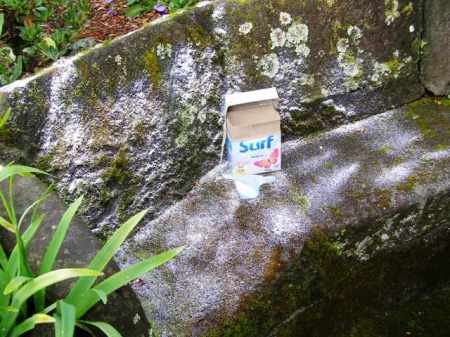
We don’t worry too much about moss in the lawns – it occurs most in shade where the grasses struggle. And if we were Japanese, we would revere the moss. But with our high rainfalls and humid conditions, we get a lot of moss growth on paths, brickwork and stonework. Often I will sprinkle soda ash (which is simply powdered washing soda crystals available from bulk bins) which kills the moss overnight. Indeed, cold water washing powders work equally well though I have found the leading brands are better than the budget brands – perhaps they have more water softener in them. Our chemist daughter reassures me that there should not be any problems of toxicity in using soda ash or washing powder to kill moss though if you get too carried away over time, you will be altering the pH of your soils because they are alkaline. I have experimented on grass and it kills moss without harming the grass. Do not do as someone I know – use so much that when it rained, his entire lawn foamed. The moss dies but does not disappear so you have to rake it out of lawns and brush it off hard surfaces.

Rhododendron seed head, missed from last year

Rhododendron seed head, missed from last year

Top tasks:
1) Deadheading rhododendrons. While conventional wisdom is that all rhododendrons including vireyas need deadheading, in fact only those that set seed need it. Setting too much seed can weaken a plant and even cause it to die over time. The others just look better for having it done.
2) Mulching garden beds. There is no point in mulching dry soils so we like to get it on before summer. We mulch frequently with homemade hot compost mix which means we rarely need to fertilise garden borders.
3) Getting the planting out of this season’s trees and shrubs completed. November is getting late for this but we soak all root balls thoroughly and can generally rely on regular rainfall here in North Taranaki.

Grow it Yourself: dwarf beans

Variously called dwarf, green or French beans, these are an easy and reliable summer crop for the home gardener, even more so if you are willing to plant in succession to ensure continued supply. They are a staple in our garden and kitchen. The first crop has been sown and we will continue to sow another double row every three weeks until the end of February.

We sow the bean seeds about 10cm apart, with side by side rows as close together as 20 to 25 cm. Cover with about 3cm of soil. They do not require staking or a frame to climb on. Beans are a reasonably hungry crop because they grow quickly with plenty of leafy growth. Being a legume, they do not require nitrogen but a mulch of compost feeds the soil and stops the roots from drying out. They may need watering in summer – excessive dryness will affect the crop quality and quantity. Pests and diseases are minor and rarely require attention. You can expect to start harvesting from about eight weeks onwards so a crop sown now will be ready for picking in early January.

The favoured varieties here are Top Crop and Chef’s Choice. We are not so keen on the butter beans but they are just as easy to grow. The attractive Borlotti Fire Tongue Beans have to be eaten very young or allowed to mature and used as dried beans. The stage in between is not so nice. There is some debate about whether green beans are safe to eat raw – we err on the conservative side and lightly blanch them.