Goodness gracious me. I see I last posted on October 4th and that is probably my longest silence yet on this site. Sometimes life can get in the way of writing and sometimes I feel there is nothing left to say that I have not said before.
This weekend is a busy one for us with three overseas tours booked in. We had the Australians on Friday, the British are due in today and the Americans tomorrow. We don’t open our garden much any longer; it is not easy to get into these days. But we do accept the occasional specialist group or overseas garden tour. We only offer one option now – a personally guided tour which includes morning or afternoon tea and a duration of two to two and a half hours. It alters the whole dynamic of visiting groups when we personally host and share food and drink – in Aotearoa New Zealand, this is known as manaakitanga. We want to enjoy the experience as well as trying to ensure the visitors do. I do not miss the days when tour groups would pour off the coach, be pointed in the right direction and then waved goodbye after 40 minutes.
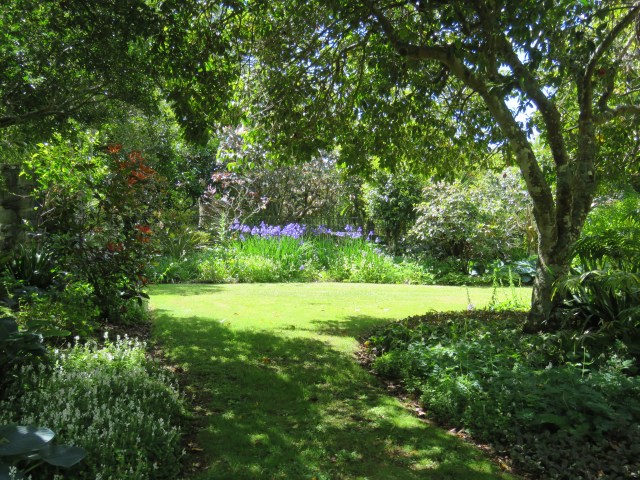
As we titivated the garden to opening standard, I pondered the different levels of garden maintenance and presentation. The most demanding level for us was when we opened for the Taranaki Garden Festival. This is because everywhere has to be up to opening standard. Left to their own devices, visitors will wander all over the place. Who doesn’t want to see what is behind that fence or where your service areas are? Indeed, in the early days of the festival there were a few visitors who would shamelessly wander into the house to check it out too. Manners and respect have improved in the years since. But there can be no messy bits, unless they are cordoned off and out of view.

Guided tours are different because we get to chose the route and lead the way. In a large garden like ours, it is possible to skirt around sections that are not looking their best or to alter the route to see something interesting on the day. It certainly makes it easier to present the garden and, while some may drop off the back of the group, they generally play follow the leader.
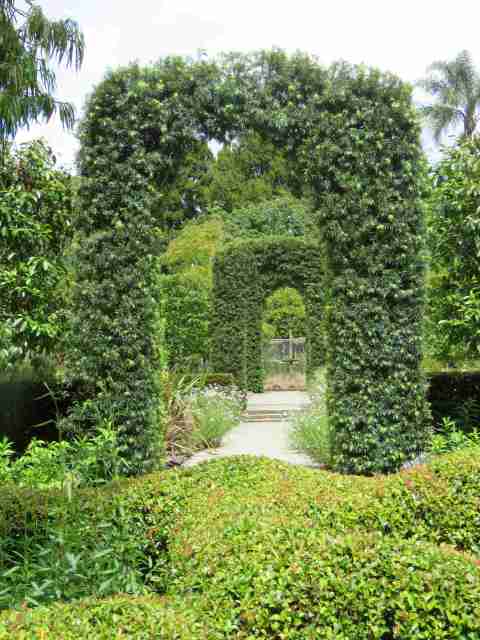
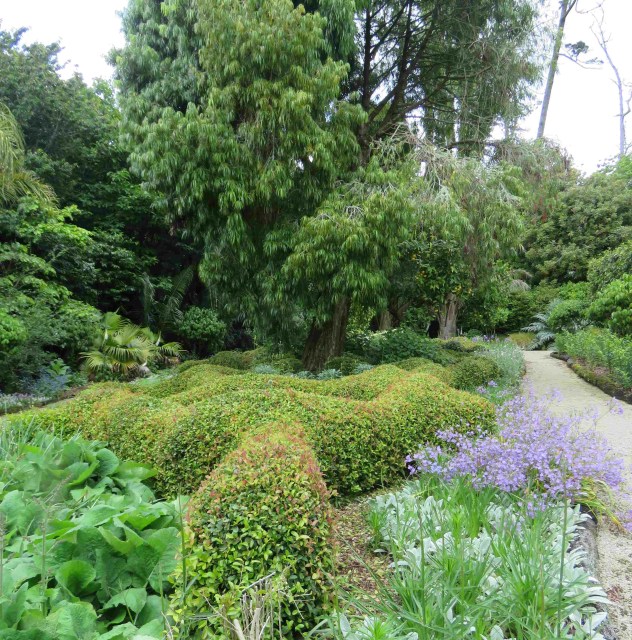
Then there is the base-line level of maintenance and presentation that garden owners are happy to live with between open days or seasons. That varies hugely. Some people maintain a pristine appearance because that is what makes them happy. It is easier to do that in a small garden. I can’t think I have ever seen it in a large garden in this country. Not many people employ garden staff and those that do, rarely employ sufficient staff to straitjacket several acres into obedient submission.
Some will just relax and take their eye off it all until it is necessary to get it back into shape for the critical eyes of garden visitors. Most of us fall in-between the two extremes.
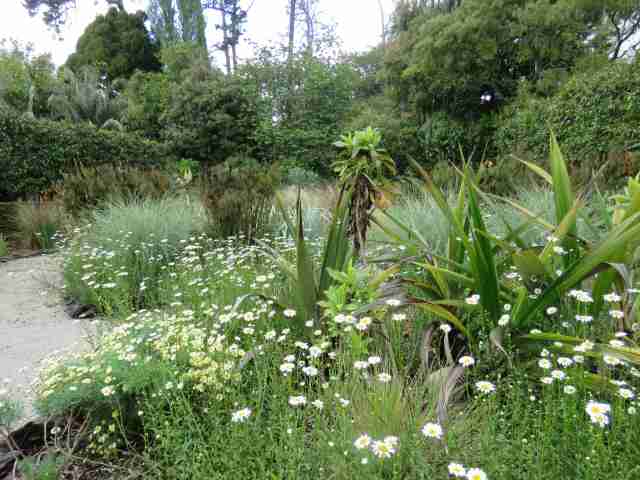
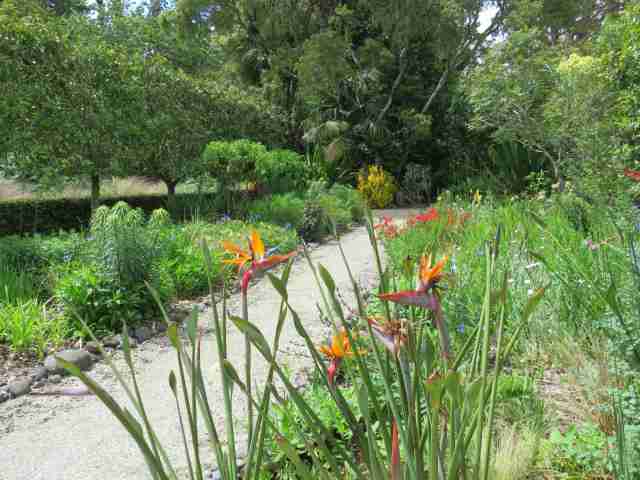
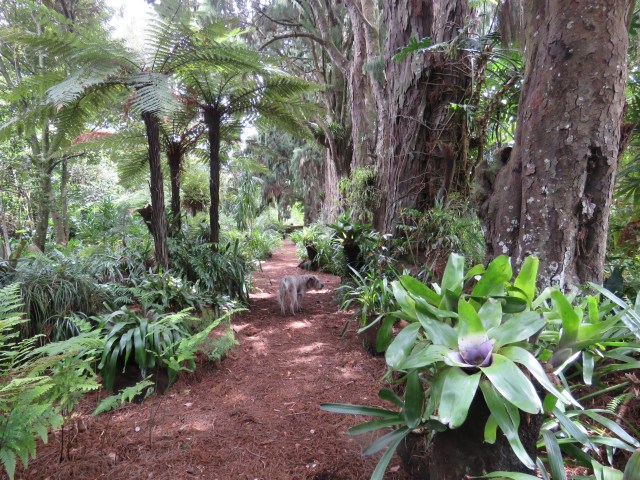
If you want a lower maintenance garden, keep your plantings very simple and in blocks of the same plant. We are the opposite. We like a highly detailed garden and accept that means constant close attention all year round. It would only take a year of inattention for us to start losing the detail as neighbouring plants encroach and thugs start taking over. By year three, it would be a jungle.
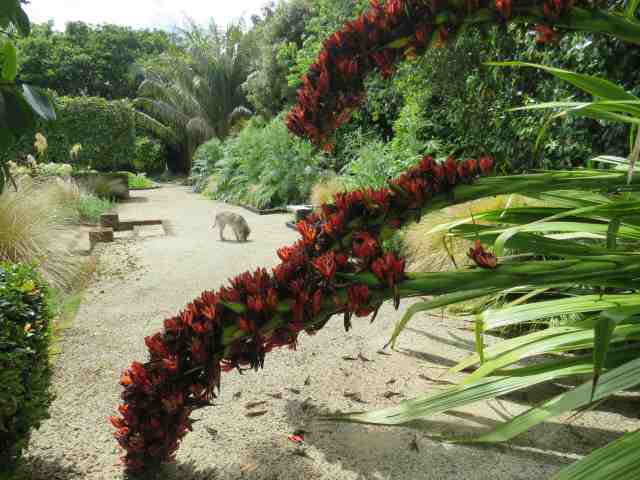
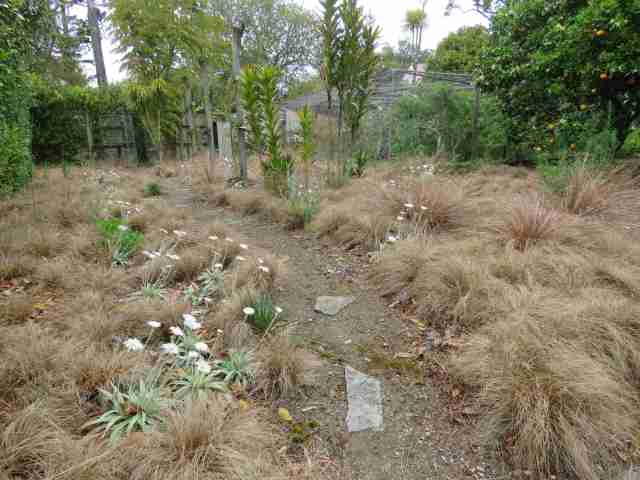
Even when we are not open to the public, we aim to keep the background maintenance up to date – the pruning, removal of dead plants, constant vigilance on weeds and plants turning into thugs, the clipping and the shaping, keeping mulch up and all the rest. I don’t play golf, as I comment to visitors who ask about the amount of *work* I put in. I garden by choice.
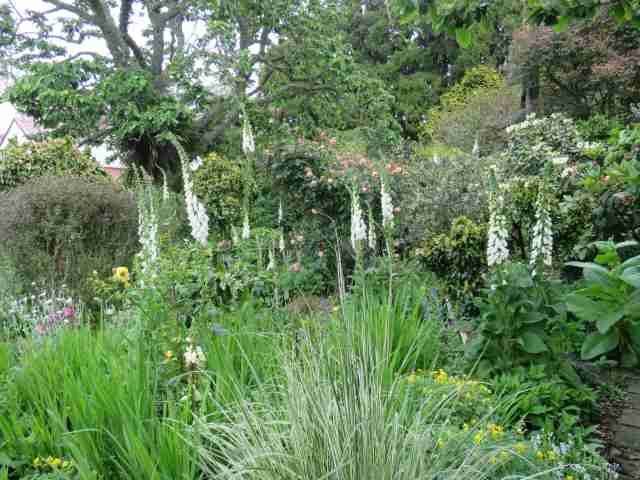
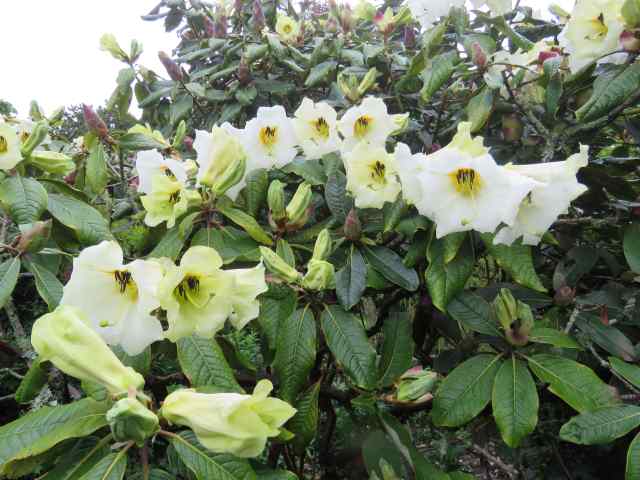
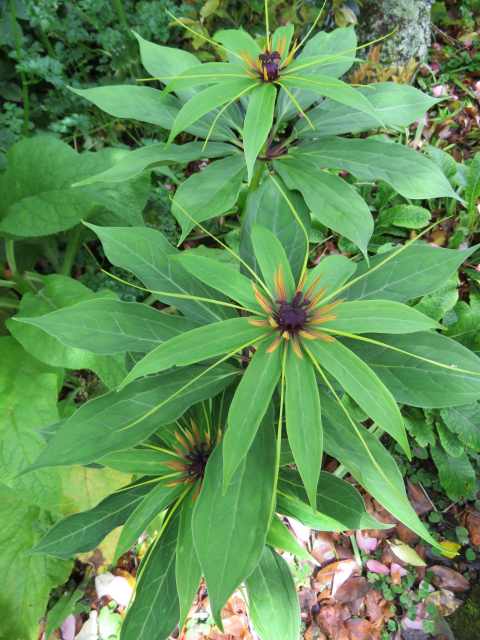
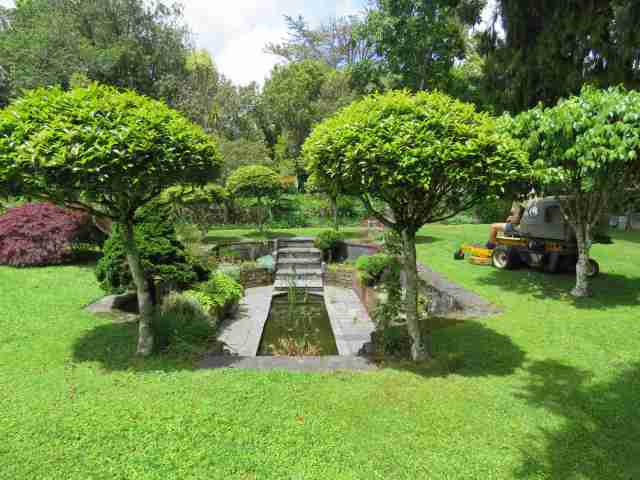
When the background and routine care is maintained, sprucing up for opening is less major, for guided tours at least. The late Sue McFarlane of Winterhome Garden near Kaikoura used to talk about keeping hedges, edges and lawns all done to maintain standards. Hedges, edges and lawns won’t hide the lack of background maintenance from any discerning visitor, but they sure add to the sight of a well- presented garden.
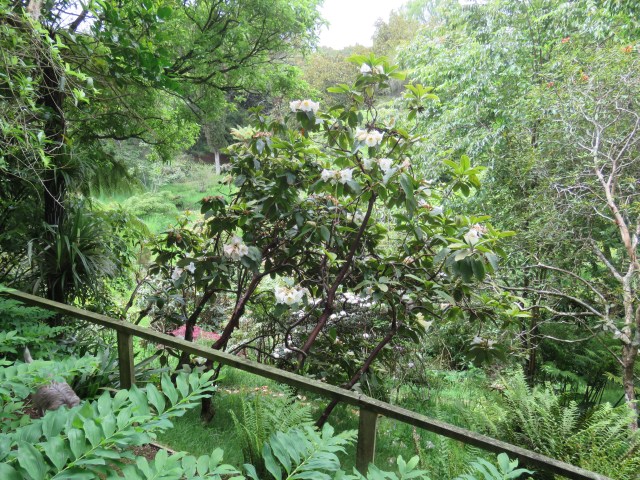
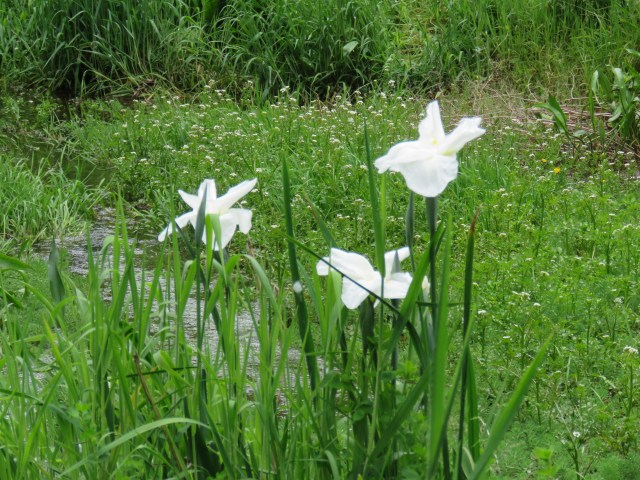
We use a mulcher mower on the grass all year round which is easier and means we never have to fertilise the lawns. It does also mean we end up with clumps of grass. The final mow when a tour is coming, we do with the catcher. It looks very tidy and spruce. But I am glad we don’t feel we need to set that standard for ourselves all year round.
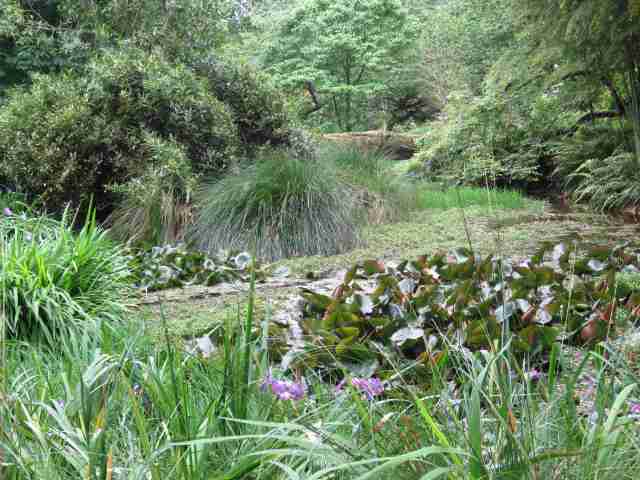
On Monday afternoon, after the American tour has departed, we will be in eradicating every trace of shiver grass (too invasive), pulling out the pinky red Oriental poppies that I don’t like, digging out bluebells to replace with Cyclamen hederafolium and a host of other tasks we have put on hold. It won’t matter if there are some gaps in the borders as we continue to fine tune them in that constant quest for the ephemeral goal of visual perfection. It is what makes gardening interesting.