
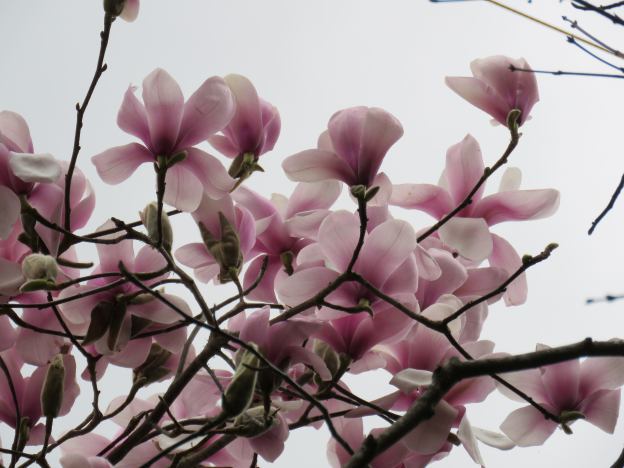
When the Magnolia sargentiana var. robusta fell over in July 2023, we were a bit sad. Not distressed or devastated, you understand, but disappointed. It is always sad to see a big tree fall, especially when their demise is unexpected. At its best, M. sargentiana var, robusta was as pretty a sight as you could wish for in a magnolia.
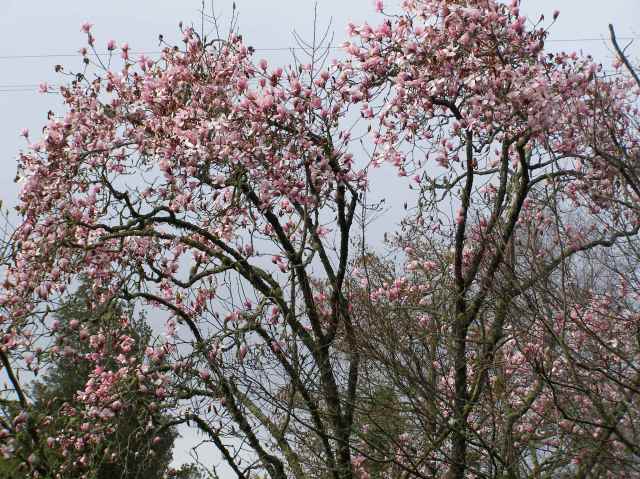
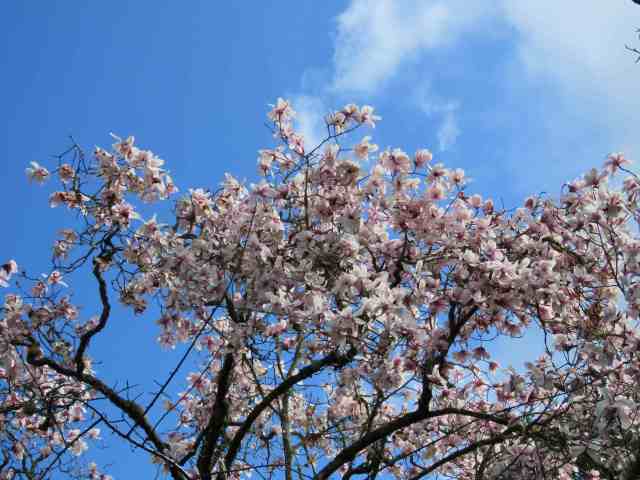
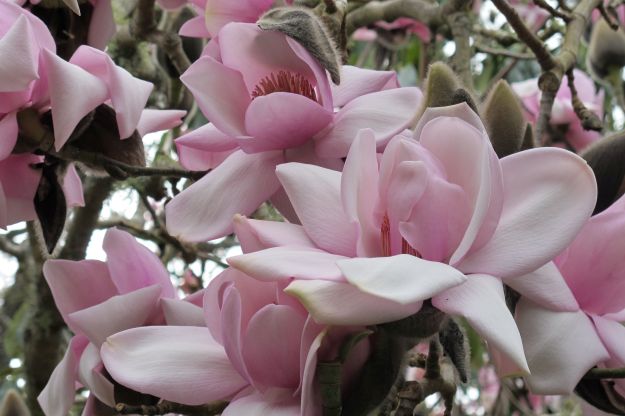
I say at its best because our tree was a bit biennial. It only wanted to flower in profusion every second year with a rather weak attempt in its off years. Its flowers are also anything but robust being very light in texture – sometimes likened to paper tissue. The are good reasons why both Felix and Mark bred magnolias with heavy textured petals; in our climate with rain that is often torrential in spring and strong equinoctial winds, light textured blooms do not fare well. A single storm can take out the whole display.
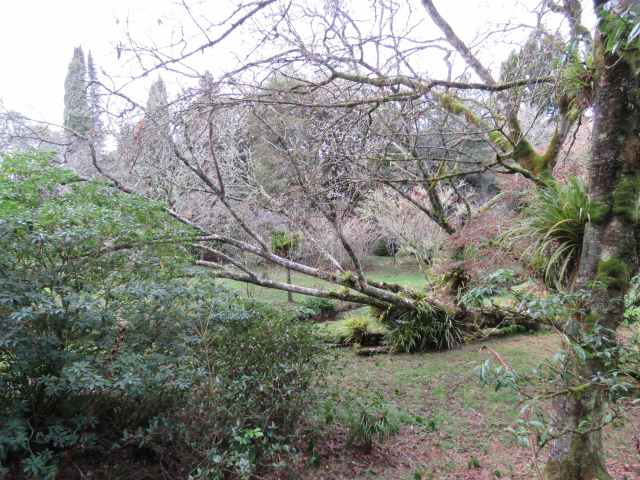
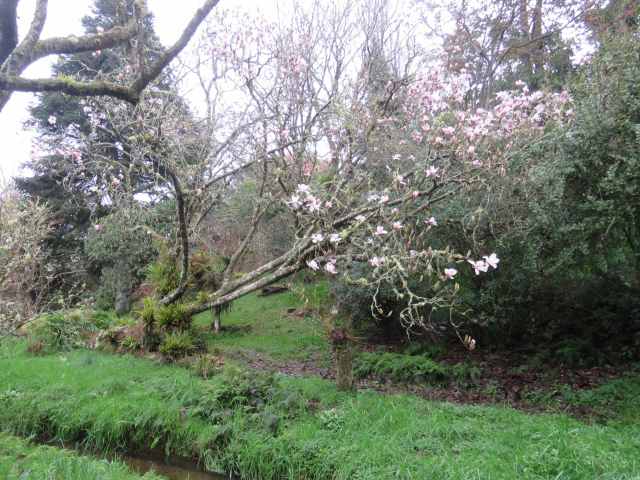
This tree was imported by Mark’s dad, Felix, sourced from the famous Hilliers Nursery in the UK, back when plants were easily moved around the world, with few, if any, restrictions. It was in the 1950s when Felix was first planting up the park so this specimen would be around 70 to 75 years old. It will have had wet feet, as we say about plants in sodden ground, because it was planted down by our stream.
So, fall it did in 2023. It is a big tree but fell alongside the path and stream without impeding access, the root ball half in and half out of the ground. We made the decision to leave it and see what happened. I looked at it this week. There was one chunky branch low down that was coming out at right angles from the main trunk. When it fell, that branch then found itself upright. It clearly preferred this position of dominance because it has grown quite a bit and is forming a tidy new canopy.
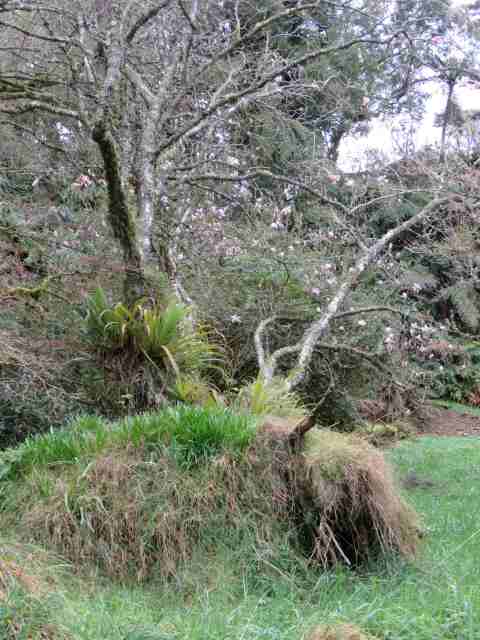

We are now at a point where we think it will be fine to cut the rest off and just leave the upright section which is close to the roots. We won’t be doing anything about the big, chunky mound of roots. They can just stay – a bit of natural contour.
It is pleasing to realise we can keep the tree. M. sargentiana var. robusta is not the sort of magnolia most people would decide they simply must have. Nor is it suited to small gardens. But it belongs in magnolia collections and the tree is part of our own garden history.
Besides that, the species itself – though not this particular tree in our park – is thought to be one of the parents of the beautiful tree Felix received from Hilliers that was meant to be ‘Lanarth’ but wasn’t and he named after his youngest son, so Magnolia ‘Mark Jury’. That tree, also still in our park, turned out to be Felix’s special plant – his secret weapon, Mark says – which he used in the parentage of six of the eight magnolias of his that were released commercially. In turn, some of Mark’s hybrids also descend from those. The rest, as they say, is history.

