
 “You must go to Ninfa if you are interested in romantic gardens,” I was told very firmly by One Who Knows. So I obeyed. That was the prime reason we went to Italy as part of our trip just concluded. And because Ninfa has very limited opening days, the entire itinerary was organised around one of those dates.
In the event, that became irrelevant. For reasons too complicated to explain, we ended up on a hot Thursday afternoon entirely alone in il Giardino di Ninfa with the run of the place. We were shown how to operate the exit gate in order to let ourselves out and left to it. To understand the nature of this privilege, I should explain that Ninfa is only open for 17 days a year for a grand total of 111 hours and that casual visitors like ourselves are generally accommodated by a one hour escorted tour.

Herbaceous planting in the rock garden was a delight
Ninfa is often referred to as “the world’s most romantic garden” – a phrase first ascribed to UK garden writer, Charles Quest-Ritson and latterly also taken up, I think, by leading gardening broadcaster, Monty Don. It would not be exaggerating to say that it has achieved international cult status and there aren’t too many gardens in that particular basket. Dating back to the early 20th century, the garden is continued these days by a foundation set up by the originating Caetani family.
 It is not your classic Italian garden full of intersecting axis and formal spaces. Not at all. Indeed, it is described as being English in style – a descriptor I have met before in a northern Italian garden described to us as being in the “romantic English style”. By this is meant soft edged, informal design with more focus on plant variety, seasonal change and groupings of plants – more frou frou, as I call it, than the heavily clipped and controlled style of the usual Italian gardens of stature.
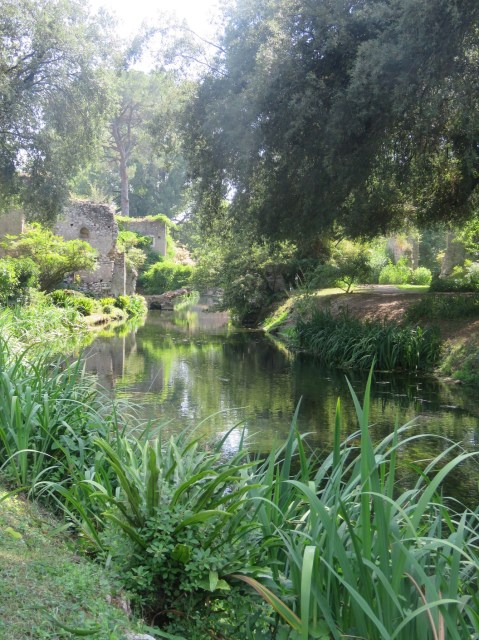
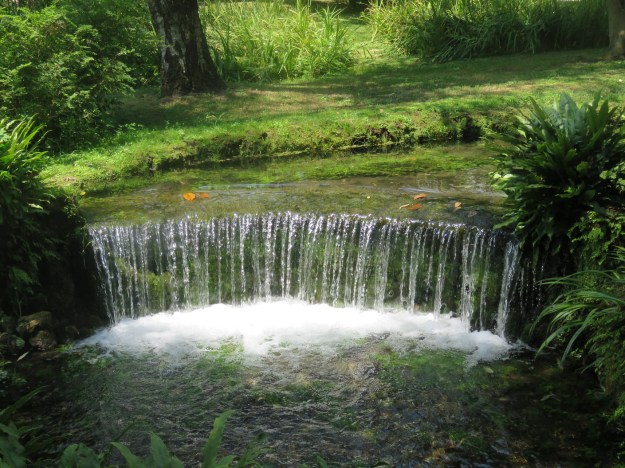 The garden of Ninfa is built around the ruins of an entire town that was sacked in 1370 after being occupied since Roman times. The scale of the ruins is nothing short of astonishing to a New Zealander unaccustomed to centuries of visible occupation. To create a garden around such imposing structures is a dream situation. In a hot dry climate, water is even more important and the abundance and sound of flowing water is integral to the magic of Ninfa, blessed as it is with the river of the same name flowing through the garden. Irrigation is necessary to achieve the lushness and growth in what is a harsh, dry environment.

A late blooming rose – most were over
I knew we would be too late for the roses and if you plan to visit this garden, if it is possible to time it right, that would add a great deal. But I imagine in these conditions, peak rose season is measured in a few weeks of May and any garden needs more to it than a short peak season based on a single plant family. And that was the case. Ninfa has a feel of its own. The water views are beautiful. We loved the soft herbaceous plantings of the area called the “rock garden”. The structure of the ruins gives a breath-taking framework. To be alone in this garden was a grand experience.

Most of Ninfa is truly romantic. This new path, not so much.
Is it a romantic garden? Yes, without doubt it is. Is it the most romantic garden in the world? I would not go as far as that but others clearly think it is. Is it flawless? No, but what garden is flawless except a static one? And that is a contradiction in terms. We were disturbed by the new lavender walk which, while well executed, was rather too amenity in appearance compared to the gentle naturalism of the rest of the garden. We weren’t too sure about the blue haze from copper spray on the ruins behind every climbing rose. If the roses had been in bloom, we probably would not have found our eyes zeroing in on that blue background. It adds a certain patina to history if you don’t know that it is caused by spraying.
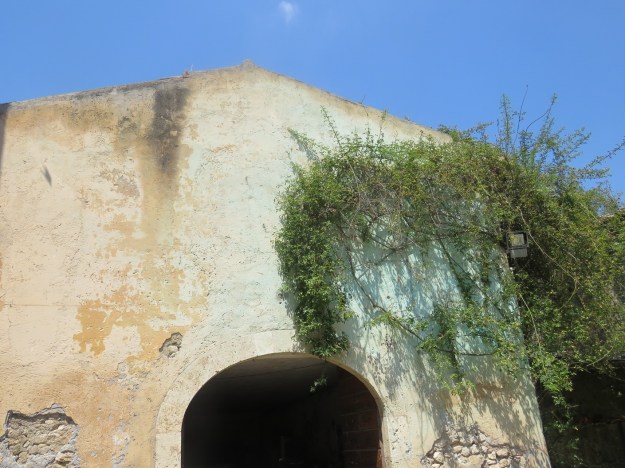
The blue patina
In terms of planting, Ninfa has a much wider plant palette than most Italian gardens which tend to rely on the repetition of about 10 key plants. By international standards, it is not a hugely remarkable plant collection but in an Italian context, it is and it shows a measure of gardening skill that is not often evident in many of the famous gardens of that country. These are harsh gardening conditions which is why so many Italian gardens rely on structure, design and space for their impact, rather than plants.

The view out to the surrounding countryside
It amuses me that the Italians credit this romantic, naturalistic style to English gardening while the British (and other nationalities) flock to Italy for its romance. It is such a beautiful country. I kept thinking I was in an E. M. Forster novel (though A Room With a View was set in Florence, not nearby Sermonetta). Ninfa sits like an oasis of soft green lushness within an age-old landscape rich in history and possessed of its own natural, harsh beauty. Even the light is different in Italy.
 If you want to know more about Ninfa, the official website is http://www.fondazionecaetani.org/ but a general search on Ninfa will bring up a wealth of material. It is located in the area of Latina about two hours south of Rome and requires either hiring a car (!!!!) or sorting out a taxi transfer.


Look! Just look at the centuries old wall panels in the roofless church which may even be the one where Pope Alexander 111 was consecrated in 1159
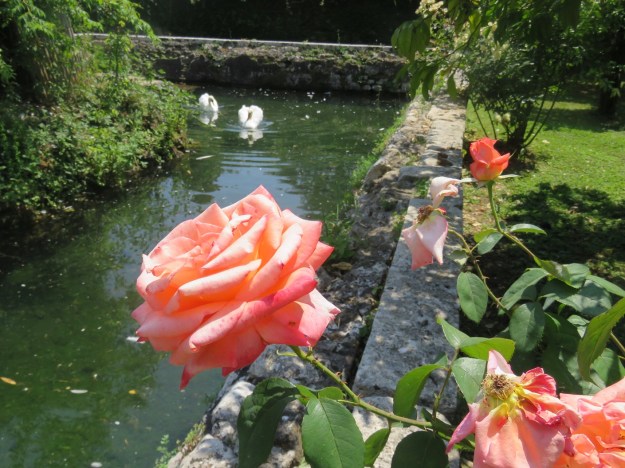
The modern orange rose beside the moat worried me but not Mark so much. I just felt that the softer shrub and climbing roses fitted the environment better than this one.
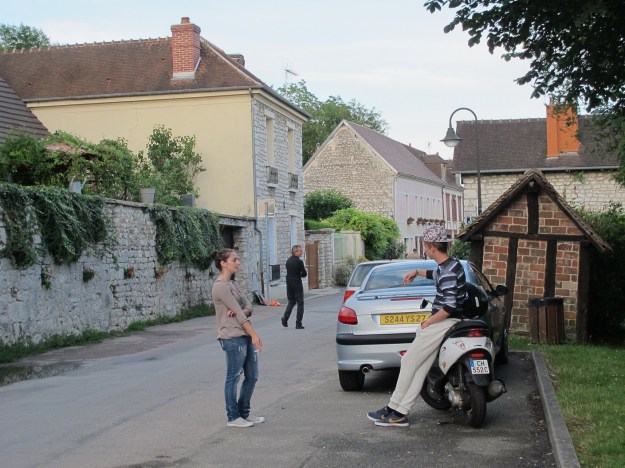
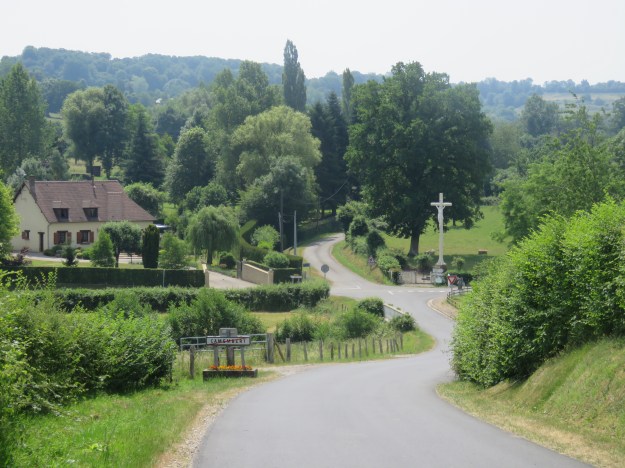 This! This really is the village of Camembert. It exists and it is the origin of the cheese. It is picturesque but small these days containing a church, a carpark with two charge stations for electric cars, a museum to honour Camembert cheese that has limited opening hours and a tourist shop. And some houses, but not many.



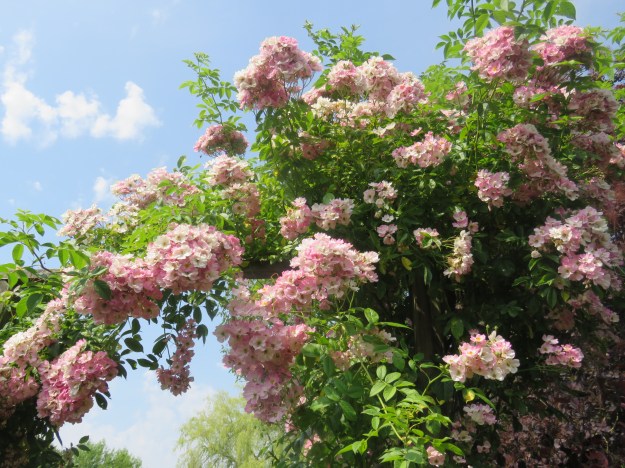

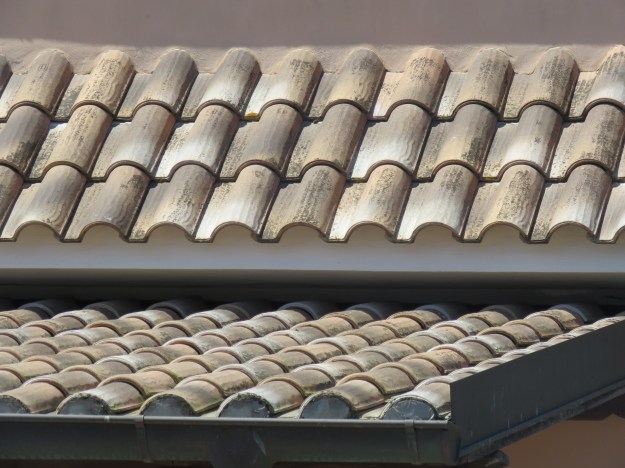
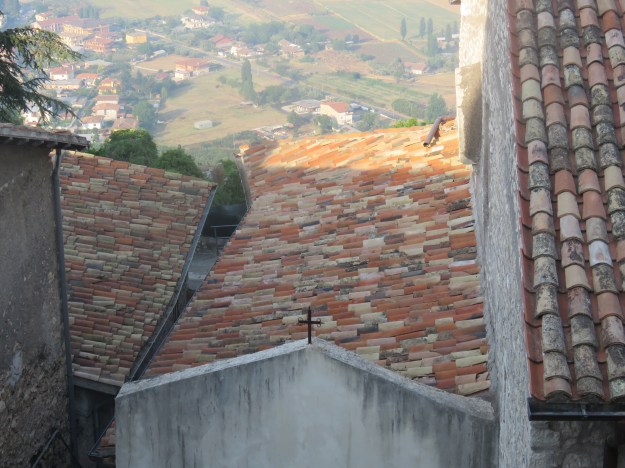 We have moved on from Italy and are now hanging out in Camembert in Normandy – and yes, Camembert is the original home of the cheese that bears its name. But that is another story still to come. Back in Italy, looking out over the mellow tones of the tiled roofs is part of the landscape.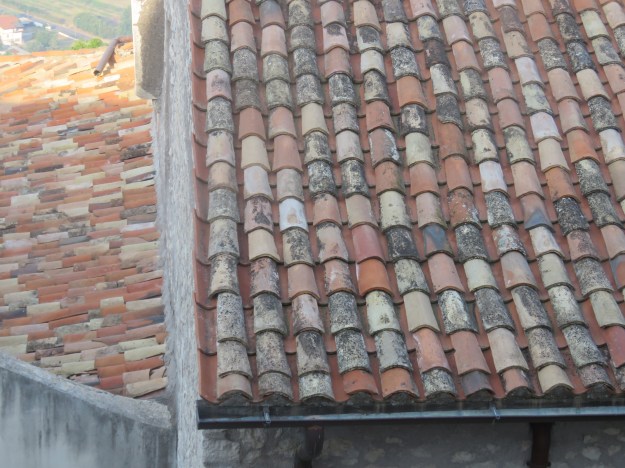


 We are off today on one of our garden visiting trips. For the first time, I have felt sufficiently unnerved by international events to register our trip on the Safe Travel site run by our government. That is so they know roughly where we are in case of catastrophe.



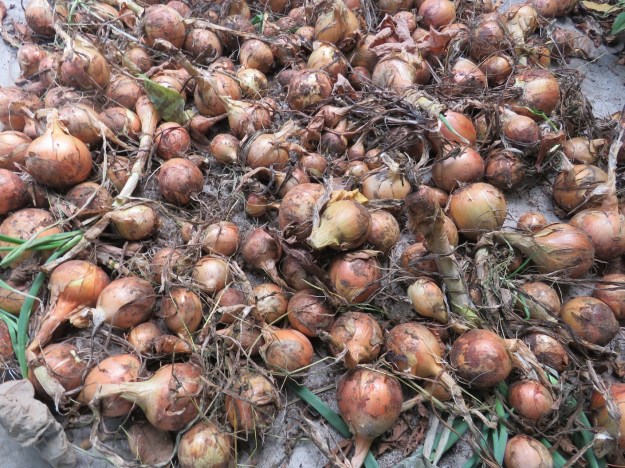 The onions are not the main purpose of this story – more on those a little later. They are just more visually appealing than the sight of rubbish sorting at its most basic level.
 I now realise what I have failed to do is to photograph the lunch food laid out for these large groups. Therein lies the key to minimising inorganic waste. With the IDS, the menu included quiches cut in squares, small filled rolls, green salad and fresh watermelon for dessert. And coffee, tea and chilled water served from large jugs. All the food came out on china or wooden serving dishes. The only disposable items used were the cardboard ‘plates’ and bamboo forks.
 Tikorangi The Jury Garden