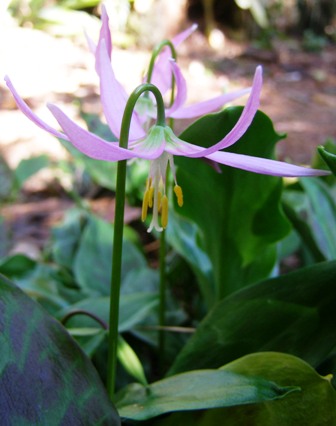
The ephemeral delight of the erythroniums in flower this week
Latest Posts:
1) Magnolia Athene in all her glory in Plant Collector this week and gratitude for the mid season varieties.
2) New Zealand’s Native Trees by John Dawson and Rob Lucas. Thank you Craig Potton Publishing for not cutting corners, simplifying and dumbing down on the assumption that most of us have the mental capacity and experience of a child.
3) The differing agendas of gardeners, novices and designers (or why I am happy to accommodate plants with a scruffy period which includes deciduous plants and bulbs)
4) Grow it Yourself topic this week is Mark’s absolutely most favourite vegetable – sweetcorn.
5) Clearance special this week is Magnolia grandiflora Little Gem – a snip at $12 but very limited numbers.
6) In Praise of Plunging – a traditional technique from the UK which has its relevance here, in our conditions too.

The pink puffery of Magnolia Serene
I suggested to Mark that the start of a new year here was marked by the magnolias and early spring but he was pretty adamant that it is the snowdrops that herald the new beginning. The snowdrops have long finished, most of the narcissi are passing over and while the magnolia season continues, it is on the wane – the opening of Serene heralds the end of the season because it is the last of the major ones to flower for us. But temperatures are rising, the rhododendrons are opening and other new plants open every day. The trilliums are a triumph for us here. We are not natural trillium territory (bar two days this winter, we lack the winter chill they prefer) and have to choose planting situations carefully.
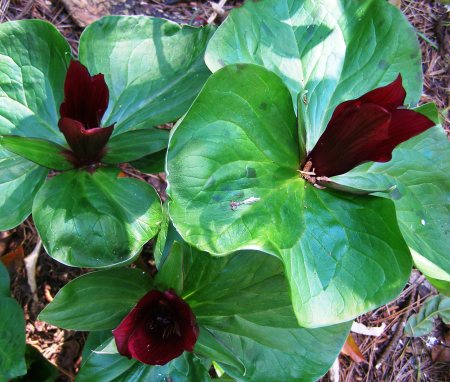
Showing off: the trilliums
Each flower may be only three petals but when you get the deep red ones blooming with the light passing through, the effort is well worth it. The erythroniums are in full flower. If we don’t get torrential rain, we may get two or even three weeks of pleasure from these short-lived, dainty delights. The countdown to our annual garden festival at the end of October is on so the pressure is mounting.
In a rash moment, I agreed to present at the Waikato Home and Garden Show next Friday and Saturday. My main presentation is entitled “What Makes a Good Garden” (Friday at 12.30 and Saturday at 2.30) and I am also doing a presentation on our annual festival (styled the Powerco Taranaki Garden Spectacular this year but we will say no more about that, formerly known as the Taranaki Rhododendron and Garden Festival) at 6.30 on Friday and 4.30 on Saturday.

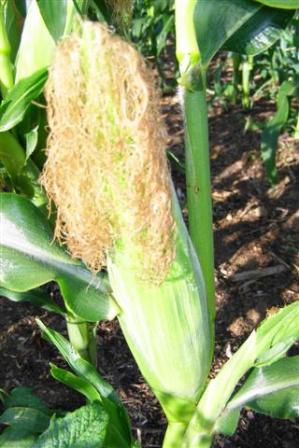 I am married to one of the world’s biggest fans of sweetcorn. Maybe he has been reincarnated from an indigenous tribe from the Americas, where our modern sweetcorn has its antecedents as the primary carbodydrate staple. He has planted his first seed of this season into small pots to get them started under cover and he will plant them out, in accordance with NZ tradition, at Labour Weekend. From there, he will sow in succession through as late as the end of January in order to get fresh corn for a period of five months of the year. Sweetcorn is worth growing at home because the freshly picked product is infinitely superior to anything you will buy. The natural sugars start turning to starch almost immediately on picking.
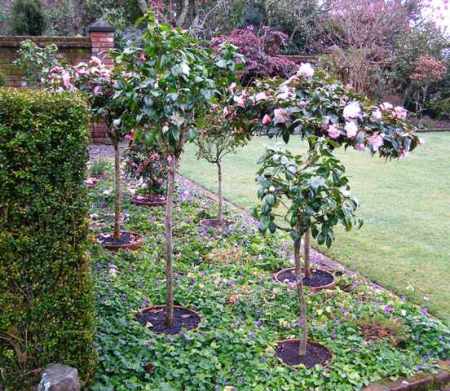
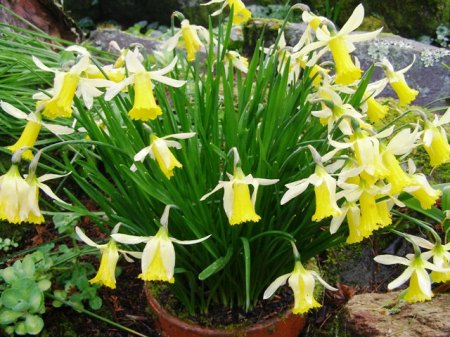
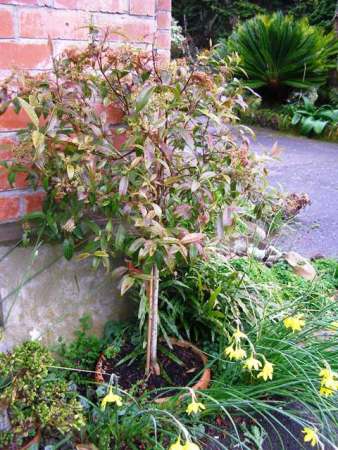
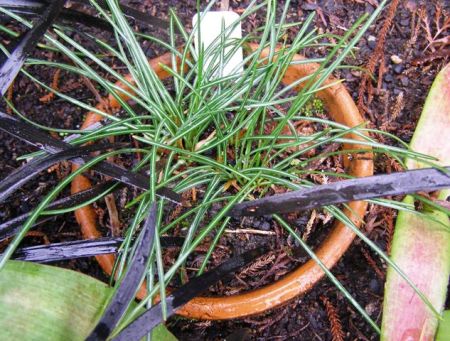 Plunging is a gardening technique that has been around for a long time but is not often seen in New Zealand. It is simply burying a porous pot in the ground so that only the lip is visible. Traditionally, in the United Kingdom, it was often done to stop the roots of the plants from freezing in cold winters. It also stopped terracotta pots from shattering in severe frosts. It is also done to equalise moisture and to stop plants getting either waterlogged or too dry. If you visit the alpine houses at the RHS Wisley Gardens, you will see that all the alpine treasures are grown in pots which are plunged into beds of compacted sand.
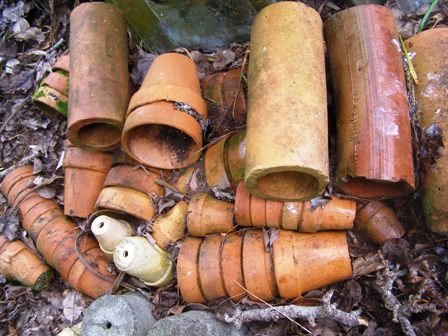 Plunging is a technique I have been using around our garden for a variety of purposes. It is important to note that it only works with porous pots. Fortunately, I inherited a collection of aged terracotta pots and drainage pipes in various sizes which fit the bill. If you use glazed or plastic pots, the water cannot move between the surrounding soils and the plant’s roots in the pot.