
 Sunday was wet and gloomy so I picked hellebores to photograph indoors. And what a wonderful subject for photography they are. All I did was collect one representative bloom from a number of plants. This was more illustrative in intention than artistic endeavour.


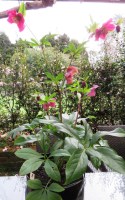
Too often the reality of the hellebore plant can look like this
These are all H. orientalis or orientalis hybrids, a mix of plants in the garden and some selections Mark has raised. We have been talking about them recently because our main 30 metre hellebore border is in dire need of major work. It has passed over from being a pretty, low maintenance area to being patchy and underperforming with too few blooms and too many of those are murky colours. We plan to gut it, replace some of the soil and replant with strong, new plants – each standing in its own space rather than aiming for the uninterrupted carpet look. This is because we have noticed that the plants we have thriving in other areas are in well cultivated soil, each on its own and not competing with its neighbours for space. We will fill the gaps between bulbs – Cyclamen hederafolium, narcissi and bluebells all combine well with hellebores.
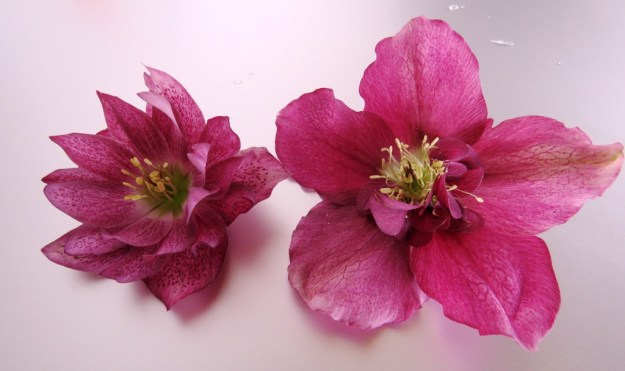 Mark has been raising hellebores in the nursery, in preparation for the upgrade. And he is interested in whether he can get better performing selections for our conditions. Generally, hellebores like a colder climate and the best ones we have seen are in areas with much more winter chill. The very dark flowered ones with bluish tones – referred to as slate – are not exactly booming here. Similarly, the doubles that we, and every other keen gardener at the time, rushed to purchase don’t seem to get much larger and showier than they were when we bought them over a decade ago. Mark’s seedlings may perform better though the wonderfully large pink with petaloids is probably blown up by nursery conditions. In the garden, the flowers may scale down.
The merits of longer stems
What he is most keen on is getting strong stems which hold the flowers above the foliage. So far, that seems to be one of the most desirable features of the recent releases out of the UK – Anna’s Red and Anna’s Pink. They display their blooms well. Because the reality is that when you pick hellebores and display them face up, they are hugely charming as seen in photos. But more often, they are nodding downwards and barely visible in the garden. You could of course follow the lead of a hellebore enthusiast we once met who had a mirror on a long pole so he could view the flowers without bending. Or you could glue mirrors to your shoes – but take care, gentlemen, never to wear such footwear to town lest the reason for the mirrors be misconstrued.
 We have worked out that the desirable dark colours display far better as garden plants with the contrast of white flowers alongside. We will also banish all the murky ones to the compost heap. While clean pastel pink and green can be a charming combination, in hellebores these often lean to muted shades which are frankly of no merit. We also want plants that will fade gracefully and not to that dirty greenish brown which does not lift the soul.
We would like the hellebore border to shine again with the gentle charm that this plant family offers.
Earlier posts about hellebores include:
Hellebore Anna’s Red
The autumn trim (removing all the old foliage)
Helleborus x sternii – one of the few green flowers Mark is happy to accommodate here.
The double hellebores.

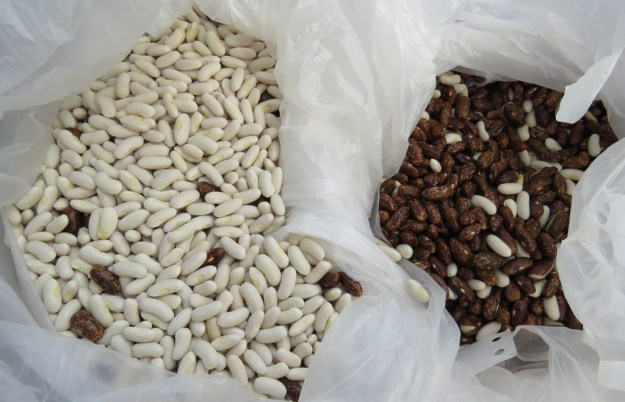
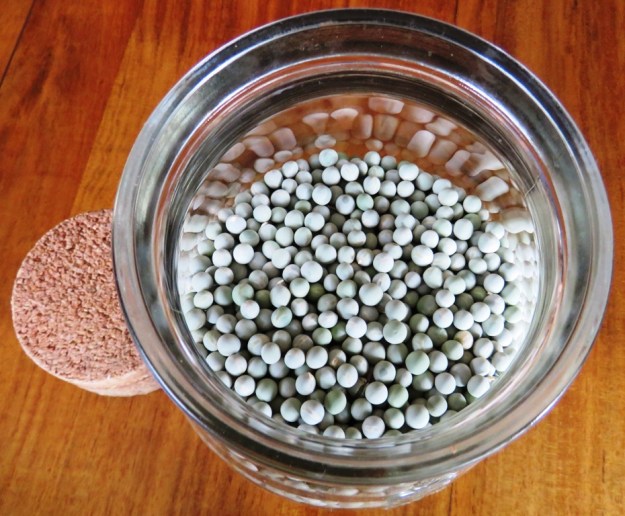
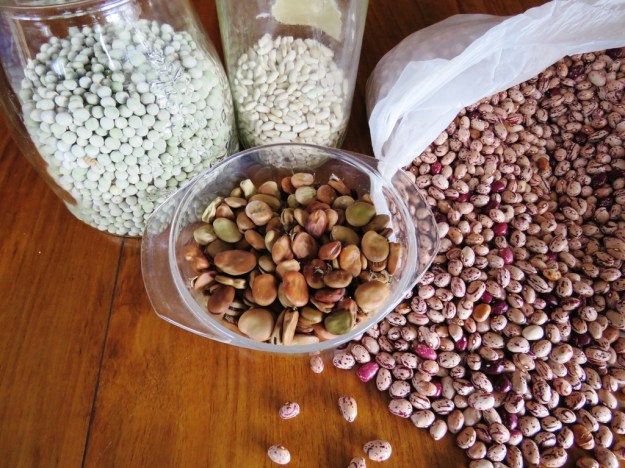 The bean mountain started modestly enough. It was just the surplus from the summer crops that Mark didn’t want to waste a few years ago. Dried beans had not featured large in our diet. Homemade hummus yes, but always with bought chickpeas. At least I started with dried peas and not the instant tinned version. Beyond that, we had never really moved on from the trendy mixed bean salads of the late 1970s. But the beans started to mount up at a faster rate than we were eating them.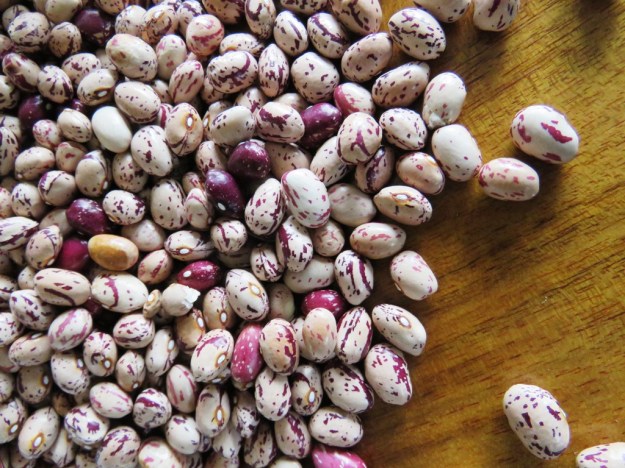



 All New Zealanders know the silver fern, but usually as the logo or motif, not the real thing. Sure it is closely associated with our national rugby and netball teams, but how many realise it is a ponga? A native tree fern.

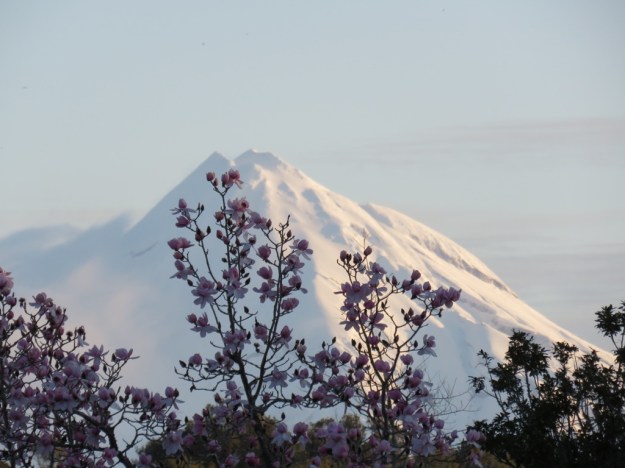 August 9 at 5.00pm as the sun is going down.
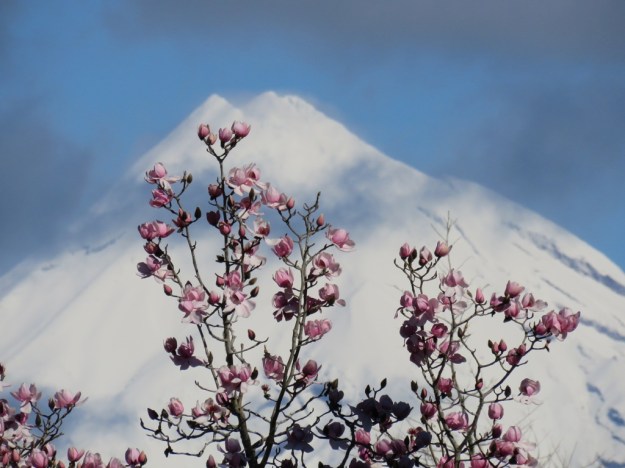 August 10, just after midday.
 August 12, at 9.45am.
  At the risk of destroying the perception, this is the reality. In the bottom right hand corner, you can see the mountain which is at least 35km away from us. We do not have an alpine climate here – far from it, given that we grow oranges and avocados – but a zoom on my new camera is very good.
  Tikorangi The Jury Garden