
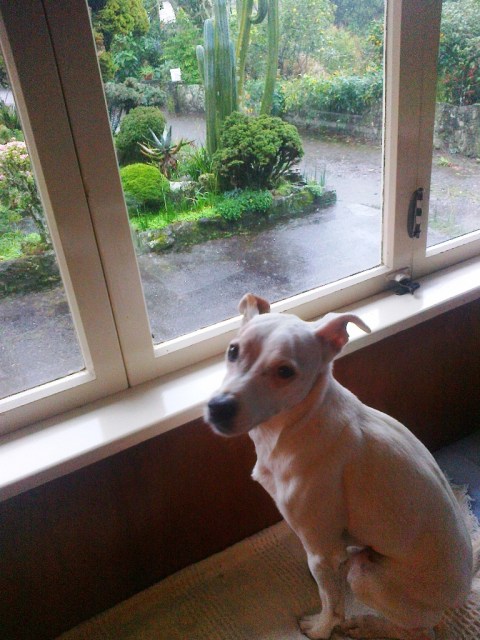
 It rained yesterday. A lot. We are accustomed to heavy rain here and are blessed with very free draining soils. The dogs hate the rain and won’t go out until it is near emergency time for them. But the rain, it continued. Mark lost track of the rain gauge around 200ml during the day.
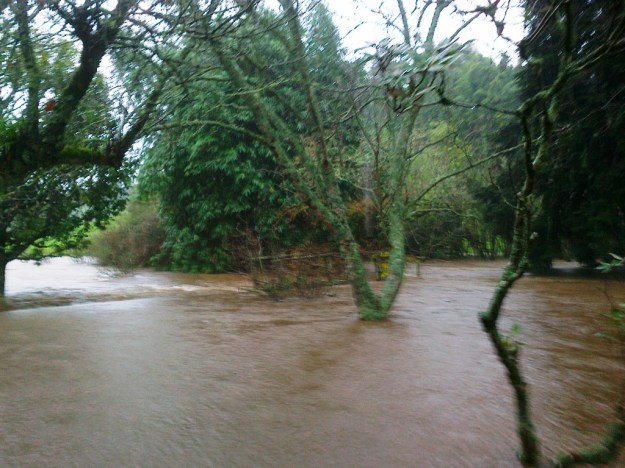
 Down in our park is the lowest area of our property but over the years, we had eliminated flooding with a weir, flood channel and stop banks. Until yesterday. That is what we refer to as the high bridge in the very centre behind the magnolia – featured often in photographs. It is a low grade phone camera image because I was not going to risk my new camera in the torrential rain. The water is flowing right over the bridge.
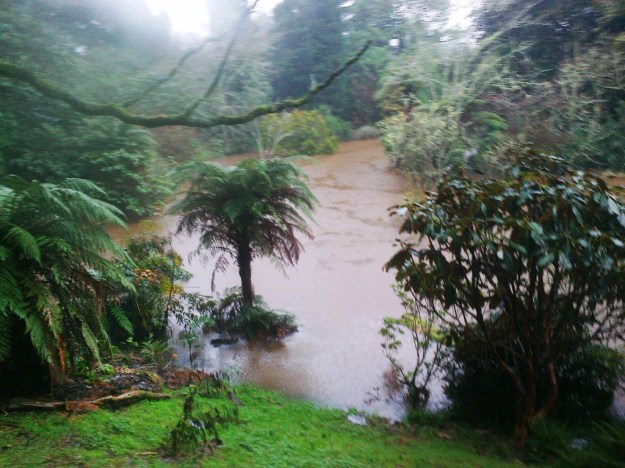
 In fact the better part of park was flooded and resembled a raging torrent. It is usually such a quiet little stream that flows through. Half of it is channelled through the garden as here, and half is diverted down the separate flood channel. It all became one yesterday.
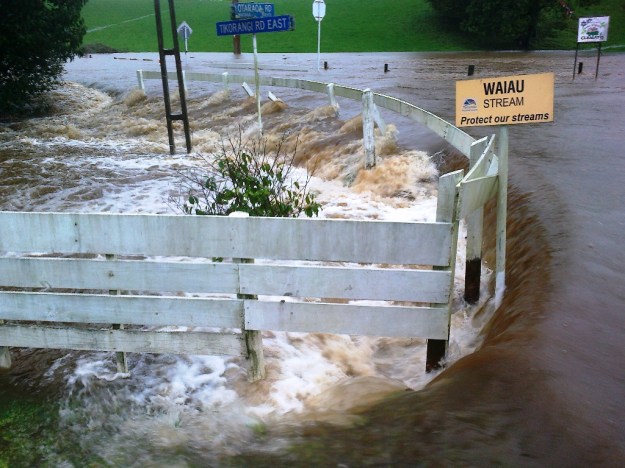 When we made our way out to the road, we saw why our park was flooding. This is the corner where the stream enters our property.
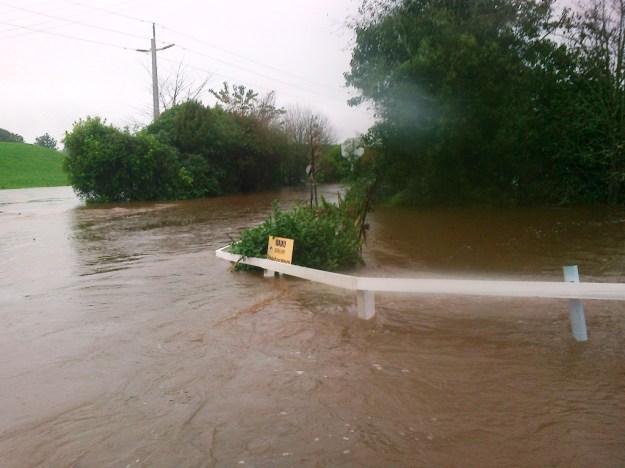 And the scene to the right of the intersection which is also our place.
 But nothing must stop the petrochemical traffic (though we notice it has stopped today so the road damage must be a concern). This massive LNG tanker ploughed blindly through without checking that there was still road beneath, which was a bit of a surprise to us.
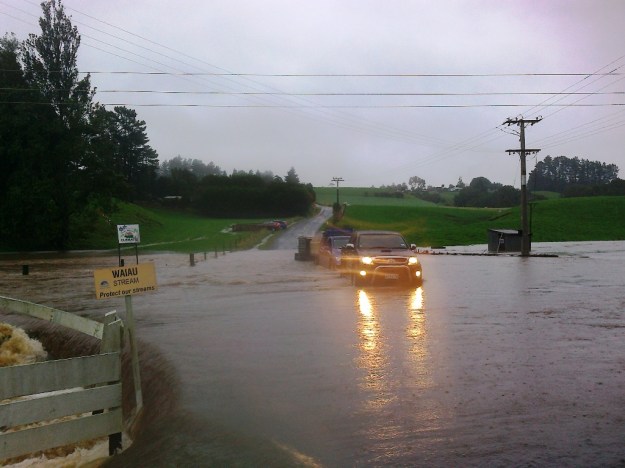 The ute that tried it next was not so lucky. He hit the water too fast and stalled. Fortunately help was to hand for towing him out because the water was flowing through his vehicle and the current could well have swept it away.
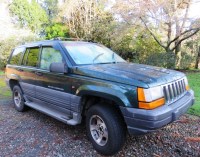 There is a lesson on negotiating flood waters, even in the big 4 wheel drive offroad vehicles much favoured today. We noticed a Jeep Cherokee in our carpark, but didn’t find out until later in the day that it too had stalled in the water. The occupants had to escape through a window because the water was up the doors. It was towed to the closest safe place, which was ours. We joked about claiming salvage rights over it but he arrived today to try and start it. It didn’t. Start, I mean, so it is still parked there.
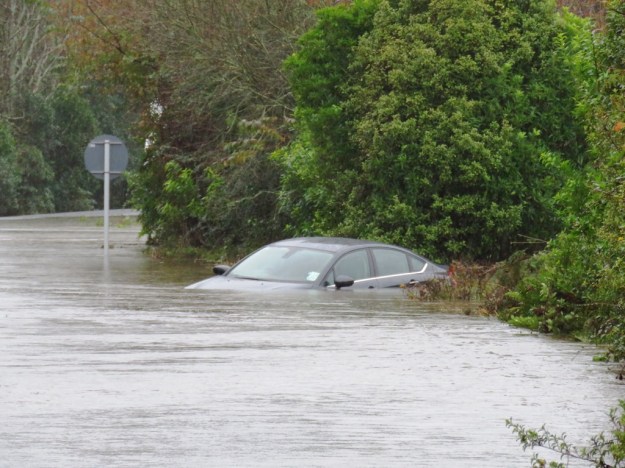 The shocker was this car. It is just around the corner to the right, out of view to those of us on the other road. The occupants were our elderly neighbours who had to be rescued out of the car window. They were very shocked, but not otherwise injured. With hindsight, we worry how close they came to drowning and none of us on the other road would even have known they were there, a few metres out of sight.
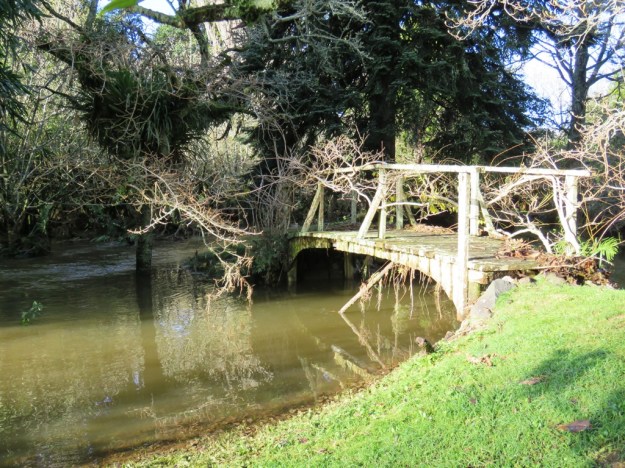 This morning, the waters were receding. It is messy but we have not yet found any major damage on our place. Others have not been as lucky. It is perhaps a timely warning about the power of Nature and the increasing frequency of what are referred to as “extreme weather events. And always live in a house on a hill, not on a flood plain.
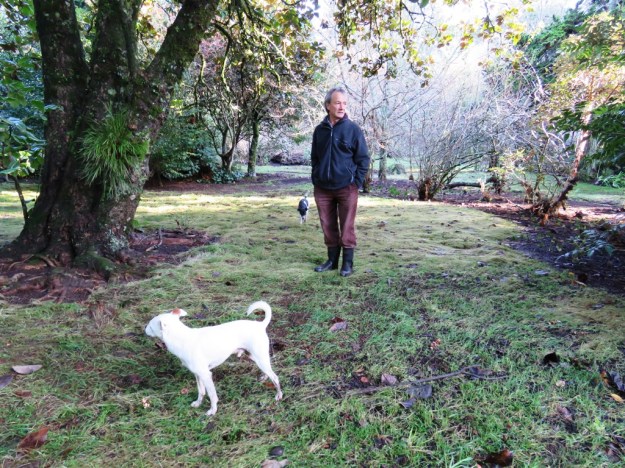 Where Mark and dogs are standing was half a metre under water at this time yesterday.
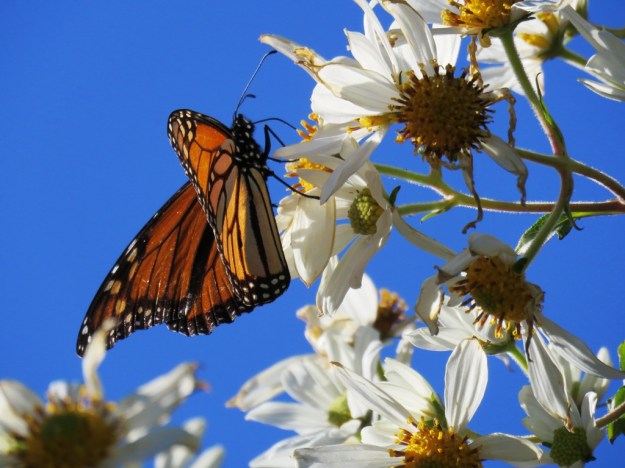 I have a new camera and while I am still learning to use it, I doubt that I could have captured the monarchs on the montanoa with my old one, even before it decided to shuffle off the mortal coils and go where digital cameras go to die.
 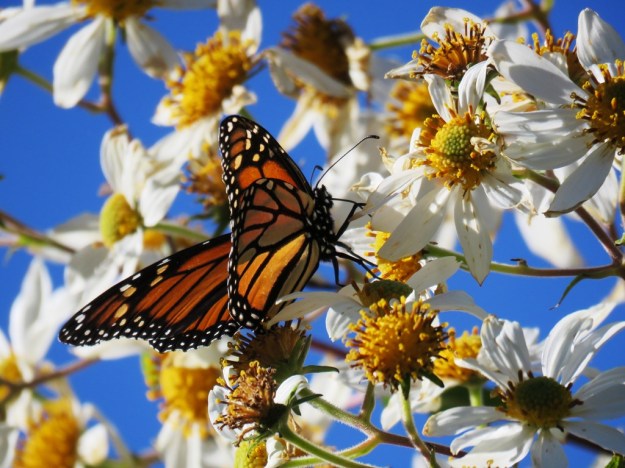 It was a comment left on this site that had me heading down to check out the montanoa on a sunny mid-winter’s day, to find it positively dancing with monarch butterflies. “It’s a natural food source for monarch butterflies, as it also comes from Mexico”, the reader said. Given that monarchs are recorded as self-introducing to this country around 1840 and generally produce two generations a year, that means at least 350 generations have passed since the Mexican connection so I think the montanoa is perhaps better described as being an “indigenous food source for monarch butterflies in Mexico”. But a source of winter nectar, it certainly is. It was a joy to see.
  I was so discouraged when I left the scene of institutional and bureaucratic vandalism that was the
 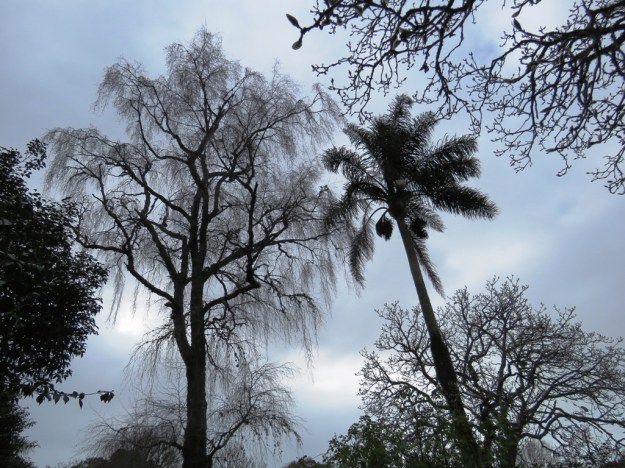 And at home I raised my eyes upwards to drink in the sights of our trees. We have many large trees here, evergreen and deciduous, native and introduced. While by no means the largest of our trees, this scene of magnolias, silver birch and Queen Palm (Syagrus romanzoffiana) soothed my soul.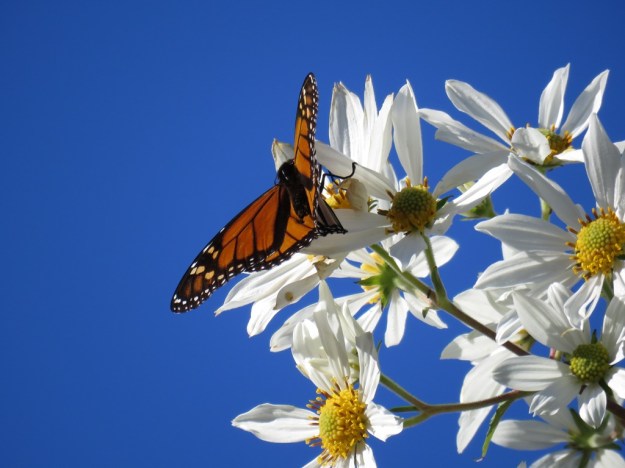
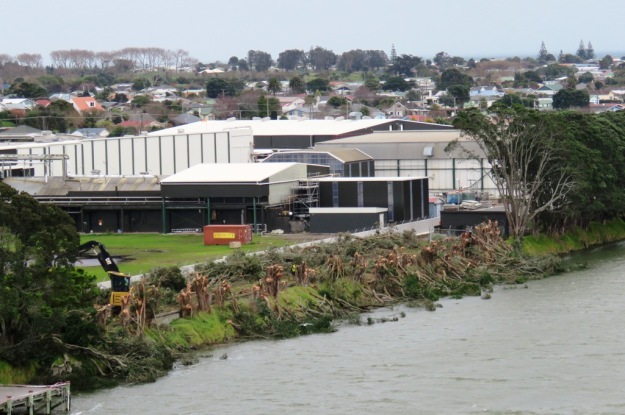
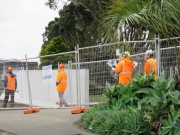
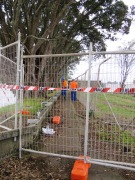
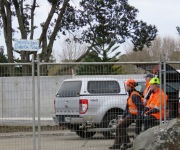
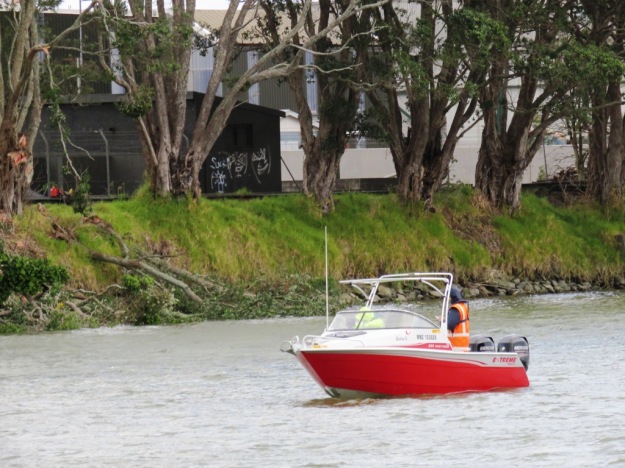
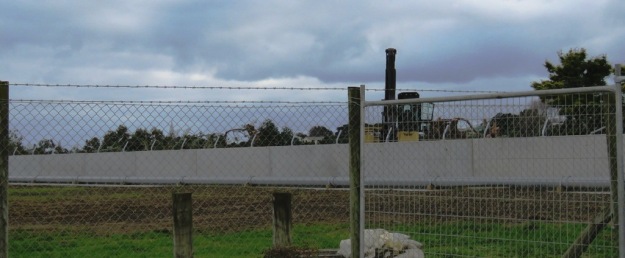 How anybody in their right mind could think that the hostile expanse of concrete flood wall, topped with barbed wire (it is doing double duty as a security wall for the meat packing works behind) was an appropriate form of town flood protection in this day and age is beyond comprehension. It looks like a prison wall. This is the face of Waitara in 2015. We regard it as simply shameful action by Taranaki Regional Council.
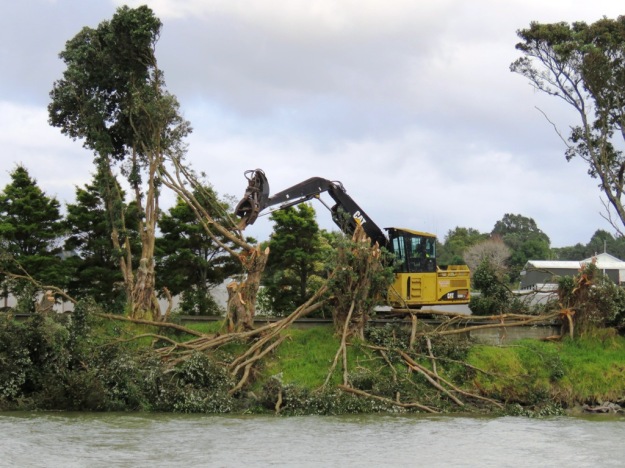 While the chainsaws worked at one end of the row, the digger driver proved that you don’t need chainsaws at the other end – the might of the machine means you can break apart the trees. There was no sign that the men on the site felt any sorrow at the unceremonious felling.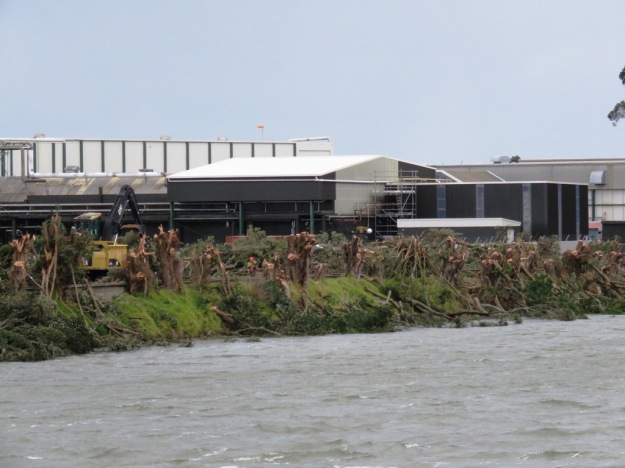
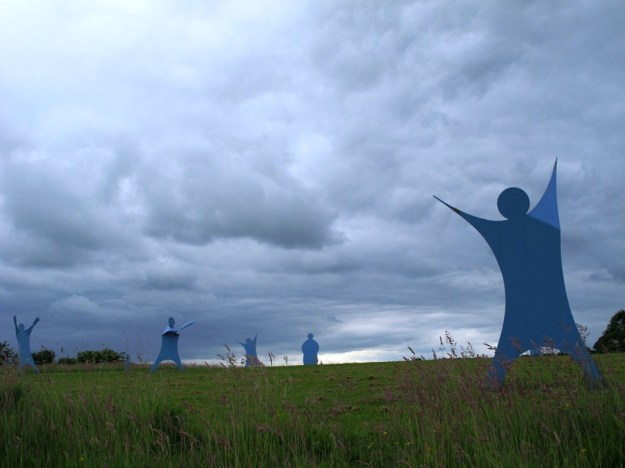
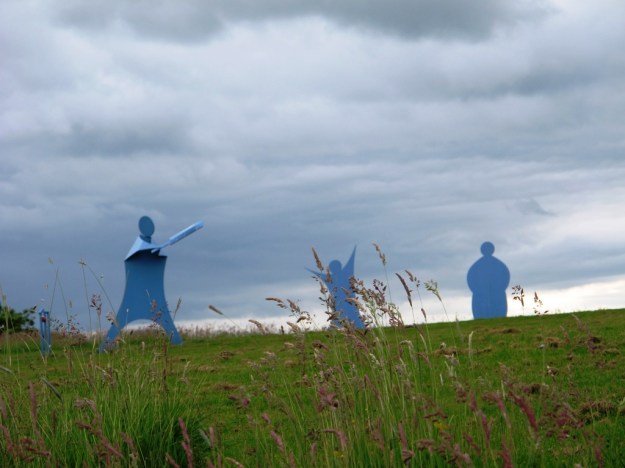 Maybe it was our national cricket team playing in Yorkshire that brought this scene back to mind. I photographed it at Yorkshire Lavender near Terrington, about this time last year. I was greatly charmed at the time. It was set on top of a small hill with a big sky and big vistas. I admit I like cricket – well, I like it when our team is winning and they did win the test match a few weeks ago – but it was the large scale whimsy that I appreciated with this scene.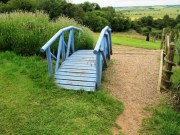
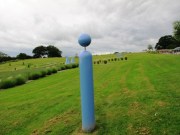
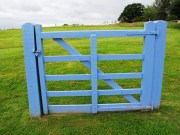
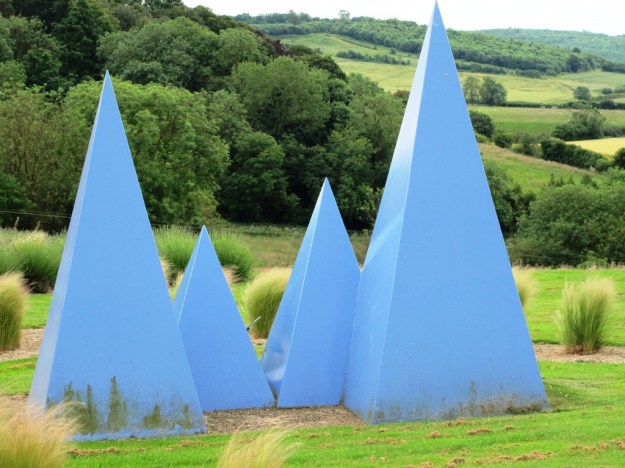
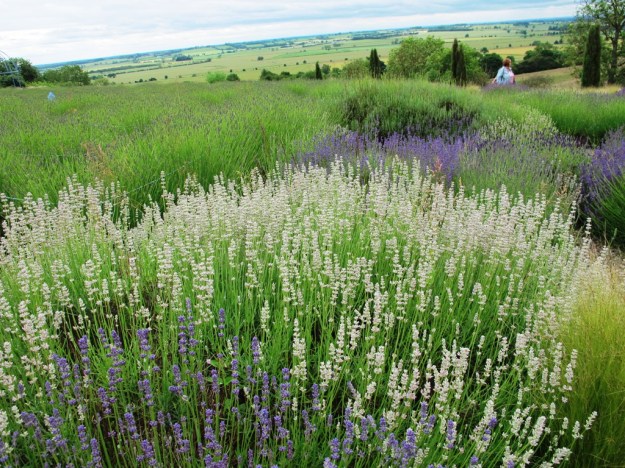 I like lavender. I really enjoy the open fields of lavender which are so evocative of a different climate. It is not a plant for our fertile conditions with high humidity and high rainfall all year round. I have just one plant left and it lurches on from year to year, clutching at the remnants of its life. I liked the way Yorkshire Lavender didn’t just keep to lavender but were extending into the New Perennial style as well with their mixed plantings and the mandatory grasses.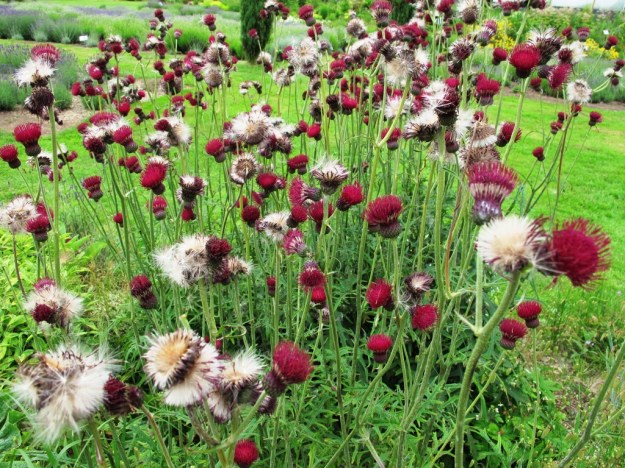




 Tikorangi The Jury Garden