Tag Archives: early flowering daffodils

Bits and bobs on a winter’s day

It has been a bitter cold week over the entire country, it seems. These matters are all relative; our daytime temperatures have barely made double digits so sitting in the 10°C to 12°C range with night temperatures about 10° lower. We have certainly complained at length about it. I have been most appreciative of the cheerful narcissi in flower. Yellow must be the most universally cheerful colour of all.

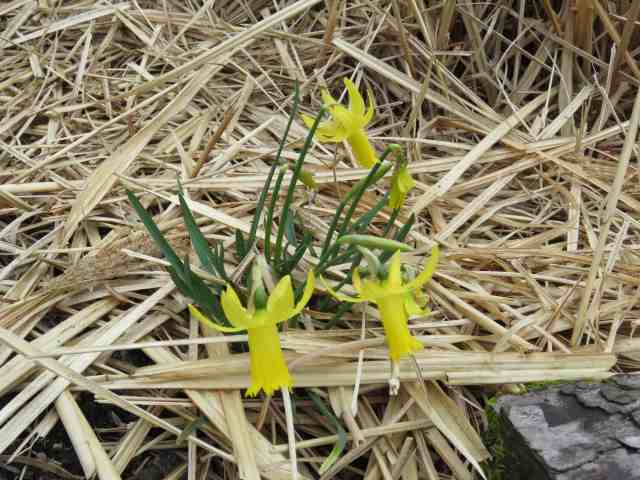
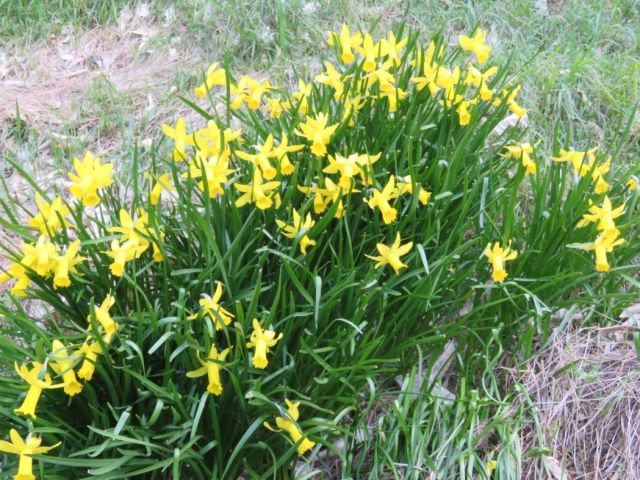
Narcissus cyclamineus hybrids raised from seed

We like the early flowering ones. They cheer up a winter’s day and they are done, dusted and starting to die back when the nasty narcissi flies start hatching out as spring warms up. If you think your narcissi are reducing in number or if they are all foliage and no flower, dig up a few and examine the bulbs. If they feel soft when you press them and if they have few or even no roots, then you have an infestation of narcissi fly.
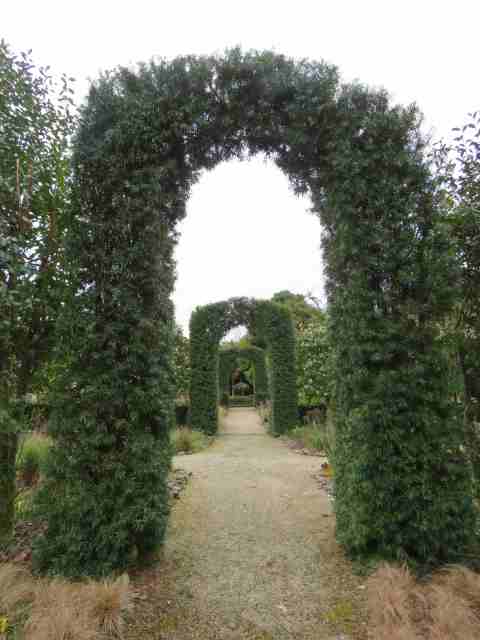
Three archways of Podocarpus parlatorei

Zach has started the spring trimming round. First up were the Podocarpus parlatorei arches. It is a podocarp, as is our native totara, but this one is from Argentina. Mark had them as pillars but when Zach joined us in 2021, he started training them as arches. We own good, tall ladders in case you are wondering. Unfortunately it all has to be clipped by hand because the stems just bend with the electric hedgetrimmer but the end effect is to add some formality to the summer gardens, a defined axis.

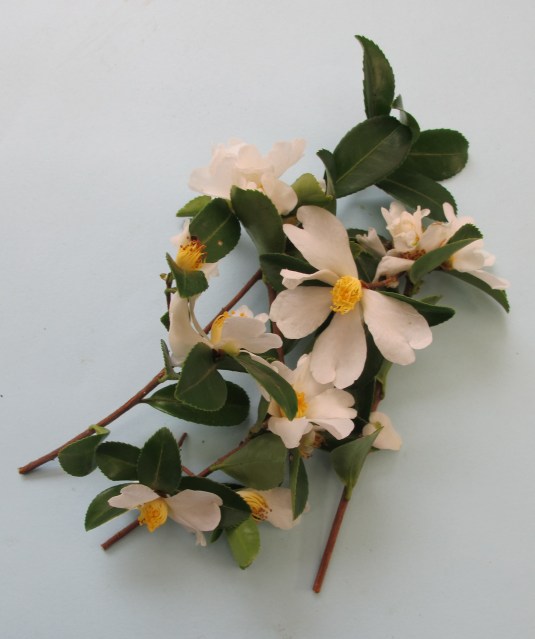
Wavy hedges but in camellia plants, not the more common buxus. We had three visible frosts in a row on this week of cold temperatures.
Camellia microphylla is pretty enough in flower in autumn but it only has a short season

The arches terminate at what we refer to as the wave garden on account of the wavy hedges. Those undulating hedges are not an original idea; we have seen them used overseas and they are a hallmark of English designer, Tom Stuart Smith. However, they are usually done in buxus hedging. Our ones are in Camellia microphylla. This species camellia has a short but pretty enough flowering season in autumn so it has finished for the year. The advantage of using a camellia is that it doesn’t get buxus blight and can be left entirely to its own devices bar one trim after flowering and second tidy-up after its spring flush of fresh foliage.
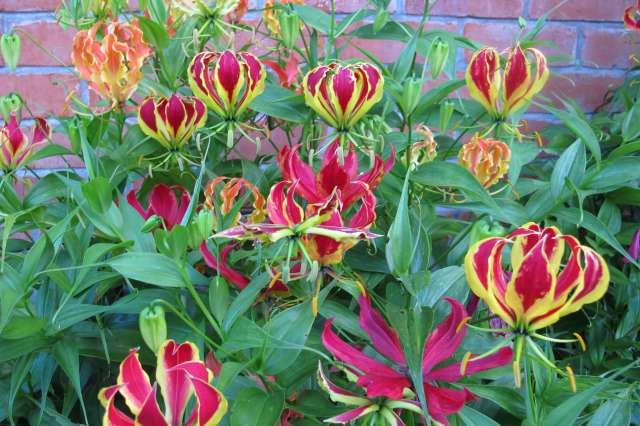
Gloriosa in bloom during summer
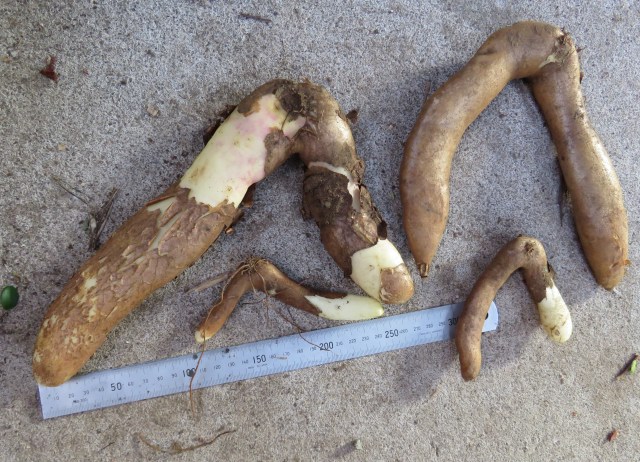
Gloriosa tubers are more commonly the size of the two which are on the bottom

Look at these gloriosa tubers! The so-called climbing lily is not a lily but it is a good cut flower in summer. It is also making itself a great deal too comfortable so we are often thinning them. Zach dug out a bucket full and verily, we were astonished at their size. The smaller two at the front of this photo were what we would usually refer to as a good size, certainly not small. But they are utterly dwarfed by the big thumpers. Gloriosas are actually part of the colchicum family. The gloriosas grow from the tips, not from the centre V (which was last year’s growth point) so you need to make sure your tubers have at one intact tip, preferably two if you are buying it.
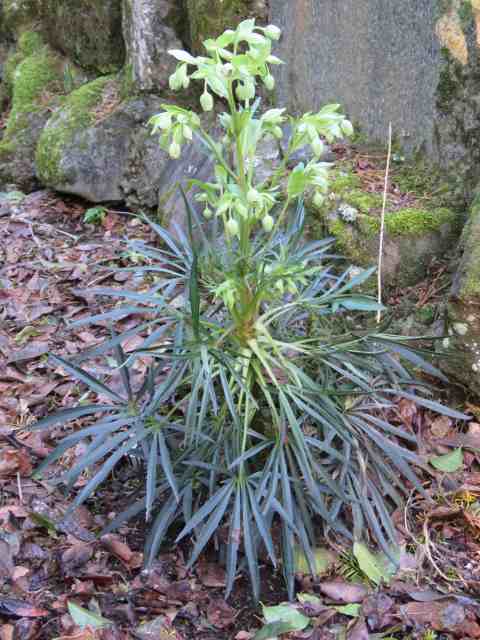
Helleborus foetidus deserves a more flattering name

Finally, I say I am not the world’s greatest fan of hellebores but really, I think I should limit that to the common Helleborus orientalis. I think they often perform better in colder climates whereas we can grow some lovelier plants in our generally temperate conditions (cymbidium orchids, amyone?). But look at this fine, self-sown specimen of Helleborus foetidus. And spare it a thought. I went to check the spelling and came across its Wikipedia entry:

Helleborus foetidus, known variously as stinking hellebore, dungwort, setterwort and bear’s foot, is a species of flowering plant in the buttercup family Ranunculaceae, native to the mountainous regions of Central and Southern Europe and Asia Minor.

What did it ever do to deserve descriptors of stinking and dungwort. Dungwort? I have never actually noticed its aroma but I have often thought ‘now there is an under-sung, remarkably elegant plant’.

Stay warm if you are in Aotearoa this week. Stay cool if you are in the northern hemisphere, suffering from extreme heat, drought and rampant fires.
Rays of golden sunshine

The narcissi tell us spring is here, irrespective of what an arbitrary calendar says.

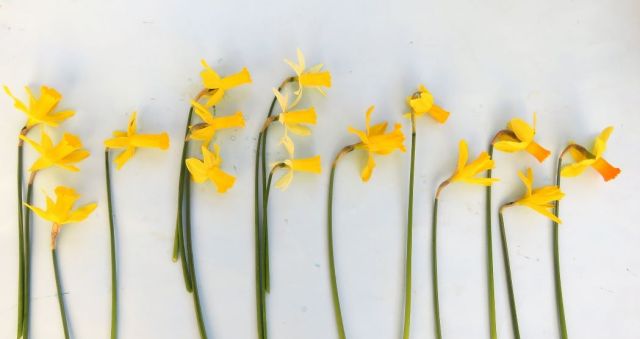
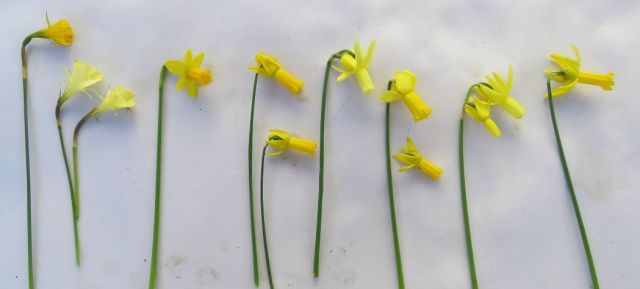
A representation of those narcissi currently flowering

We once went to the National Daffodil Show when it was held in our local town. Alas, despite trawling through my files, I can not find the photos I took to convey the nature of the show. It was beautifully staged and moderately spectacular – in a daffodil-y sort of way. It was also an interesting insight into how those who breed and show daffodils are on a different trajectory. Bigger was undeniably better, extraordinarily long stems topped with enormous flowers, split corollas galore, a lot of different colour combinations and novelty variants. These were blooms grown to be staged as cut flowers. The little dwarf and miniature types were confined to one very small and somewhat insignificant table.

Our interest in narcissi begins and ends with them as garden plants or naturalised in a meadow situation. I cut some simply for photos yesterday. Because we over-heat our house in winter, we don’t generally cut flowers to bring inside where they immediately wilt and die. And those big show daffodils don’t make good garden plants in our conditions. The heavy heads pull them over and heavy rain and spring wind knocks the blooms about too much.

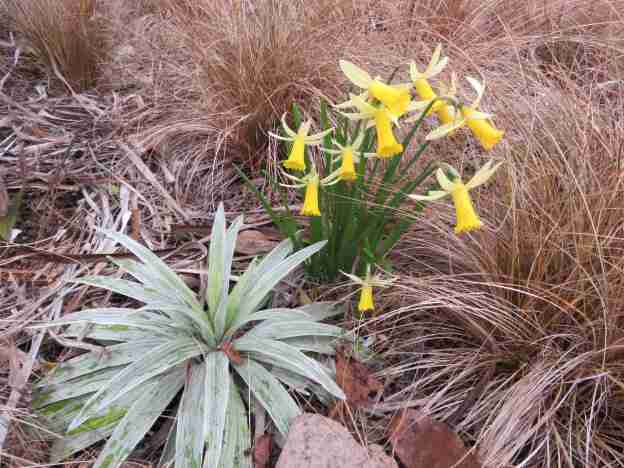
Peeping Tom at the front – reliable, tough and maybe a little too enthusiastic in its rate of increase. We do seem to have rather a lot of it.
These will be named varieties from the 1950s because they are a relic of original planting done by Felix and Mimosa when they started the garden here.

We don’t have a single big King Alfred type often favoured by people wanting to planting swathes of daffodils. Amongst other things, they flower later in the season. We prefer the early flowering types because they are largely done and dusted before the narcissi fly are on the wing.

Cyclamineus type

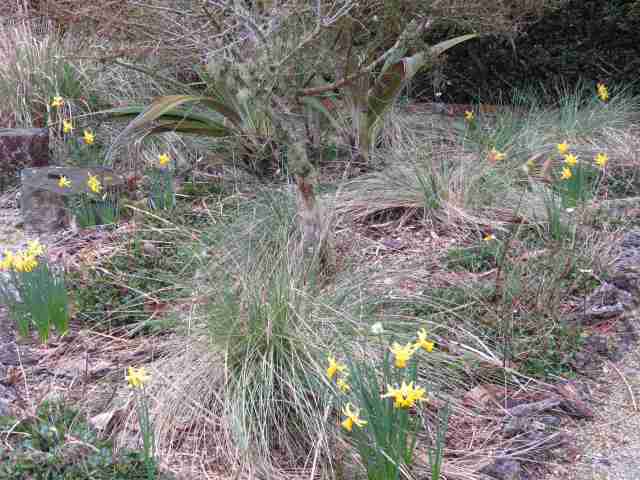
Our narcissi flower over a reasonable period of time and some are still to show any colour at all. While we probably have a respectable collection of named dwarf varieties (Tête-à-tête, Jetfire, x Odorus, Twilight, Beryl, Peeping Tom and others), many of those we grow are unnamed, controlled cyclamineus crosses that Mark and his father before him have done to increase numbers. It takes a lot of bulbs to naturalise around the garden and the plant budget here has never stretched to buying bulbs by the hundreds or even thousands needed to put on a good show. We could not afford to garden on the scale we do if we had to buy all the plants.

I have never unravelled the different narcissi groups in detail. We grow the hooped petticoats – N. bulbocodium – in lemon and the later flowering bright yellow but they are not my favourites. The bright yellow is showy but increases somewhat too readily, the lemon (citrinus) may need a bit more love than it gets here to flower well.

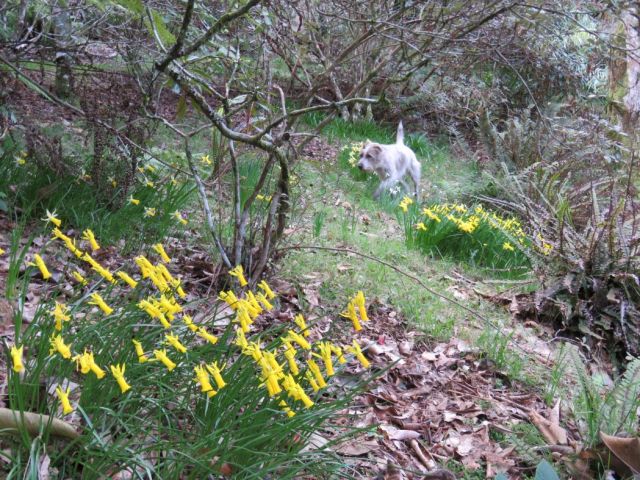
I would like to say Ralph is tiptoeing through the daffodils but I would be lying. His movements are more akin to thundering.

I love the look of Narcissus poeticus but it doesn’t love us so the best we can manage is the poeticus hybrid ‘Beryl’. We have some from the triandrus, jonquilla and tazetta groups but the reason why our collection is heavily dominated by cyclamineus types is because they are the best performers in our conditions. The ones with swept back petals are a particular delight for me.

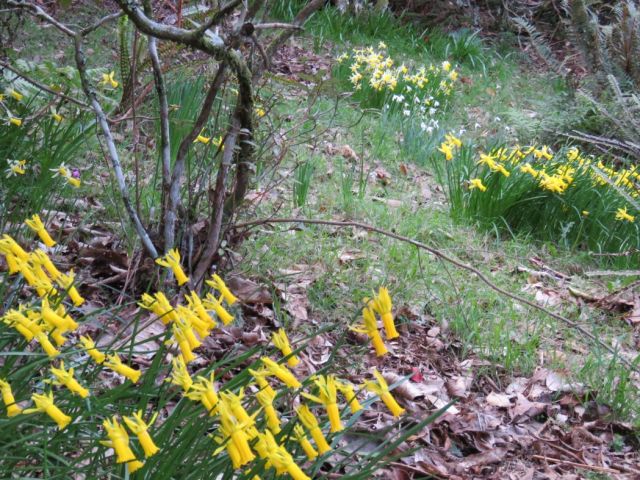
Managed meadow! Planting on the slope gives and even better view from the path below.

It isn’t necessary to have big King Alfred types for meadow situations. I think our smaller dwarf ones are just as showy but we plant in clumps and drifts rather than scattered single bulbs and they flower before all the spring grass growth that would drown them. We need to get the timing right for mowing or strimming the meadow grass before the foliage comes through but otherwise, they are self-maintaining. And what a joy they are at this time of the year as the snowdrops of winter fade.

The bad news is that most daffodils sold commercially in this country are of the later flowering King Alfred type – big strong growers with big heads. The smaller growing ones are sometimes available in garden centres but you may have to search to find much of a range, or start raising your own from seed.

These are the largest varieties we grow. The manky first one of the left may be Narcissus pseudonarcissus double, then Silver Chimes, I don’t know what the next one is, the centre one with white petals may be the Narcissus pseudonarcissus (the wild daffodil), then Peeping Tom and Narcissus x Odorus.
Mid-sized dwarf varieties including Twilight, Twinkle, Jetfire and unnamed seedlings
And the littlies with bulbocodiums to the left