

Mood photos from my archives, though this is our kitchen
As I was driving into town, I caught a small snippet on the car radio about food. And the interviewee declared that a balanced diet is more important than worrying about the pros and cons of one particular food (could diabetics eat sweetcorn, was the question that led to this statement) and that we should (wait for it) all be aiming to eat twenty-five different fruits and vegetables a week.
 That got me thinking. Do we eat twenty-five different fruit and veg week in and week out? The recommended daily intake of five plus is no issue, but that is servings of fruit and veg, not different types. We are large consumers of fresh fruit and vegetables but do we reach twenty-five different ones? When I say we eat a lot, we are maybe 90% vegetarian these days. Mark starts his day with avocado on toast, I have fresh fruit and muesli. Lunch is always a fresh fruit salad with five or six different fruits and Greek yoghurt. Dinner includes a fresh salad, a cooked green vegetable and a vegetable and carbs-based dish that contains protein. We can eat like this because we produce most of our own food, though I use the word ‘we’ in the royal sense. Mark grows the food crops. Were we buying all our food, I can’t imagine that the range of fruit and veg we eat would be anything near its current level. I blench at the thought of traversing the supermarket fresh produce section for the weekly shop and trying to select twenty-five different options. I mean, how many more of those resusable mesh produce bags would I need? (Answer: another nineteen).

Sorry, the dried fruit in the Christmas cake does not count
So could we get to twenty-five in a sample week? What could be counted and what couldn’t? I had no idea, I hadn’t been listening that closely to the interview but I surmised that frozen veg count, if in their natural state. Not that this is relevant for us as it is mid-summer here and we don’t eat frozen veg in summer (and not a lot in winter, thanks to Mark discovering the benefits of the cloche). So frozen is in, tinned – I don’t know. I have my doubts. Dried, no. This ruled out all the dried legumes we eat unless they are reconstituted as bean sprouts. (You can see we were getting right into this). It also, alas, rules out dried fruits so the Christmas cake can not be counted. There was an open verdict on olives.
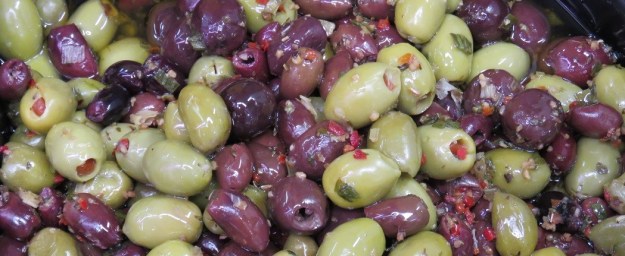
Not sure whether olives qualify or not
I did get to twenty-five this week. About eight different fruits – half homegrown, half purchased. And the balance in vegetables of which only four were purchased. Though, I admit, the number was inflated by the lull in summer lettuce forcing Mark to go for summer salad greens that are more reminiscent of herbal ley than anything else (mustard, dandelion, chickweed, rocket and onion greens, he tells me, in last night’s salad).
We have no problems with the new planetary diet that hit the headlines this week from the Eat-Lancet Commission. It is close to how we are eating now. But twenty-five different fruit and vegetables a week (which was entirely unrelated advice from another source)? I think that may be more aspirational than practical for most of the population. 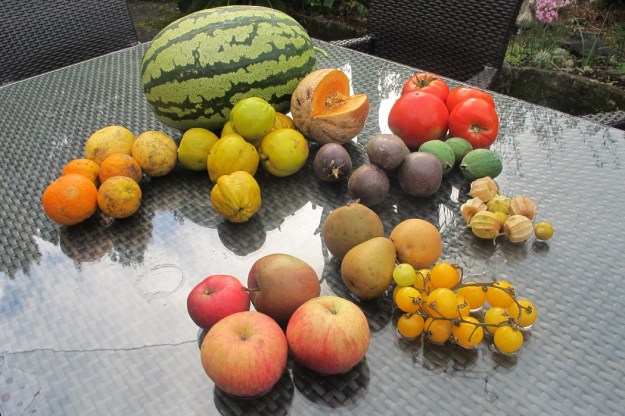
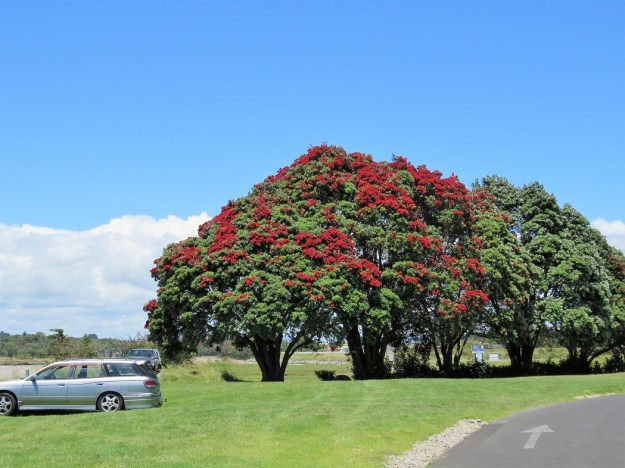
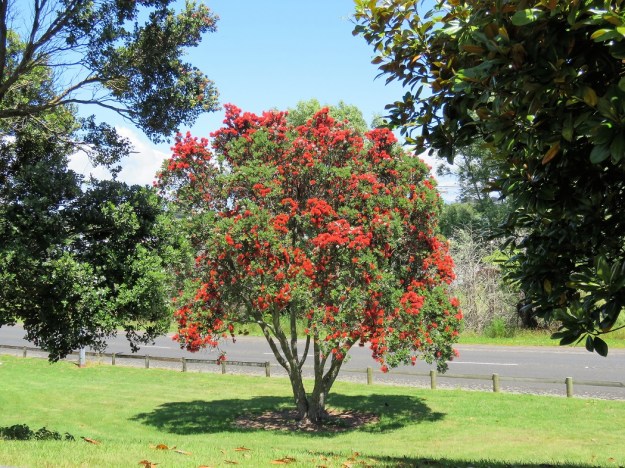
 The story of a New Zealand Christmas is inextricably bound up with the annual blooming of our native pohutukawa trees – Metrosideros excelsa. Truth be told, they only occur naturally as far south as northern Taranaki where we live and Gisborne across the island, (but not in the middle where it is too cold for them). Fortunately, most of the country is happy to go with descriptor of the New Zealand Christmas tree.

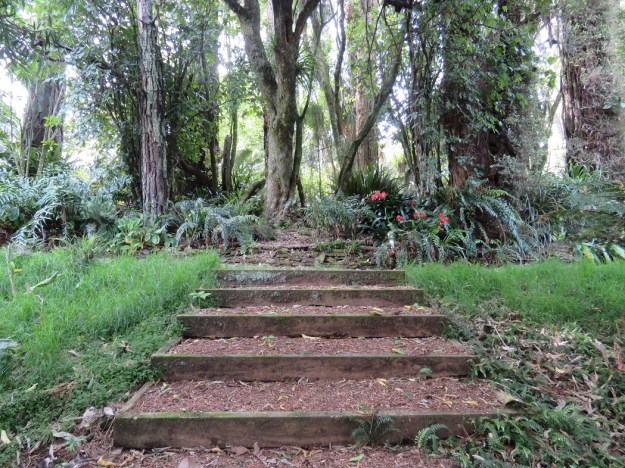
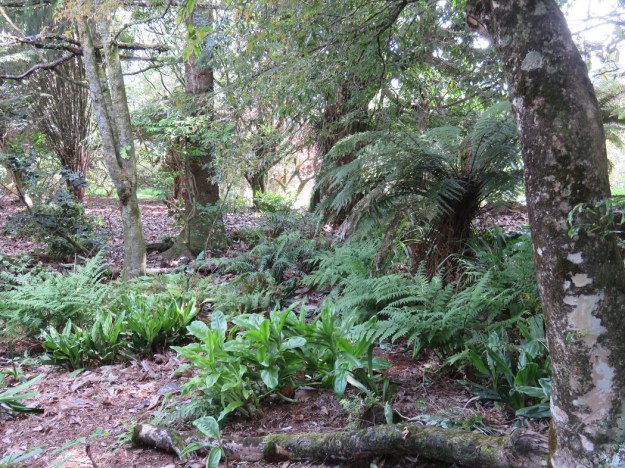
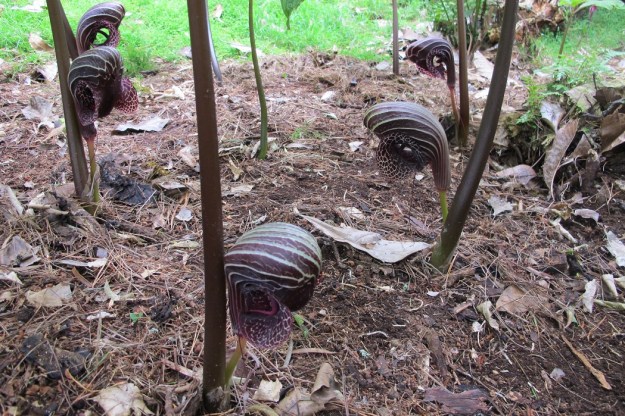
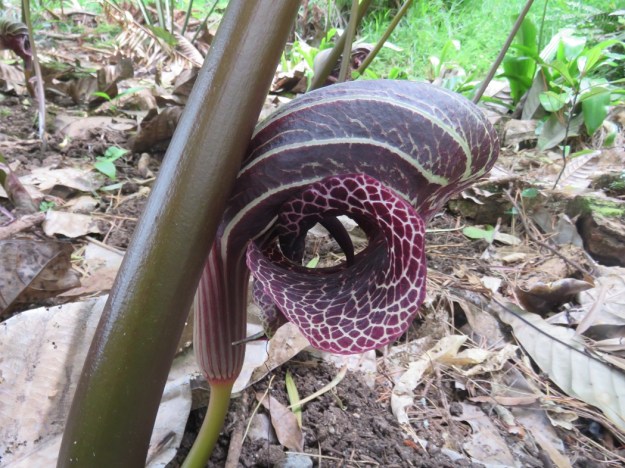
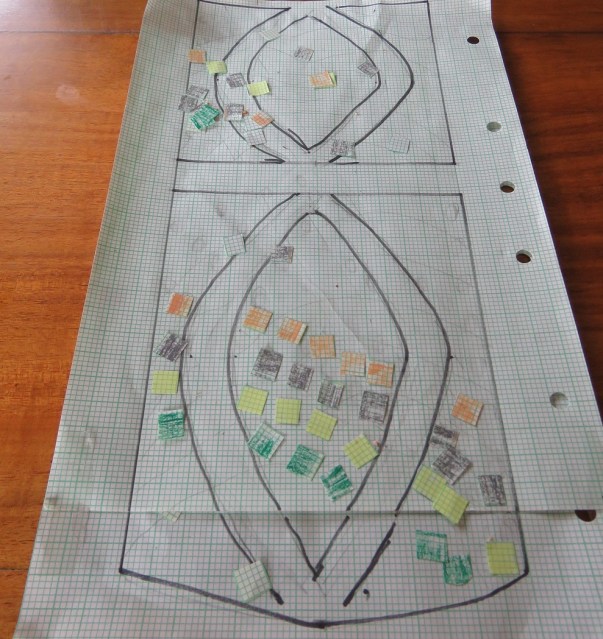
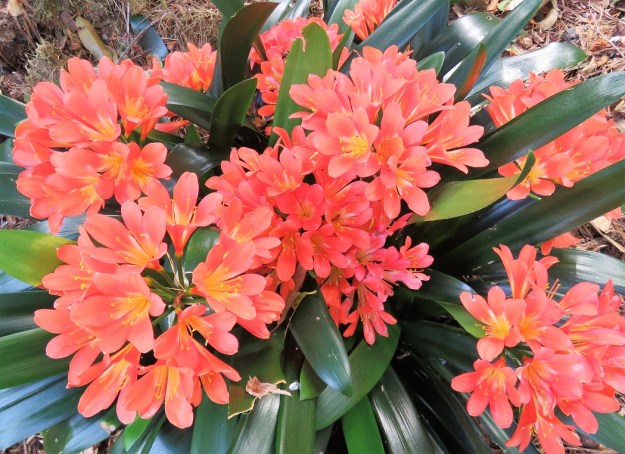 Having seen the occasional garden that suffers from the ABC syndrome (another bloody clivia, mass planted), I have been trying to drift them through the shaded areas, mostly areas that are loosely maintained at best. It takes longer to plan a drift than a mass planting and drifting a couple of hundred clivia plants without making them a mass takes a while.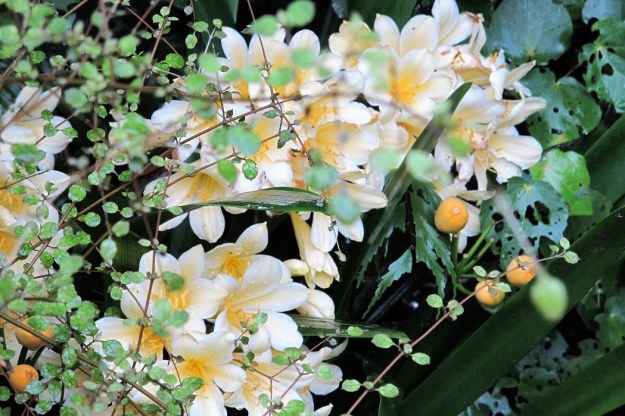
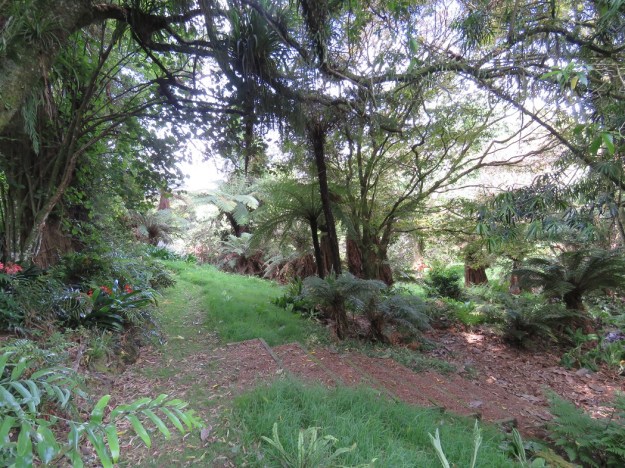
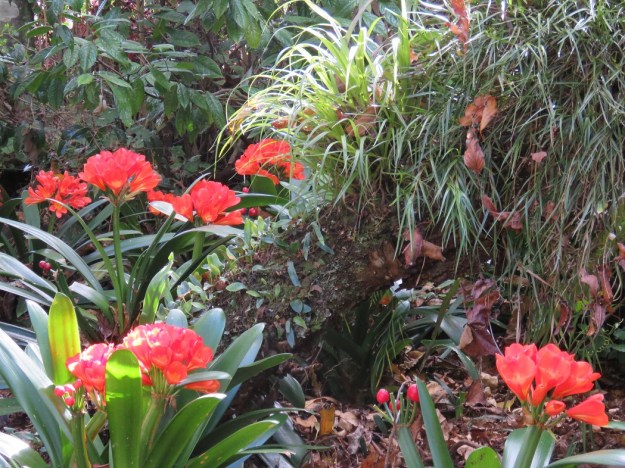
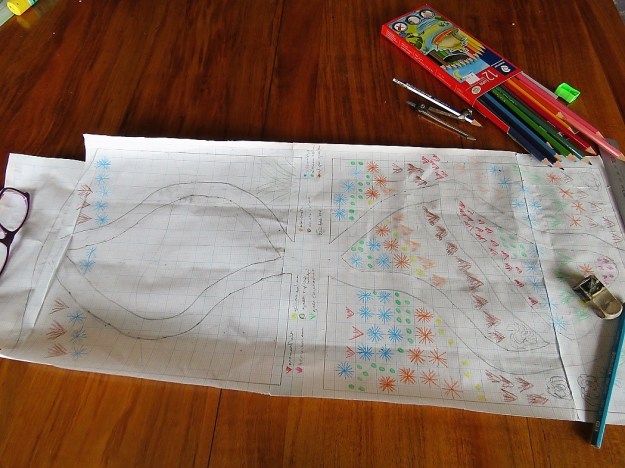 Mark has been laughing at me and calling me Gertrude. This is a reference to Gertrude Jekyll so I will take it as a compliment. It is all on account of my working on a planting plan. On graph paper, with coloured pencils.

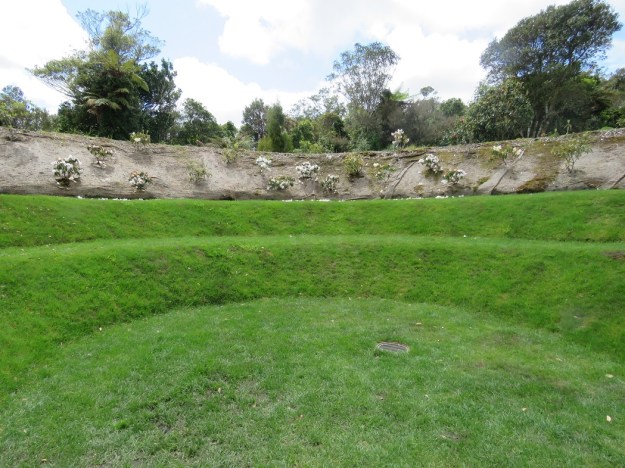

 At ground level, the construction of the island rockery beds varies from ankle height to knee height to thigh height – sometimes all in the same island bed. The paths have also been lowered which accentuates the garden elevations. Truth be told, the lowering of the paths was probably in part to get soil to fill the raised beds but it is a detail that is less obvious from above.
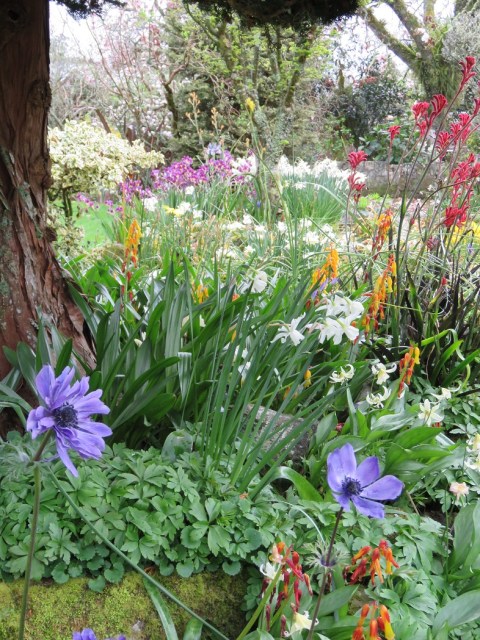
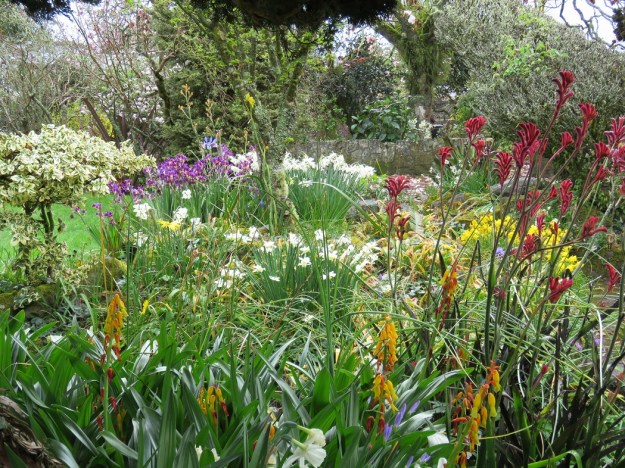 Yesterday, on a grey day, I looked at some of the views within the rockery and was delighted that it was like an Impressionist meadow, albeit in miniature.
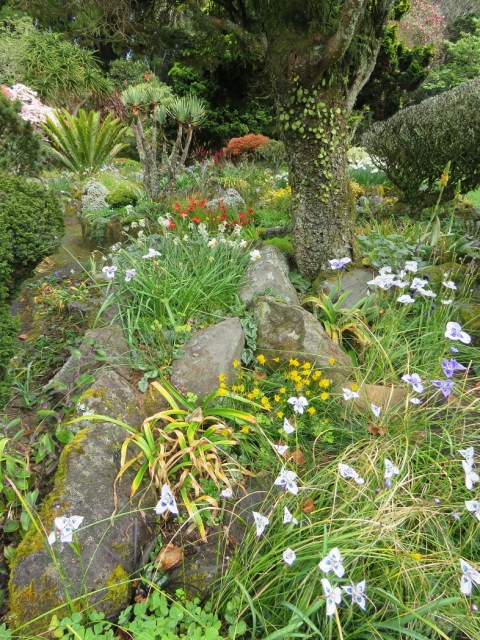

 At the end of March this year, I wrote about
 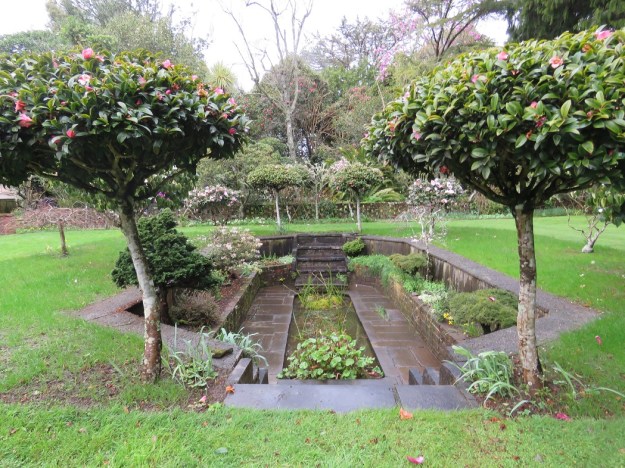 Sometimes there are unforeseen consequences. And we did not forsee this one. Clearly, the cultivated garden borders that were there before soaked up a lot of water. As soon as we cleared them and levelled the ground, the sunken garden started flooding. It is the lack of vegetation, we thought. When we get heavy rain, it is turning the soil to a smooth surfaced, muddy area that sheds the water immediately rather than absorbing it. When the grass grows, it will be better. But no.
 We get heavy rains here, torrential at times. I usually observe that in a climate with relatively high sunshine hours and a relatively high rainfall of 150cm, it means that the rain tends to be heavy and then the skies clear and the sun comes out. We also have excellent drainage; surface water is absorbed within twenty minutes of the rain stopping. But this does not solve the sunken garden problem. The pond is filling with mud, the goldfish are unhappy and the little raised gardens which are in the sunken area are full of treasures that are threatened by the sodden soil.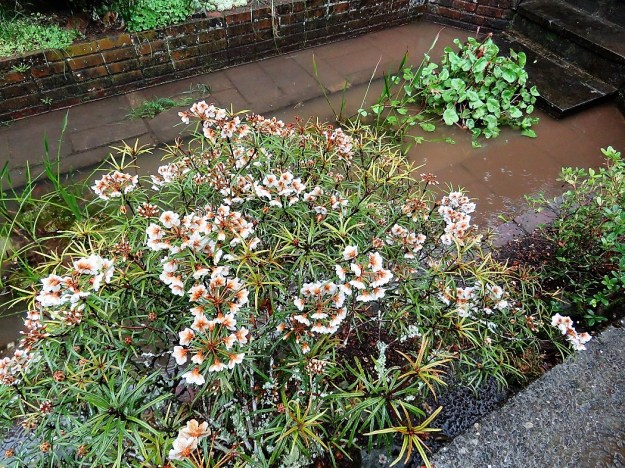
 Tikorangi The Jury Garden