Tag Archives: autumn bulbs

Autumn is icumen in

It is indubitably autumn. Not only do the autumn bulbs tell us this, but the night time temperatures have dropped considerably. It is the time of the year when we have our annual debate about whether it is time to start lighting fires yet.


We live in relatively large house. Not, I hasten to add, large by modern McMansion standards. We may have five double bedrooms (some almost palatial) but we lack the requisite six bathrooms of such modern, aspirational mansions. Lacking a maid or housekeeper, I am not perturbed by their absence and am happy to make do with just two. But we also lack the heat ducting systems that go into modern houses. We heat the entire house with wood collected from around the property. This is by choice. I don’t want a heat pump because I don’t want the humming and whirring that usually accompanies them and we haven’t spent a lifetime of trying to keep our power bills low to give in and splash out now. Not as long as we can manage the firewood.

The 1950s with wetback. Elderly Spike to the left and Dudley to the right

We light two fires. The open fireplace in the dining room is not an efficient heat source by modern standards but it has a wetback and we must be one of the few households whose power bills actually drop in winter because of that hot water.

The dogs prefer the Big Grunter which never throws sparks at them

What we call the Big Grunter in the hallway is a far more efficient heat generator, being of Canadian design where they are used to much colder winters. It heats the cold side of the house and the entire upper story to the point where we can be too hot as a result. The dogs don’t mind. They have their winter daybeds beside the Big Grunter and are happy to snooze away cold winter days. On particularly bleak days, I have seen Mark light that fire in the early morning for the benefit of the dogs.

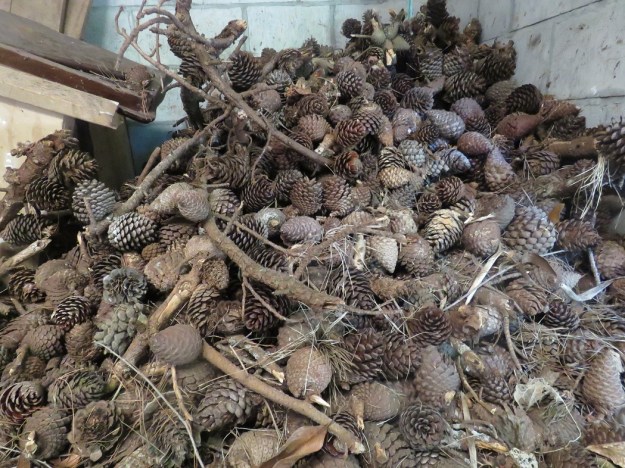
It is the pine cone and faggot time of the fire season. This does not count as burning our way through the winter firewood supplies. It is midway territory. We may be one of the few households with a designated pine cone shed. What we lack in bathrooms, we make up for in sheds here. The volume of pine cones depends on whether one of our massive pine trees has fallen in the year. None have in the past fifteen months so it is just the cones I have picked up from the gardens and lawn but it should be enough to get us through the shoulder season.
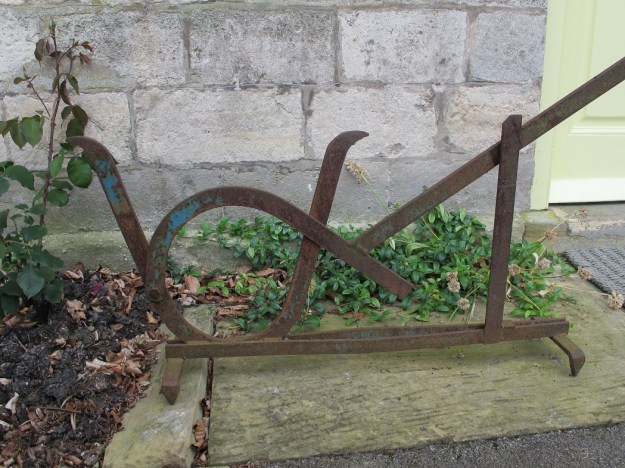
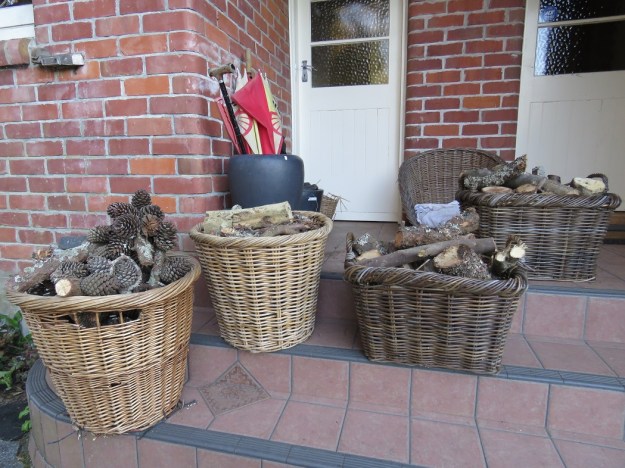
I could do with a faggot binder in my life but I have never seen one in NZ

The enormous eucalyptus at our entrance provides a near endless supply of faggot material all year round

I have decided to reclaim the word faggot from its ugly, homophobic abusive connotations. Besides, what other word can be applied to the gatherings of gum twigs and bark that fall in abundance? Lacking the historic faggot bundler that I spotted at a stately home in Yorkshire, I pack these for kindling into sacks and store them for this time of the year.

It is not cold enough for this daily ritual yet

When winter comes, Mark will take over firewood duties and cut kindling and bring in four baskets of wood each day. Until that time, we will burn our faggots and pine cones and pretend that we haven’t really started to seriously light the fire yet. What do we burn? Anything and everything that falls or is expendable and generates good heat – pine, prunus, schima, camellia and more.

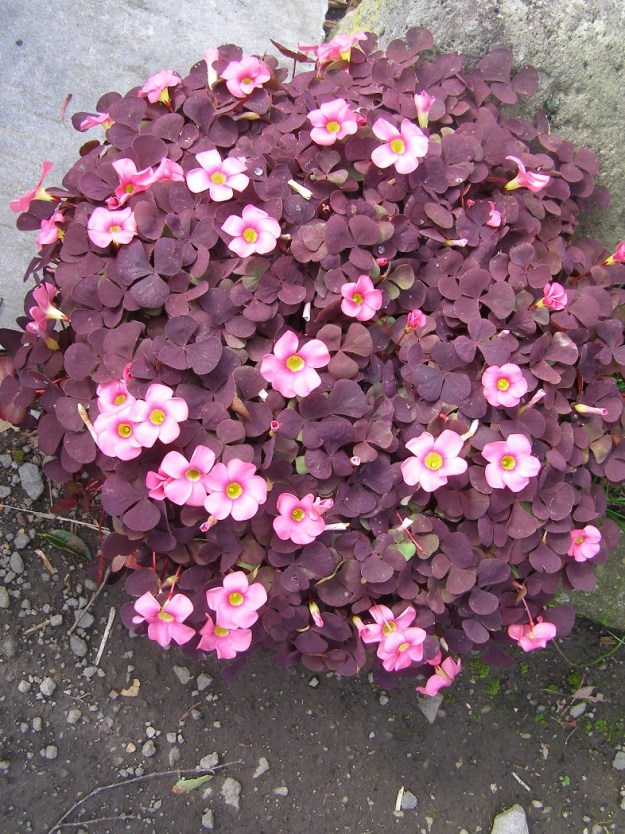
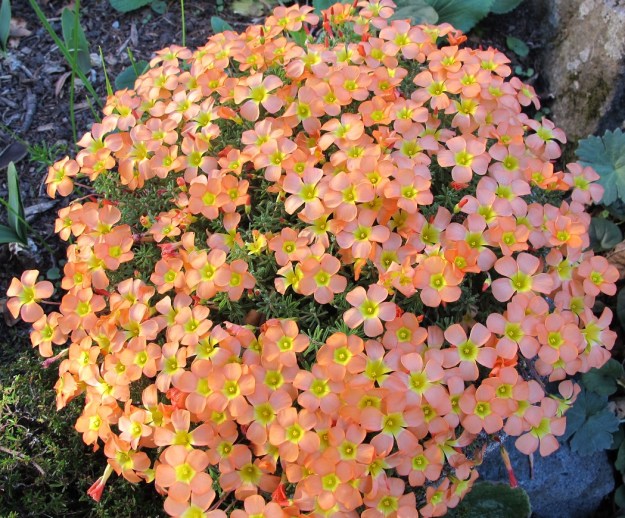
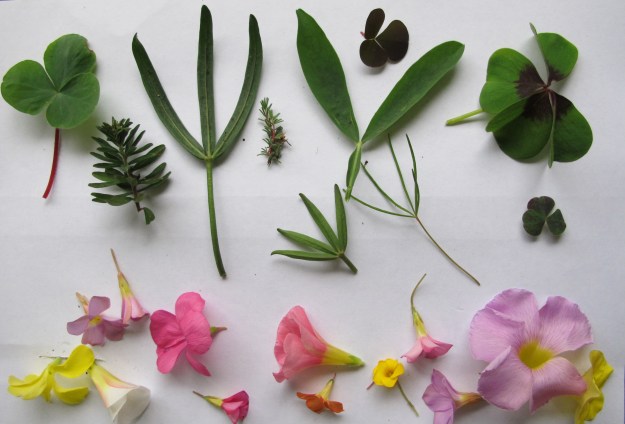
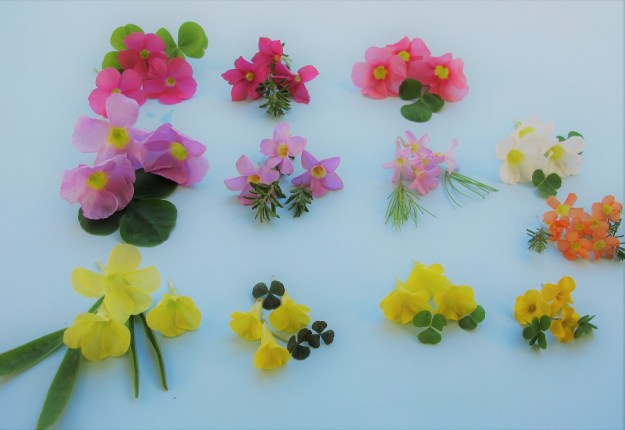
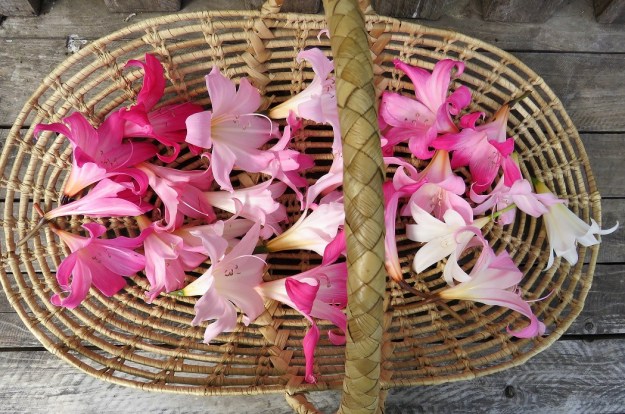
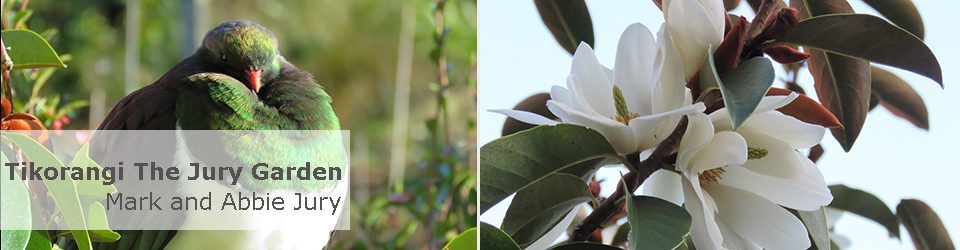
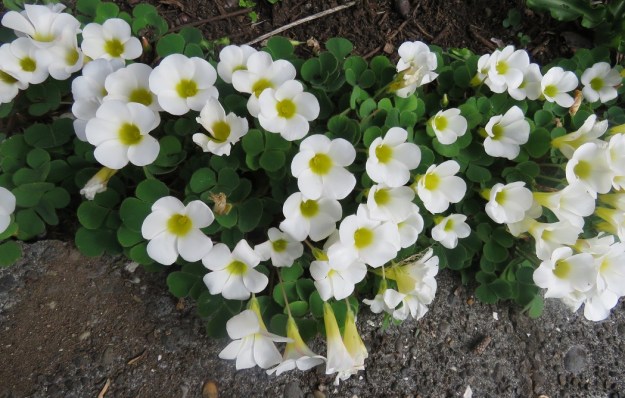
I set out to gather some of the autumn bulb flowers for the top photo but heavy rain and a grey morning meant pickings were limited mostly to Nerine sarniensis hybrids and Cyclamen hederafolium with just a couple of oxalis flowers and one lilac Moraea polystachya open.  I shall return to the oxalis collection another day.

More on belladonnas

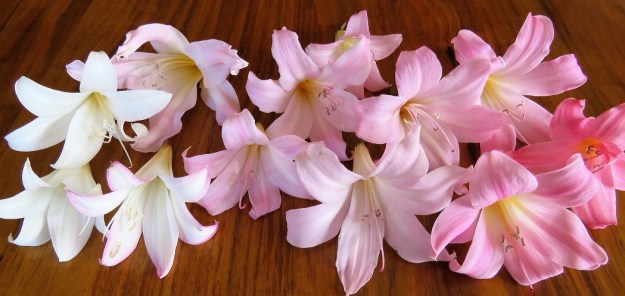
Needing a break from a garden task, I wandered around with my flower basket, curious as to how much variation there is in the belladonna flowers still in bloom, given that ours are all seedlings. A fair amount, it turns out, in colour and size. This was not an exhaustive survey into the average number of blooms per flower spike, variations in flower form and length of time in bloom. There are limits to how interested I am in this particular genus.

Paler hues – 3rd from left has quite a sweet picotee edging. The one on the hard right was a noticeably different colour verging on more apricot tones – presumably the yellow throat bleeding colour further into the pink

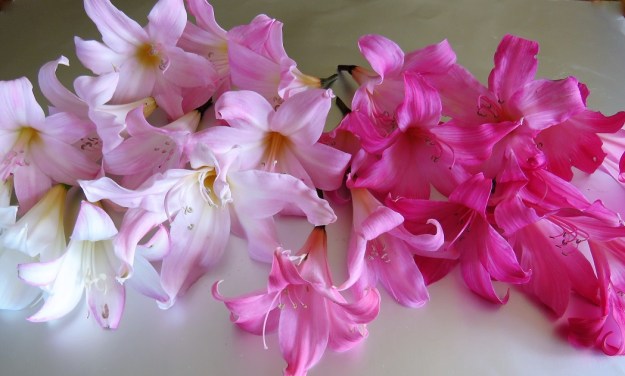
There were a few interesting breaks – the palest form with pink picotee edging, the one which appeared to be developing apricot tones rather than shades of sugar pink, a big deep cerise one with an attractive white star within the trumpet. Some plants have noticeably larger blooms but, as with many plants, this can make the flowers more vulnerable to weather damage and often with fewer flowers to the truss. There is always a trade-off in the plant world.

The deepest coloured forms – cerise almost getting to red – tend to be later flowering and are  the only ones that we have ever had picked by passersby. But that was years ago. These days our road verges are so steep that there is nowhere safe to stop and nowhere to walk so the flowers are safe. It is an ill wind, I guess, though we would prefer more hospitable road verges and slower traffic.
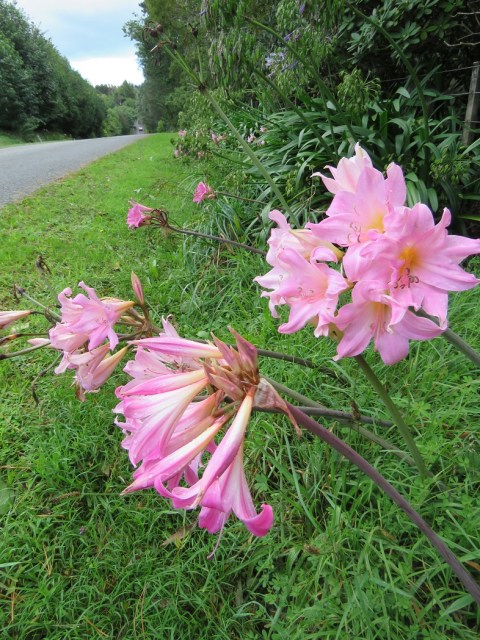
There is only one single species in this family of Amaryllis belladonna but clearly that species is variable within itself. I am not sure that there is a great future for them other than as casual clumps on road verges or in wilder areas of the garden. Lovely though they are on their days, their blooming season is brief, they form large clumps of large bulbs and hang onto their foliage for a long time before it dies off untidily. They don’t lend themselves to the flower garden where they will swamp anything around them and take up a lot of space for their 10 days or so of glory.

  • From the Cape Province of South Africa.
  • Known as ‘naked ladies’ because they put up their flower well before the foliage appears.
  • Summer dormant.
  • Prefer to grow with their necks above ground so they can bake in the summer sun.
  • Thrive on benign neglect and can be left undisturbed for many years.

The end of the long, hot summer is nigh

Belladonnas – a roadside flower for us

Summer continues here with temperatures in the mid to late mid twenties during the day, and often not dropping much below 17 at night. That is celsius, of course. With our near-constant high humidity, it feels hotter. Dry heat is easier to live in. But we are not complaining. Last summer never really arrived and we would have been lucky to have a single day where temperatures reached 25 or 26, rather than the three months so far this year.

Our belladonnas range from pure white through pretty pastel pink to sugar candy pinks and all shades between

What is interesting is that while the temperatures haven’t really dropped, the garden is starting to tell us that autumn is coming. The belladonnas are already past their peak, Cyclamen hederifolium is in full bloom  as is the tiny, dainty autumn snowflake, Leucojum autumnalis. Moraea polystachya has started its blooming marathon.Even the first nerine has opened and I spotted a flower on an autumn flowering camellia – C. microphylla. Haemanthus coccineus is out and the exquisite Rhodophiala bifida have already been and almost gone, their lovely trumpet blooms touched with gold dust now withering away for another year.

Cyclamen hederafolium seed down happily for us now

Some plants are triggered into growth or blooming by temperature, some by seasonal rain (we can do the South African autumn bulbs so well because we get summer rain, even in a drought year such as this has been) and some are triggered by day length. While our weather conditions are still indubitably summer, the day length is shortening and these plants are programmed to respond.

We don’t get sharp seasonal changes because our temperature has quite a small range from both summer to winter and day to night. It will be another three months before the trees start to colour. But the garden is coming out of its summer hiatus and entering autumn, whether we are ready or not.

Stachys Bella Grigio is giving up the ghost. Whiffing off, as we say.

Some plants just like to confound you. I wrote earlier about Stachys ‘Bella Grigio’, the startling white, felted variety that was so happily ensconced in a new garden. Booming away, even. It was setting so many offshoots that I thought I would be able to carpet many square metres by the end of the season. Well, it was an ‘upanddieonyou’ after all. It has been upping and dying like mad in the last weeks. Otherwise known as ‘whiffing off’ here.

I dug up a couple of wilting plants to see what was going on. They are dying from the top down. Their roots are fine. As an aside, if you are puzzled by why a plant is clearly dying, basically they die either bottom up or top down so it is always interesting to carry out an autopsy. Each of these plants was carrying 30 or more offshoots. I took off the ones with roots and have tried replanting them and I thinned out the offsets which had not yet established their own roots because it looked a bit as if the plants were smothering themselves to death in their desire to reproduce. There was no sign of insect infestation.

“It’s probably climatic,” Mark said. His thinking is that we are too humid and it has been particularly so this summer, whereas that felted white foliage is usually indicative of alpine plants. I think it is varietal. I have heard too many stories from others who have experienced specimens of this plant thriving, established and growing well before suddenly keeling over and dying. I cleaned up two plants and replanted the offsets out of curiosity. If I have to do this every year to keep these plants alive, then I am afraid I will decide very soon that it simply is not worth the effort.

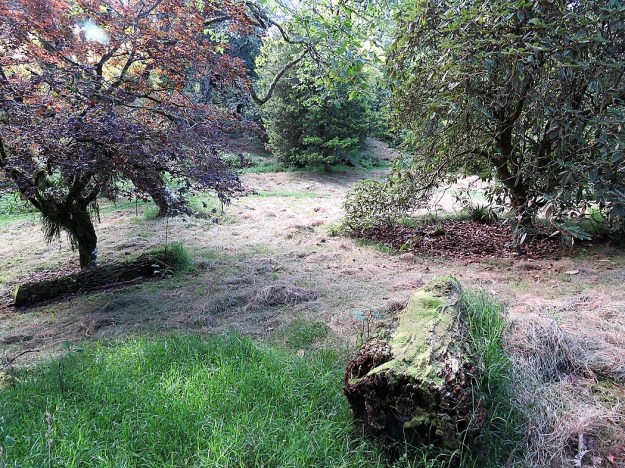
We have mown the meadow for the season. Well, Lloyd has. With our special sickle bar mower, imported from Germany. We are still learning how to best manage the meadow in our conditions and Mark thinks that we are leaving the mowing too late and that it would be best done soon after Christmas for the first mow with a follow up in autumn. Maybe next year.
Mark has just declared that the sickle bar mower is otherwise known as the primary herbivore here. He has been reading about eco-systems and wondering what we could be introducing to NZ, given that our primary herbivore, the moa, is now extinct.

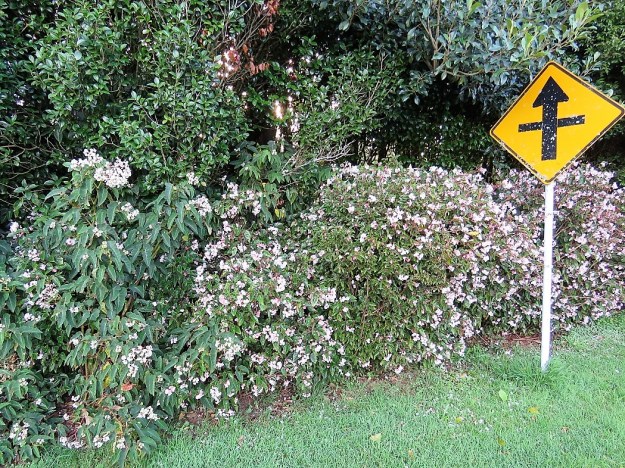
You can tell our climate is mild. We have begonias as a roadside hedge.

A colchicum is not an autumn crocus

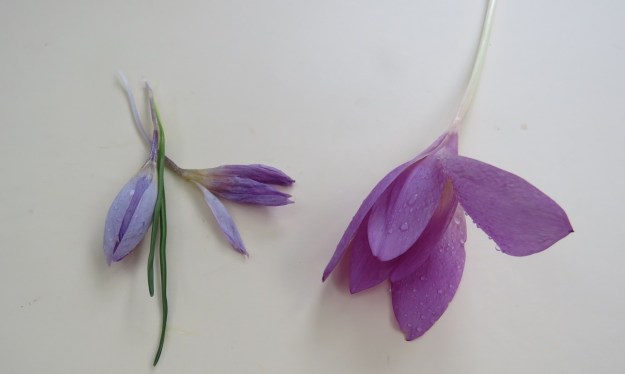
Crocus to the left, colchicum to the right

It is that time of year, dear Readers, when it is time to remind some of you, that the larger bloom to the right is NOT a crocus. Not at all. It is not even a relative. It is a colchicum. The left-hand flower is an autumn flowering crocus, probably one of the C. serotinus group, maybe salzmanii.

Colchicums come from the family of Colchicaceae and the order of Liliales.

Crocus belong to the subfamily of Crocoideae, family of Iridaceae and order of Asparagales.

That is the botanical explanation. The lay explanation is that crocuses are much smaller and daintier and bloom at the same time their fine foliage is coming through. Many of the 90 or so species flower in spring but some will bloom in autumn.

Colchicums flowering now

Colchicums, on the other hand, bloom well before their foliage ever appears and have much larger chalice blooms – and more stamens if you can be bothered counting. Compared to the crocus, they look as if they are on steroids but in fact it is the product of colchicine which is extracted from them. Colchicine’s main use was – or is – as an anti-inflammatory for the treatment of gout. Not one to try yourself at home, however, because it is highly toxic in the wrong hands. When the foliage appears much later, it is large and lush all winter until it dies off, untidily, in mid spring.

Because they flower before the foliage appears, colchicums are sometimes referred to as “naked ladies” (even “naked boys” I found somewhere on the internet though I have never heard that), but that is merely confusing to those of us who understand belladonnas to be naked ladies.

Crocus, but probably serotinus, not the saffron crocus

Crocus, on the other hand, give us saffron. Well, the saffron crocus does but we failed with our efforts to grow it here despite starting with a fair number of corms. They did not reappear after the first season. Too wet and humid, I think.

Colchicums are a better bet when it comes to naturalising bulbs in a meadow setting, being somewhat tougher and showier in such circumstances.

Rock on – our rockery in autumn

Nerine sarniensis hybrids blooming in the rockery

Nerine sarniensis hybrids blooming in the rockery

When I am old and maybe decrepit, needing to draw in the boundaries of the garden, I shall fluff around in the rockery. I really enjoy this area and, as we enter autumn, my heart sings with the new season blooms.

Traditionally, rockeries are for growing alpines and sometimes retaining banks. However, we can’t grow alpines in our climate and our rockery is on the flat. It is pure 1950s vintage, built from a combination of rocks of various sizes, concrete and some brick, with sunken paths and raised beds divided into many hundreds of little pockets of soil. It is designed for highly detailed gardening and at about 20 metres by 10 metres, it is relatively large.

The purpose of the multitude of small beds is to keep bulbs separate and to confine the more invasive ones. Most of the pockets have two or three different types of bulbs in them to give seasonal interest.

There is always something to see, though summer is the toughest season. Because there is so much stone and the beds are elevated, parts of it dry out almost to dust. We have dwarf conifers, cycads, and a few other small shrubs to give both all year round structure and summer shade. There are a few smaller perennials and a limited range of annuals and biennials but generally, the rockery is about the bulb collection.

The range of nerine colours at one time

The range of nerine colours at one time

As we enter autumn, it is as if the rockery heaves a sigh of relief and leaps back into life. All the bulbs whose growth is triggered by autumn rains start to move.

As a general rule, we find that the species bulbs look better. They are usually smaller flowered and more delicate in appearance than the showy hybrids which can look out of scale and even vulgar in this particular context. The exception is the nerines which peak this month. While we grow some nerine species, it is the sarniensis hybrids that dominate. A few of these are of Exbury origin but most are the result of breeding efforts by both Felix and Mark Jury. The colour range is delightful – from white, through every shade of pink including near iridescent highlighter pink, to purple, corals, almost apricot, oranges and reds. Unlike the floristry business, we want shorter, squatter stems so that the heavy heads are held upright even through autumnal weather.

Cyclamen hederafolium

Cyclamen hederafolium

Also lighting up the autumn is Cyclamen hederafolium (formerly known as C. neapolitanum) which hails from southern Europe and Turkey. This is the easiest of the dainty species cyclamen to grow and it has gently naturalised itself here. It throws its first brave flowers up in January but peaks this month. It is one of a number of autumn bulbs that bloom first before the leaves appear. Others are most of the nerines, colchicums and Haemanthus coccineus.

Moraea polystachya

Moraea polystachya

The pretty autumn flowering peacock iris, Moraea polystachya, outdoes almost every other bulb with its long flowering season. It seeds down gently into the cracks between the rocks without becoming an invasive menace. Some of the ornamental oxalis also give extended displays of colour but not all oxalis are born equal and neither are they all born with good manners. The most reliable performers in our rockery are O. purpurea ‘Alba’, O. luteola and O. lobata. They have been here for decades and never looked threatening.

O. luteola and purpurea 'Alba'

O. luteola and purpurea ‘Alba’

Colchicum autumnale

Colchicum autumnale

Then there are the bulbs with a much shorter season. Colchicum autumnale makes a bold statement with its big lilac chalices held above bare soil. Hippeastrum bifida is a transient delight for us. We have it in both pink and red and the blooms look as if they have been touched with gold leaf when the sun shines through. The autumn flowering leucojum is one of the daintiest and prettiest of tiny blooms and the crocus also delight.

Autumn crocus (species unknown) with cyclamen hederafolium

Autumn crocus (species unknown) with cyclamen hederafolium

The rockery is not what I would call low maintenance. The more time I put into it, the better it looks. In spring I completely replaced the soil in maybe a dozen pockets in my efforts to eradicate the pretty but invasive Geissorhiza aspera. I do not lie when I tell you that we have battling it for well over 25 years, hence my extreme action in replacing the soil in the worst affected areas. We have to be vigilant on weeds, slugs, snails, narcissi fly and weevils. I wire brush the rocks from time to time to stop the moss growth from hiding their shapes. There is plenty there to keep me busy in my dotage and, with the raised beds, I can do a lot of it sitting on a stool. Sometimes it is the detail and the little pictures in the garden that delight.

024First published in the NZ Gardener April edition and reprinted here with their permission.