
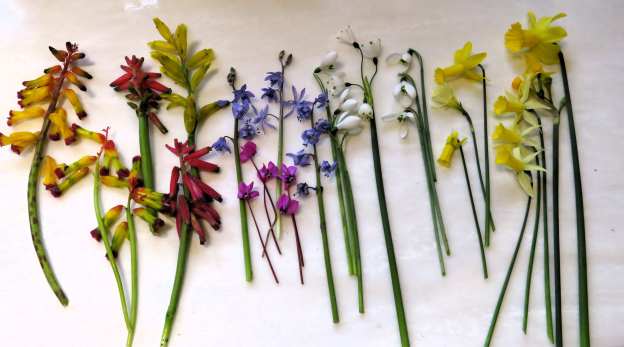
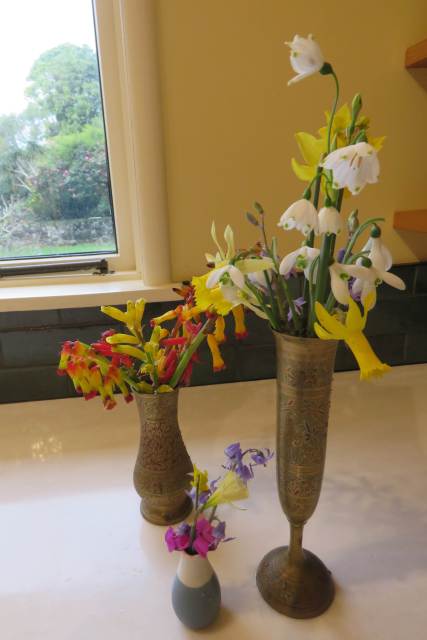
The early magnolias and bulbs are telling us that winter is waning and spring is starting. I noted last month that May and June were quiet months for bulbs. July is not, but it is mostly the daintier bulbs that are opening.
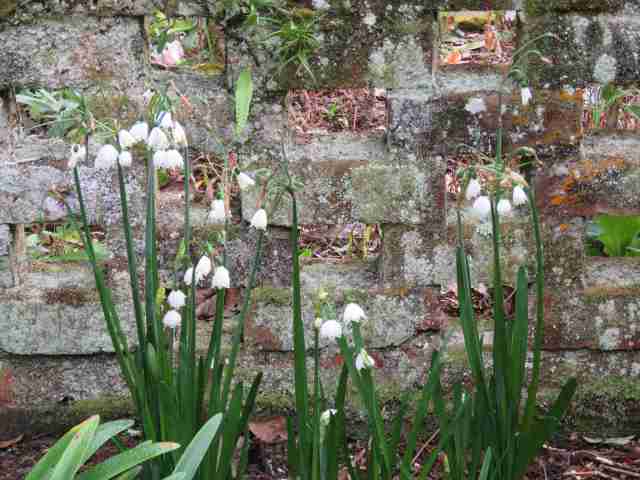
Is this particularly early? Some of us ask that question; others boldly declare, based on ‘vibes’, that this is very early. I thought it was early but it really isn’t. I have checked photo dates from my files and the snowdrops and narcissi are right on cue, as are Magnolias campbellii and ‘Vulcan’.
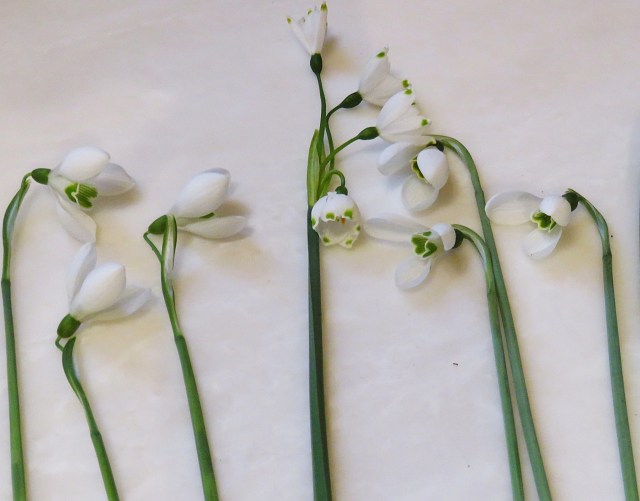
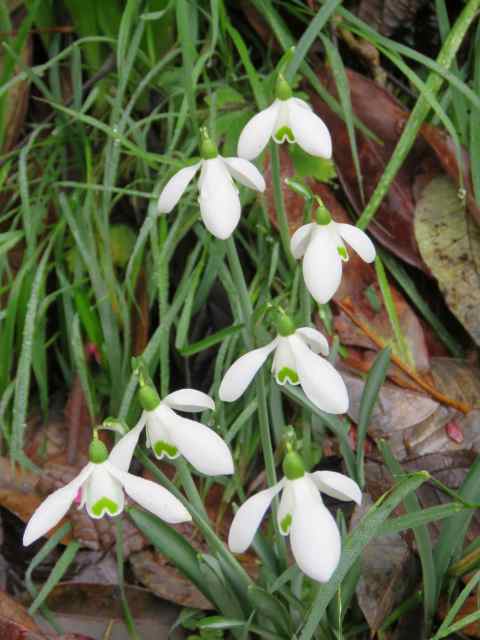
It is indeed peak snowdrop time which is but brief in our area which has only once ever had snow that we know of. I can tell you very specifically that it was on August 15, 2011, quite possibly between the hours of 6.00am and 7.00am. Out of all the snowdrops – and there are many, many different ones – we have ended up relying on just two different ones that perform well and actually increase in our warm temperate conditions. People in colder climates will have a much larger range that they can grow and they will have a longer season. We are confined to Galanthus nivalus ‘S. Arnott’ and Galantus elwesii and we really only get a couple of weeks out of them. The snowflake or Leucojum vernum ‘Gravetye Giant’ flowers over a couple of months.
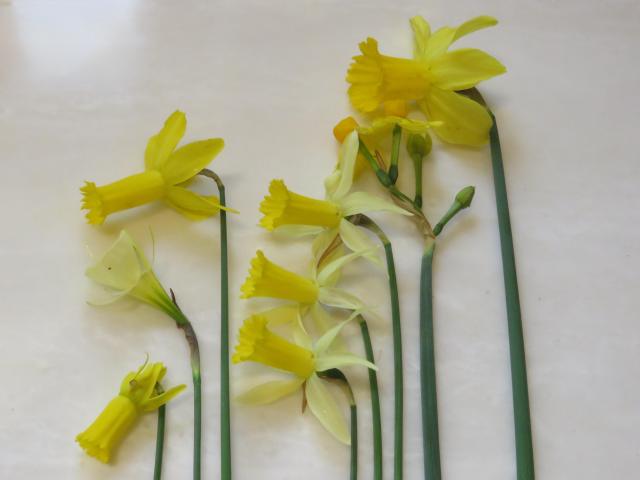
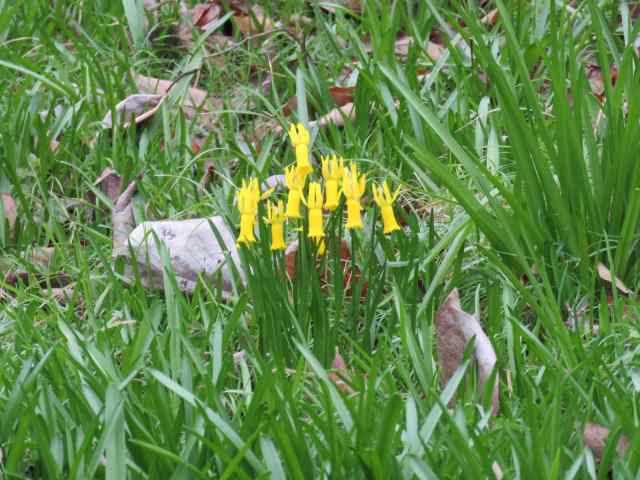
What we lack in range on the snowdrops, we make up for with the daffies. We grow a wide range of dwarf narcissi, both named varieties and cyclamineus seedlings, and the season is just starting. ‘Peeping Tom’ is in full swing. It has an interesting name – maybe it was peeping out as snow melted? Or maybe somebody felt obliged to name it Tom but didn’t wish to? No matter, it is a bold and reliable performer and it certainly doesn’t skulk around quietly. So too is Felix Jury’s ‘Twilight’ a mainstay performer for us. It is sterile so it puts its energies into flowering for a long time and increasing its bulbs rather than setting seed. Next month will see an explosion in the narcissus varieties in bloom and ‘Twilight’ will continue to bloom alongside them.
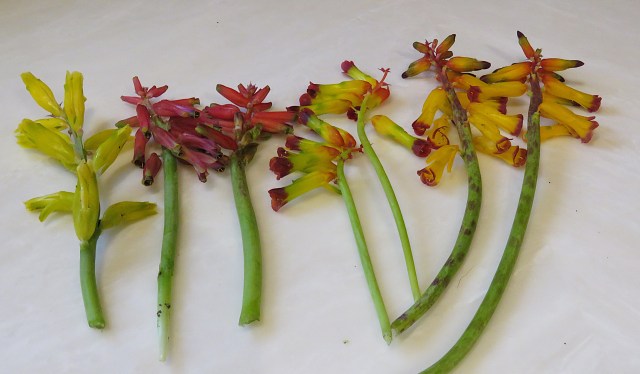
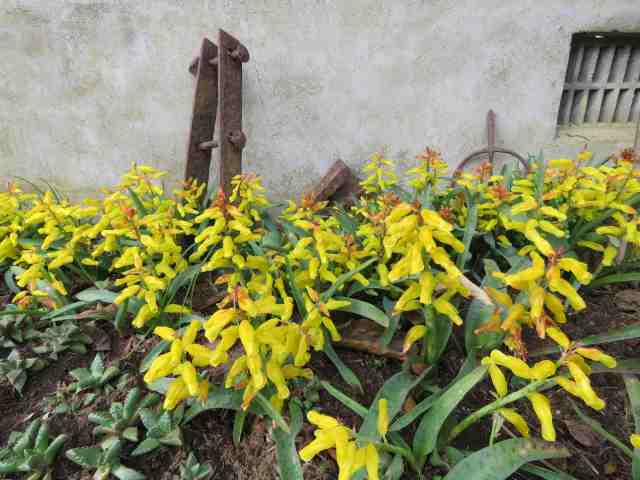
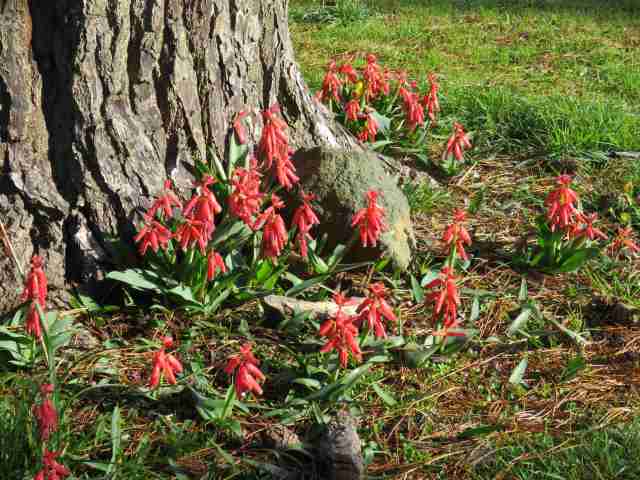
The other group starting its season is the lachenalias. The more desirable pink, blue and lilac ones will come later but these early ones are very cheerful and some have a long season in flower.
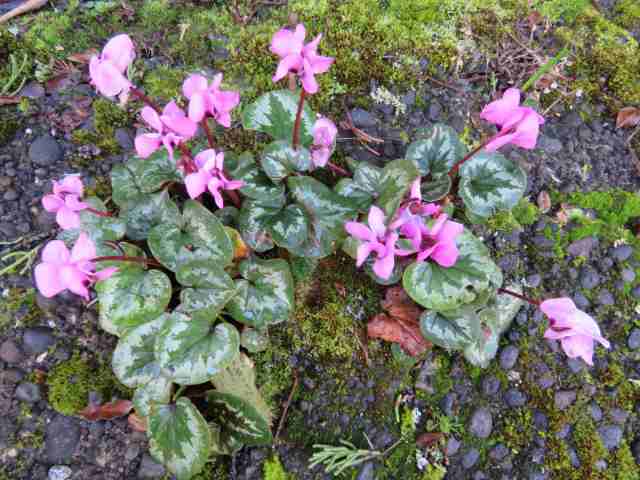
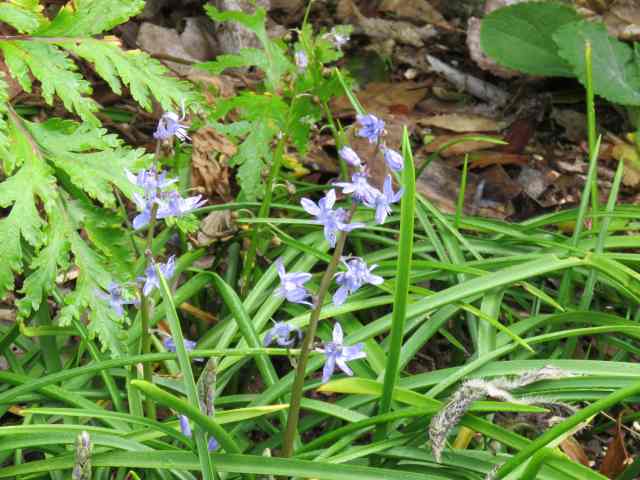
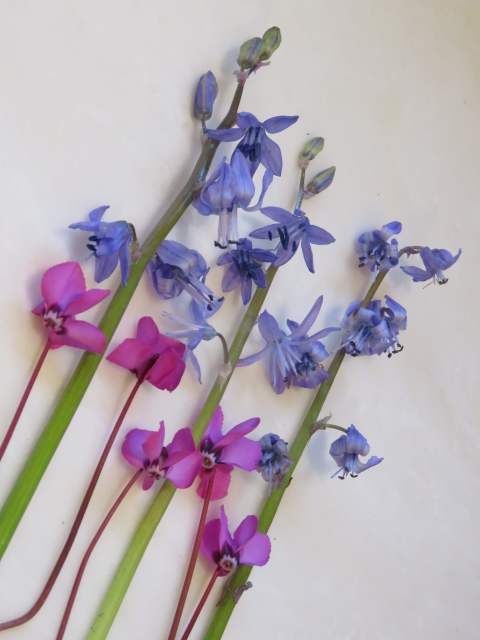
Cyclamen coum flies the flag for this plant family all winter and we have enough to set seed freely. It is smaller growing than the earlier C. hederifolium, and the dominant form we have is more cerise pink. The blue is an early season scilla, charmingly referred to as meadow squill, but I have no idea which one. We will have had a species name on it at some point. I wouldn’t get too excited about it. It is a pretty blue but has too high a foliage to flower ratio and is more suited to meadow planting than rockery. Not choice.
Overall, there is nothing much out of the ordinary but for mid-winter, the earliest bulbs are a very cheerful sight. July is the early harbinger of the peak bulb season of spring. I should give an honourable mention to Oxalis purpurea alba (still!), Oxalis versicolor and the simple blue anemone seedlings that have gently seeded down as survivors from a packet of De Caen mix I planted maybe 25 years ago.
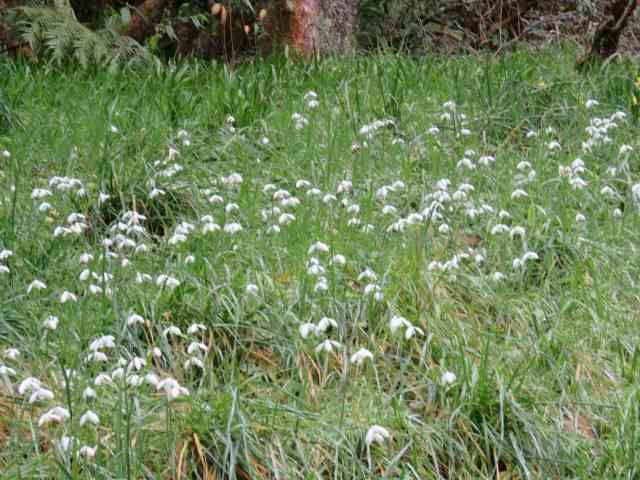
In the ‘you need to be here to really appreciate it’ category, July opens up our season of bulb hillsides down in the park. We don’t have actual acres of snowdrops yet but we do have extensive plantings and they are in flower now. The meadow narcissi are also opening their flowers. We rely on the stronger dwarf forms – particularly Narcissus ‘Twilight’ and cyclamineus seedlings which Mark raised to get high enough numbers to have an impact. Meadow bulbs bring charm through being an unexpected surprise and that is a little visual treat in early spring each year.


I think it just seems early because the weather has been so mild to date we don’t believe winter is technically half way through! Trees, shrubs and bulbs in my garden are about where they usually are for this time of year.
The plants are right, I’m the one that can’t believe we’re approaching the end of July!!
True!