Tag Archives: early flowering narcissi

Is it spring yet?

The early magnolias and bulbs are telling us that winter is waning and spring is starting. I noted last month that May and June were quiet months for bulbs. July is not, but it is mostly the daintier bulbs that are opening.
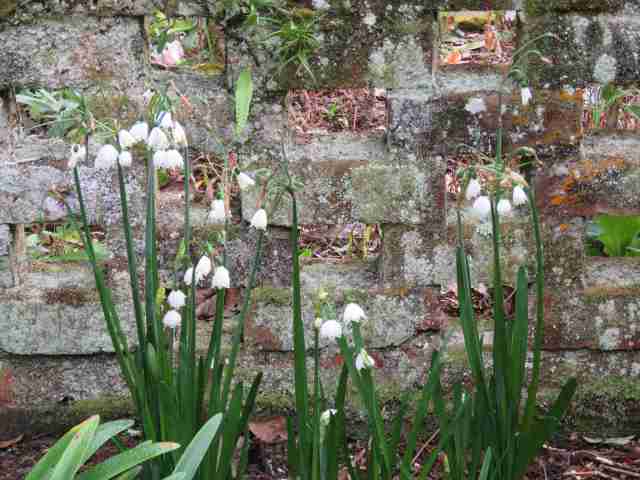
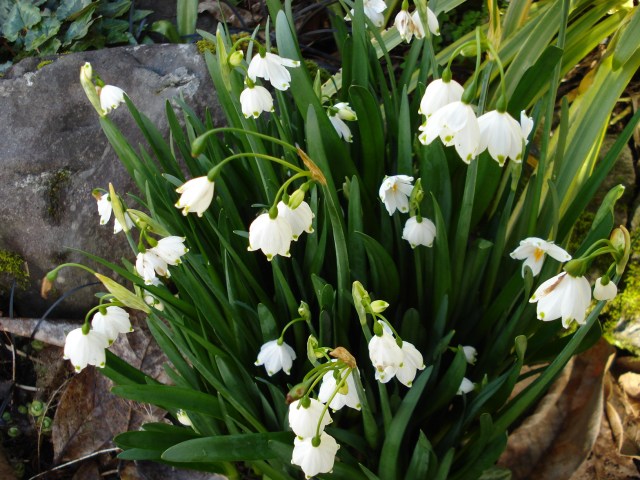
Leucojum vernum ‘Gravetye Giant’ has a very long season in bloom but is more useful than choice

Is this particularly early? Some of us ask that question; others boldly declare, based on ‘vibes’, that this is very early.  I thought it was early but it really isn’t. I have checked photo dates from my files and the snowdrops and narcissi are right on cue, as are Magnolias campbellii and ‘Vulcan’.
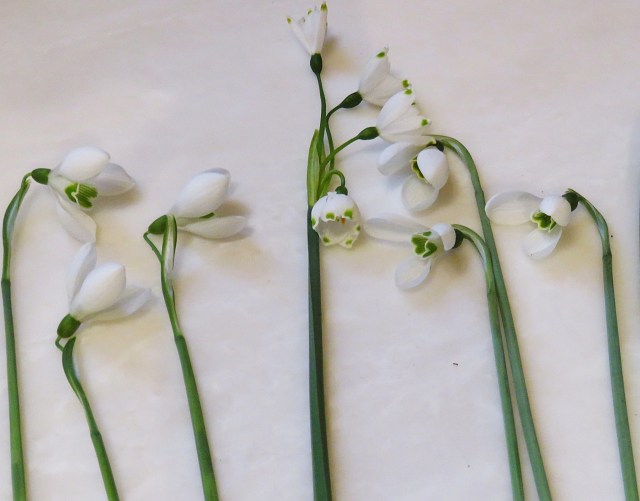
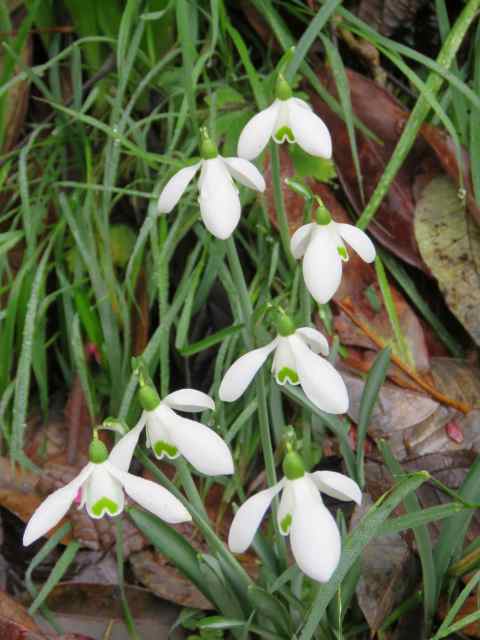
left to right: Galanthus nivalis ‘S Arnott’, Lecojum vernum (snowflake) and Galanthus elwesii

It is indeed peak snowdrop time which is but brief in our area which has only once ever had snow that we know of. I can tell you very specifically that it was on August 15, 2011, quite possibly between the hours of 6.00am and 7.00am. Out of all the snowdrops – and there are many, many different ones – we have ended up relying on just two different ones that perform well and actually increase in our warm temperate conditions. People in colder climates will have a much larger range that they can grow and they will have a longer season. We are confined to Galanthus nivalus ‘S. Arnott’ and Galantus elwesii and we really only get a couple of weeks out of them. The snowflake or Leucojum vernum ‘Gravetye Giant’ flowers over a couple of months.
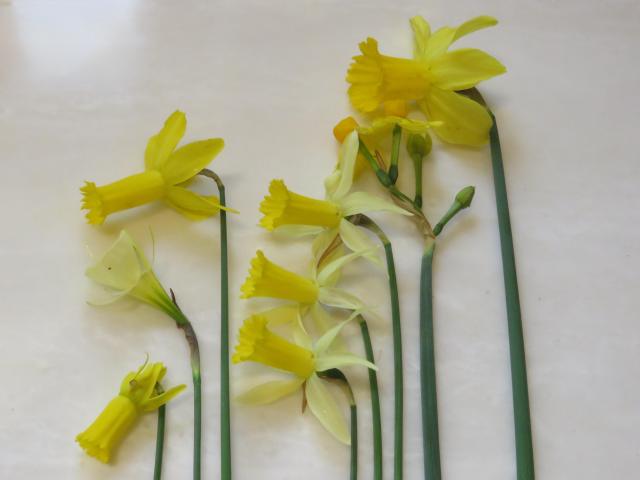
‘Twilight’ as a set of 3 in the centre, ‘Peeping Tom’ on the right

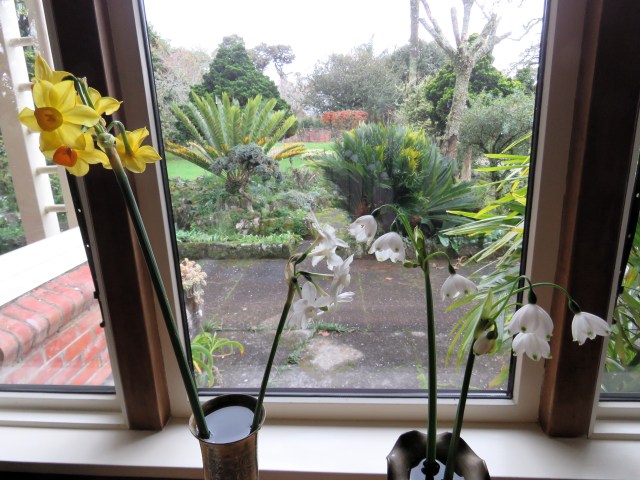
What we lack in range on the snowdrops, we make up for with the daffies. We grow a wide range of dwarf narcissi, both named varieties and cyclamineus seedlings,  and the season is just starting. ‘Peeping Tom’ is in full swing. It has an interesting name – maybe it was peeping out as snow melted? Or maybe somebody felt obliged to name it Tom but didn’t wish to? No matter, it is a bold and reliable performer and it certainly doesn’t skulk around quietly. So too is Felix Jury’s ‘Twilight’ a mainstay performer for us. It is sterile so it puts its energies into flowering for a long time and increasing its bulbs rather than setting seed. Next month will see an explosion in the narcissus varieties in bloom and ‘Twilight’ will continue to bloom alongside them.
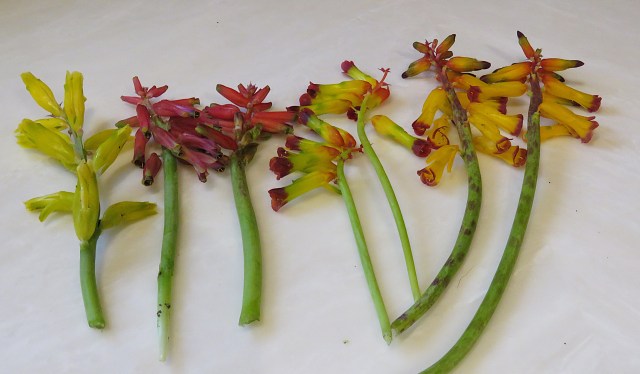
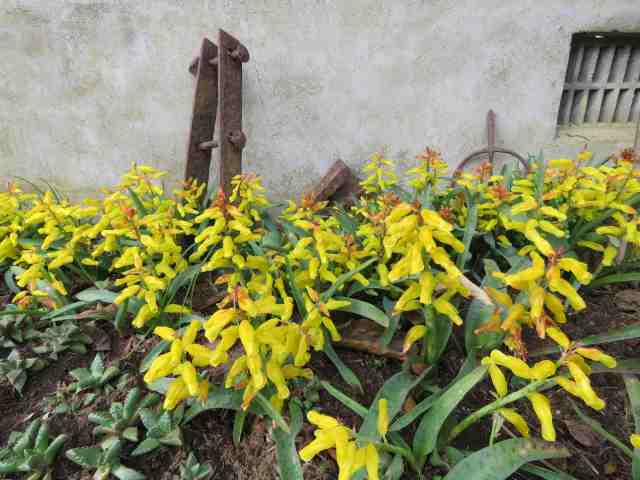
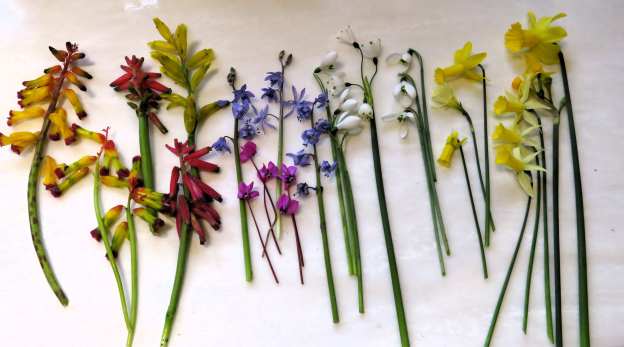
L to r: Mark’s reflexa hybrid, red L. bulbifera, L aloides quadricolor and the common old L. aloides var aloides.
Mark’s Lachenalia reflexa hybrid which has proven to be a good early performer

The other group starting its season is the lachenalias. The more desirable pink, blue and lilac ones will come later but these early ones are very cheerful and some have a long season in flower.
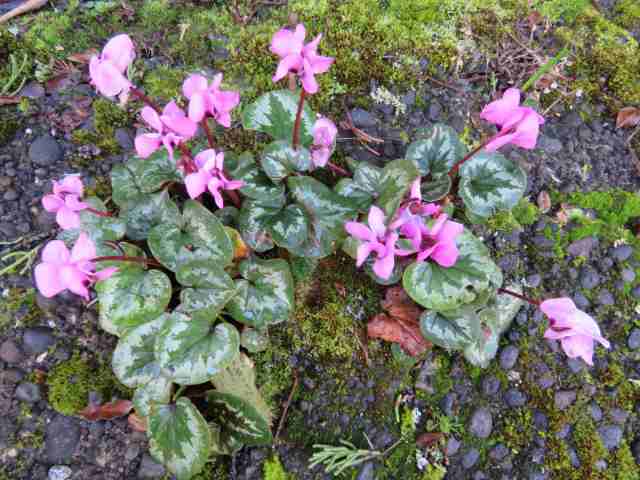
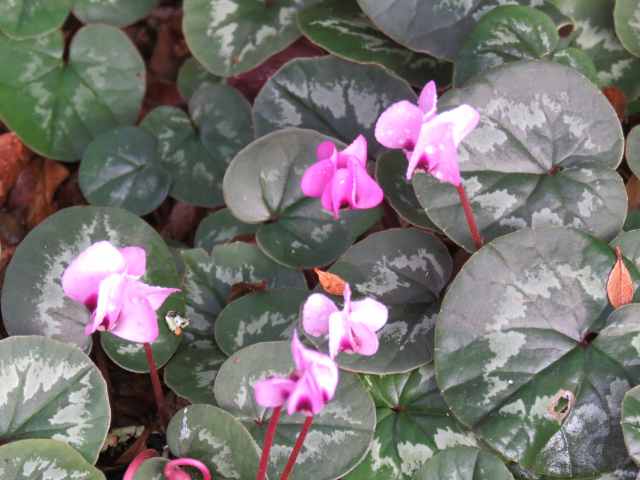
Cyclamen coum
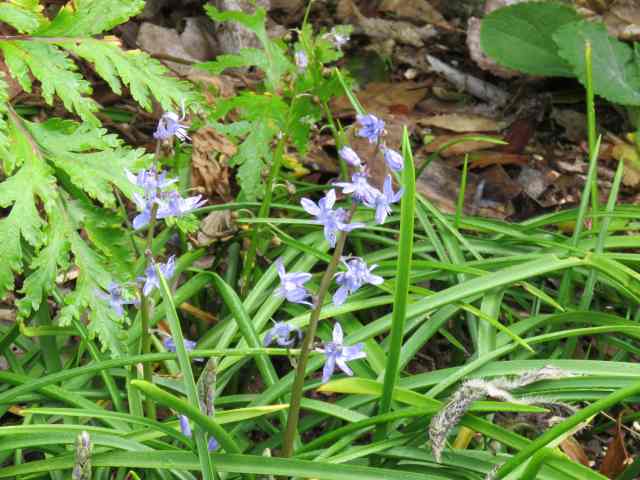
A winter flowering scilla. It will have a species name but I don’t know what it is and, to be honest, don’t care enough to go searching through back catalogues of ours and online.
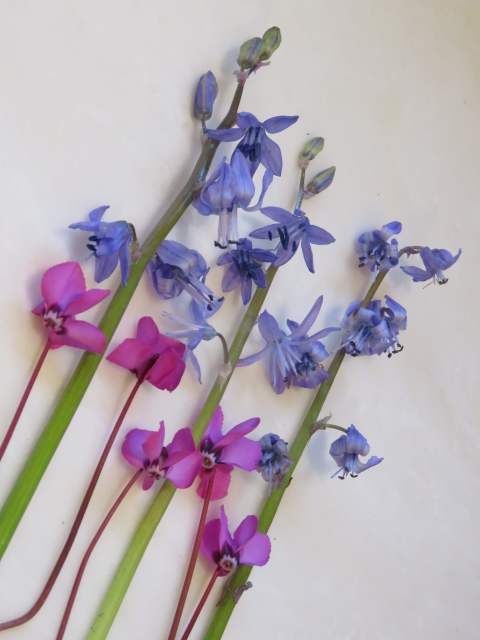
Cyclamen coum and scilla

Cyclamen coum flies the flag for this plant family all winter and we have enough to set seed freely. It is smaller growing than the earlier C. hederifolium, and the dominant form we have is more cerise pink. The blue is an early season scilla, charmingly referred to as meadow squill, but I have no idea which one. We will have had a species name on it at some point. I wouldn’t get too excited about it. It is a pretty blue but has too high a foliage to flower ratio and is more suited to meadow planting than rockery. Not choice.

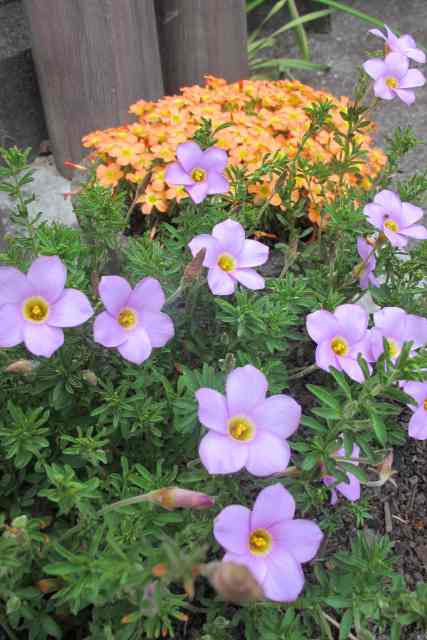
Overall, there is nothing much out of the ordinary but for mid-winter, the earliest bulbs are a very cheerful sight. July is the early harbinger of the peak bulb season of spring. I should give an honourable mention to Oxalis purpurea alba (still!), Oxalis versicolor and the simple blue anemone seedlings that have gently seeded down as survivors from a packet of De Caen mix I planted maybe 25 years ago.
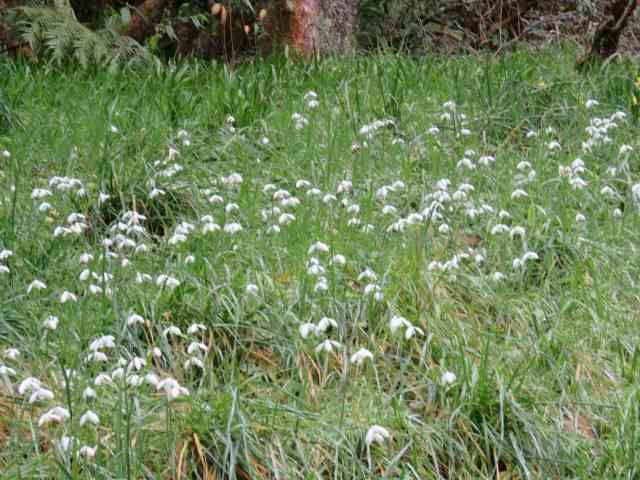
The gentle charm of snowdrops in a meadow situation

In the ‘you need to be here to really appreciate it’ category, July opens up our season of bulb hillsides down in the park. We don’t have actual acres of snowdrops yet but we do have extensive plantings and they are in flower now. The meadow narcissi are also opening their flowers. We rely on the stronger dwarf forms – particularly Narcissus ‘Twilight’ and cyclamineus seedlings which Mark raised to get high enough numbers to have an impact. Meadow bulbs bring charm through being an unexpected surprise and that is a little visual treat in early spring each year.
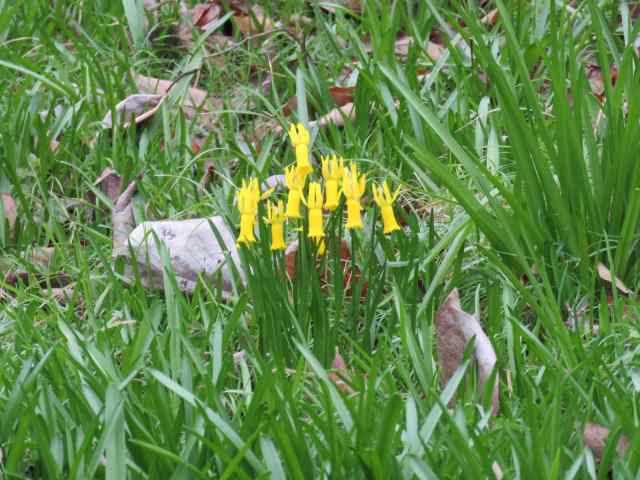
Dainty Narcissus cyclamineus competing well with bluebells and grass in the park
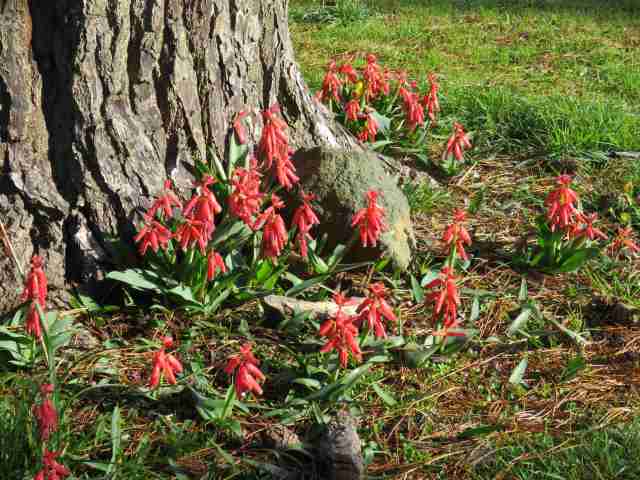
Lachenalia bulbifera at the base of an old tree amidst a grassy area that gets mown. Around bare tree trunks is often a good place to start planting bulbs for a meadow of sorts.

The flowering bulbs of May and June

I seem to have found the quietest bulb months of the year and they are May and June. I didn’t even feel there was enough to bother writing about in May – just the oxalis, Nerine bowdenii and the carryover from late April. There is not a lot more now but the earliest narcissi are already flowering, along with the Leucojum vernum and they herald a new season as we enter the winter solstice.

Oxalis massoniana (top) and hirta lavender (bottom) are very pretty but their season and overall display pale beside purpurea alba and luteola

As I wrote two months ago, not all of the ornamental oxalis are of equal merit. But here we are and O. purpurea alba and O. luteola are still looking showy and well behaved. That is more than can be said for most of the remaining twenty eight species here.

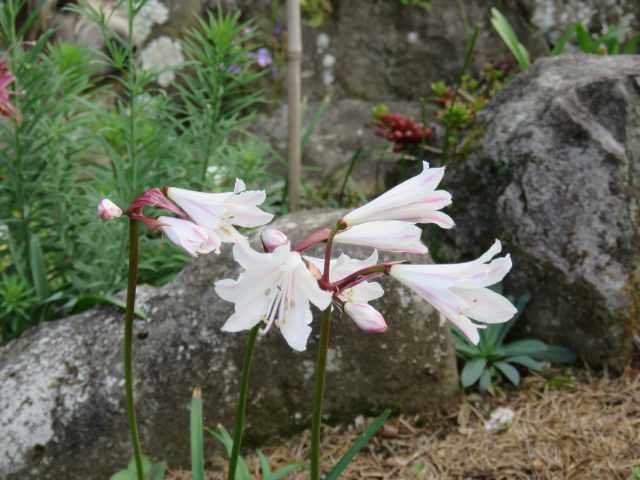
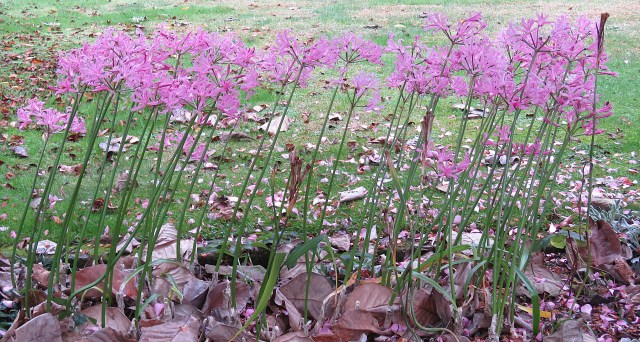
Nerine pudica is a dainty little species but I can not say it is very free-flowering for us.
Nerine bowdenii in sugar pink

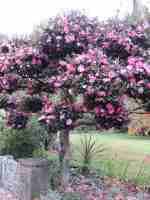
The nerine season signs off with dainty little Nerine pudica and Nerine bowdenii, a species that is arguably downplayed when compared to its showier sarniensis cousins. You do need to like the shade of sugar pink seen in most bowdenii and I am not sure it is ever declared as ‘choice’. But it has a long flowering season, blooms reliably every year and is considerably easier to grow and flower. That is not to be sniffed at. The planting above is below Camellia sasanqua ‘Elfin Rose’ (left) in a perfect colour match that delights us every year.

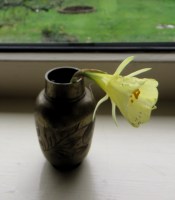
Leucojum vernum or the common snowflake
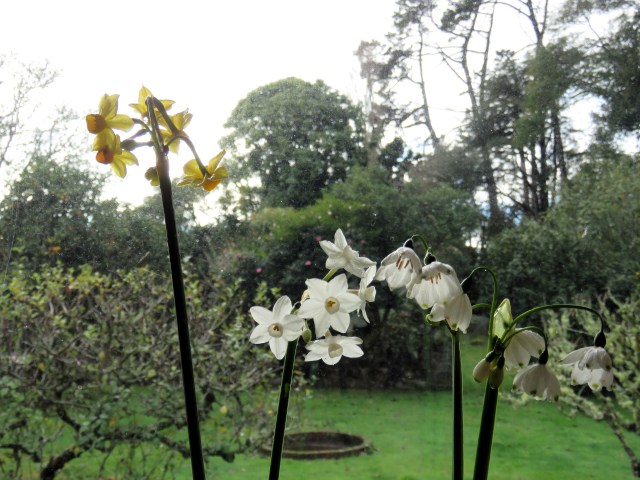
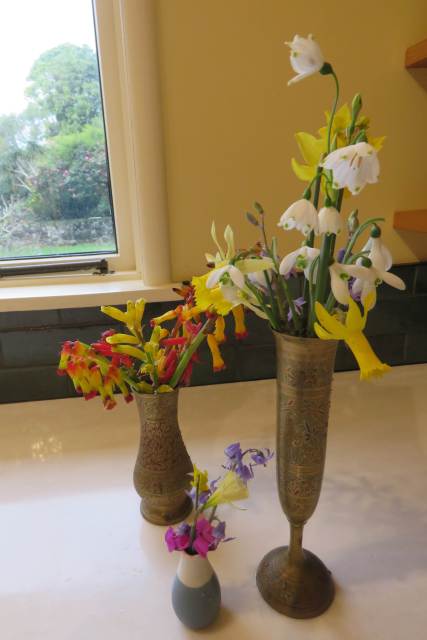
Narcissus ‘Grand Soleil d’Or’ in yellow, one of the Narcissus jonquilla in white and the humble snowflake. The first Narcissus bulbocodium citrinus of the season are opening – the hooped petticoats of the daffy scene (below left).

Similarly, the modest snowflake – Leucojum vernum – is not often praised. Maybe many of us remember it as a survivor that we used to pick from old house sites dating back to the mid to late 1800s, along with wild daffodils. Some will recall those sites, marked by a brick chimney and a few garden plants, particularly those common bulbs and a camellia or two. The leucojum or snowflake is a not-quite-doppelganger of the classier and much more highly prized galanthus or proper snowdrop. But, in our climate, the snowdrop is a fleeting delight over a couple of weeks only whereas the leucojum just quietly flowers on in an understated way from early winter to mid spring. It deserves a little more credit as a garden plant than it is often given.

Cyclamen coum is our main winter flowering species

The Cyclamen hederifolium have largely finished their flowering season although they continue to earn their keep with their handsome foliage. It is now time for their cousins, Cyclaman coum to star. Over the years, we have tried any of the species cyclamen that we could lay our hands on. They generally hail from drier climates in southern Europe, around the Med and the Middle East and north Africa. My personal favourite is C. libanoticum – from Lebanon – but there are three that are standout garden plants in our conditions – add C. repandum to the aforementioned hederifolium and coum. Of them all, those three have settled in and increased happily so we can measure them by the square metre rather than as individual plants. We only grow the species but I might have been tempted by the genuinely purple hybrid I saw people commenting on in local garden centres this autumn.

Dahlia excelsa can sometimes be taken out by frost and wind but we have had no frost yet and little wind this autumn so it is flowering at its best.

I could have padded these listings with dahlias and orchids. With the current fad for OTT show dahlias in weird colour mixes and full forms of a size that suggests steroids, our preference for modest single flowers on garden plants just seems out of step. But I note that the last dahlia of the season is blooming now and that is the OTT Dahlia excelsa that towers above most plants at a good 4 metres or more.

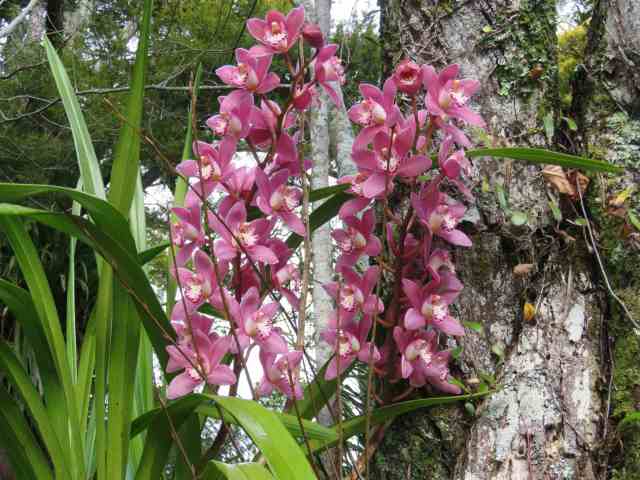
Cymbidium orchids have pseudobulbs which are not botanically the same as bulbs and they make excellent garden plants in the right conditions.

And the paucity of more usual bulbs does not give credit to the psuedobulbs of the cymbidium orchids. Our interest is in orchids as garden plants, not for show in an orchid house or cut for indoors but grown fully outdoors alongside a range of other plants. Cymbidium orchid season is just starting and will last for several months.

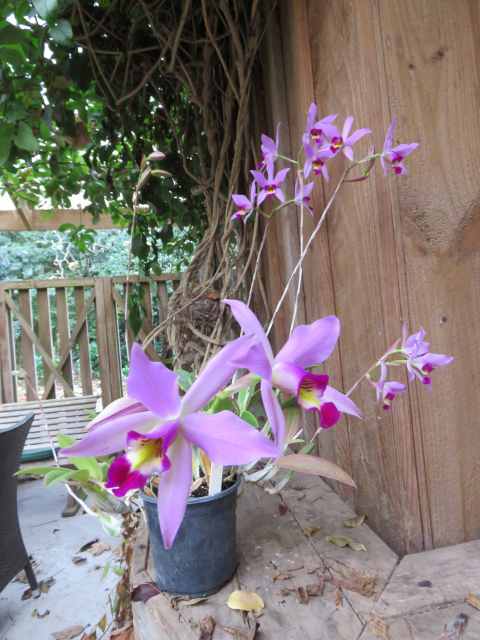
Eighteen gorgeous flowers on the hardy Laelia anceps orchid, now to be planted in the garden as it has finally flowered.

This Sunday is the winter solstice. Matariki is due (the rising of the Pleiades star cluster) with the official holiday on July 10. Magnolia campbellii is coming into flower, Magnolia ‘Vulcan’ will start showing first colour in a few weeks. The earliest of the narcissi – the strong scented jonquil types – are already starting to bloom and the many spring bulbs are in full growth. We are yet to plunge into full winter, where we live at least. It would be churlish to complain about the weather at this stage.

Finally, all credit to the autumn peacock iris, Moraea polystachya. I commented back in February that it was opening blooms and that it had a very long season in flower. I have never timed it before but it is now into its fifth month of opening fresh buds. That is an exceptionally long season.